The Years
New Puppy
Your next chapter
Everything is enormous, nothing is house-trained, and this part is short.
Homecoming. A very small animal has just lost its mother, its littermates and every smell it knew, and has landed in your kitchen. The jobs of this stage are sleep, toileting, a crate that reads as safe, the first vet visit, and a socialisation period that is open right now, when new things are easiest to file as ordinary. Almost everything that feels like a disaster this month is a puppy who has not slept.
Approximate. AAHA gives no fixed ages: it defines life stages by development, not by birthdays, and publishes no inclusive ages at all for mature adult or senior. These windows are ours, built so you can find the right page. A dog a month either side of a line is the same dog.
Start here
Start with these three
The first three steps of this stage's plan, in the order they usually happen.
- Decide where the crate goes: next to your bed
- Write the toilet rota on the fridge
- Schedule the naps rather than waiting for them
Nothing here is a test, and none of it has a deadline attached. A flexible plan for the first week has the rest of it, and the questions worth asking your vet are further down the page.
You are here if…
- There is a puppy in your house and you have not slept properly since it arrived
- You are outside in the dark, in your coat, waiting for something to happen on the grass
- The puppy sleeps in wild bursts and then bites everything for twenty minutes
- You have been told to socialise the puppy and also not to put it on the ground yet
- Something has been chewed that you cannot replace
- You are quietly wondering whether you have ruined your life, which is a normal thing to wonder in week two
The numbers to know
Rules of thumb, not diagnoses — your vet knows your dog.
What is changing
Almost everything, very fast.
The body. A puppy this age is growing daily and sleeping through most of it. Long stretches of sleep are not laziness; they are when the growing happens. Bladder capacity is tiny and the muscle that holds it is not finished, so accidents are a plumbing fact, not a training failure. The gut is new to your water and your food, and it will tell you.
The brain. This is the part that is cheapest now and dearer later. During the socialisation period, new things are filed as ordinary rather than frightening with very little effort from you, and that period is winding down during exactly the weeks your vet is still working through the vaccine series. It is a window of best value, not a door that slams: dogs go on learning that new things are safe for the rest of their lives, and a puppy who missed some of it is a puppy who needs more patience and often a good trainer, not a lost cause. That tension is real and it has a real answer: carry the puppy, use your arms and a blanket, invite calm vaccinated adult dogs to your house, and let the puppy watch the world from a safe distance rather than walk through it. Ask your vet where they draw the line, because it varies by area and by what is circulating.
The behaviour. Mouthing is communication, not aggression. Crying in a crate is a social animal saying it has been left. Overtired puppies get worse, not sleepier. Most of this month is managed by a schedule, not by technique.
The six needs, this stage
What changes, and the one thing worth getting for it.
Nourish
Soft, pea-sized training treats
Count them into the day's food. A puppy trained on top of full meals gets round quickly.
Why nourish changes now +Why nourish changes now −
Small meals, often — most puppies this age eat three or four times a day rather than twice, because a stomach this size cannot hold a day's calories in two goes. Keep them on the food they arrived on for at least the first week or two, then change gradually over seven to ten days if you are changing at all. Fresh water always available, and washed daily. Free-feeding makes house-training much harder because you lose the one thing that makes toileting predictable: food going in on a schedule means it comes out on a schedule.
Rest
A second bed by the sofa
So there is somewhere to be near you that is not on you. Settling on a mat is a skill, and it starts now.
Why rest changes now +Why rest changes now −
Sleep is the whole stage. Puppies this age sleep enormous amounts across the day, and a puppy who has not had it becomes bitey, frantic and impossible — the same way a toddler does. Build naps into the schedule rather than waiting for the puppy to opt in, because most of them will not. The crate goes next to your bed for the first weeks, so night crying is answered by a hand through the bars rather than by a trip downstairs. Feeding meals inside the crate and closing the door for two minutes at a time does more for crate training than any amount of coaxing.
Move
A crate or carrier for the car
No verified pick yet — here’s what to look for
$40-120 · Car Travel
Short, pleasant journeys that end somewhere good, before the only journeys are veterinary ones.
Why move changes now +Why move changes now −
Less than you think. A puppy this age does not need walks for exercise; they need short, frequent outings that are mostly about toileting and about seeing things. Growth plates are open, so repetitive forced exercise, long jogs and stairs up and down all day are worth avoiding — your vet can tell you what is reasonable for your dog's size. What they do need is to get comfortable wearing a harness and being carried, and to make peace with the car before the car only ever means the vet.
Think
Three different chew textures
Rubber, rope, something with give. You are finding out what this particular mouth prefers before the teething months arrive.
Why think changes now +Why think changes now −
The world is the enrichment right now. Novelty in tiny, controlled doses — a cardboard box, a new floor surface, an umbrella opening across the room, the washing machine running — does more than any toy. Where toys earn their place is in teaching a puppy to be content alone: a stuffed and frozen rubber toy given as you close the crate turns being shut in from a punishment into the thing that comes with dinner. Keep sessions short. A puppy who has had enough will bite, and biting is usually the message that the session ended five minutes ago.
Train
A real grass patch, if outside is a lift ride away
Real grass keeps the surface the same as the one you will eventually move to, which is the step pads get wrong. It is a consumable: a delivery every couple of weeks, not a purchase.
Why train changes now +Why train changes now −
Three things and no more: toileting, the crate, and a name that means good things are coming. Everything is rewarded, nothing is punished — a puppy who is told off for an accident learns to hide, not to hold. Take them out on waking, after eating, after play, and roughly every hour in between; go with them, reward outside within two seconds, and never after you come back in. Sessions run two minutes, several times a day. Start handling paws, ears and mouth now, gently and with food, so that grooming and vet exams are never a fight.
Protect
A folding playpen
The single most useful object for a household that also has to eat, work and shower.
Why protect changes now +Why protect changes now −
The vaccine series is running and is not finished, so where the puppy can safely go is a live question with a local answer — ask your vet rather than the internet. Parasite prevention starts young and the products are age and weight dependent, which is another vet conversation rather than a shelf decision. At home, the containment you set up before arrival now earns its keep: gates and a pen let you stop watching for ten minutes without a disaster. Get the microchip registered to your own phone number in week one, and check the fence properly, because puppies fit through gaps you cannot see.
Training Tools, 6 picks side by side
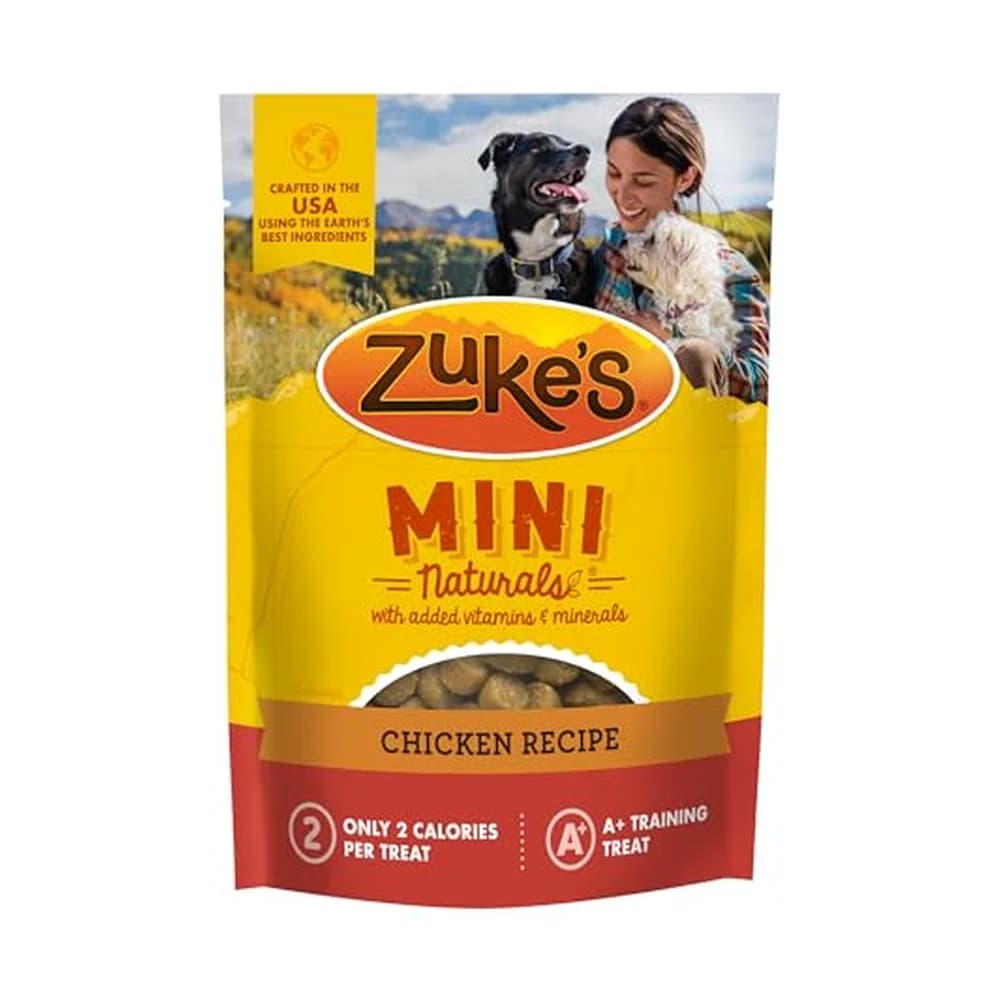
The everyday training treat — small, soft and low enough in calories to reward fifty times in a session
- Size
- 16 oz pouch
- Material
- Not stated
- Colour
- Not stated
- Dimensions (H × W × D)
- Not stated
- Weight
- Not stated
- Skip if
- Your dog needs a limited-ingredient diet, or you want a treat that keeps for months once opened.
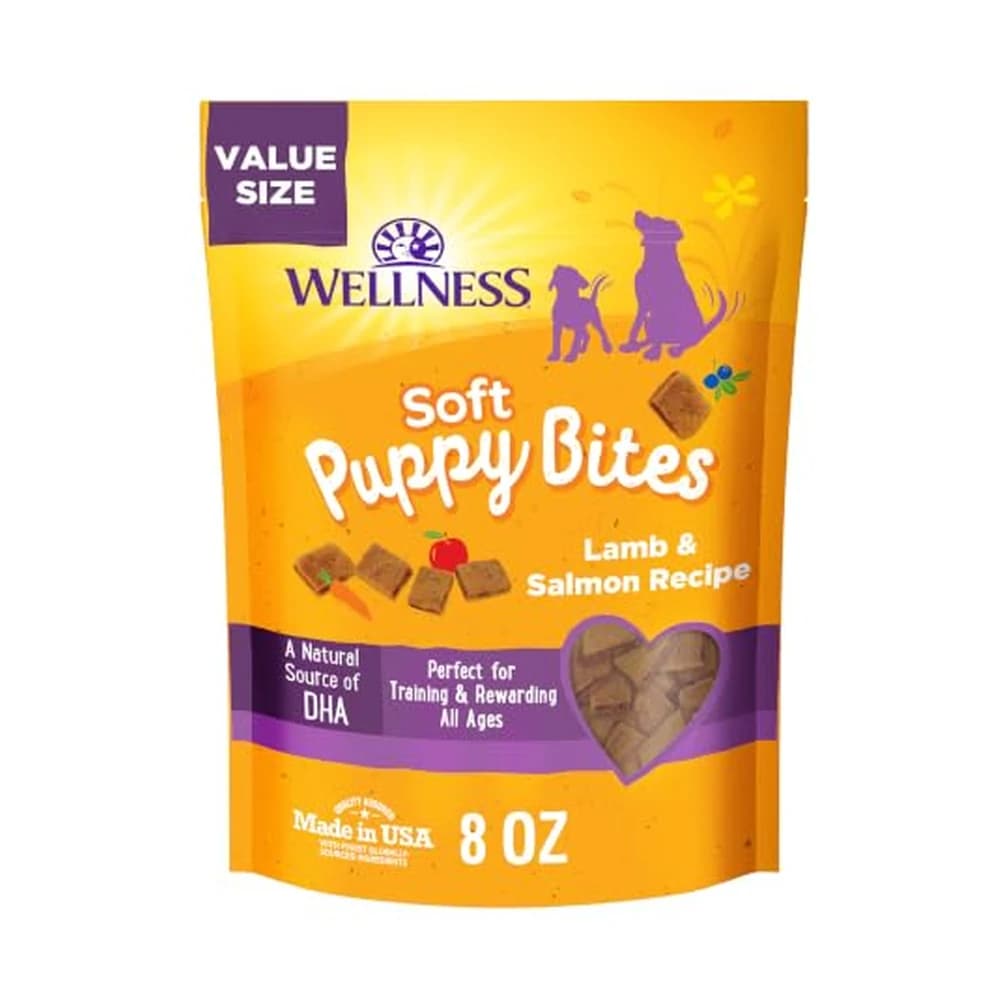
The first months of training — soft enough for baby teeth, with lamb and salmon and added DHA for a developing brain
- Size
- 8 oz bag
- Material
- Not stated
- Colour
- Not stated
- Dimensions (H × W × D)
- Not stated
- Weight
- Not stated
- Skip if
- You need the cheapest bulk treat. An 8 oz bag disappears quickly at puppy training frequency.
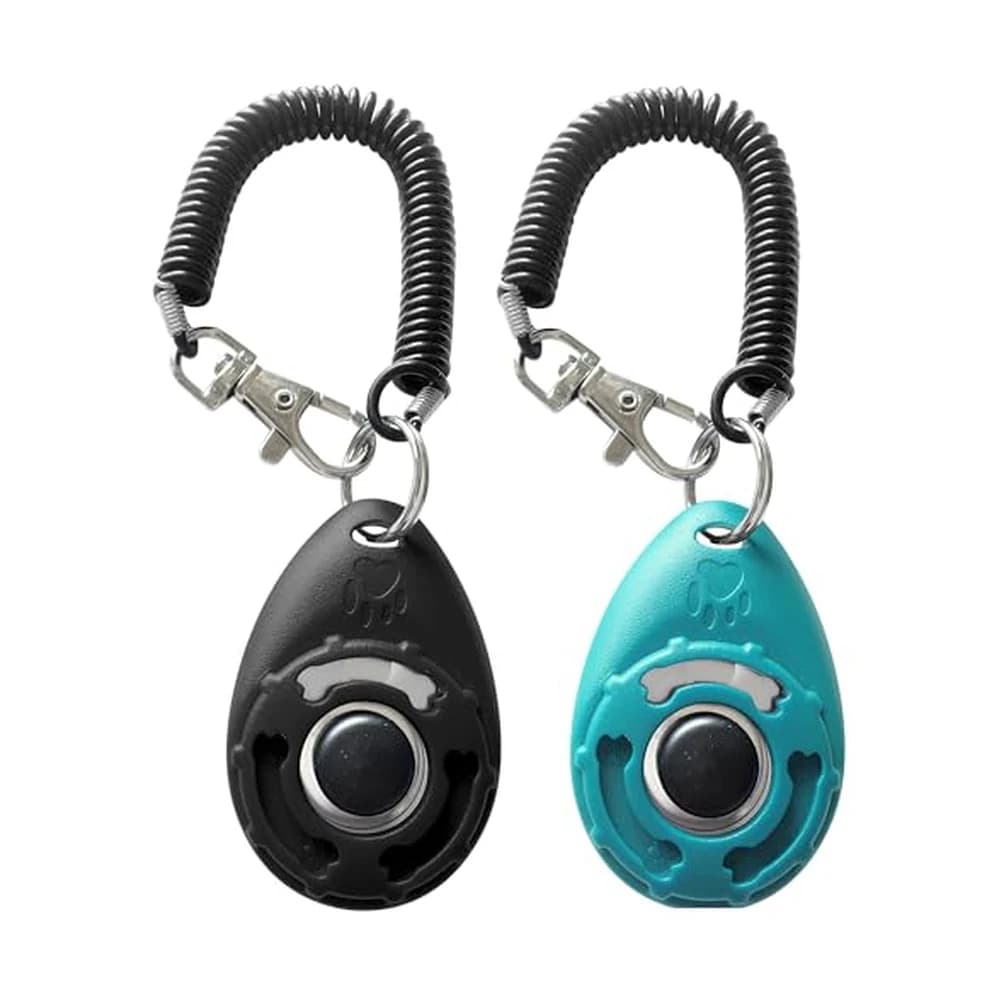
The marker itself — a sound a dog can learn in one session, at a price that means losing one does not matter
- Size
- Not stated
- Material
- Not stated
- Colour
- Not stated
- Dimensions (H × W × D)
- 1.97 in × 1.97 in × 5.91 in
- Weight
- 0.09 lb
- Skip if
- A sharp click startles your dog, or you already mark reliably with a spoken word.
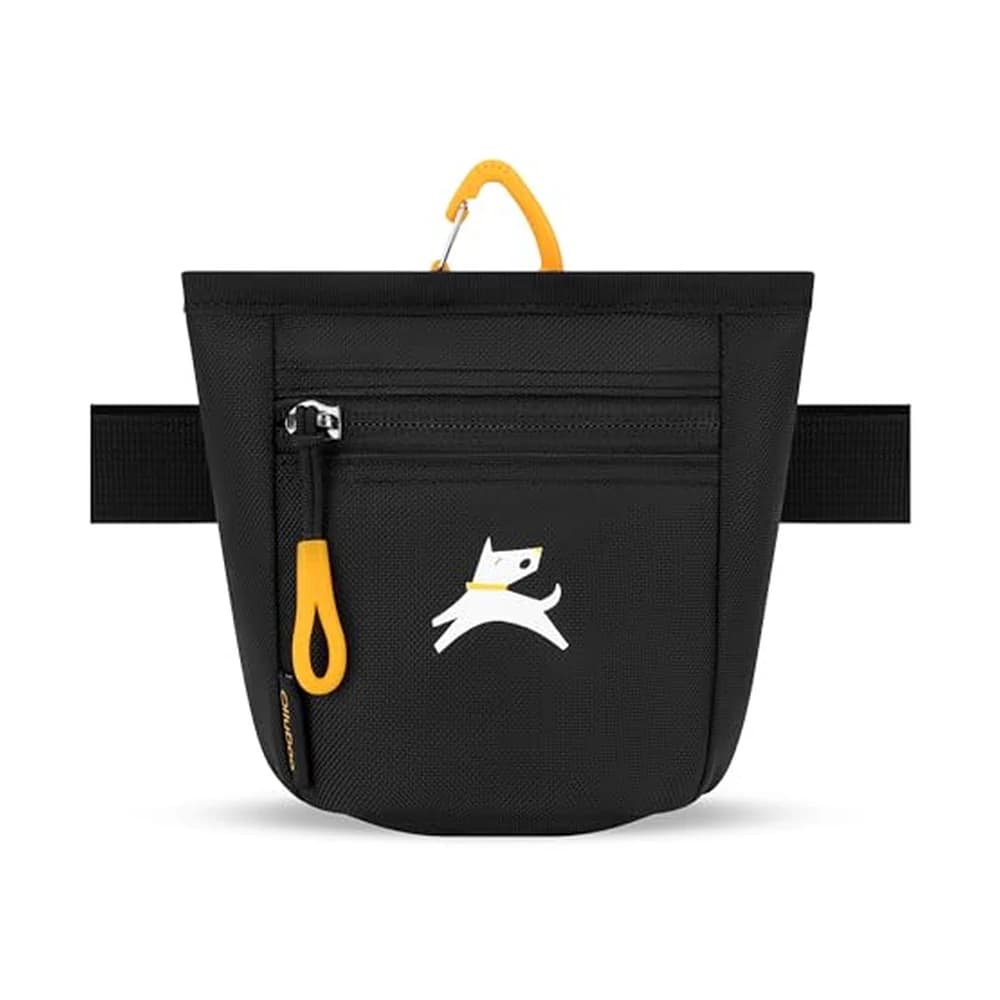
Getting a reward out in under a second, which is the only thing a treat pouch is actually for
- Size
- 4 1/4" x 5 1/4" x 3"
- Material
- Not stated
- Colour
- Not stated
- Dimensions (H × W × D)
- 5.25 in × 4.25 in × 4.25 in
- Weight
- 0.22 lb
- Skip if
- You need it to hold a day's food, or it will be thrown into a bag mouth-down.
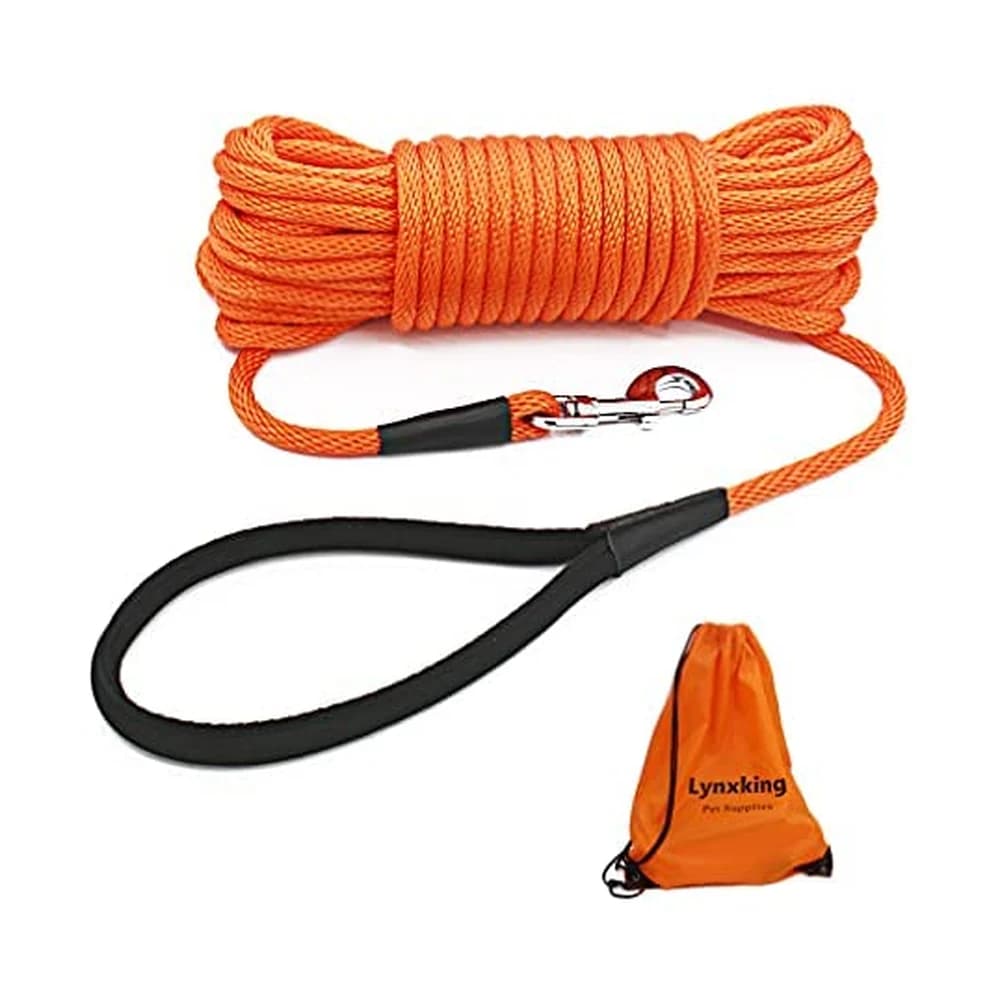
Recall practice in open space, where a six-foot leash makes the dog's choice for them and off-leash makes a wrong choice unrecoverable
- Size
- rope3/8"x30'
- Material
- Not stated
- Colour
- Orange
- Dimensions (H × W × D)
- 0.38 in × 0.38 in × 360.0 in
- Weight
- Not stated
- Skip if
- You want it for ordinary walks — thirty feet of line on a pavement is a hazard to your dog and to strangers.
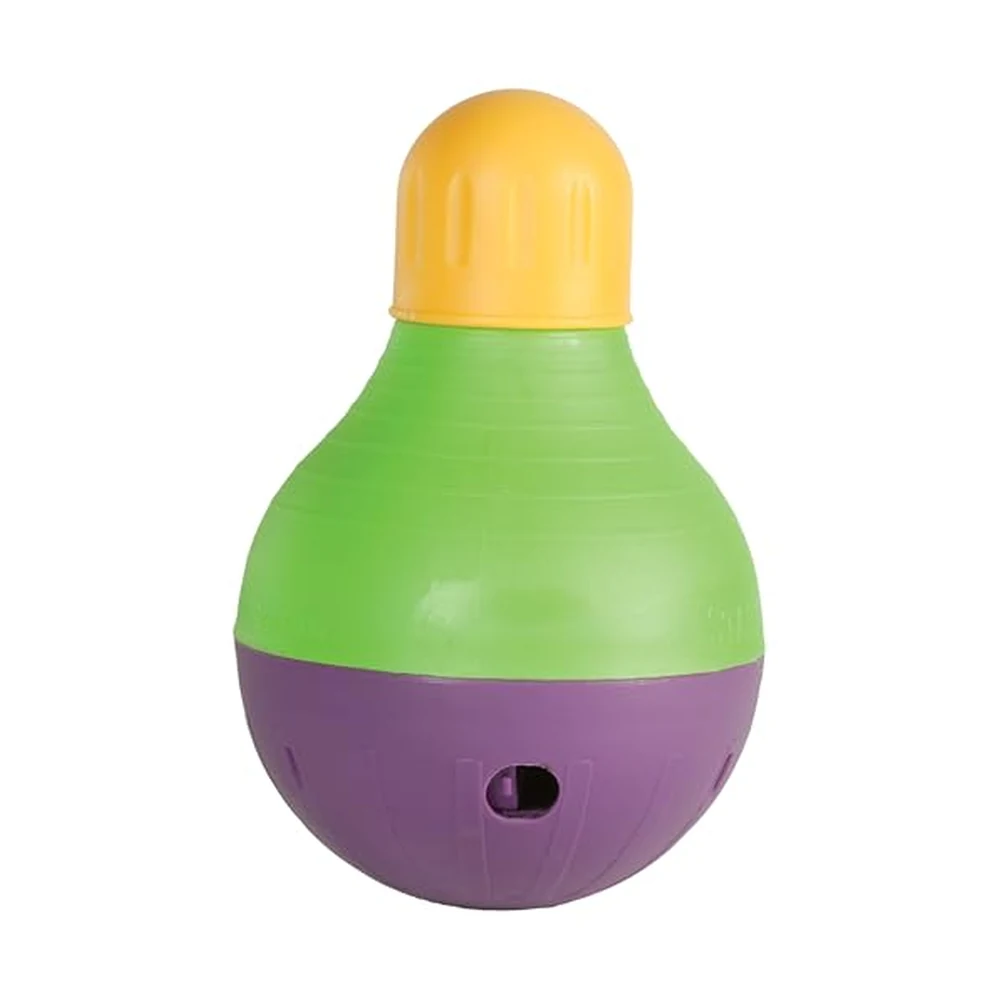
Turning a whole meal into work — the large chamber holds up to three cups, with adjustable difficulty at both openings
- Size
- Not stated
- Material
- BPA-Free Plastic
- Colour
- Not stated
- Dimensions (H × W × D)
- Not stated
- Weight
- Not stated
- Skip if
- Your dog is a serious chewer. It is not chew-proof and owners report it failing under real chewing.
Each pick below carries its own specs, and the tags mark the best of these picks on that point. Specs come from manufacturer listings; ratings are the Amazon aggregate rating and count, refreshed periodically — we don't test products.
How winners are decided: ✓ marks the lowest price, the highest owner rating, the largest stated weight capacity and the longest warranty. Rows where more is not better — size, dimensions, weight, material — and the editorial rows get no ✓ at all. A blank is unknown, never a loss, and a row needs at least two known, differing values before anything can win. How the best-of-these tags are decided: the lowest price, the highest owner rating, the largest stated weight capacity and the longest warranty. Points where more is not better — size, dimensions, weight, material — and the editorial notes carry no tag at all. A blank is unknown, never a loss, and a point needs at least two known, differing values before anything can lead. As an Amazon Associate we earn from qualifying purchases. Specs are the manufacturer's claims and owner-reported data — we research and analyse; we don't test products on dogs.
A flexible plan for the first week
Not a timetable. A puppy who has just lost everything familiar does not read one, and a plan that runs to the minute mostly produces guilt. What follows is the order things usually need doing in, split into what is worth having ready before the puppy arrives and what can wait until you know this particular dog. Move any of it that does not fit.
- Costs nothingPrepare now
Decide where the crate goes: next to your bed
For the first weeks the crate goes beside where you sleep, so night crying is answered with a hand through the bars rather than a trip downstairs. This costs nothing and it is the single decision that changes the first week most.
- Costs nothingPrepare now
Write the toilet rota on the fridge
Out on waking, after eating, after play, and roughly every hour in between. Go with them, reward outside within two seconds, and never after you come back in. Bladder capacity is tiny and the muscle that holds it is not finished, so accidents are a plumbing fact rather than a training failure.
- Costs nothingPrepare now
Schedule the naps rather than waiting for them
Sleep is the whole stage, and a puppy who has not had it becomes bitey, frantic and impossible - the same way a toddler does. Most puppies will not opt into a nap, so the naps go in the plan. Most of what feels like a disaster this month is a puppy who has not slept.
- Worth buyingPrepare now
Keep them on the food they arrived on
Small meals, three or four times a day rather than twice. Stay on whatever they were eating for at least the first week or two, then change gradually if you are changing at all. Food going in on a schedule is what makes toileting predictable, which is why free-feeding makes house-training harder.
- Worth buyingPrepare now
Set up the containment before the puppy is in it
Gates and a pen are what let you stop watching for ten minutes without a disaster. This is the one piece of equipment that is genuinely easier to have on day one than to improvise on day three.
- Costs nothingPrepare now
Start the exposure at a distance
The socialisation period is winding down during exactly the weeks the vaccine series is still running, and the answer to that tension is a safe distance rather than a delay. Carry the puppy, use your arms and a blanket, invite calm vaccinated adult dogs to your house, and let the puppy watch the world from somewhere safe. A cardboard box, a new floor surface, an umbrella opening across the room.
- Costs nothingPrepare now
Two short training sessions a day, and no more than three things
Toileting, the crate, and a name that means good things are coming. Sessions run two minutes, several times a day. Everything is rewarded and nothing is punished - a puppy who is told off for an accident learns to hide rather than to hold. Start handling paws, ears and mouth now, gently and with food.
- Worth buyingLater if needed
Later if needed: something to chew as the crate door closes
A stuffed and frozen rubber toy given as you shut the crate turns being shut in from a punishment into the thing that comes with dinner. Worth having by the end of the first week; not worth buying five of before you know what this puppy likes.
- Worth buyingLater if needed
Later if needed: a harness, and peace with the car
A puppy this age does not need walks for exercise. What they do need is to get comfortable wearing a harness and being carried, and to make peace with the car before the car only ever means the vet. Fit it to the dog you have, not the dog they will be.
- Ask your vet
The first vet visit, and the questions to take to it
Book it in the first days rather than the first month, and get the microchip registered to a phone number you actually answer.
Ask your vet what the vaccine schedule looks like and when the puppy can go where, whether the parasite prevention suits their current weight, and how often it changes while they are growing. Ask the same day about diarrhoea or vomiting that goes past one episode, or a puppy who has stopped eating or drinking - puppies dehydrate much faster than adult dogs.
If a day goes badly, the fix is almost always more sleep and fewer new things, not more training.
This stage is done when
New Puppy milestones
- First vet visit done, and you asked what the vaccine schedule looks like and when the puppy can go where
- Microchip registered in your name with a phone number you actually answer
- The puppy sleeps in the crate with the door shut, next to your bed, most of the night
- Ten or more days in a row with the puppy toileting outside more often than in
- The puppy eats a meal calmly inside the crate with the door closed
- Twenty different ordinary things met safely: surfaces, sounds, hats, umbrellas, a vacuum, a calm adult dog
- Paws, ears and mouth handled daily without a struggle
- The puppy has spent short periods alone, awake, without panic
- You have found a positive-reinforcement puppy class and know when the next one starts
- Everyone in the house is using the same words for the same things
Off by default. Turn it on and the ticks are stored in this browser only. They are not sent to us, we cannot read them, there is no account and there is nothing to sign up for. Clearing your browser data, or switching it off again, deletes them. If your browser blocks site storage the page still works, it just will not remember.
Untick this for a blank sheet to put on the fridge, whatever is ticked on screen.
Take these to the vet
Questions to ask
- Ask your vet the same day if a puppy has diarrhoea or vomiting that goes past one episode, or has stopped eating or drinking. Puppies dehydrate much faster than adult dogs and the margin is small.
- Ask your vet before you take an unfinished-vaccination puppy to a park, a pet shop floor or a dog beach, because where the line sits depends on what is circulating where you live.
- Ask your vet whether your puppy's parasite prevention is right for their current weight, and how often it needs to change while they are growing.
- Ask your vet if your puppy seems suddenly weak, wobbly or cold after missing a meal, particularly with a very small breed, because low blood sugar in tiny puppies moves fast.
- Ask your vet, or a qualified behaviour professional, if your puppy freezes, hides or shrieks at ordinary household things rather than recovering within a minute or two. Fear responses at this age are worth addressing early, not waiting out.
We research; we are not your vet and we do not examine your dog. Anything here that touches health is a question to ask, not an answer to act on. Take it with you — a written list is easier than remembering in the room.
Train at home, this stage
- Crate Training a Puppy: A Stage-by-Stage PlanFeed in it, sleep beside it, never use it as a punishment. Stages, not a schedule: what earns the closed door, and how to get through the nights.
- Potty Training Schedule for a New PuppyA timetable built around a puppy's real day: after waking, after eating, after play, and every hour in between. Reward-based only.
- How to Teach Recall at Home, Step by StepRecall is a paid behavior, built indoors first, then on a long line. Never call a dog to something he will not enjoy.
Learn more
- Puppy Sleep Schedule: How Much, and WhenPuppies sleep 18 to 20 hours a day. Most of what looks like a behavior problem in week one is an overtired puppy who cannot stop.
- The Puppy Socialization Window, and What to DoThe first three months are the most important socialization period. AVSAB calls socializing before full vaccination the standard of care.
- Puppy Proofing Your Home, Room by RoomAn hour of work before the puppy arrives. The AVMA's household hazard list, turned into a room-by-room pass you can actually finish.
Is one of these your evening?
Sources
- AAHA 2019 Canine Life Stage Guidelines - definitions — That the puppy stage runs from birth to the end of rapid growth, and that developmental periods phase in gradually rather than switching over.
- AVSAB Position Statement on Puppy Socialization — The tension between the socialisation window and an unfinished vaccine series, and why controlled early exposure is recommended by veterinary behaviour specialists.
- Preventive Vet - Socialization Checklist: 100 Things in 100 Days — The structure of a completable socialisation checklist, and the range of ordinary things worth introducing.
- PetMD - New Puppy Checklist: Essential Supplies and What To Do First — First-week priorities: establishing a vet relationship, puppy-proofing, identification and microchipping, and establishing a routine.
We are not your vet, and this site does not diagnose anything. Everything medical here ends with the question to ask at your next appointment, because the person who has examined your dog knows things a website cannot. If something has changed suddenly, call them rather than reading on.