The best teething & chew toys, compared.
Between roughly three and seven months a puppy loses 28 baby teeth and grows 42 adult ones. Chewing is not naughtiness — it is the stage.
Amazon links earn us a commission; it doesn’t change what we recommend.
Start here
Which one is right for you?
Three different dogs, three different answers. Each one names what it is good at and what it costs you.
A puppy who needs something to chew while the adult teeth come in
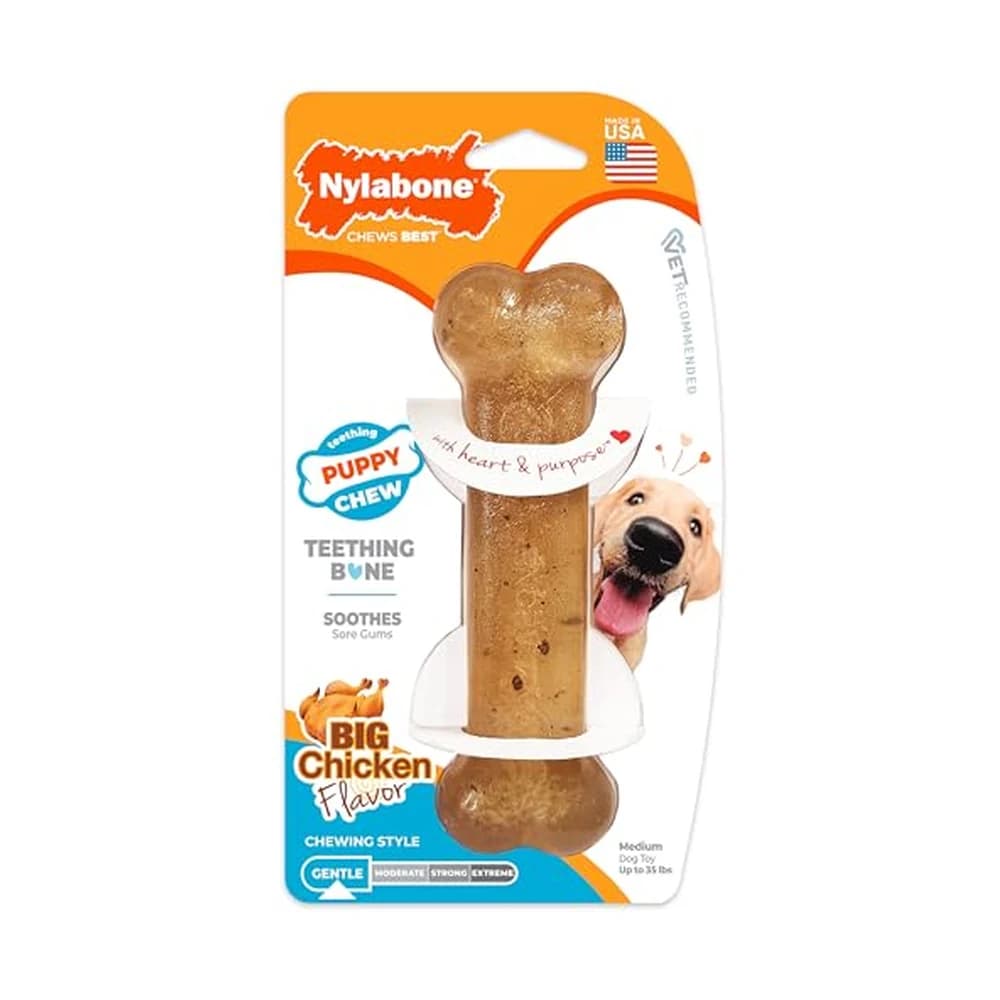
Softer than an adult chew by design, so it gives against a puppy's jaw rather than the other way round.
Our pick for this: Nylabone Puppy Teething Chew · $6.69
A puppy who settles better with something to work at
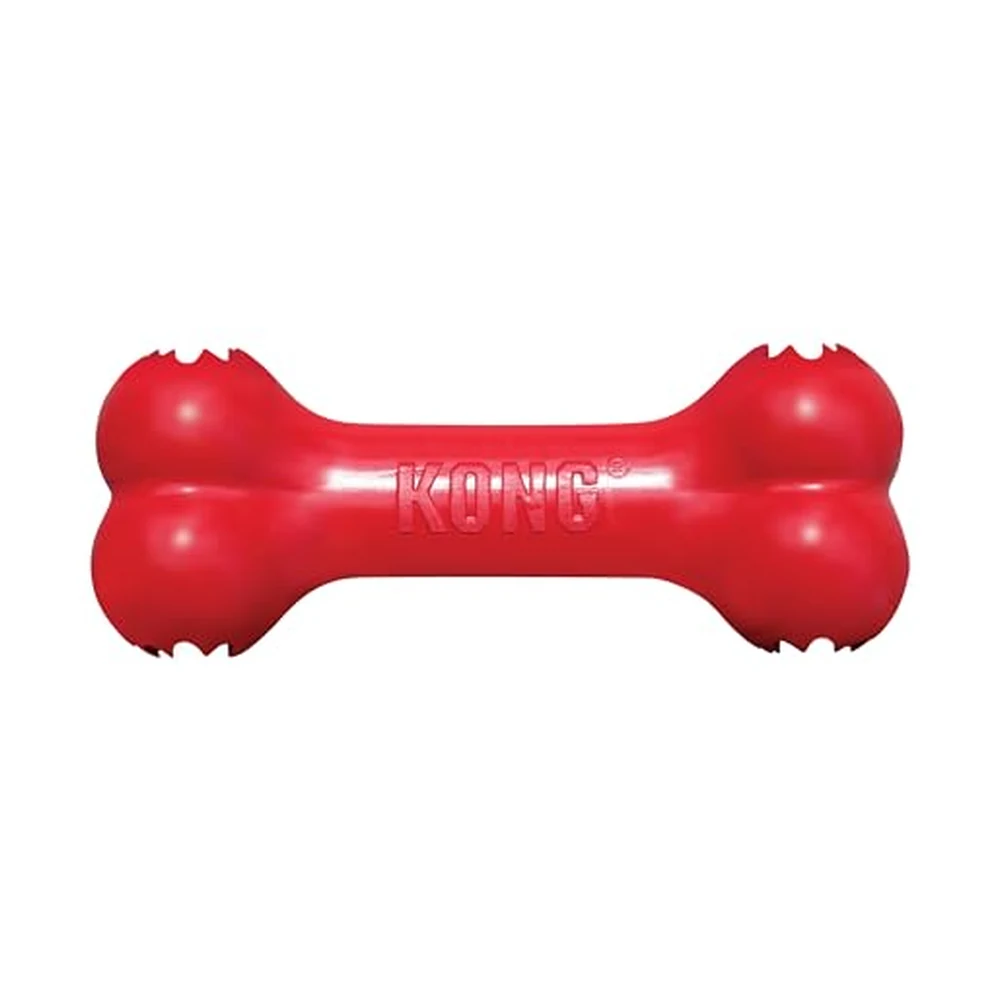
Stuff it, freeze it, and the chewing becomes a job with a payoff. This is the one that buys you twenty quiet minutes.
Our pick for this: KONG Goodie Bone · $11.96
A puppy who wants to shake and carry rather than gnaw
Three small toys for the play half of teething. Supervised play, not an all-day chew.
Our pick for this: ZippyPaws Skinny Peltz 3-Pack · $19
If none of these is your dog: nothing on this shelf is the right answer for every household, and we would rather you bought nothing than the wrong thing. Start from the stage your dog is actually in, or browse the other shelves.
Filter picks4 of 4
Showing 4 of 4 picks — no filters applied
Showing 4 of 4 picks — no filters applied
The picks, feature by feature
$19 4.5 out of 5 stars · 65,796 ratingsbest rated
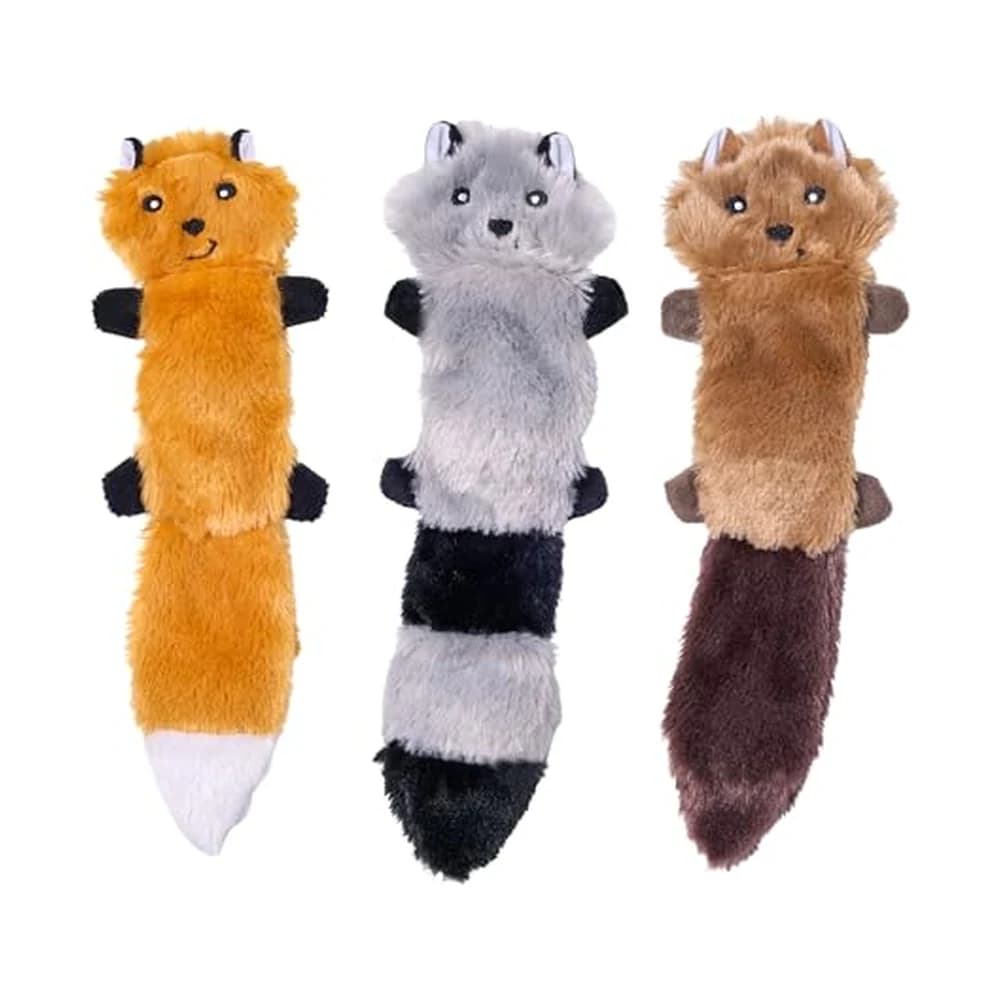
The shake-and-carry instinct — no stuffing to pull out, three toys in a pack, and light enough for a small puppy to lug around
- Size
- Large (18-24 inches each)
- Material
- Plush fabric, no polyfill stuffing
- Skip if
- Your puppy destroys plush. These are soft toys and several owners report them being shredded.
The variant we link: 11"
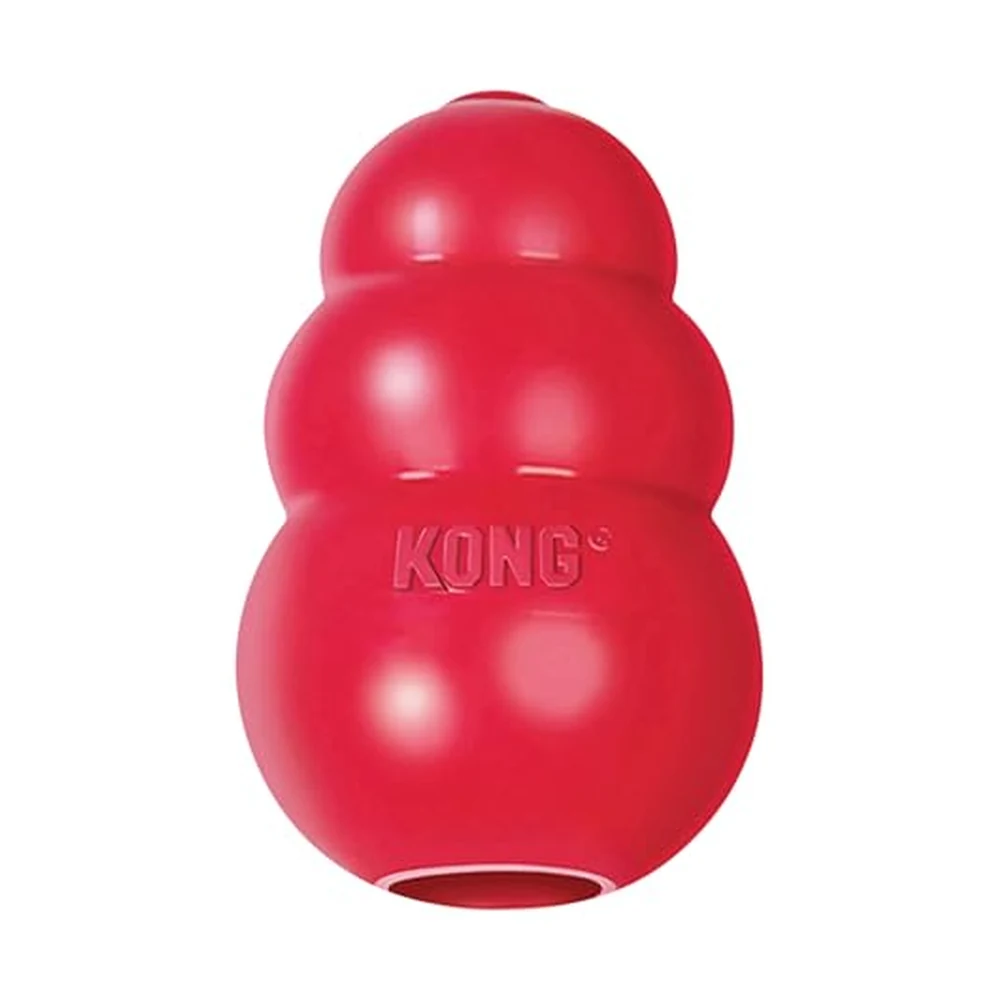
A stuffable chew that survives the teething stage — freeze it filled and it occupies a puppy for a genuinely long time
- Size
- Not stated
- Material
- Natural rubber
- Skip if
- You want a toy that cleans easily. Owners note treats can get stuck in the ends.
The variant we link: Red
$13.99 4.4 out of 5 stars · 2,964 ratings
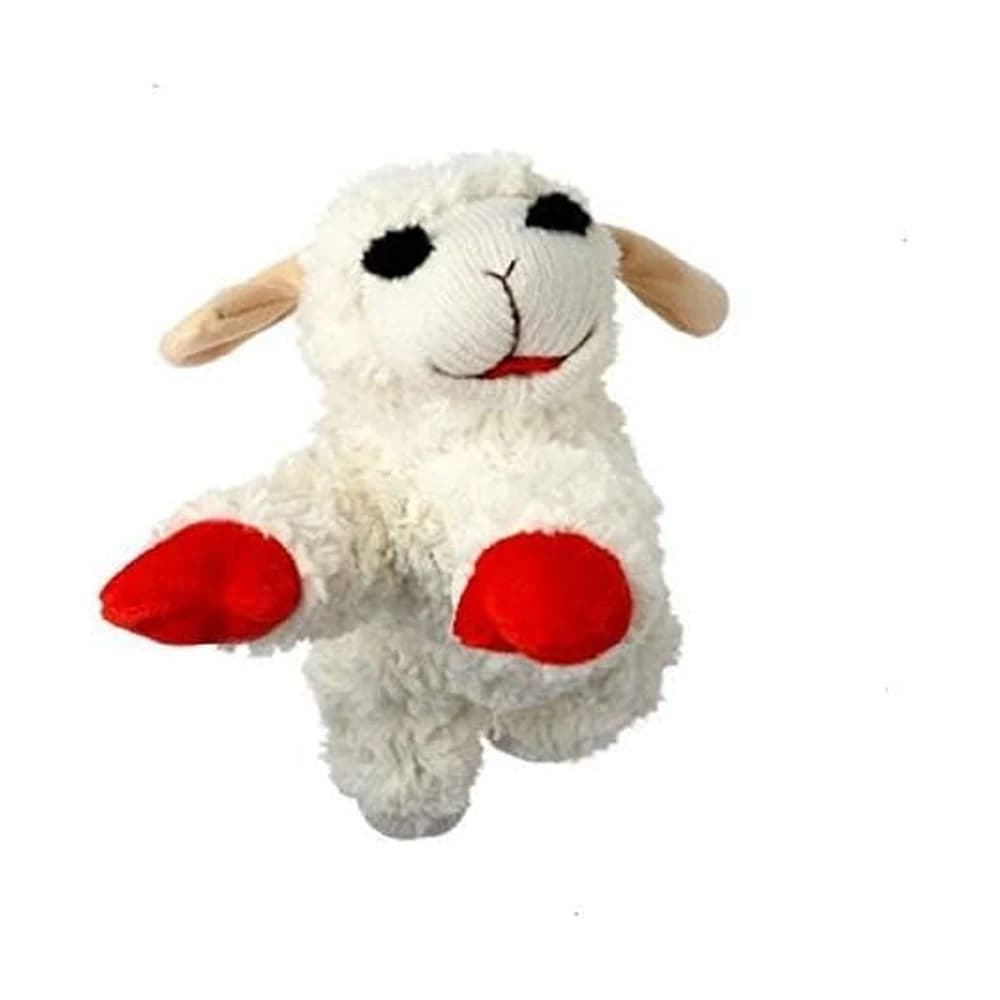
The comfort toy — the soft thing a new puppy sleeps against in the first anxious weeks away from the litter
- Size
- 10 inches (multiple sizes available)
- Material
- Soft plush with internal squeaker
- Skip if
- You want durability. This is a cuddle toy and owners report it falling apart with real chewing.
The variant we link: White · 10"
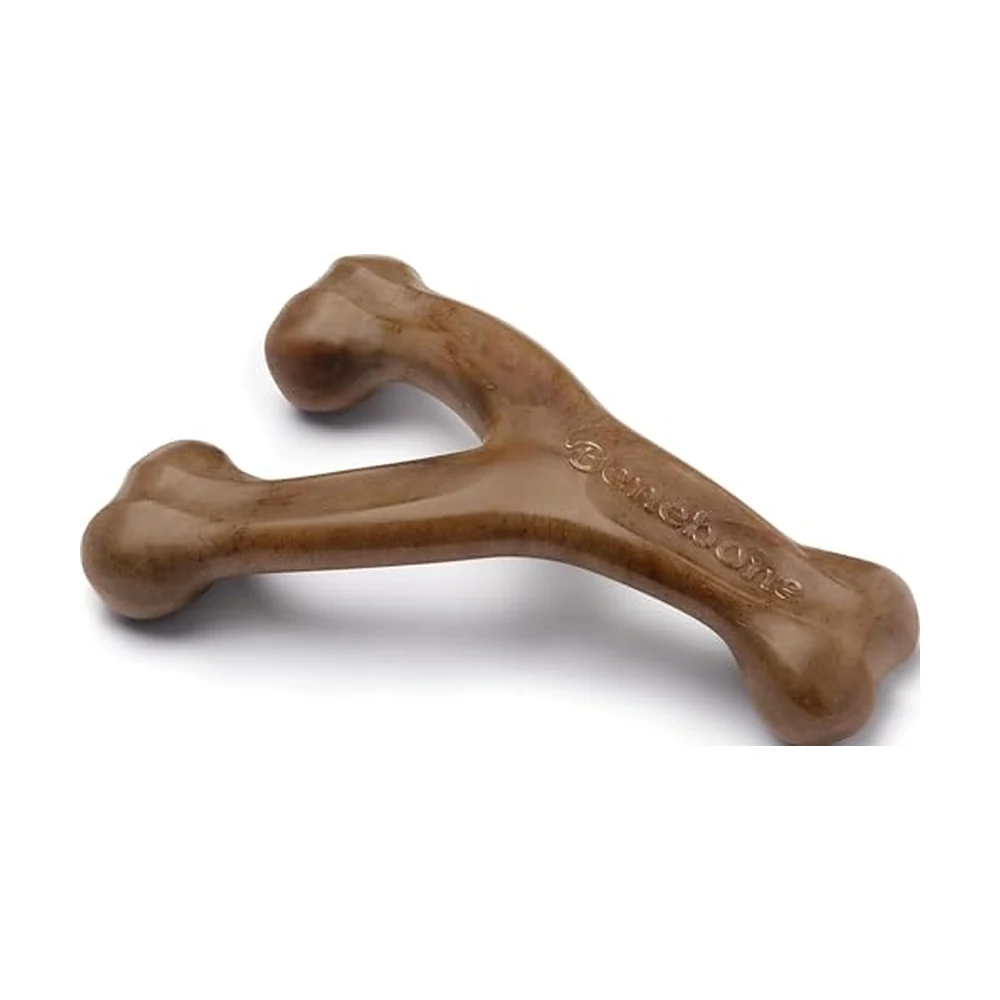
The teething months specifically — soft nylon made for baby teeth, and it goes in the freezer for sore gums
- Size
- Not stated
- Material
- Nylon
- Skip if
- Your puppy already has adult teeth or chews hard. Nylabone says this one is not for powerful chewers.
The variant we link: Medium
Each pick below carries its own specs, and the tags mark the best of these picks on that point. Specs come from manufacturer listings; ratings are the Amazon aggregate rating and count, refreshed periodically — we don't test products.
How winners are decided: ✓ marks the lowest price, the highest owner rating, the largest stated weight capacity and the longest warranty. Rows where more is not better — size, dimensions, weight, material — and the editorial rows get no ✓ at all. A blank is unknown, never a loss, and a row needs at least two known, differing values before anything can win. How the best-of-these tags are decided: the lowest price, the highest owner rating, the largest stated weight capacity and the longest warranty. Points where more is not better — size, dimensions, weight, material — and the editorial notes carry no tag at all. A blank is unknown, never a loss, and a point needs at least two known, differing values before anything can lead. As an Amazon Associate we earn from qualifying purchases. Specs are the manufacturer's claims and owner-reported data — we research and analyse; we don't test products on dogs.
Why teething & chew toys matter at this stage
Puppy teething runs from roughly three to seven months, and it is the single most reliable cause of destroyed furniture in a dog's life. Twenty-eight deciduous teeth come out; forty-two adult teeth push through. Gums are genuinely sore, and the relief a puppy is looking for is pressure — which is why a teething puppy will pick a chair leg over a squeaky ball if the chair leg is what is available.
The practical job is redirection, not prevention. You cannot stop the chewing, so you make sure the best available thing to chew is something you chose. That means several textures within reach at all times, and it means soft ones. This is the one stage where a harder toy is worse: nylon and rubber built for adult power chewers can crack baby teeth, and most manufacturers say so on the label — Nylabone's puppy chew is explicitly "not intended for powerful puppies or puppies with adult teeth."
Two tricks worth knowing. Freezing a rubber or fabric toy turns it into a cold compress, and puppies go for it. And every one of these toys is a supervised toy — pieces that come off are a hazard, and no chew toy is indestructible. Once the adult teeth are in, the whole category changes and you move up to heavy chewer toys.
What owners keep saying
Cold is the thing owners say actually helps a teething puppy, and it comes up in thread after thread: frozen rope toys and washcloths, freezable rubber teethers, frozen carrots, and a hollow rubber toy stuffed with soaked kibble or wet food and frozen solid. A stuffable bone or Kong-style toy is valued less as a chew than as a way to make a meal last, and owners note that packing it too loosely empties it in a minute while freezing it stretches the same food into a long settle. Rotating several toys of different hardness is a repeated tip, because puppies want soft one hour and hard the next. The recurring warning concerns plush: squeakers and stuffing get dissected and swallowed, several owners describe removing squeakers or restricting plush to supervised play, and the general rule people land on is that no soft toy is a leave-alone toy.
we read 74 threads across r/puppy101, r/dogs, r/DogAdvice
Paraphrased from public discussion, never quoted and never counted into a statistic we did not measure. Owners are not a controlled study — they are the only long-term use data anybody has.
What we didn’t pick
Things that look like they belong on this shelf and are not on it, with the reason.
Antlers, hooves and real bones
A veterinary dentist's rule of thumb is that if you cannot bend or flex the object it is more likely to fracture a tooth, and those three are the items named most often as culprits. Nothing on this shelf is harder than the maker intends a puppy to chew.
Toys sold as indestructible for a puppy
Indestructible describes the toy's survival, not the dog's teeth, and it is exactly the hardness claim above. A puppy's job is to have something they CAN destroy safely under supervision.
Rope tugs
They belong on a shelf about supervised play, not on a shelf about what a puppy chews on their own. We would rather leave the category out than rank a play item as a chew item.
How to choose a teething toy
Softer than you think, more of them than you think, and every one of them supervised.
Softness matched to baby teeth
Toys built for adult power chewers can damage deciduous teeth. Look for products the manufacturer specifically labels for puppies or gentle chewers.
Freezer-friendly
Cold is the actual relief. A toy you can chill — rubber or damp fabric — does more for sore gums than any flavour.
Texture variety, not one perfect toy
Puppies rotate. Having a rubber chew, a fabric toy and a stuffable within reach makes the furniture the fourth choice rather than the first.
Nothing that sheds parts
Squeakers, plastic eyes and shredded stuffing are the swallow risk in this category. Inspect toys weekly and retire them early.
Supervision is part of the product
Every manufacturer here says it in some form: no toy is indestructible, and none of these are safe to leave with an unsupervised puppy.
Common questions
- When does puppy teething stop?
- For most dogs the adult teeth are in by around six to seven months, and the intense chewing eases after that. It does not stop entirely — chewing is normal adult behaviour too — but the desperate, everything-in-reach phase is a teething phase and it does end.
- Can I give a teething puppy ice cubes?
- Many owners do, and dogs like them, but a hard ice cube carries the same crack risk as a hard toy for baby teeth and it is worth asking your vet what they prefer. A frozen soft rubber toy or a wet frozen washcloth gives you the cold without the hardness.
- Is my puppy biting me because they are teething?
- Partly. Mouthing is how puppies explore and play, and sore gums make it worse. The fix is redirection onto a chew every single time plus ending play when teeth touch skin — not punishment, which teaches a puppy that hands are unpredictable.
Gear
Pairs with
Shelves that go with teething & chew toys — hand-picked adjacencies, not "customers also bought".
$13.96 4.6 out of 5 stars · 91,774
Chewing burns the mouth; a puzzle burns the head. The pair is what actually empties a puppy.
$19.43 4.5 out of 5 stars · 107,592
Teething toys are deliberately soft. The adult teeth that arrive at six months go straight through them.
$27.52 4.6 out of 5 stars · 5,974
What a dog chews is half of its dental care, and the other half is what you brush.