The best everyday harnesses, compared.
A harness moves the force off the neck and onto the chest. For a dog strong enough to pull, that is a health decision, not a comfort one.
Amazon links earn us a commission; it doesn’t change what we recommend.
Start here
Which one is right for you?
Three different dogs, three different answers. Each one names what it is good at and what it costs you.
A hard puller you need to manage while the training happens
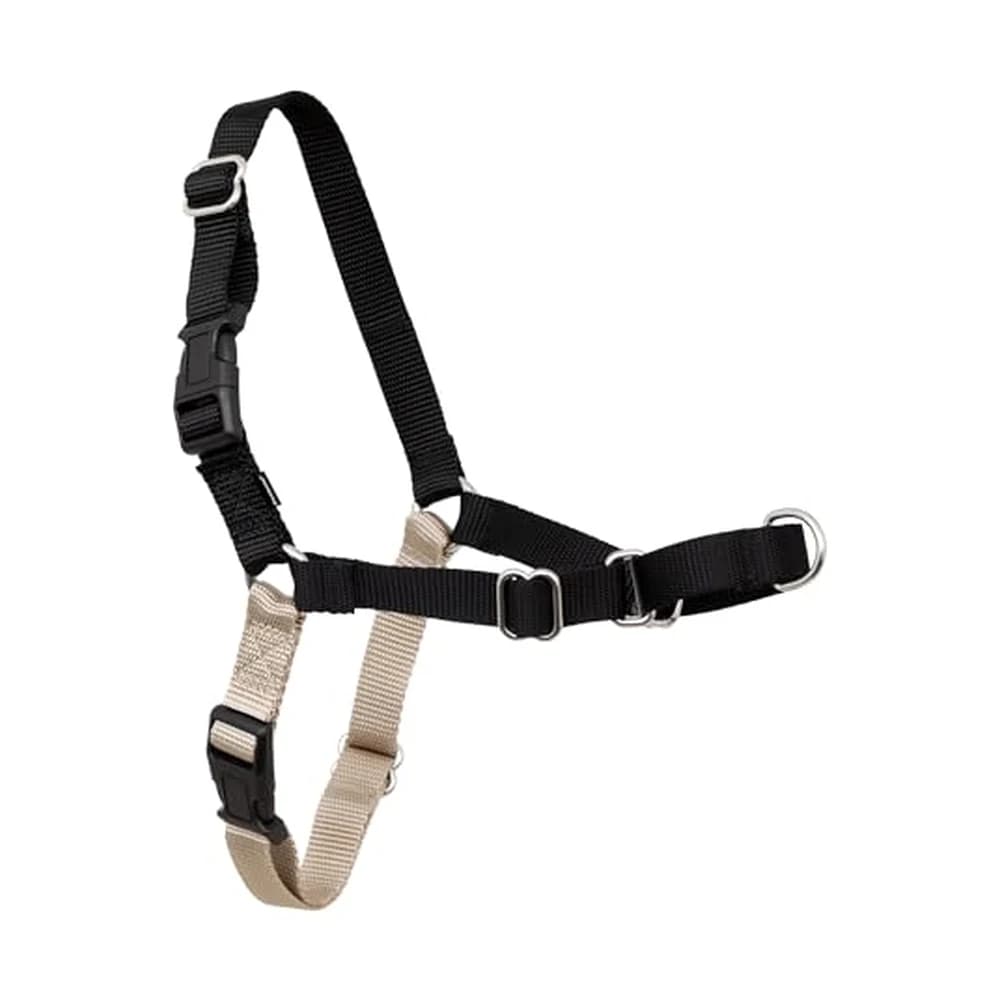
Front-clip steering, and the most common complaint in owner threads is armpit rubbing traced to a strap sitting too far forward or the wrong size. Measure, and check the clearance behind the front legs.
Our pick for this: PetSafe Easy Walk Harness · $22.99
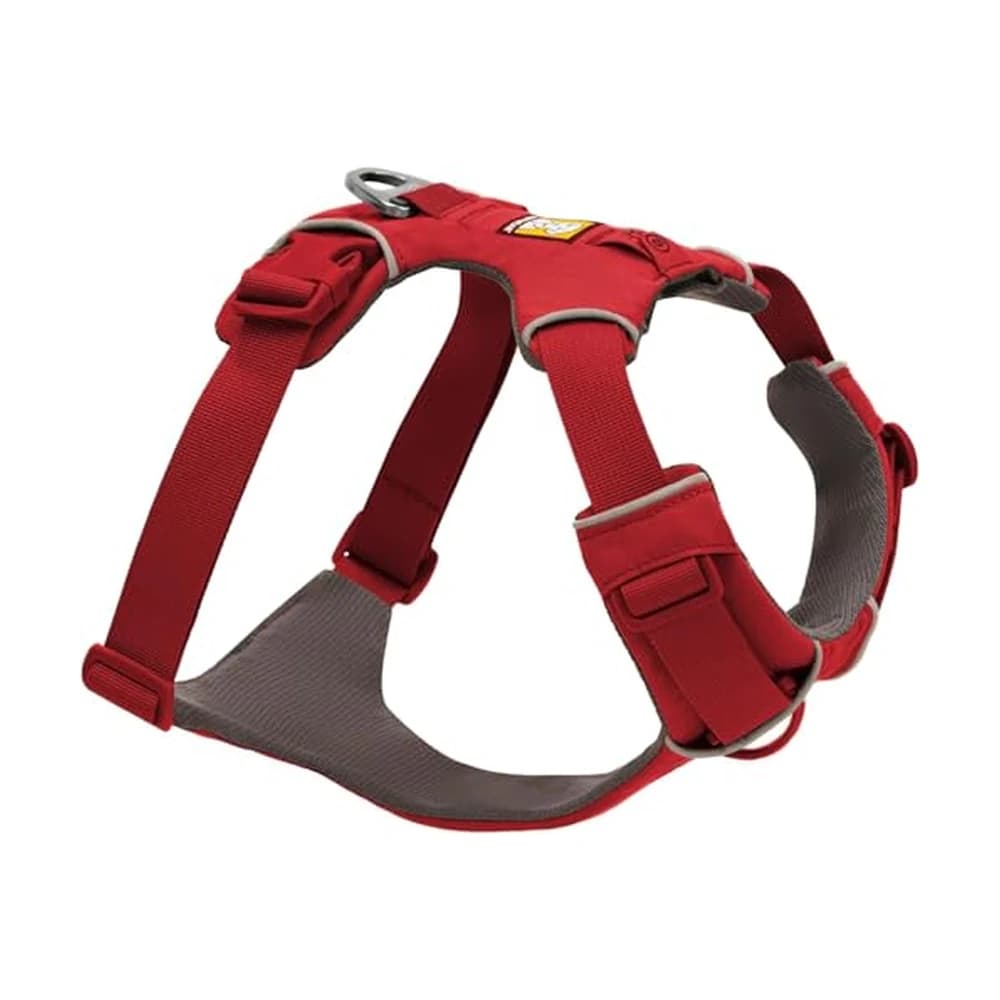
All-day wear on a dog who is out in the weather
The padded fit and build quality are what owners consistently praise, and the price is what they consistently complain about.
Our pick for this: Ruffwear Front Range Harness · $59.99
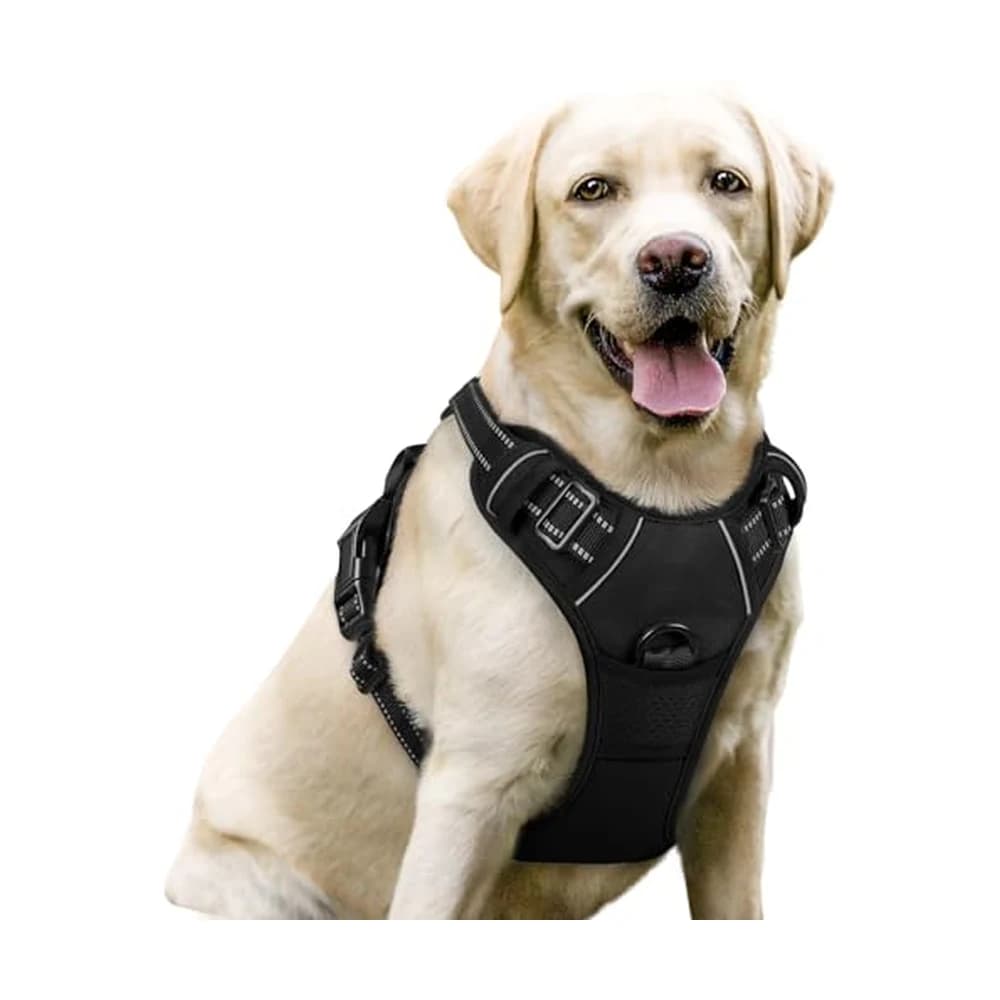
You want the cheapest harness that actually fits
The one people keep re-buying. Expect fiddly first-time adjustment and a snug neck opening.
Our pick for this: rabbitgoo No-Pull Harness · $15.98
If none of these is your dog: nothing on this shelf is the right answer for every household, and we would rather you bought nothing than the wrong thing. Start from the stage your dog is actually in, or browse the other shelves.
Filter picks6 of 6
Showing 6 of 6 picks — no filters applied
Showing 6 of 6 picks — no filters applied
The picks, feature by feature
The everyday harness you buy once — two leash points, foam-padded panels and four adjustment points, from XXS to XL
- Material
- Not stated
- Skip if
- You need the cheapest option, or your dog only ever wears a harness for a five-minute street walk.
The variant we link: Red Canyon · Small
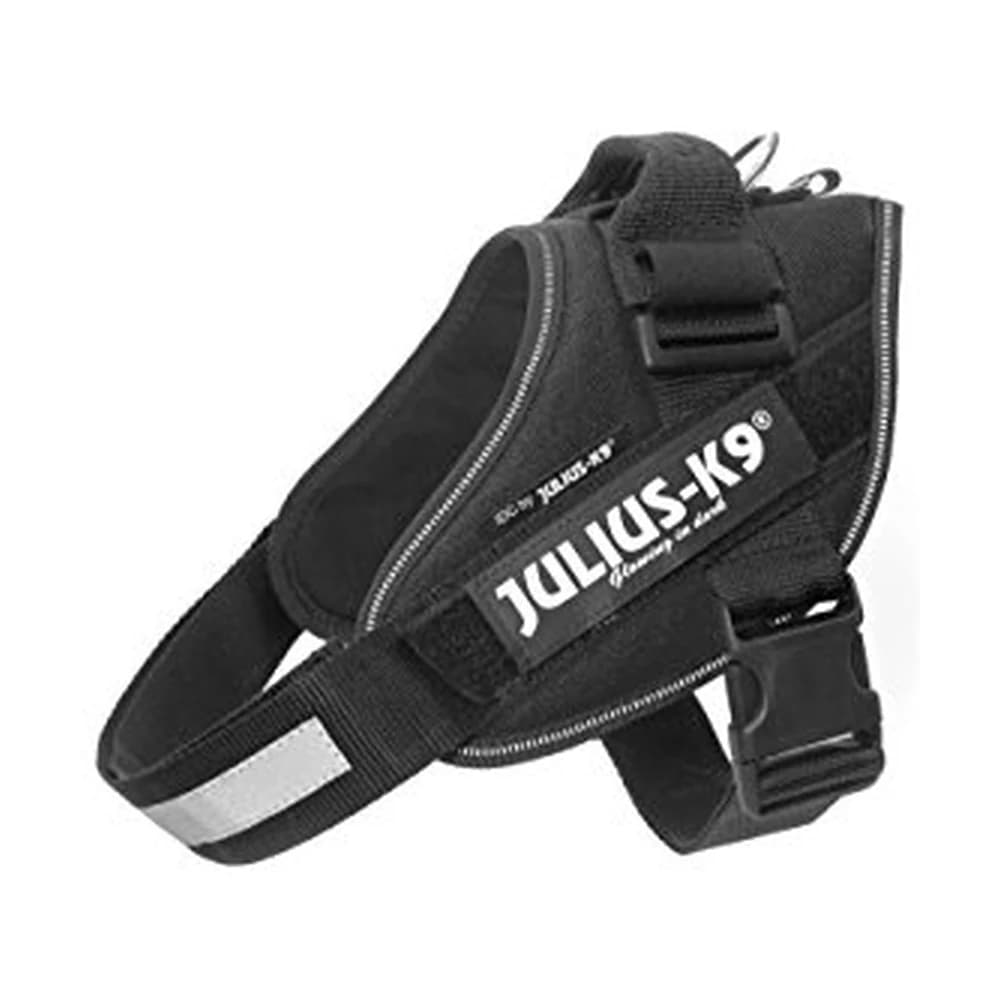
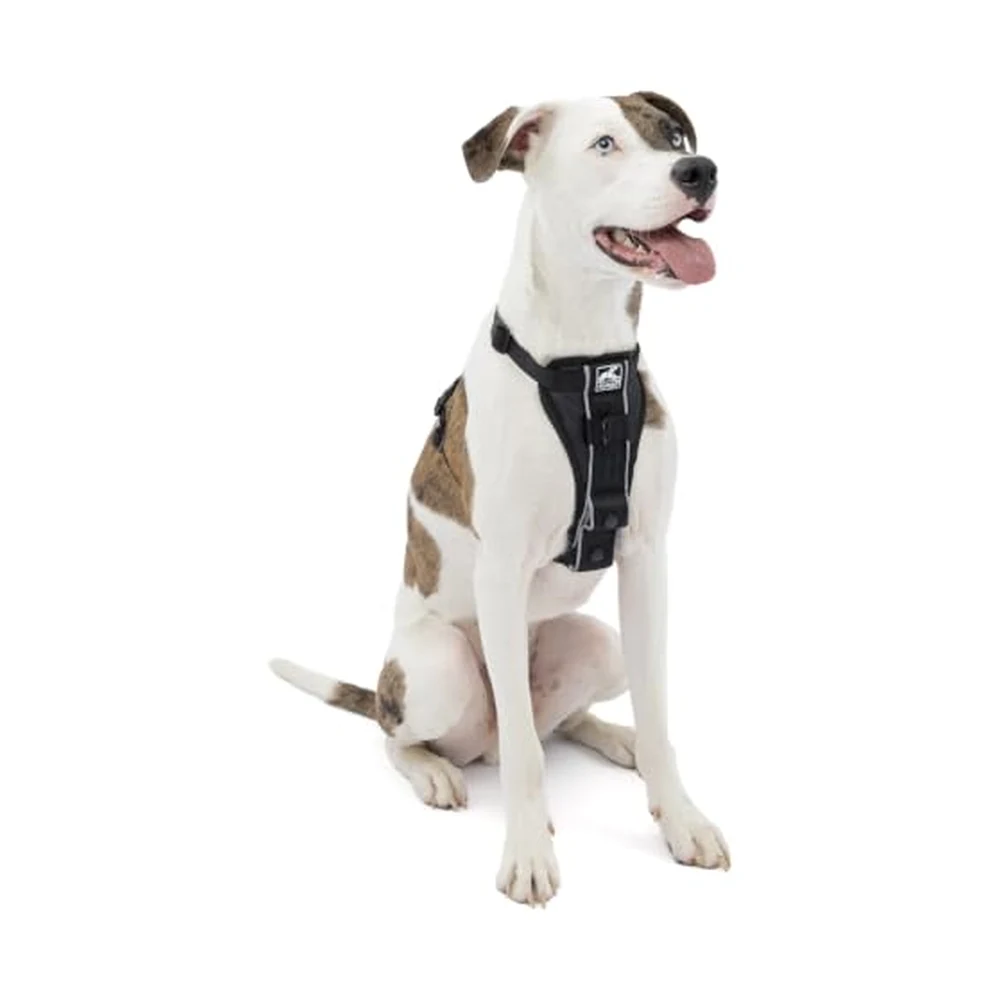
A strong adult dog and a handler who wants a grab handle — a rigid-backed harness with reflective edges and a top D-ring
- Material
- Outer textured nylon, inner lining
- Skip if
- Your dog pulls hard. This is a back-clip harness, which gives a puller leverage rather than taking it away.
The variant we link: Black
Two leash clips and a top handle at a budget price — the sensible first harness for an adolescent who has started pulling
- Material
- Not stated
- Skip if
- You want the harness to last for years. Durability is the recurring owner complaint.
$22.99 4.3 out of 5 stars · 48,509 ratings
A dog who pulls hard right now — the martingale chest loop tightens gently as they pull and releases when they stop
- Material
- Not stated
- Skip if
- You want a harness for hiking or off-lead-adjacent activity. This is a front-clip training harness with no back ring.
The variant we link: Large · Black · Silver
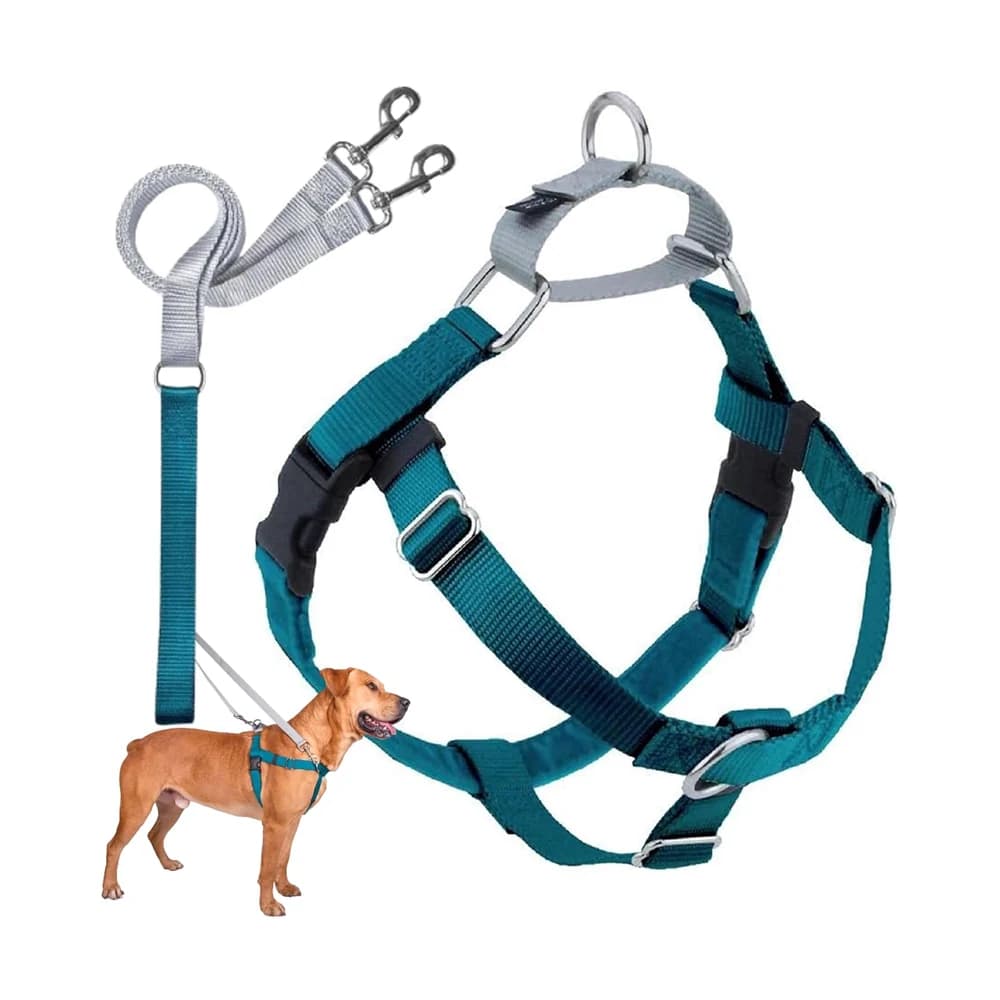
2 Hounds Design Freedom No-Pull Harness
$45.96 4.3 out of 5 stars · 13,345 ratings
A strong puller you want to redirect rather than restrain — a martingale loop across the back that tightens gently, plus a front ring to steer from
- Material
- Not stated
- Skip if
- Your budget tops out well below this. The rabbitgoo gives you the same two clip points for a fraction of the price, with plastic hardware and a shorter life.
The variant we link: 1" · Teal
$24.95 4.3 out of 5 stars · 7,822 ratings
The dog who walks and rides — a five-point walking harness with a seatbelt tether included in the box
- Material
- Padded nylon with steel nesting buckle
- Skip if
- You need a crash-tested car restraint. The tether is a connector, not a tested safety system.
The variant we link: Black · Medium
Each pick below carries its own specs, and the tags mark the best of these picks on that point. Specs come from manufacturer listings; ratings are the Amazon aggregate rating and count, refreshed periodically — we don't test products.
How winners are decided: ✓ marks the lowest price, the highest owner rating, the largest stated weight capacity and the longest warranty. Rows where more is not better — size, dimensions, weight, material — and the editorial rows get no ✓ at all. A blank is unknown, never a loss, and a row needs at least two known, differing values before anything can win. How the best-of-these tags are decided: the lowest price, the highest owner rating, the largest stated weight capacity and the longest warranty. Points where more is not better — size, dimensions, weight, material — and the editorial notes carry no tag at all. A blank is unknown, never a loss, and a point needs at least two known, differing values before anything can lead. As an Amazon Associate we earn from qualifying purchases. Specs are the manufacturer's claims and owner-reported data — we research and analyse; we don't test products on dogs.
Why everyday harnesses matter at this stage
Somewhere in adolescence a dog becomes strong enough that pulling stops being cute. Force on a flat collar concentrates on the throat, and for a dog who lunges at every squirrel that is worth avoiding on its own terms — more so for flat-faced breeds and for any dog with a collapsing trachea or a neck problem. A harness spreads the same force across the chest.
The useful distinction is where the leash clips. A back clip is comfortable and gives you very little steering — it is right for a dog who already walks nicely. A front clip attaches at the chest, so a dog pulling forward turns themselves gently sideways instead of gaining ground. That is not a training method by itself, but it makes loose-leash training possible by removing the reward for pulling while you teach the alternative.
Fit is what decides whether any of this works. Straps should sit clear of the armpits, you should be able to slide two fingers under any strap, and a harness that rides up into the throat is the wrong size or the wrong shape for that dog. Re-check the fit after any weight change.
Into the senior years the priorities shift again: padded chest panels, a top handle to steady a dog on a slippery floor or into a car, and something you can put on without asking an arthritic shoulder to lift high.
The thing most owners don’t know
One surprising thing about everyday harnesses
The AVMA's walking guidance notes that some dogs have airway, neck or other conditions that require the use of a harness instead of a collar — for those dogs a harness is a medical need, not a preference.
Source: Walking or running with your dog - American Veterinary Medical Association
What owners keep saying
Owners consistently describe harness choice as a fitting problem, not a brand problem: the same model that solves one dog's pulling digs into another dog's armpits. Threads about the PetSafe Easy Walk return again and again to armpit rubbing and raw skin, usually traced to a strap sitting too far forward, a wrong size, or a dog that still pulls hard against it. The Ruffwear Front Range is praised for build quality and the padded fit, and criticised for price and for a chest strap some owners say slides out of position instead of discouraging pulling; rabbitgoo comes up as the cheap Amazon option people keep re-buying, with fiddly first-time adjustment and a snug neck opening as the common gripes, and Julius-K9 as the durable, easy-on choice whose non-adjustable chest panel suits some chests and not others. The recurring mistake is buying online by weight class rather than measuring the dog and checking clearance behind the front legs, and adding a coat or jacket underneath, which tightens the fit enough to cause sores.
we read 45 threads across r/dogs, r/reactivedogs, r/Dogtraining, r/RunningWithDogs, r/puppy101, r/DogAdvice
Paraphrased from public discussion, never quoted and never counted into a statistic we did not measure. Owners are not a controlled study — they are the only long-term use data anybody has.
What we didn’t pick
Things that look like they belong on this shelf and are not on it, with the reason.
Prong, choke and slip collars as a pulling fix
Same reason as the training shelf: the AVSAB position statement recommends only reward-based methods. A front-clip harness is management while the training happens, and we frame it that way rather than as a correction.
Buying by the weight class on the box
The single most repeated mistake in the threads we read was ordering by weight rather than measuring the dog and checking clearance behind the front legs. It is also the usual cause of the armpit rubbing people blame on a brand.
Wearing a harness over a coat
Owners describe sores that trace back to a jacket underneath tightening the fit. It is a fitting problem, not a product problem, and no harness on this shelf fixes it.
How to choose an everyday harness
Clip position decides the behaviour; fit decides whether any of it works.
Front clip if the dog pulls
A chest attachment turns a pulling dog gently back toward you instead of letting them gain ground. A back clip on a puller just gives them a sled harness.
Two leash points is the flexible answer
Harnesses with both a chest and a back attachment let you use the front for training walks and the back for calm ones, without owning two harnesses.
Straps clear of the armpits
The most common fit failure is a chest strap rubbing the armpit raw on long walks. Check after the first hour-long walk, not just in the shop.
Two fingers under every strap
Loose enough to breathe and move, tight enough that a spooked dog cannot back out of it. Recheck after weight changes and coat changes.
A handle if you have a senior or a big dog
A top handle steadies a wobbly dog on a slick floor, helps into a car, and gives you a grab point in an emergency.
Common questions
- Do no-pull harnesses actually stop pulling?
- They reduce the reward for it, which is what makes training possible — they are not a cure on their own. A front clip means forward pulling turns the dog sideways instead of gaining ground; you still have to teach and pay for a loose leash. Expect equipment plus training, not equipment instead of it.
- Harness or collar for walking?
- Collar for ID, harness for walking, is the common recommendation for any dog strong enough to pull. It moves force off the throat and onto the chest, which matters most for flat-faced breeds, small dogs with fragile tracheas, and enthusiastic lungers of any size.
- How should a harness fit?
- Two fingers should slide under any strap. Nothing should sit in the armpit, nothing should ride up into the throat, and the dog should not be able to back out of it when they pull away from you. Re-check the fit after a growth spurt, a weight change, or a coat clip.
Gear
Pairs with
Shelves that go with everyday harnesses — hand-picked adjacencies, not "customers also bought".
$14.94 4.6 out of 5 stars · 18,587
A front-clip harness buys you leverage, not manners. The manners come from the reward timing.
$55.30 4.2 out of 5 stars · 4,925
A tracker is a collar attachment — what it clips to decides whether it is ever actually worn.
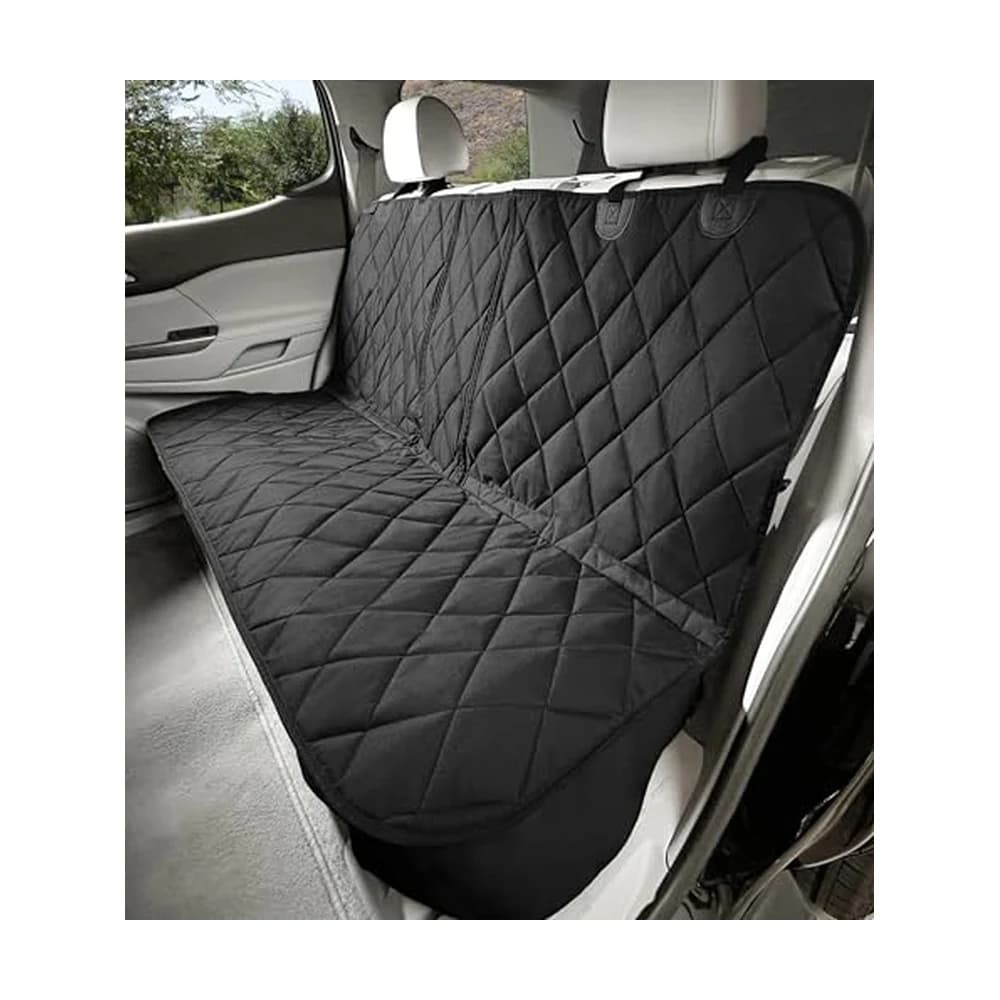
4Knines Rear Seat Cover (fold-down)
$99.99 4.7 out of 5 stars · 2,157
A walking harness is not a car restraint. Confusing the two is the most common mistake on this axis.