Food toppers for an older dog who has gone off their dinner
This is a shelf of food toppers, not a senior diet. Whether an older dog should change what they eat is a question for your vet — appetite, muscle and medical need all move at once, and they move in different directions for different dogs.
Amazon links earn us a commission; it doesn’t change what we recommend.
Start here
Which one is right for you?
Three different dogs, three different answers. Each one names what it is good at and what it costs you.
An older dog who has gone off their dinner
A topper makes a bowl more appealing. Why the bowl stopped being appealing is a vet question first — dental pain, nausea and kidney disease all look like fussiness.
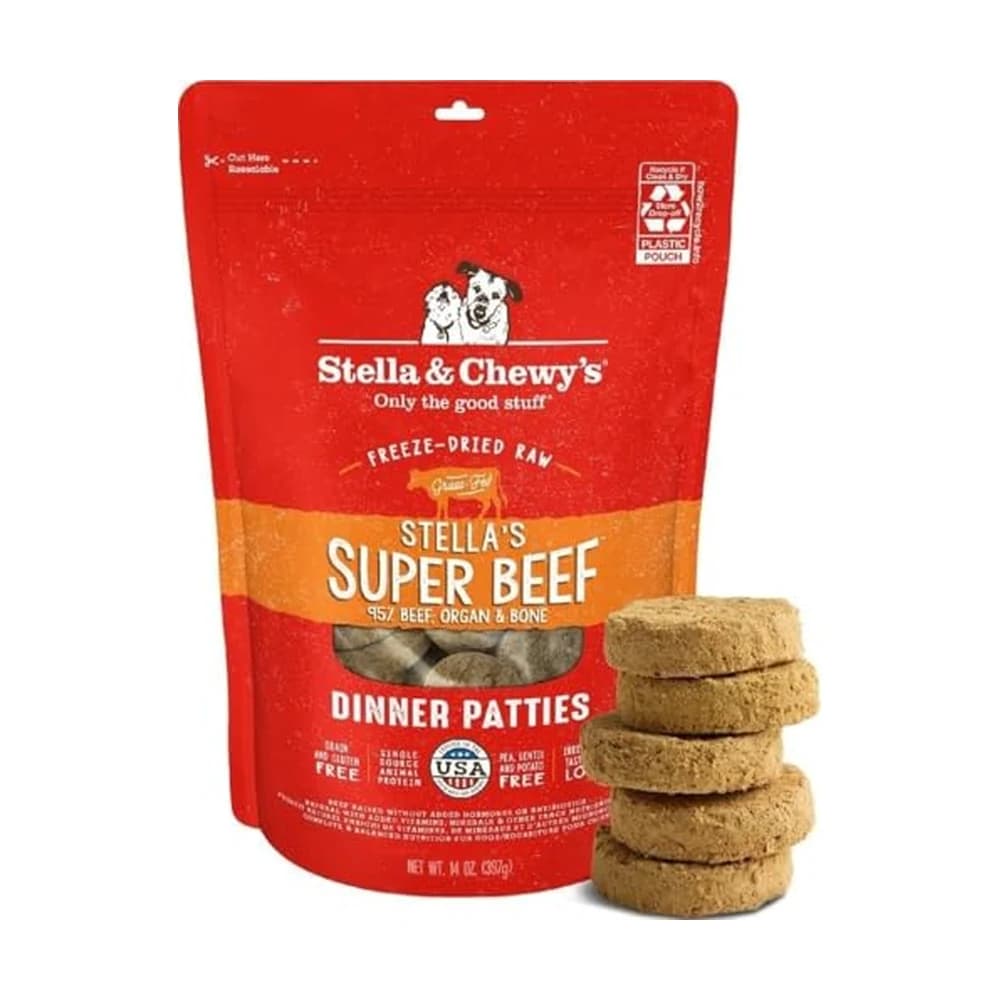
Our pick for this: Stella & Chewy's Raw Patties · $39.97
You want smaller portions to rotate through the week
Nuggets portion more easily than patties. Neither of these is a complete diet and neither is presented as one.
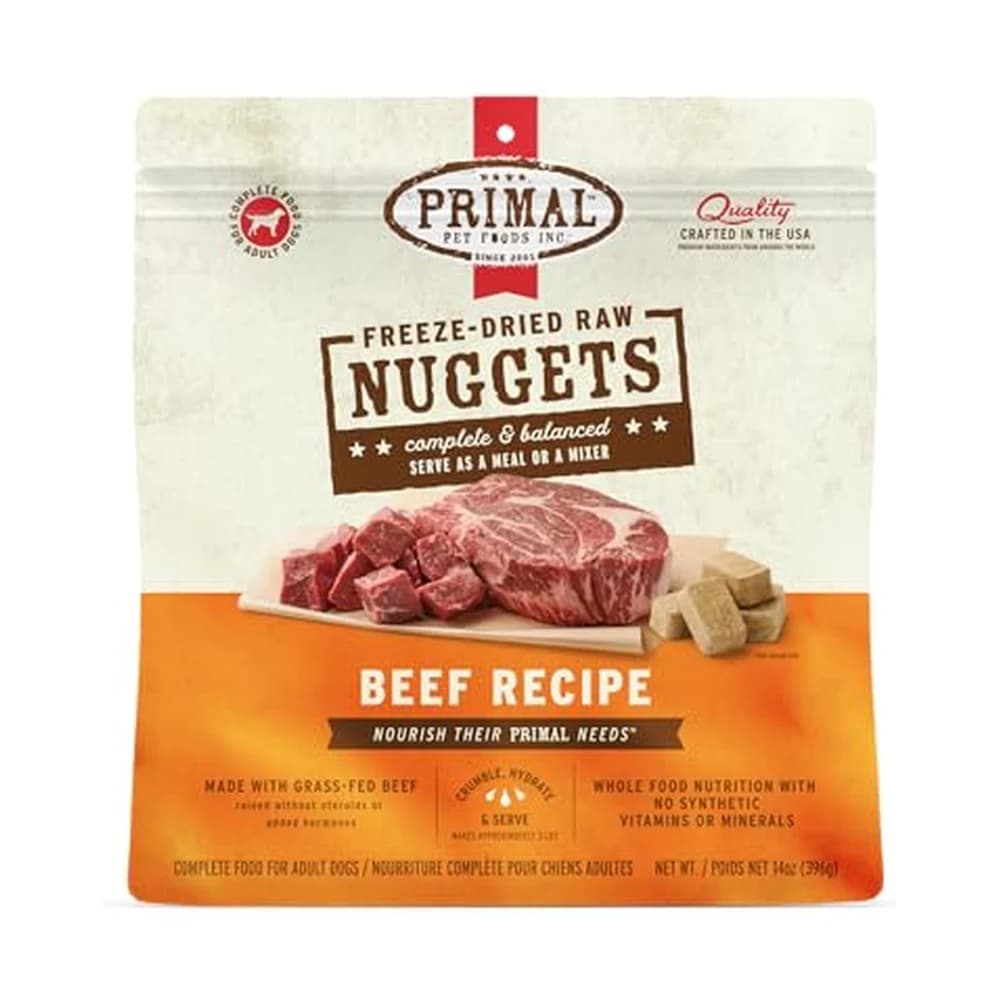
Our pick for this: Primal Freeze-Dried Nuggets · $37.98
If none of these is your dog: nothing on this shelf is the right answer for every household, and we would rather you bought nothing than the wrong thing. Start from the stage your dog is actually in, or browse the other shelves.
Filter picks2 of 2
Showing 2 of 2 picks — no filters applied
Showing 2 of 2 picks — no filters applied
The food toppers, feature by feature
An old dog who has gone off their dinner — crumble a patty over kibble as an aromatic topper, or rehydrate it as a soft meal
- Skip if
- Your dog has a condition needing controlled protein or phosphorus. That is a prescription diet conversation.
The variant we link: 32 Count
A smaller, cheaper way into the same idea — nuggets you can rehydrate with warm water or broth over an old dog's usual food
- Skip if
- Your dog needs a therapeutic diet, or you cannot rehydrate before serving. Owners describe the nuggets as very hard dry.
The variant we link: 14 oz
Each pick below carries its own specs, and the tags mark the best of these picks on that point. Specs come from manufacturer listings; ratings are the Amazon aggregate rating and count, refreshed periodically — we don't test products.
How winners are decided: ✓ marks the lowest price, the highest owner rating, the largest stated weight capacity and the longest warranty. Rows where more is not better — size, dimensions, weight, material — and the editorial rows get no ✓ at all. A blank is unknown, never a loss, and a row needs at least two known, differing values before anything can win. How the best-of-these tags are decided: the lowest price, the highest owner rating, the largest stated weight capacity and the longest warranty. Points where more is not better — size, dimensions, weight, material — and the editorial notes carry no tag at all. A blank is unknown, never a loss, and a point needs at least two known, differing values before anything can lead. As an Amazon Associate we earn from qualifying purchases. Specs are the manufacturer's claims and owner-reported data — we research and analyse; we don't test products on dogs.
Why senior food toppers matter at this stage
Start with suitability, because it decides everything else. An older dog's diet has to suit that dog: their kidneys, their teeth, their weight, their medication. Two fourteen-year-olds can need opposite things — one more protein to hold muscle, one controlled phosphorus and protein under a prescribed therapeutic diet. There is no shelf answer to that, and this page does not pretend to have one. Ask your vet before you change an older dog's food, and ask them again before you add anything to it.
Then nutritional completeness. "Senior" is not a defined nutritional life stage: AAFCO recognises growth and reproduction, and adult maintenance. A bag labelled senior guarantees nothing on its own, and the two products on this shelf are not senior diets at all. They are freeze-dried raw foods sold both as complete meals and as toppers, and we carry them for one narrow job — making dinner smell like something worth eating to a dog whose sense of smell has dulled and whose teeth hurt. Used as a topper they are an addition to a complete diet, not a replacement for one, and adding a meaningful share of an old dog's calories from an unbalanced source is its own risk.
There is a raw-feeding risk to state plainly, because freeze-drying does not remove it. The WSAVA Global Nutrition Committee's raw meat-based diets toolkit states that freezing, dehydration or freeze-drying do not kill all bacteria in food. Raw meat can carry Salmonella, Listeria, E. coli and others; people in the household can be infected by handling the food or the dog's stools, and the risk is higher for small children, pregnant people, older adults and anyone immunocompromised. If that describes someone you live with, or if your dog is on medication that suppresses their immune system, this shelf is not for you and your vet will say so.
We do not carry a senior kibble, and we are not going to name one as best. The pool we build from has none we can stand behind, and naming one as the best is not a claim anyone can honestly make about a category where the right answer is a medical question. What we can honestly help with is the dog who has stopped eating — and the first move there is a phone call to the vet, not a purchase. Weight loss in an older dog is never simply age.
The thing most owners don’t know
One surprising thing about senior food toppers
A 2025 Frontiers in Veterinary Science analysis notes that AAFCO does not specify nutrient requirements for senior diets — no standardised senior profile exists, so what “senior” means nutritionally is decided by each manufacturer, and the study found the differences between a brand's adult and senior bags inconsistent.
What owners keep saying
When an older dog turns away from dinner, owners report that warming the meal, adding water or broth, and crumbling something strongly aromatic over the top is what gets them eating again, and freeze-dried raw crumbles are a common pick because they store easily and smell far stronger than kibble. The recurring caution is portion discipline: owners remind each other that toppers and treats together are meant to stay a small share of daily calories so the base diet stays balanced, and that piling on richer and richer garnish tends to produce a dog that holds out for the next new thing. Others report gas or loose stool after switching to a rich raw topper and suggest introducing it slowly and in a small amount. Most importantly, threads about a senior who has genuinely gone off food do not stay about food for long: owners point to painful teeth, nausea, and other underlying illness, and urge a vet visit rather than working through toppers on their own.
we read 71 threads across r/seniordogs, r/DogFood, r/DogAdvice
Paraphrased from public discussion, never quoted and never counted into a statistic we did not measure. Owners are not a controlled study — they are the only long-term use data anybody has.
What we didn’t pick
Things that look like they belong on this shelf and are not on it, with the reason.
Switching to a senior bag because of the dog's age
A 2025 analysis found that AAFCO specifies no nutrient requirements for senior diets, so each manufacturer decides what senior means and the differences between a brand's adult and senior bags are inconsistent. Age alone is not a reason to change food.
Complete raw diets
This shelf carries toppers, and it says so in its name. Whether an older dog should change what they eat is a veterinary question, and a complete diet is the part of it we are least equipped to rank.
Treating appetite loss as a shopping problem
An older dog going off their dinner can be dental pain, kidney disease, nausea or a dozen other things. A topper makes a bowl more appealing; it does not answer why the bowl stopped being appealing.
How to choose a topper for an older dog
Ask your vet first, solve the medical question before the palatability one, and treat a topper as an addition to a complete diet.
Your vet leads, and goes first
Appetite loss in an old dog can be dental pain, nausea, kidney disease or a dozen other things worth catching early. Kidney, heart and liver conditions also change dietary needs in opposite directions. Nothing on this page substitutes for that conversation.
A topper is an addition, not a diet
These are sold as complete meals and as toppers. Used as a topper they sit on top of a complete, balanced food — and if they start supplying a large share of the calories, the balance of the whole diet has changed and that is a question for your vet.
Freeze-dried is not the same as pathogen-free
WSAVA's raw meat-based diets toolkit states that freezing, dehydration and freeze-drying do not kill all bacteria in food. Handle it as raw meat: wash hands and bowls, and think hard if anyone in the house is immunocompromised.
Aroma and texture, not a new bag
Dulled smell and sore teeth are the usual reasons an older dog goes off food. Warming it, moistening it, or crumbling something aromatic over it often fixes what changing formula will not.
Watch the weight, weekly
Weight loss in an older dog is never simply ageing, and losing weight on a normal appetite in particular needs investigating promptly. Weigh the food rather than eyeballing it, and weigh the dog.
Common questions
- Is this a senior dog food shelf?
- No, and we would rather say so than pad it out. These are two freeze-dried raw products carried for one job: making dinner appealing to an older dog who has gone off it. We do not currently carry a senior-formulated complete food and we do not name a best food for older dogs — "senior" is not a regulated nutritional life stage, and what an individual old dog should eat is a question for their vet.
- My old dog has stopped eating. What do I do?
- Call your vet, and do that before you buy anything. Appetite loss in an older dog can be dental pain, nausea, kidney disease or a dozen other things worth catching early. Once medical causes have been addressed, warming the food, adding water or broth, and using an aromatic topper are the usual practical fixes.
- Is freeze-dried raw food safe for an old dog?
- Freeze-drying does not make raw meat sterile. The WSAVA Global Nutrition Committee's raw meat-based diets toolkit states that freezing, dehydration and freeze-drying do not kill all bacteria in food, and that people in the household can be infected by handling the food or the dog's stools — with higher risk for small children, pregnant people, older adults and anyone immunocompromised. Talk to your vet before feeding raw or freeze-dried raw to an older or immunosuppressed dog.
- Do older dogs need less protein?
- Healthy older dogs generally do not, and the old blanket advice has been substantially revised — adequate high-quality protein helps counter age-related muscle loss. Dogs with certain kidney conditions are a different case and may need a prescribed therapeutic diet. This is exactly the question to put to your vet about your own dog.
Gear
Pairs with
Shelves that go with senior food toppers — hand-picked adjacencies, not "customers also bought".
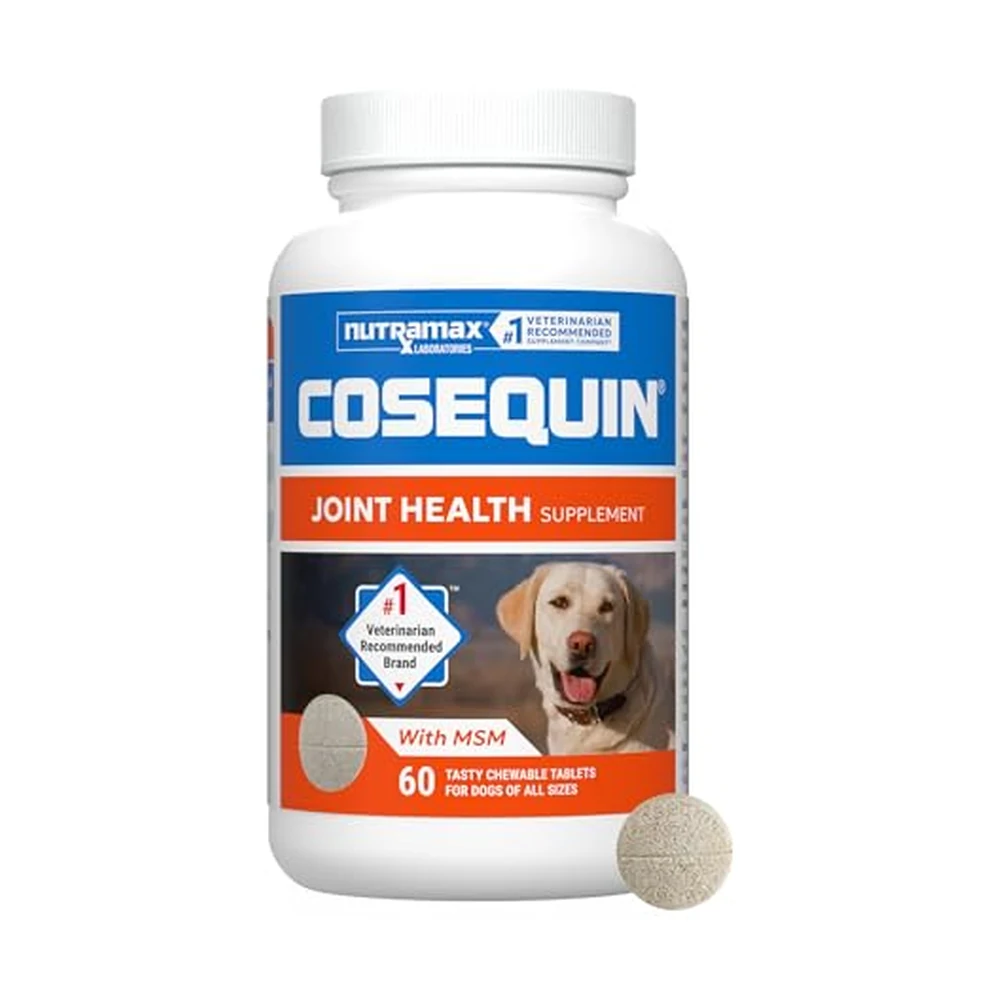
$15.87 4.7 out of 5 stars · 78,319
Read the food's label first; a senior formula may already cover part of the supplement.
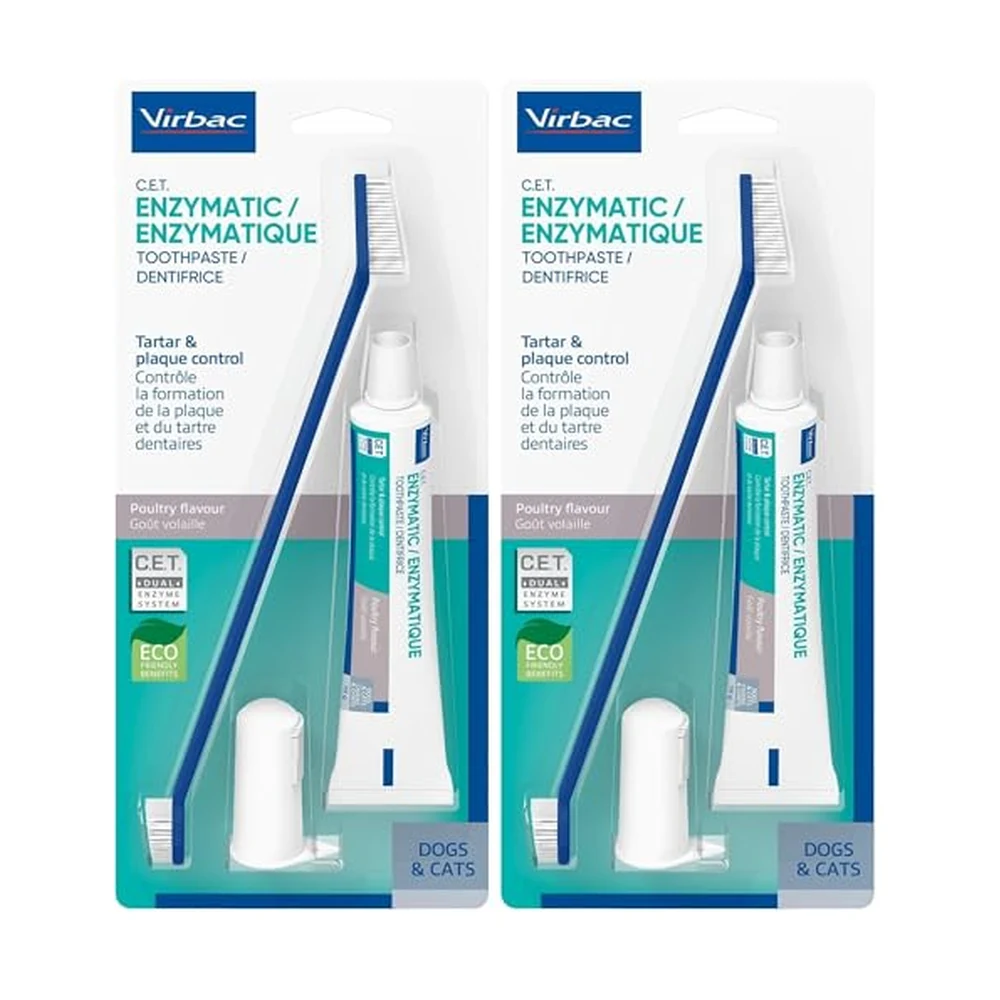
$27.52 4.6 out of 5 stars · 5,974
Appetite changes in an old dog are a mouth problem until proven otherwise.
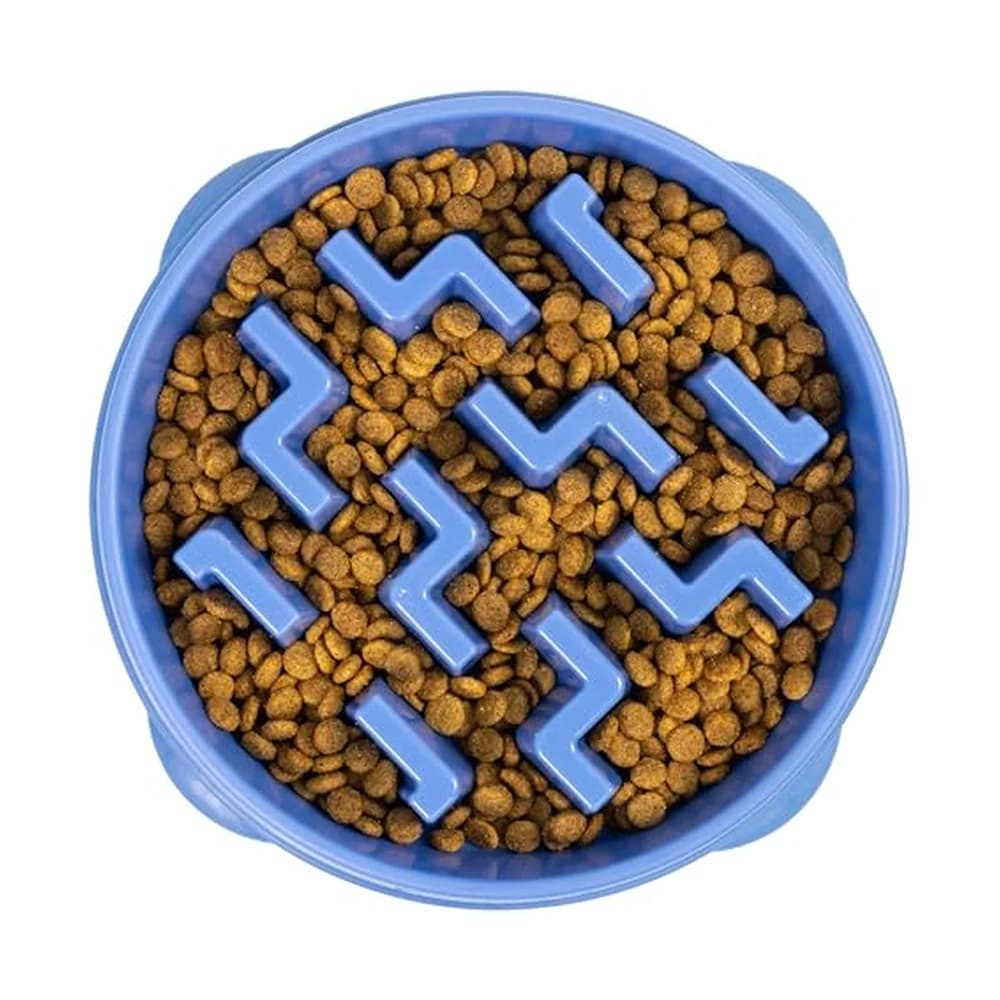
$10.35 4.7 out of 5 stars · 72,835
Bowl height and pace matter more as a neck stiffens.