Dog seat belts, car harnesses and carriers
A loose dog in a car is a hazard to themselves and to you. There are three legitimate answers: a crash-tested harness, a carrier, or a barrier.
Seatbelt restraint harnesses
Amazon links earn us a commission; it doesn’t change what we recommend.
Carriers you secure in the vehicle
Boot and cargo barriers
Start here
Which one is right for you?
Three different dogs, three different answers. Each one names what it is good at and what it costs you.
You want a restraint with published crash testing behind it
In the Center for Pet Safety's 2013 study every harness tested except the Clickit Utility was deemed insufficient, and CPS said it did not agree with the other makers' crash claims. Read any crash claim as the manufacturer's statement, including this one.
Our pick for this: Sleepypod Clickit Sport · $109.24
A small dog, or a flight
A carrier is the restraint for a dog small enough to be in one. Check the airline's own dimensions before you buy.
Our pick for this: Sherpa Original Deluxe Carrier · $69.99
A big dog in an estate or SUV boot
A barrier keeps a dog out of the cabin. It is containment rather than crash protection, and we do not present it as the latter.
Our pick for this: PetSafe Happy Ride Barrier · $69.99
If none of these is your dog: nothing on this shelf is the right answer for every household, and we would rather you bought nothing than the wrong thing. Start from the stage your dog is actually in, or browse the other shelves.
Filter picks6 of 6
Showing 6 of 6 picks — no filters applied
Showing 6 of 6 picks — no filters applied
Seatbelt restraint harnesses, feature by feature
- Best value
$55.99lowest here 4.2 out of 5 stars · 1,063 ratingsbest rated
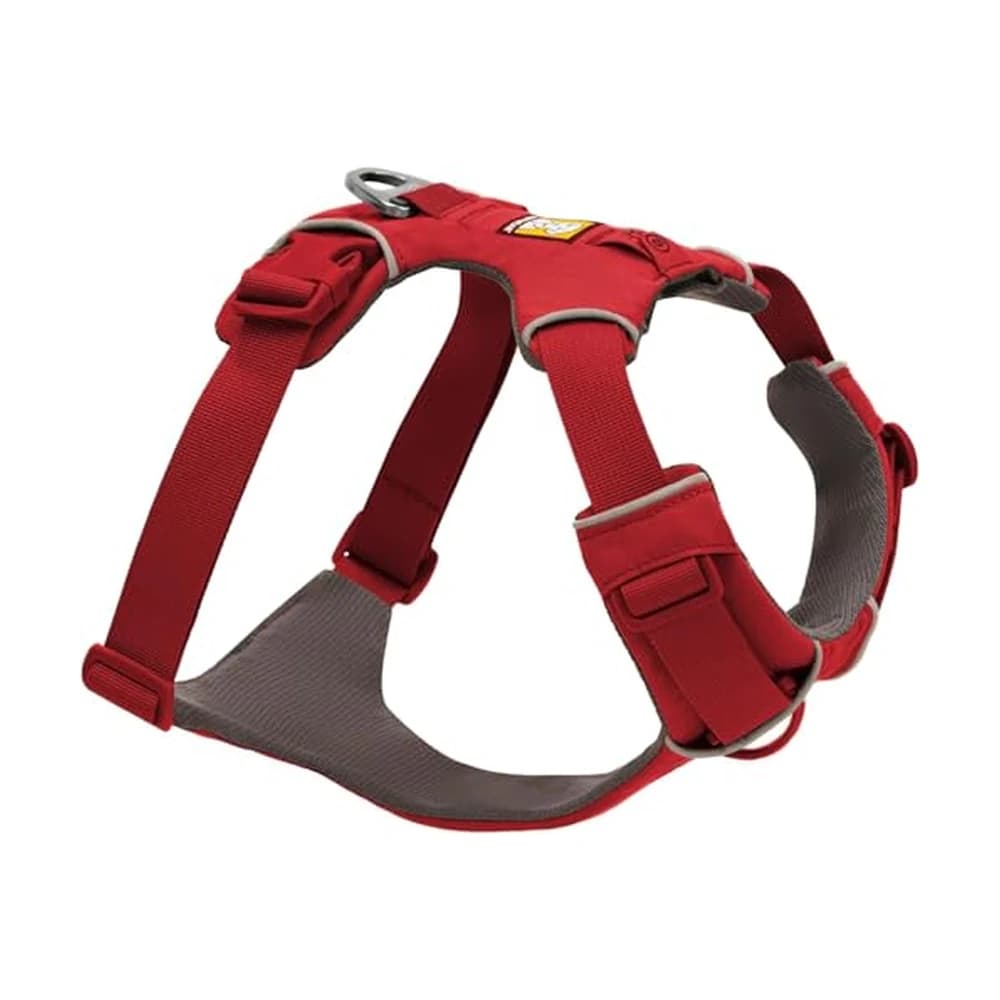
A dual-purpose harness under $60 — the maker states crash testing up to 32 kg / 70 lb, and it…
- Size
- Not stated
- Colour
- Not stated
- Weight
- Not stated
- Model
- Not stated
- Manufacturer
- Not stated
- Skip if
- Your dog is over 70 lb. The stated rating does not extend past it, and neither should you.
The variant we link: Size M
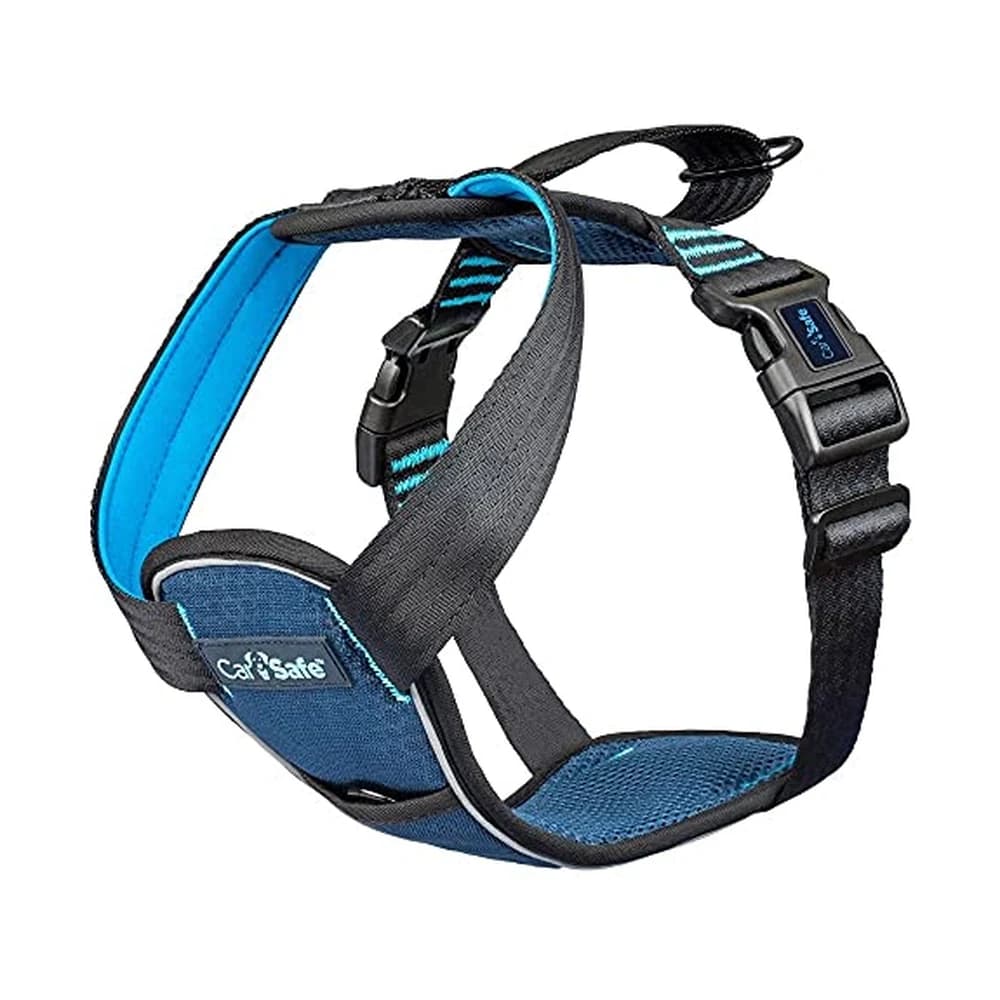
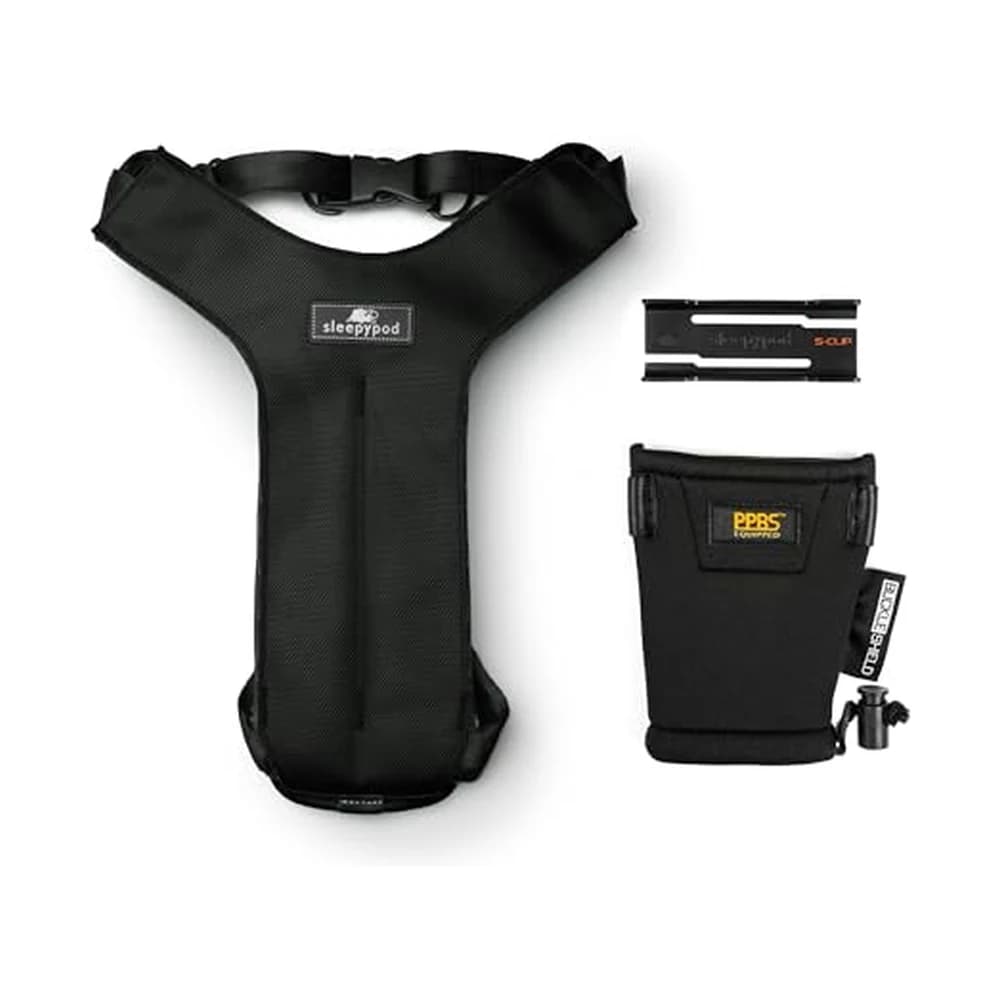
A dedicated car harness from the brand best known for crash testing its restraints, rather…
- Size
- Medium
- Colour
- Jet Black
- Weight
- 0.73 lb
- Model
- CSX-BLK-M
- Manufacturer
- Sleepypod
- Skip if
- You want one harness for walking and driving. This is a car-first design and costs accordingly.
The variant we link: Jet Black
Each pick below carries its own specs, and the tags mark the best of these picks on that point. Specs come from manufacturer listings; ratings are the Amazon aggregate rating and count, refreshed periodically — we don't test products.
How winners are decided: ✓ marks the lowest price, the highest owner rating, the largest stated weight capacity and the longest warranty. Rows where more is not better — size, dimensions, weight, material — and the editorial rows get no ✓ at all. A blank is unknown, never a loss, and a row needs at least two known, differing values before anything can win. How the best-of-these tags are decided: the lowest price, the highest owner rating, the largest stated weight capacity and the longest warranty. Points where more is not better — size, dimensions, weight, material — and the editorial notes carry no tag at all. A blank is unknown, never a loss, and a point needs at least two known, differing values before anything can lead. As an Amazon Associate we earn from qualifying purchases. Specs are the manufacturer's claims and owner-reported data — we research and analyse; we don't test products on dogs.
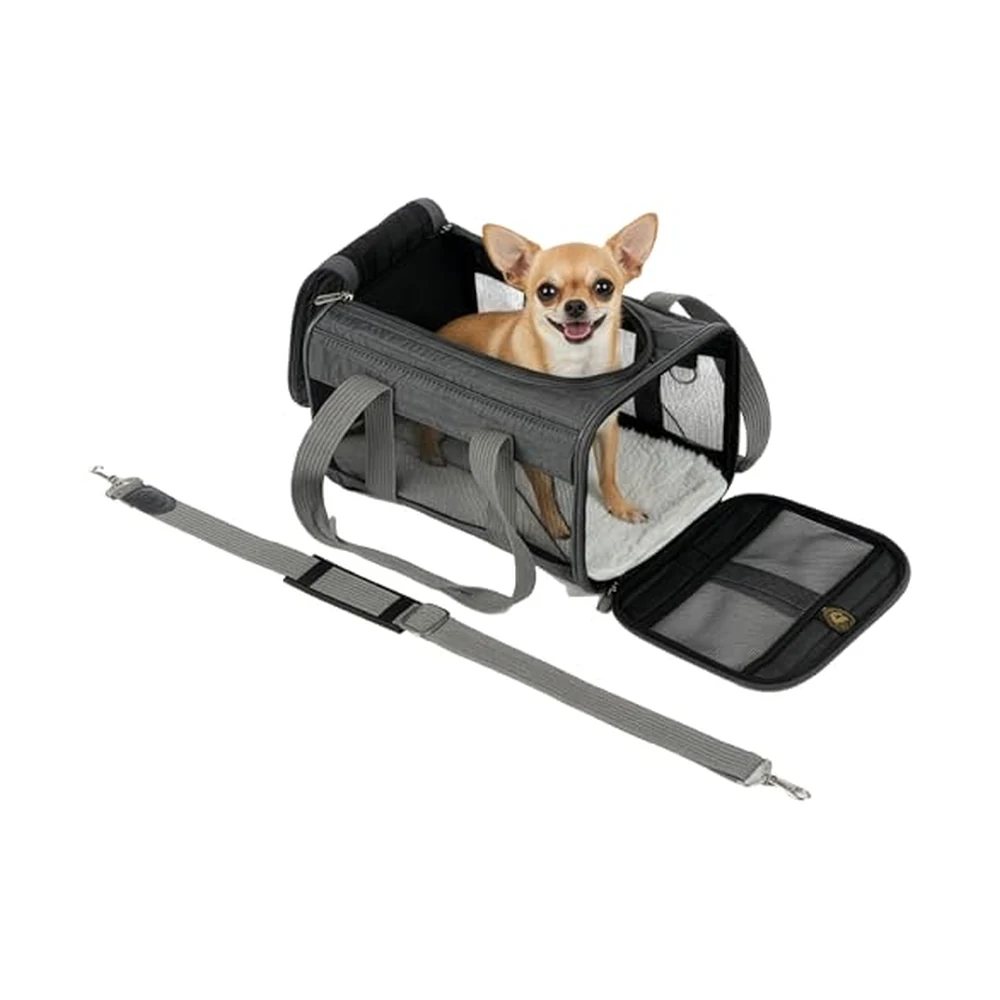
Carriers you secure in the vehicle
Containment rather than restraint, and the option most often recommended for small dogs. A carrier only protects a dog if it is actually anchored — check how the maker says to secure it before the first trip.
- Sherpa Original Deluxe Carrier
$69.99 4.6 out of 5 stars · 4,545
A small dog who flies in the cabin — a flexible-frame soft carrier that compresses to fit…
The variant we link: Charcoal Gray · Small
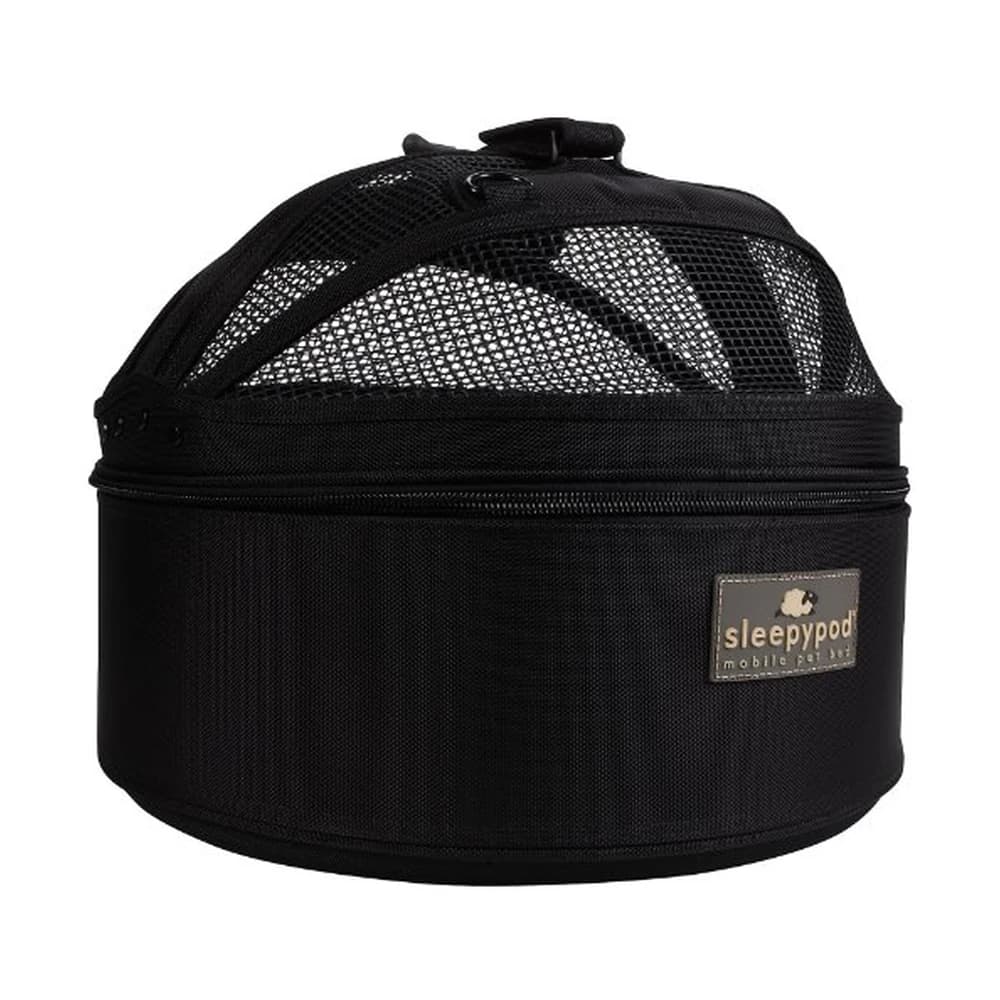
- Sleepypod Mobile Pet Bed
$224.99 4.5 out of 5 stars · 306
A small dog under 15 lb who travels often — a carrier, a car seat and an everyday bed in one…
The variant we link: Black
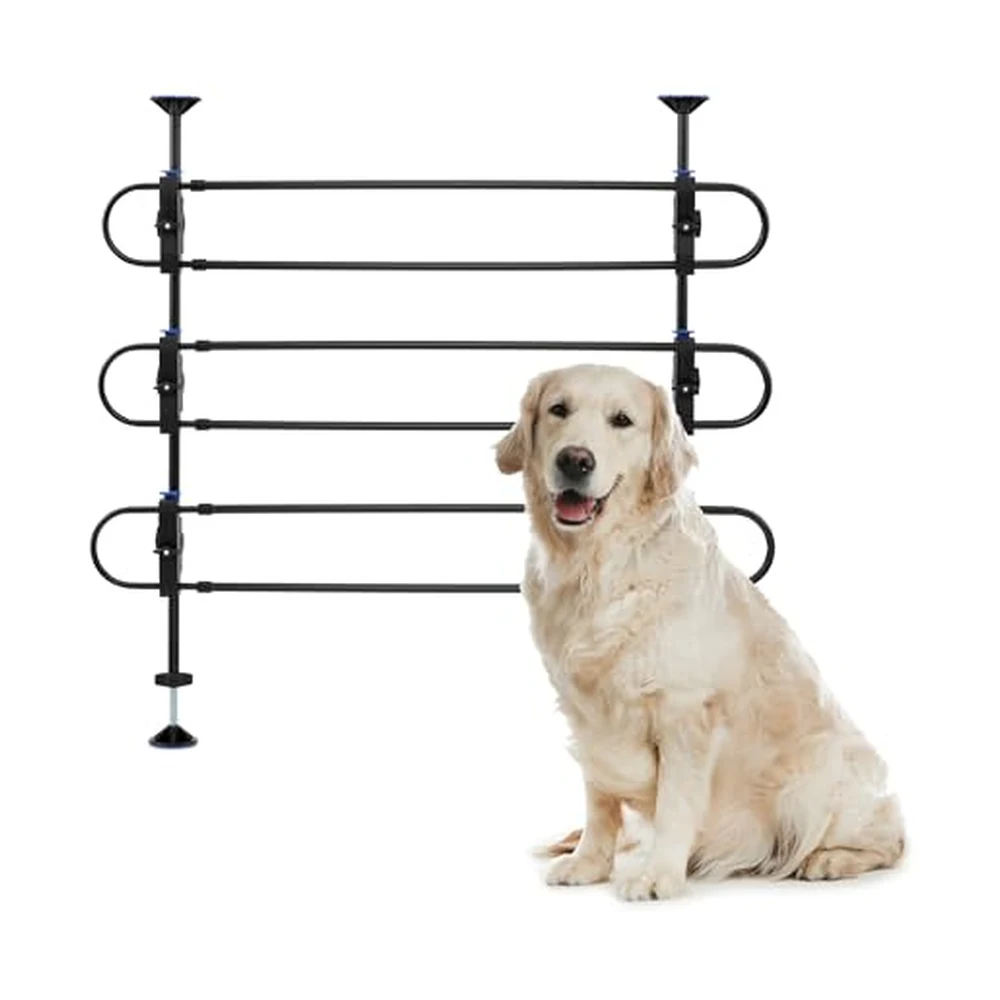
Boot and cargo barriers
A barrier keeps a dog out of the cabin. It is the least protective of the three for the dog in a collision, and it solves a real problem: a dog who climbs into the front seat while you drive.
- PetSafe Happy Ride Barrier
$69.99 4.1 out of 5 stars · 1,909
Keeping a big dog in the boot of an SUV or estate — a tension-mounted see-through barrier…
Seat covers — protection for the car, not for the dog
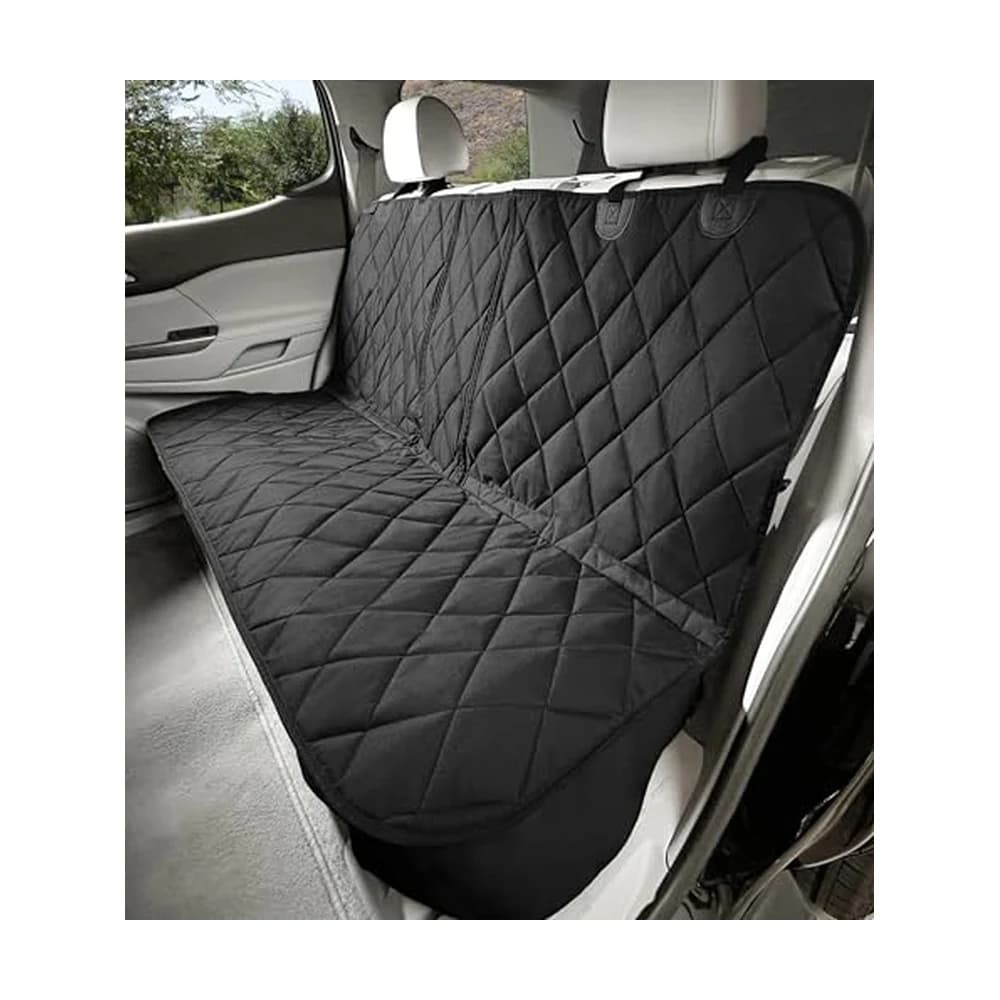
A cover keeps hair, mud and claws off upholstery. It restrains nothing and it is not safety equipment. It belongs on this shelf because it is car gear, and it can never be the answer to "how do I restrain my dog".
- 4Knines Rear Seat Cover (fold-down)
$99.99 4.7 out of 5 stars · 2,157
An adult dog who rides in the back seat weekly and an owner who also needs the seat to fold…
The variant we link: Black · Regular
Why car travel matters at this stage
An unrestrained dog in a moving car is a projectile in a collision and a distraction before one. That is the whole argument, and it does not require any statistics to be persuasive.
There are three legitimate approaches. A harness that connects to the seatbelt keeps a dog in one seat. A carrier or crate secured in the vehicle contains them completely, which is the option most often recommended for small dogs. A cargo barrier keeps a dog in the boot of an estate or SUV — that is containment rather than restraint, and it is the least protective of the three for the dog, though it does stop them coming forward into the cabin.
Be careful with the phrase "crash tested." There is no mandatory government standard for pet restraints in the United States; testing is voluntary, the protocols differ between manufacturers, and a claimed weight rating is the manufacturer's own. We quote what each maker states and do not extend it. A tether sold with a walking harness is a convenience connector, not a tested restraint — those are different products.
The senior angle is separate and practical. Getting into a car is often the first thing an arthritic dog stops being able to do, and a ramp is the answer rather than lifting a heavy dog by the ribs. That sits with the ramps and steps.
The thing most owners don’t know
One surprising thing about car travel
In the Center for Pet Safety's 2013 harness study, every harness except the Sleepypod Clickit Utility was deemed insufficient, and CPS wrote that it does not agree with the crash-protection claims made by those manufacturers.
What owners keep saying
Car safety threads are unusually specific because owners keep pointing each other back to the small set of products that have actually been crash tested, and to the fact that most seat-belt tethers sold online have not been. Sleepypod Clickit harnesses and a handful of hard crash-tested crates dominate the recommendations, with owners noting that the ratings are size-specific rather than blanket, so buying the wrong size undoes the point. The disappointments are practical rather than structural: the harness is bulky and slow to buckle, dogs that dislike being restrained fight it, and owners report the seat belt sliding through the attachment or the dog backing out when the fit was set too loose. Barriers get described as protecting the humans from a flying dog rather than protecting the dog, which is why crate threads keep steering people toward strapping a crate down instead. Hammock-style seat covers are the low-stakes part of the shelf, judged on whether the base stays flat, whether liquid soaks through to the upholstery, and whether the anchors slip; owners generally say a cover is upholstery protection and never a restraint.
we read 29 threads across r/dogs, r/OpenDogTraining, r/puppy101, r/germanshepherds
Paraphrased from public discussion, never quoted and never counted into a statistic we did not measure. Owners are not a controlled study — they are the only long-term use data anybody has.
What we didn’t pick
Things that look like they belong on this shelf and are not on it, with the reason.
Zipline and tether systems that clip to a collar
This shelf is about restraint in a crash, and a tether to a neck collar is not that. Where a product is a convenience rather than a restraint we group it separately instead of ranking the two together.
Seat covers presented as restraints
We carry a seat cover, and it protects upholstery. A hammock is not a restraint and nothing on this shelf implies it is.
Crash-protection claims we cannot source
In the Center for Pet Safety's harness study, every harness tested except one was deemed insufficient, and CPS wrote that it does not agree with the manufacturers' crash-protection claims. We only repeat a crash claim where the maker or a testing body states it, and we never assert one ourselves.
How to choose car travel gear
Pick one of the three approaches, then read the manufacturer's own claim rather than the category's marketing.
Read the stated testing claim exactly
There is no mandatory US standard for pet restraints. Where a maker states a crash-test weight rating, that is their claim under their protocol — useful information, not a certification.
Restraint, containment or a barrier
A seatbelt harness restrains, a secured carrier contains, and a cargo barrier only stops a dog entering the cabin. Decide which you actually need before comparing products.
A tether is not a restraint system
Many walking harnesses include a seatbelt tether. That is a convenience connector on a harness never designed for crash loads — do not read it as a safety rating.
The right weight and size band
Every claim in this category is weight-bounded. A harness rated to 70 pounds carries no claim at all about a 90-pound dog.
Acclimate before the long trip
A dog meeting a new carrier or harness for the first time on the morning of a six-hour drive has a bad journey. Introduce the gear in the driveway, days ahead.
Common questions
- Is it illegal to drive with an unrestrained dog?
- It varies by state, and several states address it through distracted-driving or animal-cruelty rules rather than a dedicated dog law. Check your own state's rules; the safety case for restraint stands regardless of what the statute says.
- What does "crash tested" mean for a dog harness?
- Less than it sounds. There is no mandatory government standard for pet restraints in the US, so testing is voluntary and protocols are not uniform between manufacturers. Read the specific claim — usually a weight limit under a stated test — and treat it as the maker's own statement rather than a certification.
- Where is the safest place for a dog in a car?
- The general advice is the back seat or the cargo area, restrained, and never the front seat where an airbag deploys. Small dogs are usually best in a secured carrier; larger dogs in a seatbelt harness on the back seat or behind a cargo barrier.
Gear
Pairs with
Shelves that go with car travel — hand-picked adjacencies, not "customers also bought".
$59.99 4.6 out of 5 stars · 18,114
The walking harness is what the dog arrives in — and it is not what should hold it in a crash.
$32.29 4.4 out of 5 stars · 10,918
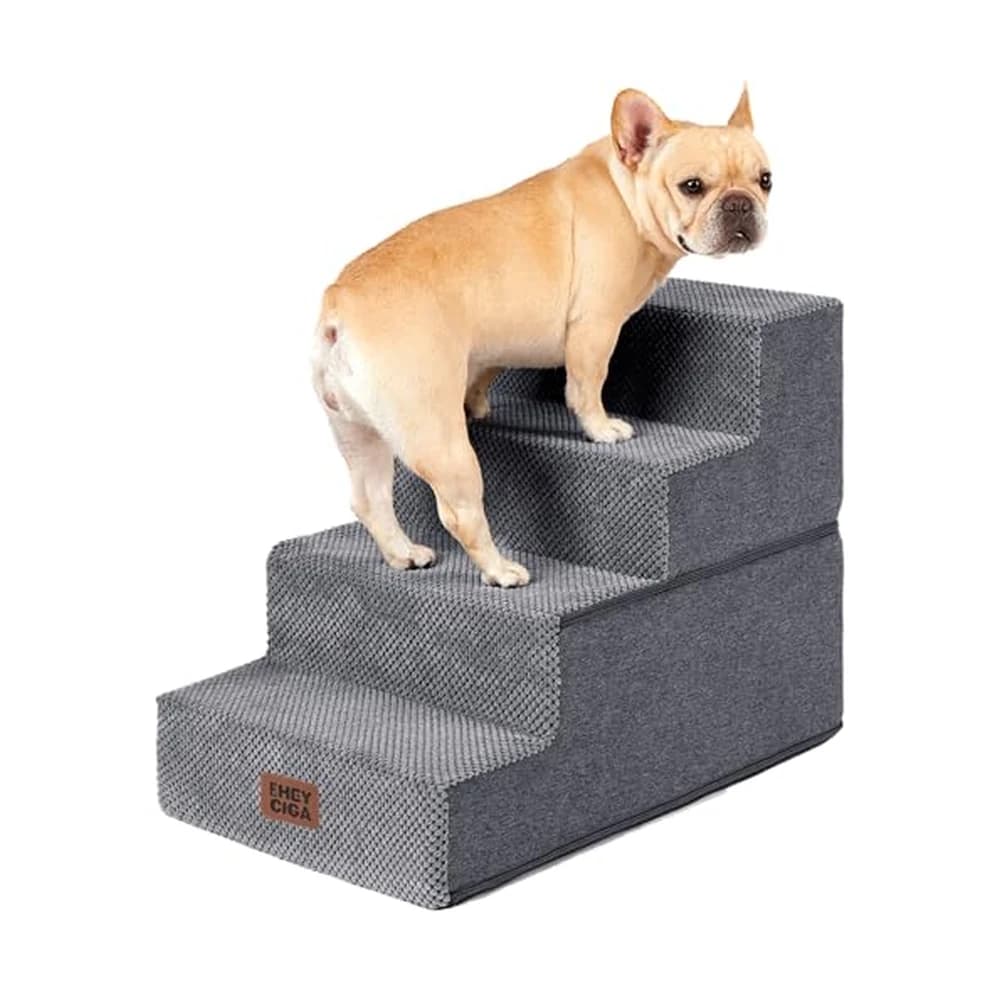
Getting an older or long-backed dog into the boot is the half of car travel nobody plans for.
$54.99 4.3 out of 5 stars · 12,440
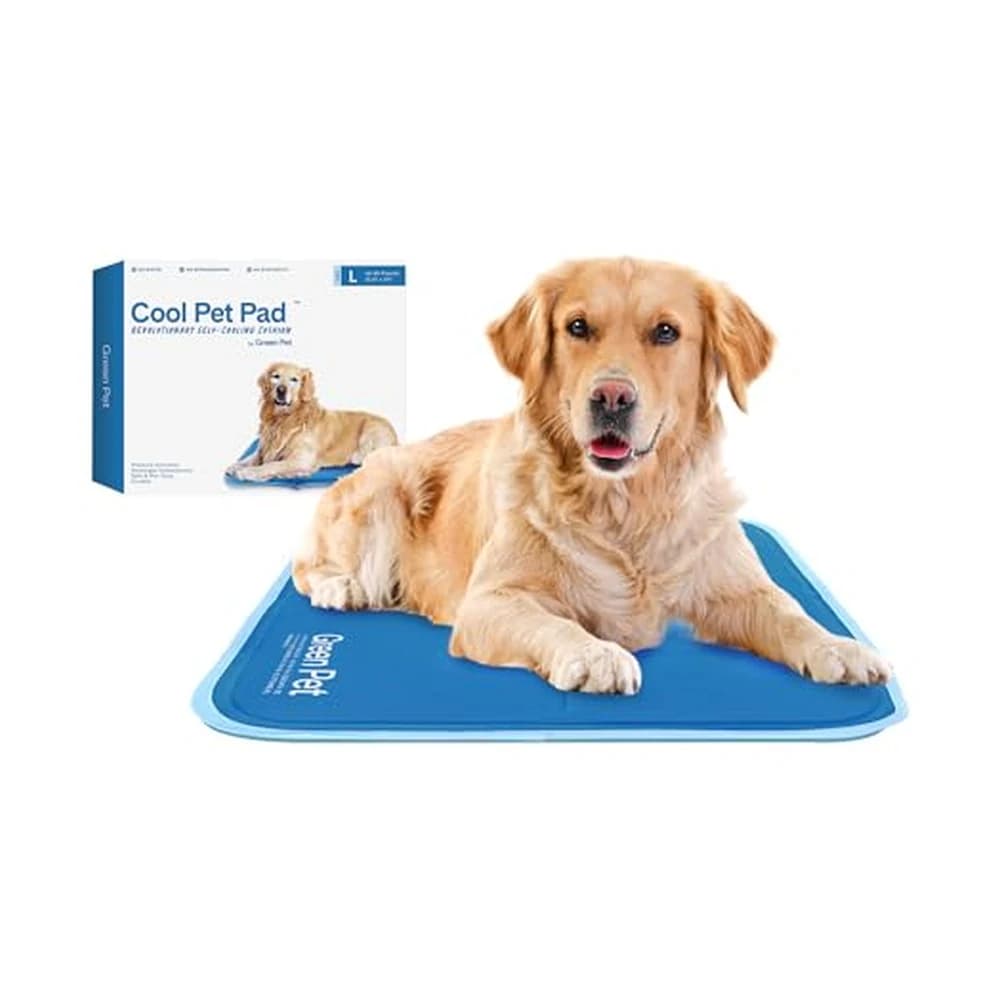
A parked car is the heat scenario every owner underestimates.