The best lift harnesses & traction, compared.
When back legs start giving way, the two things that help most are a sling that takes some weight and something that stops the feet sliding.
Amazon links earn us a commission; it doesn’t change what we recommend.
Start here
Which one is right for you?
Three different dogs, three different answers. Each one names what it is good at and what it costs you.
Hind-leg weakness where you are taking real weight
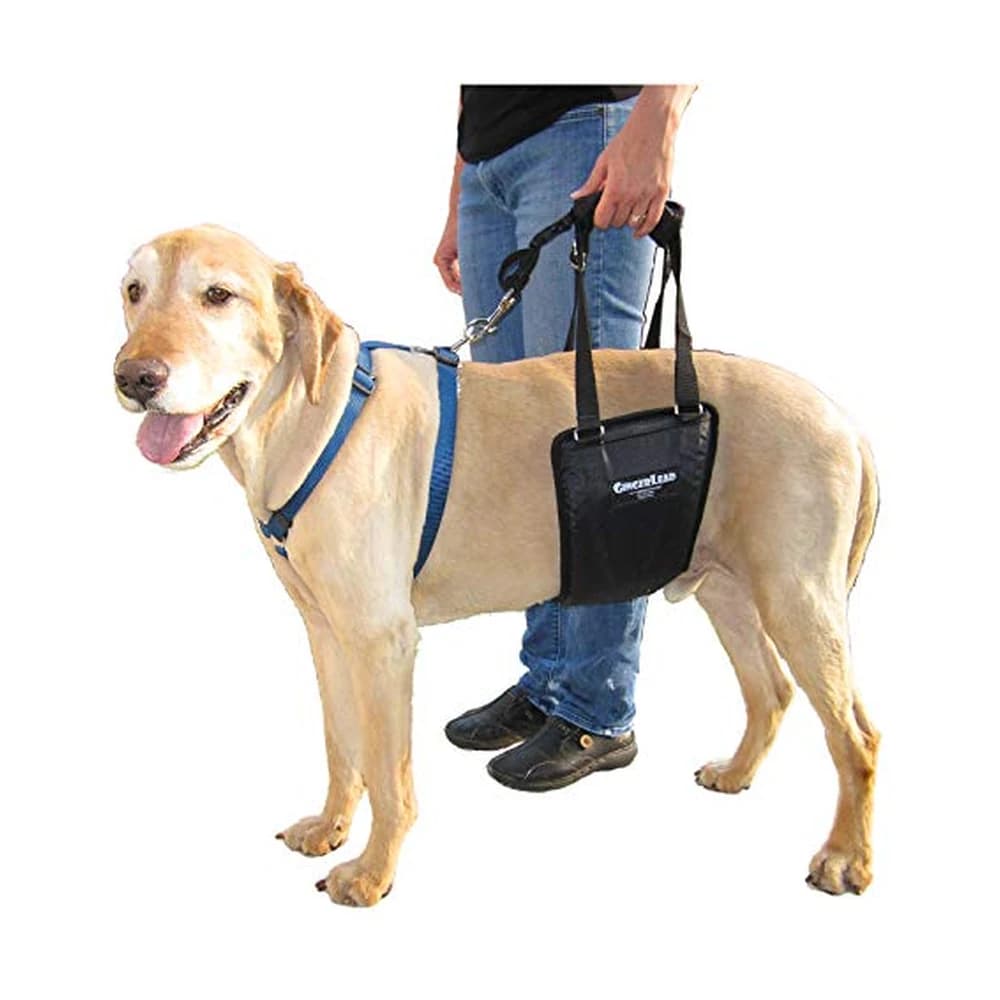
A support sling spreads the load properly. A walking harness's handle is for steadying a dog, not for carrying them.
Our pick for this: GingerLead Rear Support Sling · $69.95
Hardwood or tile the dog no longer trusts
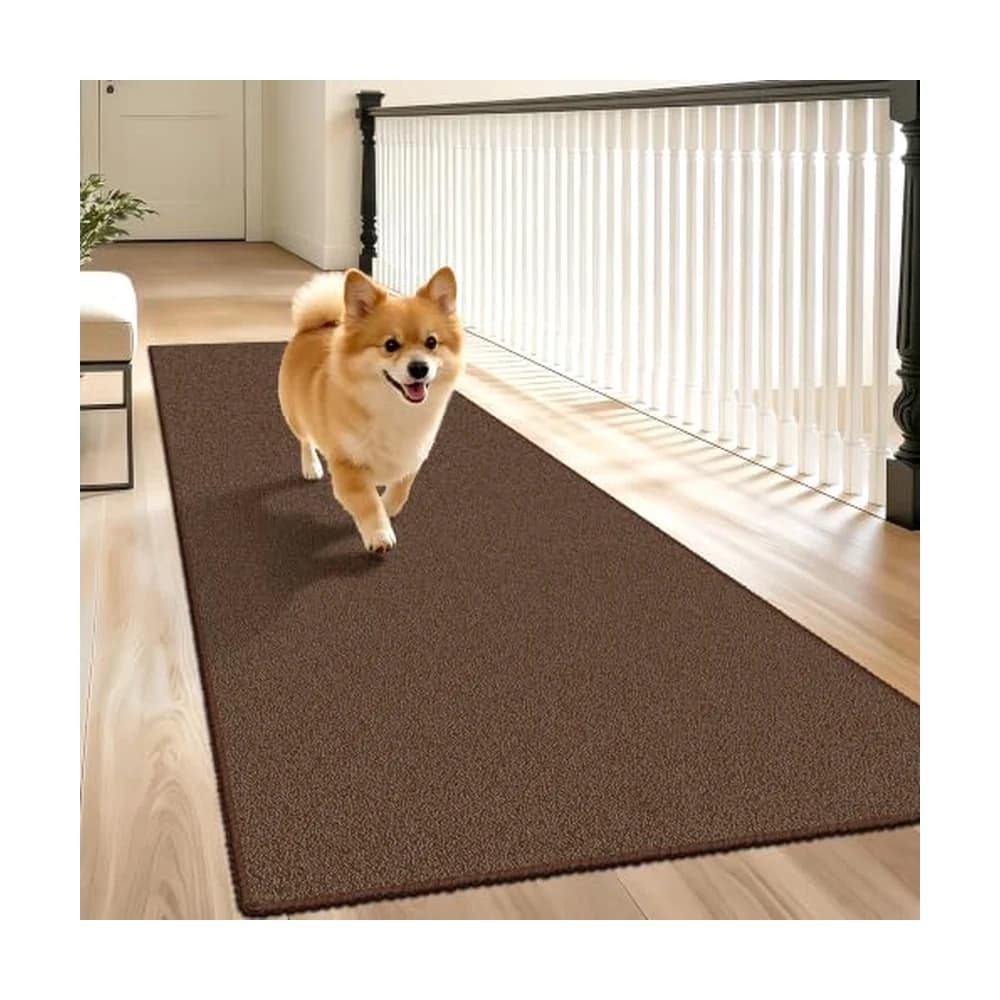
Fix the floor rather than the feet. A runner along the route the dog actually walks does more than anything worn on a paw.
Our pick for this: TTelephant Non-Slip Floor Runner · $33.29
Nails that slip on the last stretch to the door
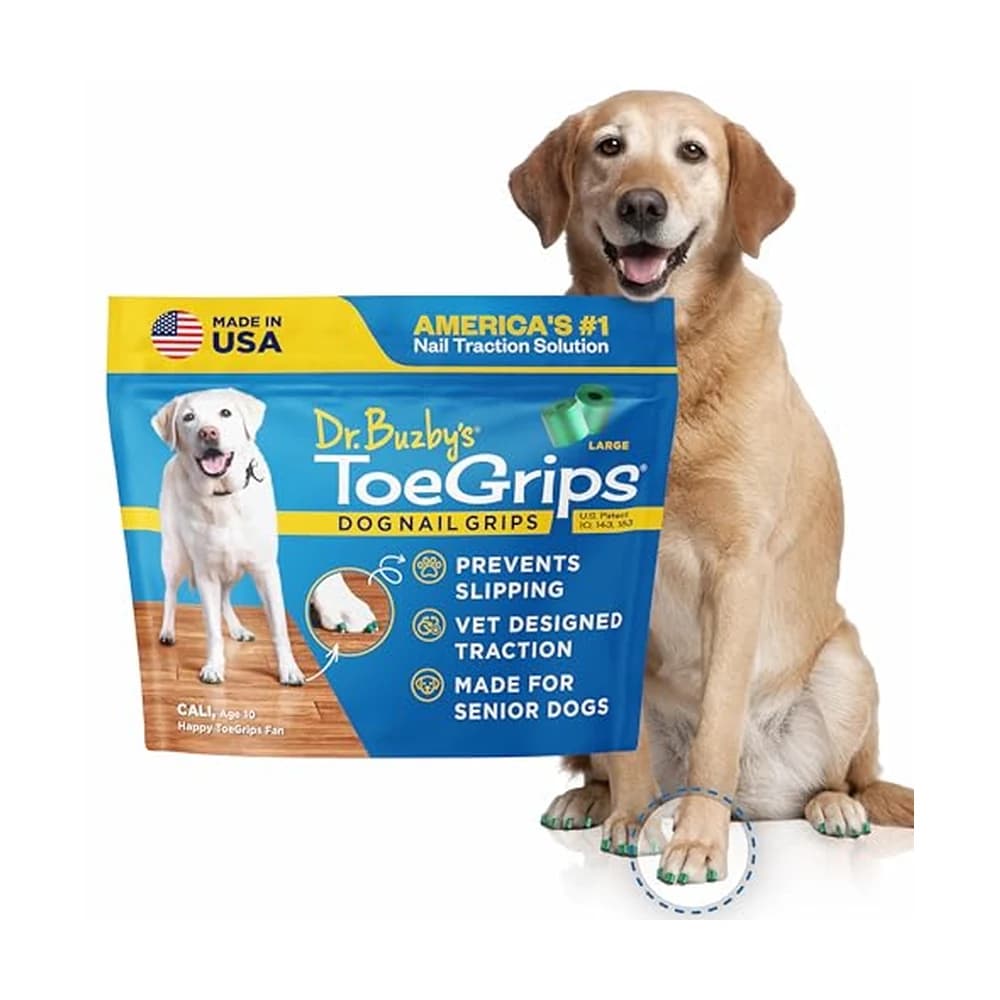
They sit on the nail rather than the paw, so there is nothing to work off. They need refitting as the nails grow.
Our pick for this: Dr Buzby's ToeGrips · $39.99
If none of these is your dog: nothing on this shelf is the right answer for every household, and we would rather you bought nothing than the wrong thing. Start from the stage your dog is actually in, or browse the other shelves.
Filter picks4 of 4
Showing 4 of 4 picks — no filters applied
Showing 4 of 4 picks — no filters applied
The picks, feature by feature
Taking real weight off weak hind legs — a padded sling with an integrated leash and a cutout so it does not press where it should not
- Size
- Not stated
- Material
- Padded nylon with integrated leash
- Colour
- Not stated
- Dimensions (H × W × D)
- Not stated
- Model
- Not stated
- Manufacturer
- Not stated
- Skip if
- Your dog is small. The M/LG size is stated for females over 45 lb and males over 60 lb.
The hallway or the run to the water bowl, where an older dog's feet start sliding on hardwood before anything else in the house is a problem
- Size
- 2' x 6' (Runner)
- Material
- Not stated
- Colour
- Sky Brown
- Dimensions (H × W × D)
- 5.11 in × 9.84 in × 12.59 in
- Model
- Sky2x6BR0201
- Manufacturer
- TTelephant
- Skip if
- Your floors are already carpet, or the slipping is confined to one small patch a bath mat would cover.
The variant we link: Brown
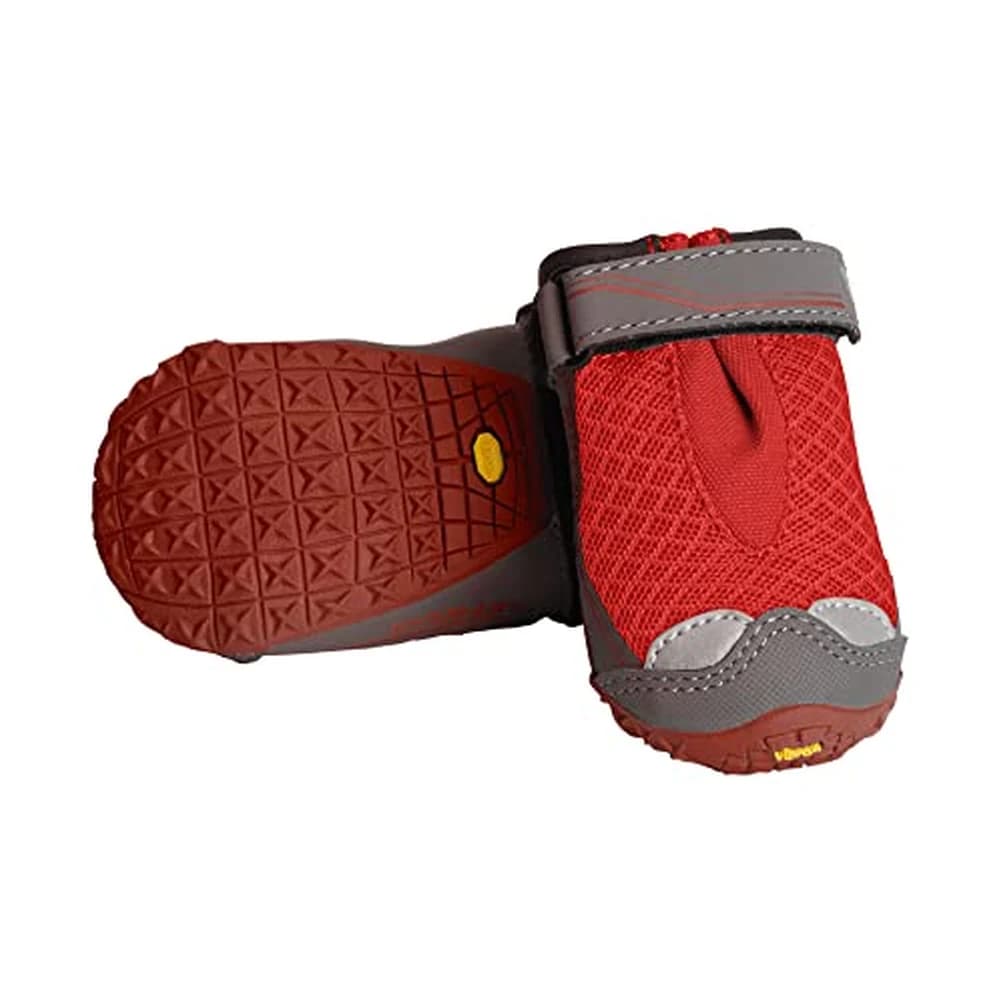
Traction plus protection — Vibram outsoles that grip slick tile as well as hot pavement, sold in pairs so you can mix sizes
- Size
- Not stated
- Material
- Not stated
- Colour
- Not stated
- Dimensions (H × W × D)
- Not stated
- Model
- Not stated
- Manufacturer
- Not stated
- Skip if
- Your dog will not tolerate boots. Many do not, and several owners report rubbing and raw paws.
The variant we link: 2 Count · Red Sumac · 2.75"
A dog who is strong but sliding — rubber grips on the nail tips give traction on hardwood without anything on the paw
- Size
- Not stated
- Material
- Natural rubber nail grips
- Colour
- Not stated
- Dimensions (H × W × D)
- Not stated
- Model
- Not stated
- Manufacturer
- Not stated
- Skip if
- You want a one-off purchase. They wear out in one to three months and need replacing.
The variant we link: Large · 1 Pack
Each pick below carries its own specs, and the tags mark the best of these picks on that point. Specs come from manufacturer listings; ratings are the Amazon aggregate rating and count, refreshed periodically — we don't test products.
How winners are decided: ✓ marks the lowest price, the highest owner rating, the largest stated weight capacity and the longest warranty. Rows where more is not better — size, dimensions, weight, material — and the editorial rows get no ✓ at all. A blank is unknown, never a loss, and a row needs at least two known, differing values before anything can win. How the best-of-these tags are decided: the lowest price, the highest owner rating, the largest stated weight capacity and the longest warranty. Points where more is not better — size, dimensions, weight, material — and the editorial notes carry no tag at all. A blank is unknown, never a loss, and a point needs at least two known, differing values before anything can lead. As an Amazon Associate we earn from qualifying purchases. Specs are the manufacturer's claims and owner-reported data — we research and analyse; we don't test products on dogs.
Why lift harnesses & traction matters at this stage
Hind-limb weakness arrives in two different ways, and they need different answers. There is the strength problem — arthritis, degenerative changes, recovery from a cruciate repair — where a dog can no longer push themselves up or hold a stand for long. And there is the traction problem, where the dog is strong enough but their feet slide out from under them on hardwood, tile or laminate, and the fear of falling becomes its own disability.
For strength, a rear support sling is the tool. It passes under the abdomen or hips with a handle above, so you can take some of the dog's weight while they walk, do stairs, or manage the garden at 6 a.m. Used properly it saves your back as much as their hips, and it lets a dog keep doing things they would otherwise stop doing — and the mobility they keep is worth protecting.
For traction, the answer is grip at the point of contact. Rubber grips on the nail tips, or boots with a real rubber outsole, both give a dog purchase on a floor that has become an ice rink to them. Rugs and runners along their usual routes are free and often the single most effective change you can make.
Hind-leg weakness that is new, sudden, or worsening quickly is a veterinary question first — some causes are neurological and time-sensitive. Ask before you shop.
What owners keep saying
For a big dog with a failing back end, owners keep arriving at a padded full-body harness with front and rear handles, valued because the weight is shared and the harness can stay on through the day rather than being wrestled onto a dog in pain. A folded towel or bedsheet under the belly is the near-universal stopgap and, for some households, the permanent answer, though owners note it slips and gives less control on stairs than a fitted rear sling. Traction indoors is treated as a separate problem: nail grips are described as either transformative or useless depending on nail size and fit, they come off and need replacing, and owners pair them with trimmed paw fur, short nails, and runners on the bare floor. Boots and grippy socks split opinion, and where a dog is crying, sinking, or suddenly weak in the hind end, threads point toward a vet rather than gear.
we read 62 threads across r/seniordogs, r/dogs, r/greatdanes
Paraphrased from public discussion, never quoted and never counted into a statistic we did not measure. Owners are not a controlled study — they are the only long-term use data anybody has.
What we didn’t pick
Things that look like they belong on this shelf and are not on it, with the reason.
Lifting a dog by an everyday harness handle
A walking harness's handle is for steadying a dog, not for carrying weight through their chest. That is the whole reason a support sling is a separate product and a separate shelf entry.
Rubber-dotted socks as a floor fix
The dog still slips where the socks do not reach, and most dogs work them off. Where the problem is the floor, the runner on this shelf treats the floor.
A sling used before a diagnosis
Sudden hind-limb weakness is a veterinary problem before it is a shopping problem. Mobility gear is for managing a condition someone has already looked at.
How to choose mobility support
Work out whether the problem is strength or grip, then fit carefully — a badly fitted sling is worse than none.
Strength problem or traction problem
A sling helps a dog who cannot hold themselves up. Nail grips or boots help a dog who is strong but sliding. Buying the wrong one solves nothing.
Support that does not press where it should not
Slings that bunch or press on the abdomen or genitals cause a dog to resist them. Look for padded, shaped designs with cutouts, and check fit while the dog is standing.
A handle at the right height
You will be holding it for whole walks. Adjustable length is the difference between helping your dog and hurting your own back.
Traction at the contact point
Nail grips or a rubber outsole give purchase on the surface itself. Socks without real grip mostly do not, and can make sliding worse.
Machine washable
This gear is used daily, often in the garden at dawn, and often by a dog with hygiene issues. If it cannot be washed and dried, it will not stay in service.
Common questions
- When should I get a lift harness for my dog?
- When you have started lifting them by hand — that is the signal. Grabbing a dog under the belly or by the chest to hoist them puts awkward force through their body and through your back. A sling distributes it properly. If the weakness is new or rapidly worsening, see your vet first: some causes are neurological and time-sensitive.
- How do I stop my old dog slipping on wooden floors?
- Start with rugs and runners along the routes they actually use — bed to door, sofa to water bowl. Then add grip at the paw: rubber nail grips or boots with a real rubber outsole. And keep the nails short and the hair between the pads trimmed, because both make sliding worse.
- Do dog socks help with slipping?
- Usually less than owners hope. Fabric socks without a substantial grip surface can slide as badly as bare paws, and they come off. Rubber nail grips or boots with a proper outsole address the contact point itself, which is what actually changes the friction.
Gear
Pairs with
Shelves that go with lift harnesses & traction — hand-picked adjacencies, not "customers also bought".
$32.29 4.4 out of 5 stars · 10,918
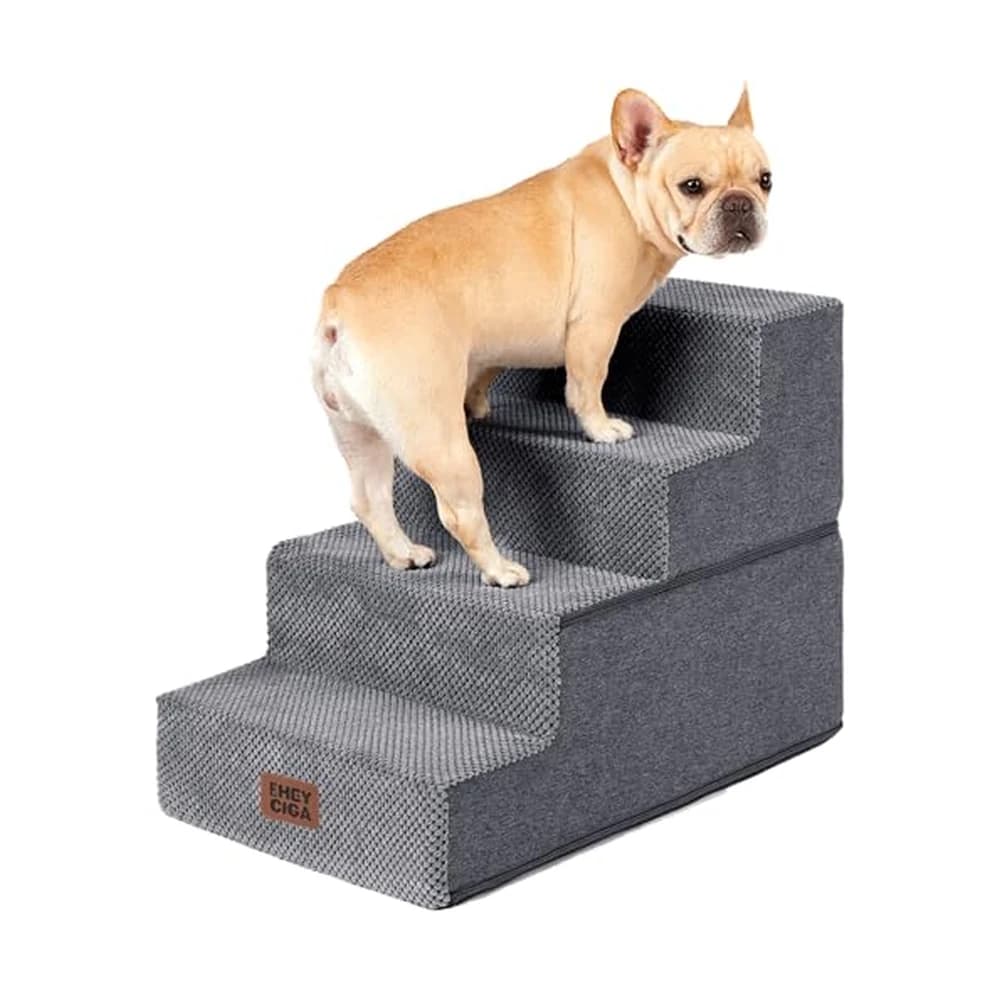
Most households use both: the ramp for the car, the handle for the back step.
$289.95 4.7 out of 5 stars · 5,902
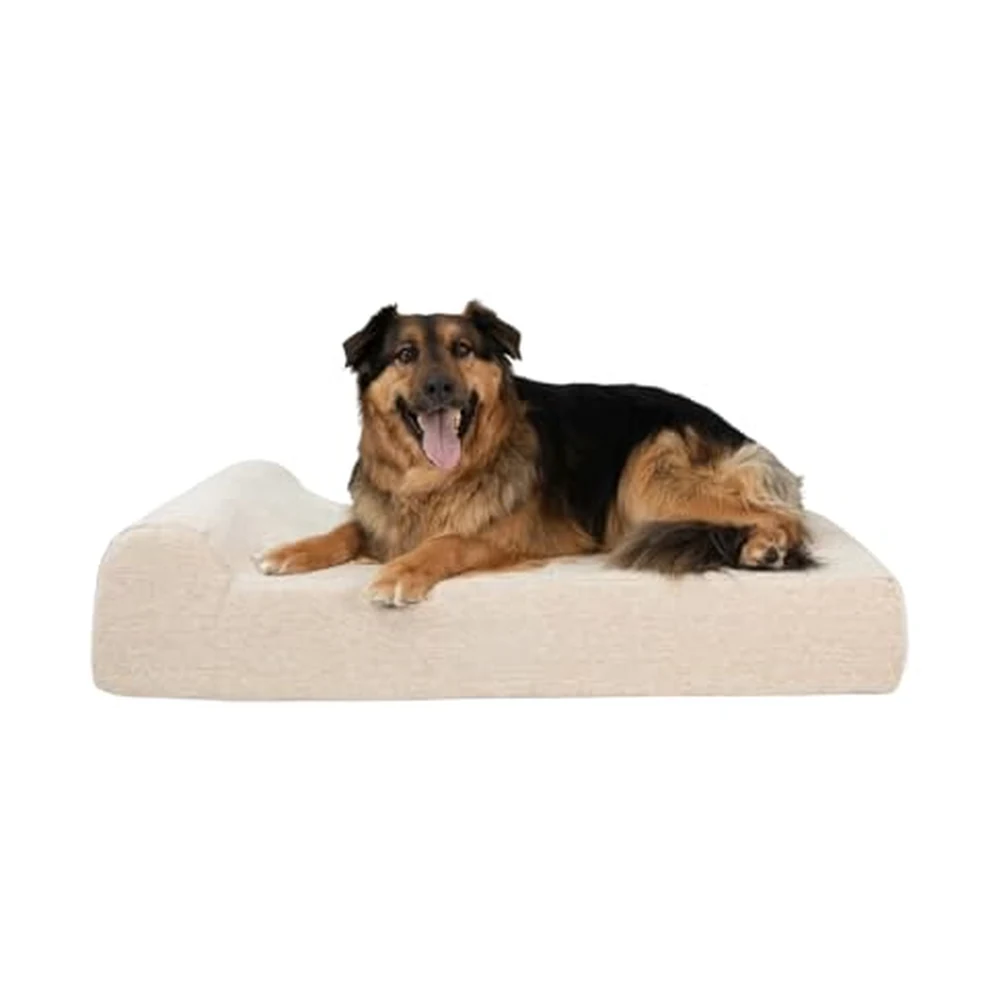
A dog being lifted is a dog whose lying surface matters more than it used to.
$15.87 4.7 out of 5 stars · 78,319
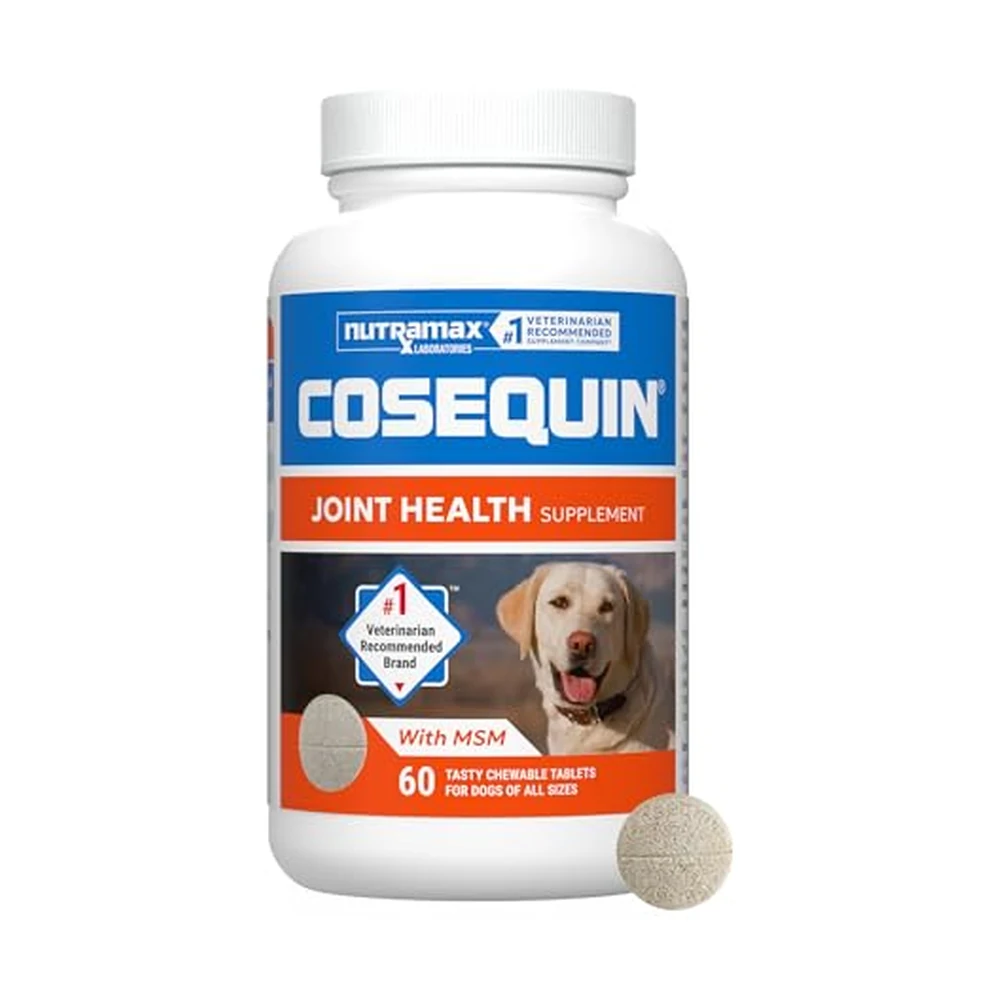
Assisted mobility is the point at which the rest of the plan gets reviewed.