The best gps trackers, compared.
A microchip finds a dog after someone catches them. A GPS tracker helps you catch them. The adolescent stage is when most dogs run.

GPS collars and trackers
About $9 a month. Tractive's plans page lists a one-year plan starting at $9 a month, dropping to about $6 on a two-year prepayment and $5 on five years, with a premium add-on priced separately. The tracker is inert without one, so the subscription is the real commitment.
Amazon links earn us a commission; it doesn’t change what we recommend.
GPS containment fences

Item finders — not GPS, and not designed for pets
Start here
Which one is right for you?
Three different dogs, three different answers. Each one names what it is good at and what it costs you.
A dog who has actually run, where you need live location
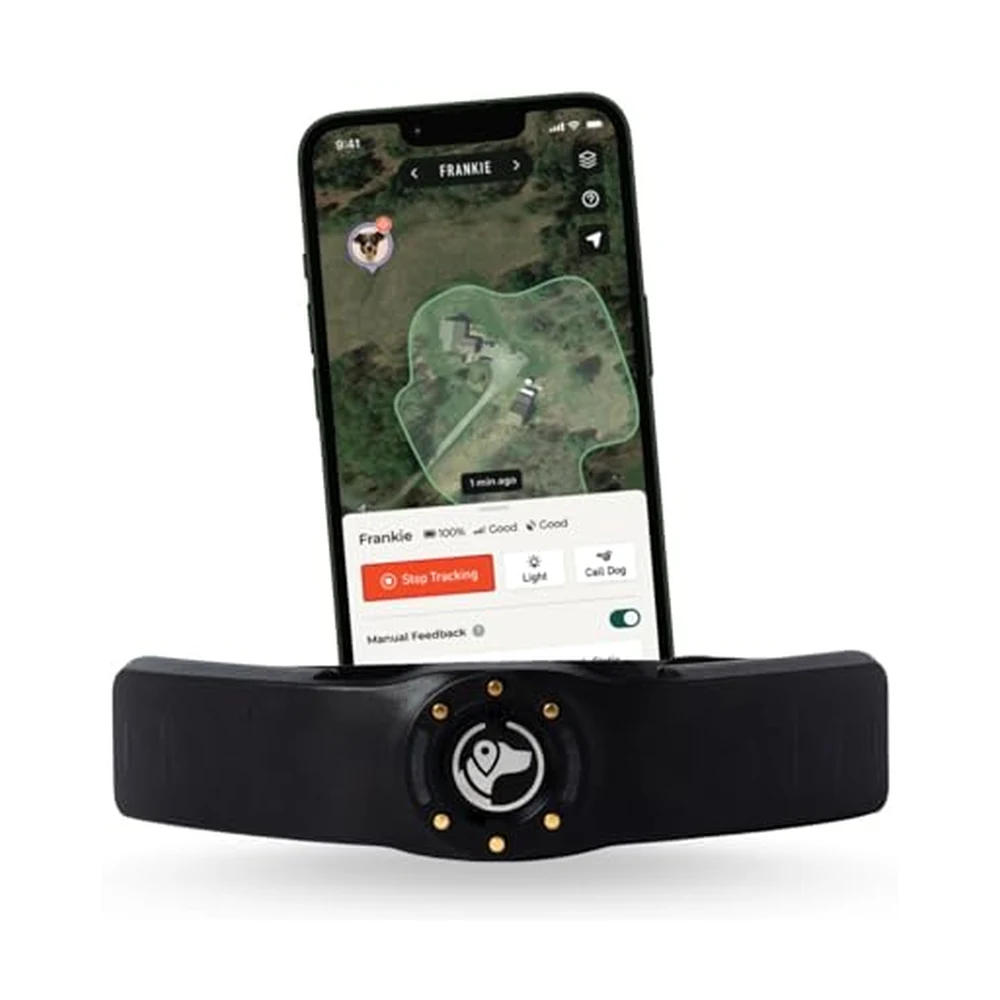
Cellular and GPS, so the range is not your street. The plan is the real commitment: the tracker reports nothing without one.
Our pick for this: Tractive GPS Tracker · $55.30
You want the collar, the fitness data and the escape alerts as one product
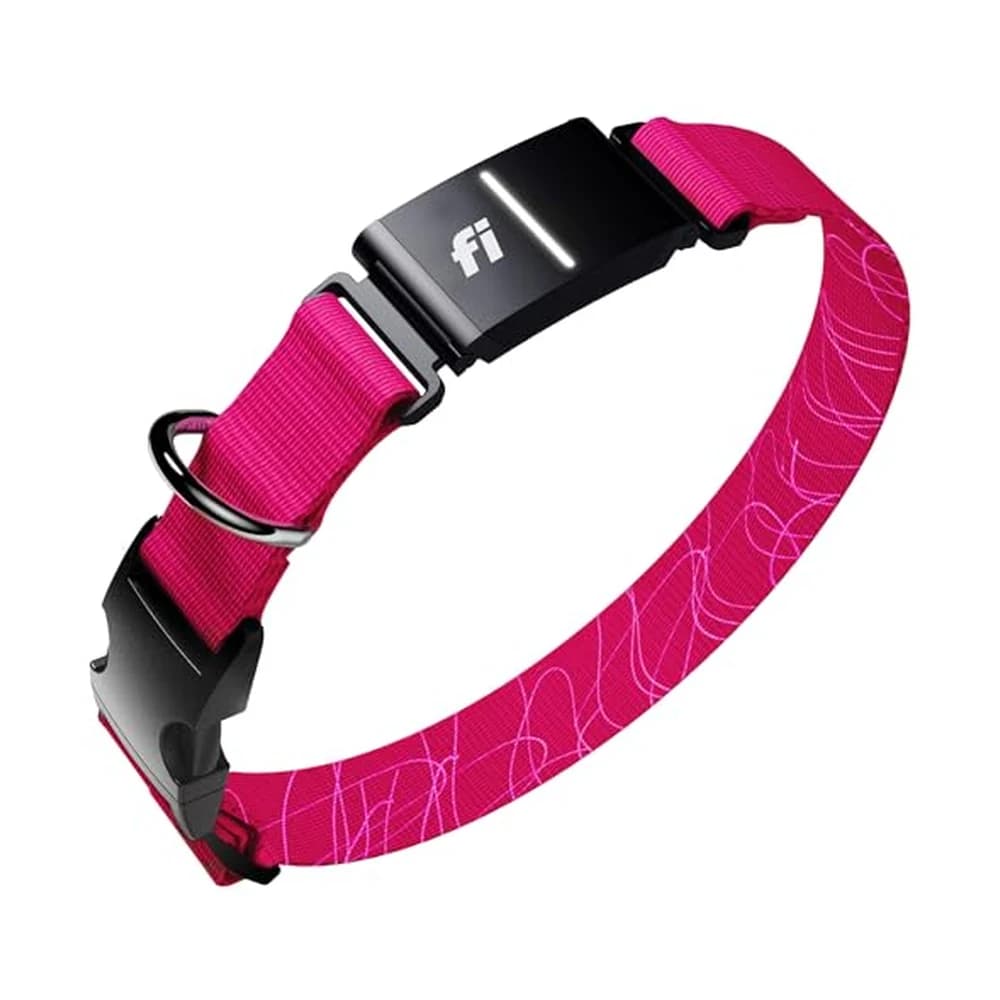
Fi sells the hardware and the membership as one thing. Over three years the membership costs several times the collar, which is the number to budget.
Our pick for this: Fi Series 3+ GPS Collar · $129
You want to find a dropped collar, a lead or a bag
Apple describes AirTag as a way to keep track of personal items like keys and backpacks. It is excellent at that and it is ranked last here because a dog who has run is not a lost item.
Our pick for this: Apple AirTag (2nd Gen) · $24.00
If none of these is your dog: nothing on this shelf is the right answer for every household, and we would rather you bought nothing than the wrong thing. Start from the stage your dog is actually in, or browse the other shelves.
Filter picks5 of 5
Showing 5 of 5 picks — no filters applied
Showing 5 of 5 picks — no filters applied
GPS collars and trackers, feature by feature
The cheapest way into real live tracking — clips onto the collar you already own, with…
- Skip if
- Your dog is under about 8 lb. Tractive rate it for dogs over that weight.
$129 4.1 out of 5 stars · 787 ratings
The escape-prone adolescent — live nationwide location, geofenced escape alerts and a stated…
- Skip if
- You will not renew the membership. The collar's tracking stops being useful when the plan lapses.
The variant we link: Pink
A smaller dog who cannot carry a full smart collar — the same network and alerts in a clip-on…
- Skip if
- You want the longest track record. This is a newer product with a thin review base so far.
The variant we link: Mini

Each pick below carries its own specs, and the tags mark the best of these picks on that point. Specs come from manufacturer listings; ratings are the Amazon aggregate rating and count, refreshed periodically — we don't test products.
How winners are decided: ✓ marks the lowest price, the highest owner rating, the largest stated weight capacity and the longest warranty. Rows where more is not better — size, dimensions, weight, material — and the editorial rows get no ✓ at all. A blank is unknown, never a loss, and a row needs at least two known, differing values before anything can win. How the best-of-these tags are decided: the lowest price, the highest owner rating, the largest stated weight capacity and the longest warranty. Points where more is not better — size, dimensions, weight, material — and the editorial notes carry no tag at all. A blank is unknown, never a loss, and a point needs at least two known, differing values before anything can lead. As an Amazon Associate we earn from qualifying purchases. Specs are the manufacturer's claims and owner-reported data — we research and analyse; we don't test products on dogs.
GPS containment fences
A boundary system, not a tracking device. It is designed to stop a dog leaving an area rather than to find one who already has, and it works by giving the dog a cue or correction at the line — a training decision, not only a purchase.
- SpotOn Nova GPS Fence
$999.00 4.3 out of 5 stars · 3,200
Containment on unfenced acreage — app-drawn GPS boundaries up to 32 acres, with trainer…
Item finders — not GPS, and not designed for pets
Apple describes AirTag as a way to find your items, and says it is designed to track items, not pets or people. It has no GPS: it reports where it is by borrowing passing iPhones, so it works in a dense neighbourhood and can go silent in open country — which is where dogs actually get properly lost. We list it because it is a cheap supplement to a collar tag and a microchip. It is not a tracker, and it does not lead this shelf.
- Apple AirTag (2nd Gen)
$24.00 4.6 out of 5 stars · 7,593
A cheap city-dweller's backup with no subscription — useful in dense neighbourhoods,…
Why GPS trackers matter at this stage
The dog most likely to disappear is an adolescent. Recall is at its least reliable somewhere between about eight and eighteen months, the world is more interesting than you are, and the physical ability to cover ground has arrived well before the judgement to come back. That is the window a tracker earns its money in — and the reason this category is filed under adolescent and adult rather than puppy or senior.
Understand what a tracker is and is not. A microchip is permanent, has no battery and no fee, and works only once a person has already caught your dog and taken them to a scanner. That makes it essential and passive. A GPS tracker is active: it shows you where your dog is right now, and most will alert you the moment they leave a zone you have drawn. Almost all of them need a paid subscription, because they carry their own cellular connection, and that ongoing cost is a bigger part of the decision than the hardware price.
Bluetooth tags are a third category, and the difference matters. An AirTag has no GPS of its own — it reports its position by borrowing passing phones. In a busy street that works well; in open countryside, which is where dogs actually get lost, it can go silent.
None of these replaces the chip, an ID tag, or the recall training. They are a fourth layer.
The thing most owners don’t know
One surprising thing about gps trackers
Apple's own support page describes AirTag as a way to keep track of personal items like keys and backpacks. Apple does not present it as a pet tracker anywhere on that page — it is an item finder, which is why it sits in its own group here.
Source: Use AirTag and Find My to keep track of your personal items - Apple Support
What owners keep saying
The comparison threads settle into the same trade-off: battery life and how quickly the device tells you the dog has left, versus subscription cost. Fi is usually the pick for lasting longer between charges and for a smaller unit, with complaints about charging contacts and about escape alerts arriving late; Tractive is the cheap entry point with live tracking owners rate well in the moment, and the repeated frustrations are daily charging, power-saving modes that delay the alert you actually needed, and the subscription being unavoidable. Owners also warn that any of these can leave a location that is minutes stale, which matters most for the exact scenario they were bought for. AirTags come up constantly and get described as a finder rather than a tracker, useful in dense city areas where other phones are around and unreliable in woods or thinly populated ground, so people treat one as a backup on the collar rather than the plan. Virtual fence collars are the most divided topic, with reports of corrections firing on the wrong side of a boundary, GPS not being fast enough for a dog at speed, and a long training commitment; owners repeatedly note a virtual boundary keeps nothing out and does not stop a determined dog once it is through.
we read 36 threads across r/dogs, r/AirTags, r/tractivegps, r/puppy101, r/FiDogCollar
Paraphrased from public discussion, never quoted and never counted into a statistic we did not measure. Owners are not a controlled study — they are the only long-term use data anybody has.
What we didn’t pick
Things that look like they belong on this shelf and are not on it, with the reason.
An item tag used as a dog tracker
Apple's own support page describes AirTag as a way to keep track of personal items like keys and backpacks. We carry it, ranked last and in its own group, because it is genuinely useful for what it is — and it is not a tracker for a dog who has actually run.
Judging a tracker by the hardware price
The collar is the smaller number. Every live tracker here needs a paid plan to report anything, so the shelf states the running cost before the Amazon link rather than after it.
No-subscription trackers that rely on Bluetooth range
The reason they cost nothing per month is that they stop working at the end of the street. That is a different product and it belongs in the item-finder group, not beside a cellular tracker.
How to choose a tracker
Subscription cost, battery life and the terrain you would actually be searching.
GPS with cellular, or Bluetooth crowd-finding
True GPS trackers report their own position anywhere with coverage. Bluetooth tags rely on other people's phones being nearby — fine in a city, unreliable in fields and woodland.
The subscription, not the sticker price
Almost every live tracker needs a plan. Add three years of subscription to the hardware price before comparing — that is the real cost.
Battery life against how you would use it
Weeks of standby is the headline; live tracking drains far faster. The number that matters is how long it lasts during an actual search.
Geofence alerts
Knowing your dog has left the garden is worth more than being able to look them up later. Escape alerts are what turn a tracker from forensic to preventive.
Waterproofing and attachment
A tracker that comes off in a hedge is no tracker. Check the IP rating and how it mounts, and put it on a collar that will not slip over the head.
Common questions
- Is a GPS tracker better than a microchip?
- They do different jobs and you want both. A microchip is permanent, needs no battery and works when someone brings your dog to a scanner. A GPS tracker shows you where your dog is right now and can alert you the moment they leave the garden — but it needs charging, a subscription and a collar that stays on.
- Does an AirTag work for dogs?
- Partly. It has no GPS of its own — it reports its location through nearby iPhones in Apple's Find My network. In a dense neighbourhood that often works; in open countryside, where dogs most often get properly lost, there may be no phones passing to relay it. It is a cheap supplement, not a substitute for a cellular tracker.
- Do GPS dog trackers need a monthly fee?
- Almost all of them, yes, because the device carries its own cellular connection. Some bundle six or twelve months in the purchase price, which makes the first year look cheap — check what renewal costs before you buy, and add three years of it to the comparison.
Gear
Pairs with
Shelves that go with gps trackers — hand-picked adjacencies, not "customers also bought".
$59.99 4.6 out of 5 stars · 18,114
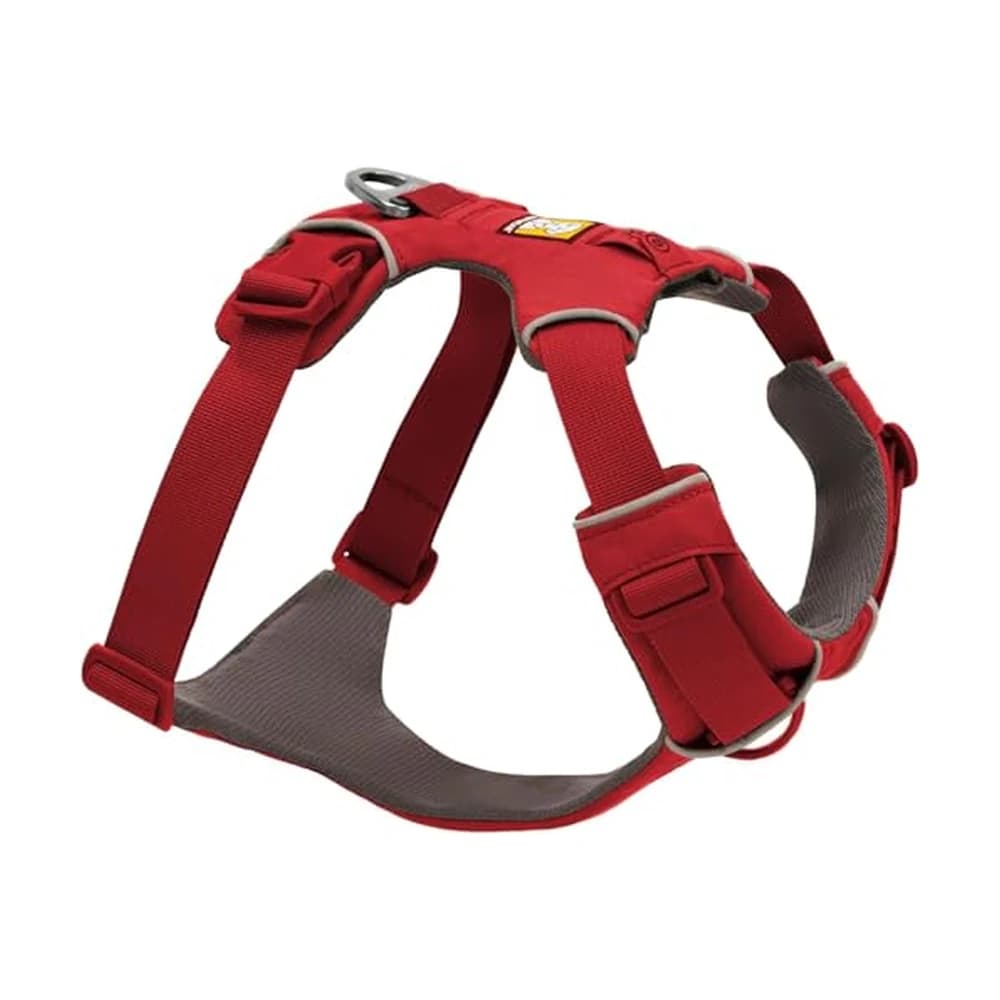
A tracker only reports where the collar is, so what it attaches to is part of the purchase.
$14.94 4.6 out of 5 stars · 18,587
Recall is the cheaper half of this problem, and the tracker is the insurance on it.
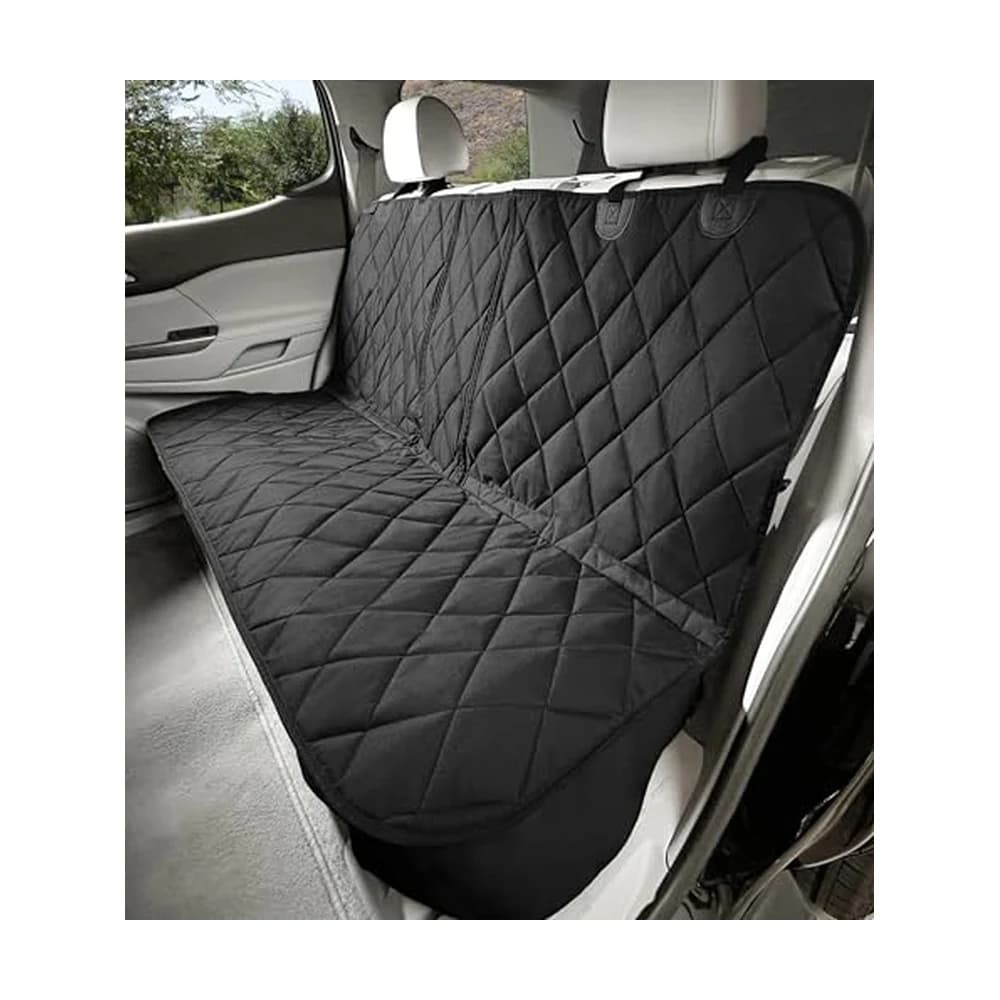
4Knines Rear Seat Cover (fold-down)
$99.99 4.7 out of 5 stars · 2,157
Escapes happen at doors and tailgates far more than they happen in fields.