The Years
Adolescent
Your next chapter
Your perfect puppy did not forget. They are just somewhere else right now.
The stage nobody warned you about, and the one with the least written about it. A dog who sat, came and walked nicely at seven months stops answering at eleven. Recall goes. Chewing comes back. The world gets louder than you are. Nothing is broken, and the dogs who come out the other side are the ones whose people kept the rules the same and stopped taking it personally.
Approximate. AAHA gives no fixed ages: it defines life stages by development, not by birthdays, and publishes no inclusive ages at all for mature adult or senior. These windows are ours, built so you can find the right page. A dog a month either side of a line is the same dog.
Where you are
This stage's checkpoints
Things to check rather than tasks with a deadline — the full list is further down the page.
- Recall practised on a long line three times a week, with a distraction present
- You have stopped repeating cues and started rewarding the first response
- Adult food, adult harness and adult bed, all correctly sized
Nothing here is a test, and none of it has a deadline attached. The full list, and the questions worth asking your vet, are further down the page.
You are here if…
- The recall that worked in the garden does not work in the park any more
- Your dog has started noticing other dogs, or people, or bicycles, in a way they did not before
- Something has been chewed that had not been chewed since the teething months
- A place your dog walked past happily for a year is suddenly a problem
- They can hear you perfectly well and are choosing not to, and you both know it
- You have caught yourself wondering whether you did something wrong
- Somebody has suggested you need to be firmer, and it has not helped
The numbers to know
Rules of thumb, not diagnoses — your vet knows your dog.
What is changing
A note first: adolescent is our word, not a clinical one. AAHA has no adolescent stage; it folds this period into young adult, running from the end of rapid growth to the completion of physical and social maturation, which it says happens in most dogs by three to four years. We split it out because this is where the most owners hit a wall and where the least is written.
The brain. The dog is rebuilding. Attention narrows, impulse control drops, and the reinforcement history you built at six months has to compete with a world that has become vastly more interesting. A second fear period is common: a bin, a man in a hat, a particular corner suddenly matters. It usually passes if you do not make an event of it.
The body. Size arrives before judgement does. A dog who could be steered by hand at twenty pounds now weighs sixty and pulls like it. Sexual maturity lands somewhere in here whether or not neutering has happened, and it changes what other dogs notice about yours.
The behaviour. Boundary-testing is the honest description of the gradual version. Cues that were reliable become negotiable. Rule the other explanations out first, though: a change that arrives suddenly, or a dog who is flinching, guarding, panting, house-soiling, or distressed rather than merely distracted, is a vet conversation before it is a training one, and pain is the commonest thing underneath. Where nothing medical is going on, the answer is not more force; it is going back to the long line, shortening the distances, raising the value of what you are paying with, and accepting that this dog is temporarily a beginner again.
The six needs, this stage
What changes, and the one thing worth getting for it.
Nourish
A slow feeder or puzzle bowl
Turns a thirty-second meal into ten minutes of work, which an adolescent dog needs more than the calories.
Why nourish changes now +Why nourish changes now −
Most dogs move off puppy food during this stage, and when depends entirely on when they finished growing — much earlier for a small dog than a large one. Ask your vet at a weigh-in rather than reading it off a bag. Calorie needs often drop right after neutering while appetite does not, which is the most common moment a dog quietly puts on weight for life. Weigh monthly if you can, and run your hands along the ribs: you should feel them under a thin layer without pressing. Training now costs more treats than it did, so take those calories off meals rather than adding them on top.
Rest
A calming aid, discussed with your vet first
Some dogs respond to pheromone products or supplements. Ask your vet before buying, and treat anything promising a personality change with suspicion.
Why rest changes now +Why rest changes now −
Adolescent dogs are frequently under-rested and it looks exactly like being badly behaved. A dog who cannot switch off gets more exercise thrown at them, gets fitter, and needs more — a loop that ends with an exhausted owner and a dog with the stamina of an athlete. Build in real downtime: a chew in a bed in a quiet room, a settle after a walk rather than more activity. Beds get destroyed at this stage more than any other except teething, so washable and tough beats plush. If a crate has stopped being used, keeping it available as an open den is often worth it.
Move
A long line for recall rebuilding
Back on the long line is not a failure. It is what lets you keep practising recall without ever letting it fail off-leash.
Why move changes now +Why move changes now −
The walk changes character. Your dog is now strong enough that equipment matters: a well-fitted harness spreads the load and takes pressure off the throat when a lunge happens, and a wide leash saves your hands. Sniffing walks do more for an adolescent brain than distance does; running an already-wound-up dog tends to wind them up further. Growth plates have usually closed by the end of this stage in smaller dogs and later in large ones, so ask your vet before starting running, repeated jumping or a sport.
Think
A harder-level puzzle feeder
Multi-step puzzles with sliders and lids. Adolescent dogs are cleverer than the puzzles they were bought at four months.
Why think changes now +Why think changes now −
Chewing returns, and this time the jaw behind it is an adult one. Puppy chews get destroyed in minutes now, and a destroyed toy can become a swallowed toy, so this is the point to move up to genuinely tough rubber and to check what you own for damage every week. Mental work is the lever for the whole stage: scent games, harder puzzles, training that requires thinking rather than obedience. A dog who has solved three problems before lunch is a different animal in the afternoon. Rotation still works, and it is still free.
Train
A front-clip or dual-clip harness
Management while the training catches up. It is not a fix and it does not pretend to be, but it makes the walk survivable enough to practise on.
Why train changes now +Why train changes now −
Go backwards on purpose. Everything gets easier: shorter distances, fewer distractions, higher-value rewards, the long line back on. Reward the cues that still work rather than only chasing the ones that do not, and stop repeating a cue three times, because that teaches the dog that the first two are optional. Do not switch to punishment now — a fearful adolescent learns to avoid you, not to come back. If reactivity toward dogs, people or bikes is emerging, this is the moment to get a credentialled, reward-based behaviour professional involved, while the pattern is weeks old rather than years.
Protect
A GPS collar tracker
Tractive GPS Tracker · $55.30
The stage where recall is least reliable is the stage a tracker is worth most.
Why protect changes now +Why protect changes now −
Adolescence is the stage owners most often tell us they came close to giving up, and most of what drives that is behavioural and fixable. Practically: the dog is fast, strong and less reliable than they were, so containment matters again. Check the fence for gaps at the new size, check the gate latch, and make sure the microchip details are still current — people move house and forget. Parasite prevention keeps changing as the dog gets heavier, and the exposure changes with where you now walk. Heat is worth a thought too: a big, fit, dark-coated adolescent will keep running past the point where they should stop.
Slow Feeders & Bowls, 6 picks side by side
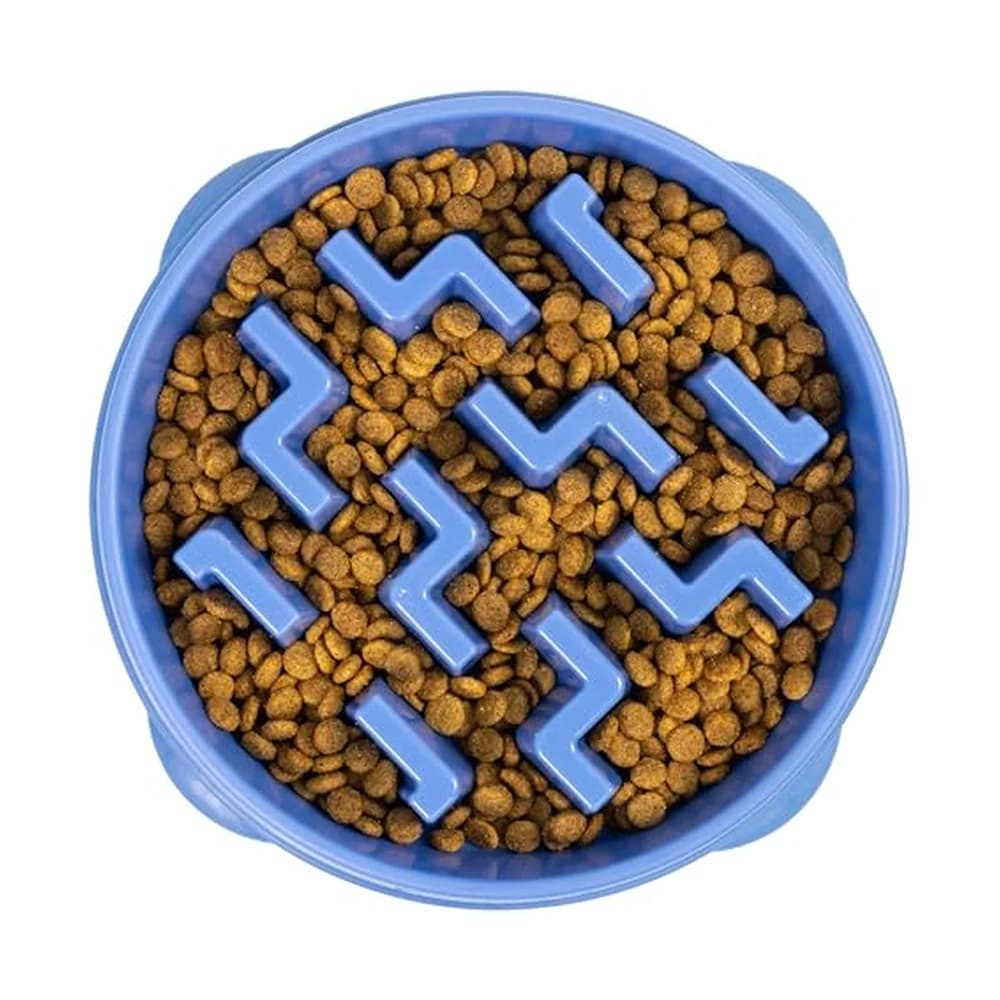
The fast eater — a four-cup maze bowl that stretches a ninety-second meal into several minutes, for about ten dollars
- Size
- Not stated
- Material
- BPA/PVC/Phthalate-free plastic
- Colour
- Not stated
- Dimensions (H × W × D)
- Not stated
- Weight
- Not stated
- Skip if
- You have a flat-faced breed. Deep maze channels are hard work for a short muzzle.
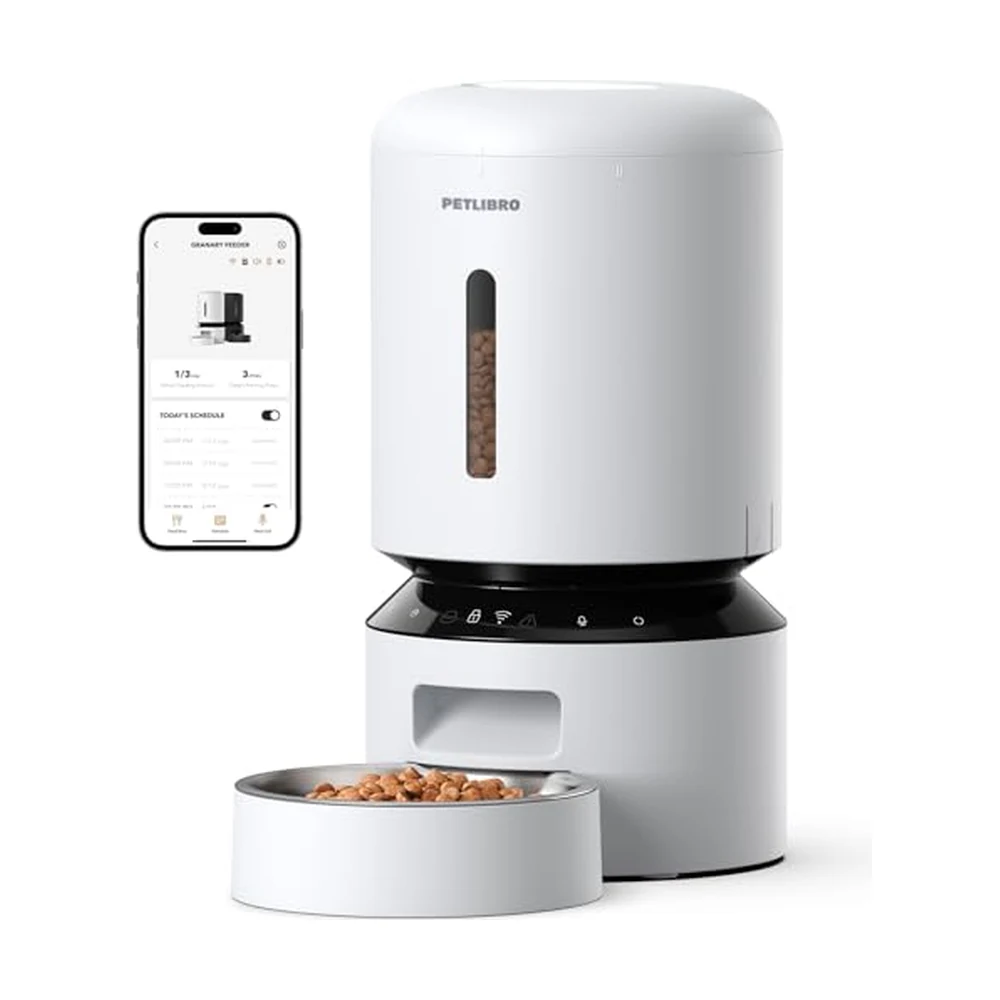
- Automatic feeder
PETLIBRO Granary 5L Wi-Fi Automatic Feeder
$89.99 4.1 out of 5 stars · 10,246 ratings
An adult dog whose mealtimes fall while you are at work, or a senior on smaller, more frequent meals that a person cannot always be home to serve
- Size
- 5L-with WiFi
- Material
- Not stated
- Colour
- White
- Dimensions (H × W × D)
- 11.0 in × 7.5 in × 7.5 in
- Weight
- 4.41 lb
- Skip if
- Your dog eats a large or irregular kibble (owners report jams), your Wi-Fi is unreliable, or the puppy is still young enough that every meal is also a potty-timing cue you want to see.
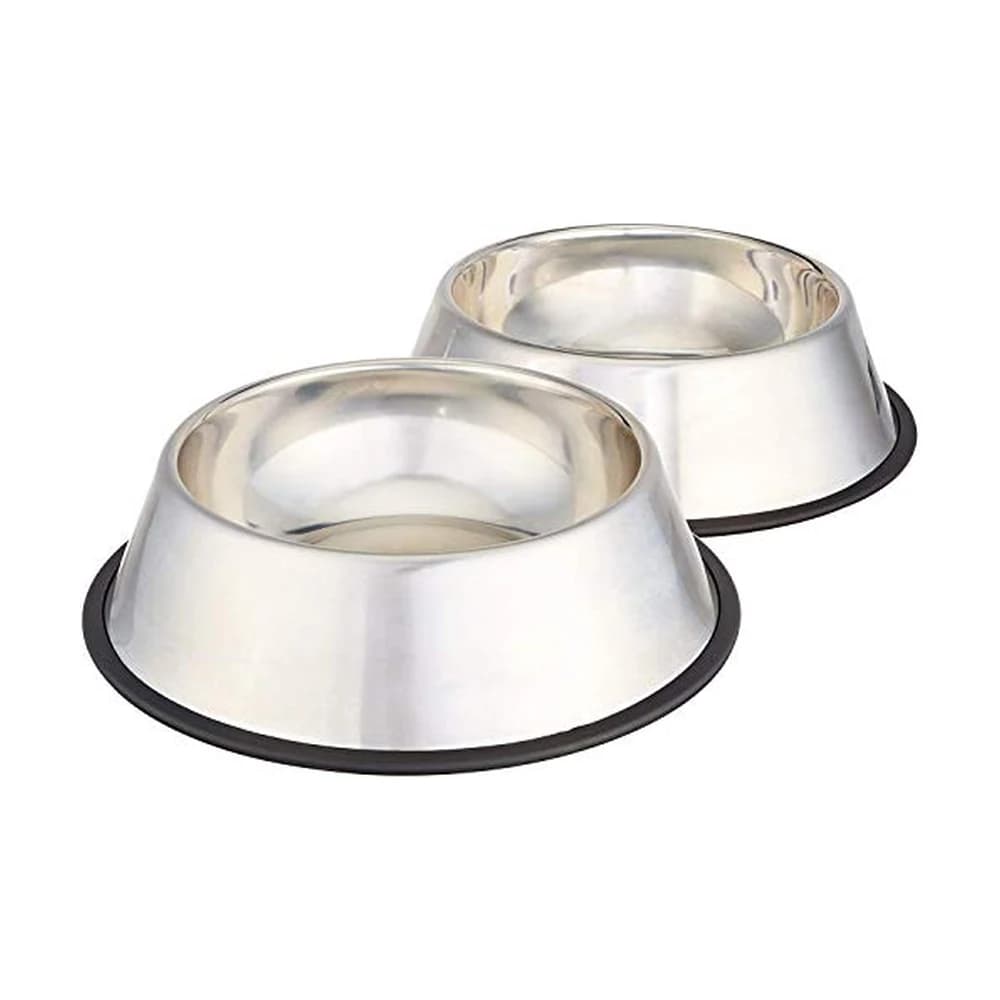
The everyday water and food bowls — stainless, dishwasher safe, non-skid base, two in the box
- Size
- Not stated
- Material
- Stainless steel
- Colour
- Not stated
- Dimensions (H × W × D)
- Not stated
- Weight
- Not stated
- Skip if
- Your dog needs slowing down at meals. These are plain bowls with no maze.
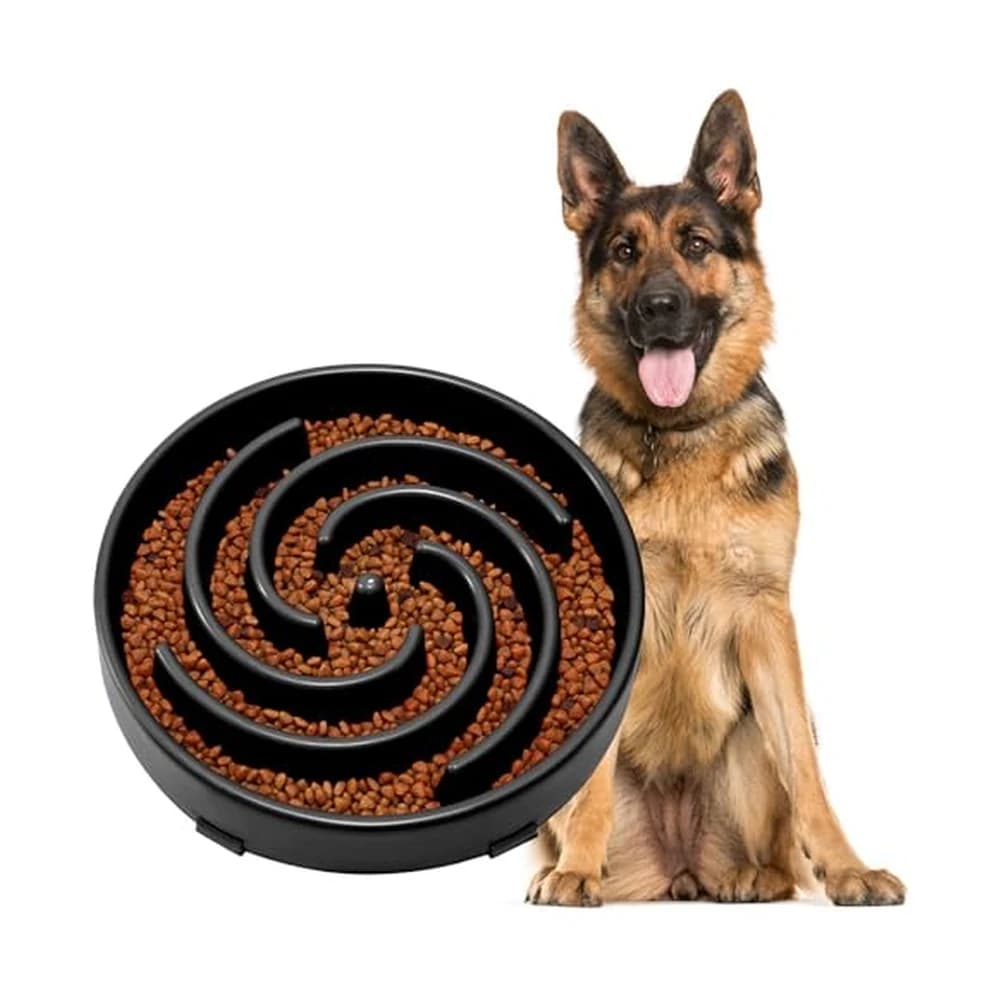
A slightly gentler maze — a spiral pattern that slows a dog down without frustrating them, with a silicone anti-slip ring
- Size
- Not stated
- Material
- Food-grade PP plastic
- Colour
- Not stated
- Dimensions (H × W × D)
- Not stated
- Weight
- Not stated
- Skip if
- You have a giant-breed dog. Owners report it being too small for the largest breeds.
The messy eater and the arthritic neck — raised stainless bowls in a frame that catches spilled food and drains spilled water
- Size
- Not stated
- Material
- Plastic frame + stainless steel bowls
- Colour
- Not stated
- Dimensions (H × W × D)
- Not stated
- Weight
- Not stated
- Skip if
- You have a large deep-chested dog. Raised feeding and bloat risk is a live debate — ask your vet first.
A puppy meeting their first bowl, and a small older dog whose neck no longer wants to reach down into a well
- Size
- 1 Bowl 8.2 inch
- Material
- Not stated
- Colour
- Not stated
- Dimensions (H × W × D)
- 1.0 in × 9.0 in × 9.0 in
- Weight
- 0.62 lb
- Skip if
- You have a large-breed dog — the maker sizes this for small and medium animals, and a big dog will push it around.
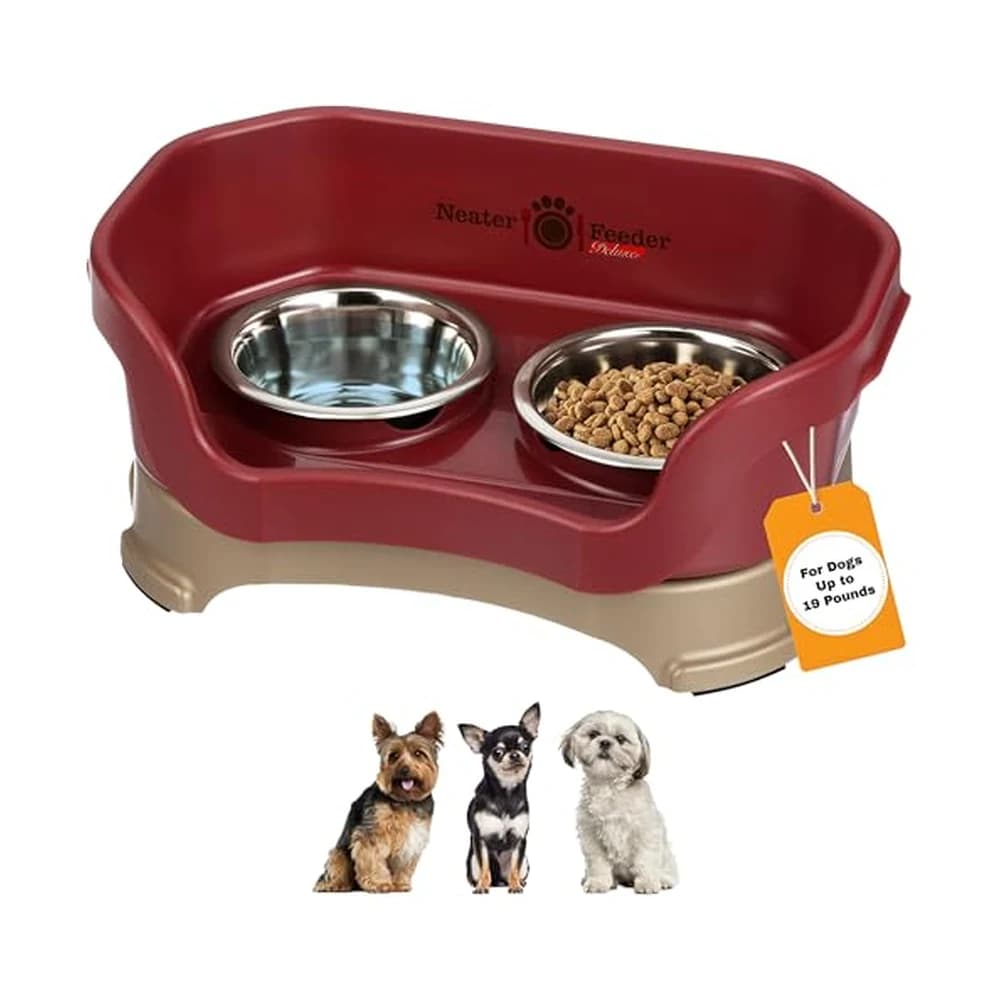
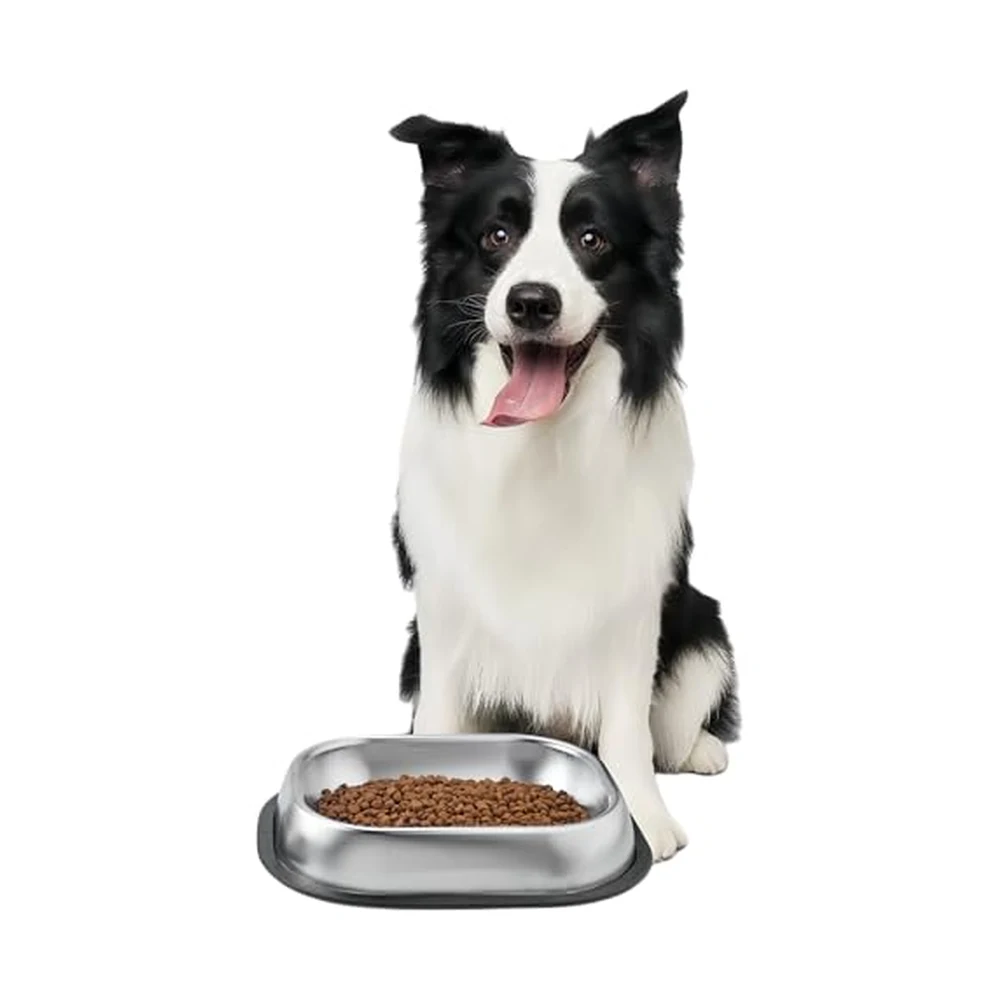
Each pick below carries its own specs, and the tags mark the best of these picks on that point. Specs come from manufacturer listings; ratings are the Amazon aggregate rating and count, refreshed periodically — we don't test products.
How winners are decided: ✓ marks the lowest price, the highest owner rating, the largest stated weight capacity and the longest warranty. Rows where more is not better — size, dimensions, weight, material — and the editorial rows get no ✓ at all. A blank is unknown, never a loss, and a row needs at least two known, differing values before anything can win. How the best-of-these tags are decided: the lowest price, the highest owner rating, the largest stated weight capacity and the longest warranty. Points where more is not better — size, dimensions, weight, material — and the editorial notes carry no tag at all. A blank is unknown, never a loss, and a point needs at least two known, differing values before anything can lead. As an Amazon Associate we earn from qualifying purchases. Specs are the manufacturer's claims and owner-reported data — we research and analyse; we don't test products on dogs.
This stage is done when
Adolescent milestones
- Recall practised on a long line three times a week, with a distraction present
- You have stopped repeating cues and started rewarding the first response
- Adult food, adult harness and adult bed, all correctly sized
- A settle on a mat holds through a whole meal in a cafe or a friend's kitchen
- One walk a week that is entirely sniffing, at the dog's pace
- Weight checked monthly, and you can feel the ribs under a thin layer
- You know which specific situations your dog cannot cope with, and you are managing distance rather than pushing through
- The fence, the gate and the microchip details have all been rechecked at adult size
- If reactivity has appeared, a reward-based behaviour professional has been contacted
- You have accepted out loud that this stage passes, which is genuinely part of getting through it
Off by default. Turn it on and the ticks are stored in this browser only. They are not sent to us, we cannot read them, there is no account and there is nothing to sign up for. Clearing your browser data, or switching it off again, deletes them. If your browser blocks site storage the page still works, it just will not remember.
Untick this for a blank sheet to put on the fridge, whatever is ticked on screen.
Take these to the vet
Questions to ask
- Ask your vet if your dog's behaviour changes suddenly rather than gradually. A dog who becomes irritable, clingy or reluctant to be touched may be in pain, and pain is often mistaken for adolescence.
- Ask your vet whether your dog's growth plates have closed before starting running, agility or repeated jumping, particularly with a large or giant breed.
- Ask your vet whether your dog's weight is right at the next visit, especially in the months after neutering, when calorie needs commonly drop while appetite does not.
- Ask your vet or a credentialled behaviour professional early if your dog is lunging, growling or barking at other dogs, people or vehicles. Early is weeks, not years.
- Ask your vet about heat tolerance for your dog's build before summer, particularly for flat-faced, heavy-coated or dark-coated dogs who will keep going past their limit.
We research; we are not your vet and we do not examine your dog. Anything here that touches health is a question to ask, not an answer to act on. Take it with you — a written list is easier than remembering in the room.
Train at home, this stage
- Adolescent Dog Regression: Why It HappensYour perfect puppy has forgotten everything at eleven months. That is normal, it is temporary, and here is what to do about it.
- How to Teach Recall at Home, Step by StepRecall is a paid behavior, built indoors first, then on a long line. Never call a dog to something he will not enjoy.
- Loose Leash Walking: A Plan That Actually HoldsPulling is rewarded by the walk itself. Fix it by changing what pulling produces, not by making pulling hurt.
Learn more
- Dog Life Stages Explained (And Who Decides)Four clinical stages, six practical ones. What AAHA actually defines, where adolescence fits, and why the stage changes what your dog needs.
- The Puppy Socialization Window, and What to DoThe first three months are the most important socialization period. AVSAB calls socializing before full vaccination the standard of care.
Is one of these your evening?
Sources
- AAHA 2019 Canine Life Stage Guidelines - definitions — That AAHA has no adolescent stage, that young adult runs from the end of rapid growth to the completion of physical and social maturation, and that this completes in most dogs by three to four years.
- Salt C, Morris PJ, German AJ, et al. Growth standard charts for monitoring bodyweight in dogs of different sizes. PLoS ONE (2017) — That large breeds can take up to twenty-four months to reach adult body weight, which is why this stage runs longer in a big dog.
- AKC - How to Calculate Dog Years to Human Years — That dogs age fastest in their first two years, which is the window this stage sits at the end of.
We are not your vet, and this site does not diagnose anything. Everything medical here ends with the question to ask at your next appointment, because the person who has examined your dog knows things a website cannot. If something has changed suddenly, call them rather than reading on.