Dog calming aids: chews, vests and pheromones
Calming products help around the edges of fear. They do not treat separation anxiety or noise phobia — those need a behaviour plan, and often a vet.
Amazon links earn us a commission; it doesn’t change what we recommend. Researched, not tested — how we research.
Start here
Which one is right for you?
Three different dogs, three different answers. Each one names what it is good at and what it costs you.
A stressor you can see coming — fireworks, a car trip, the guests
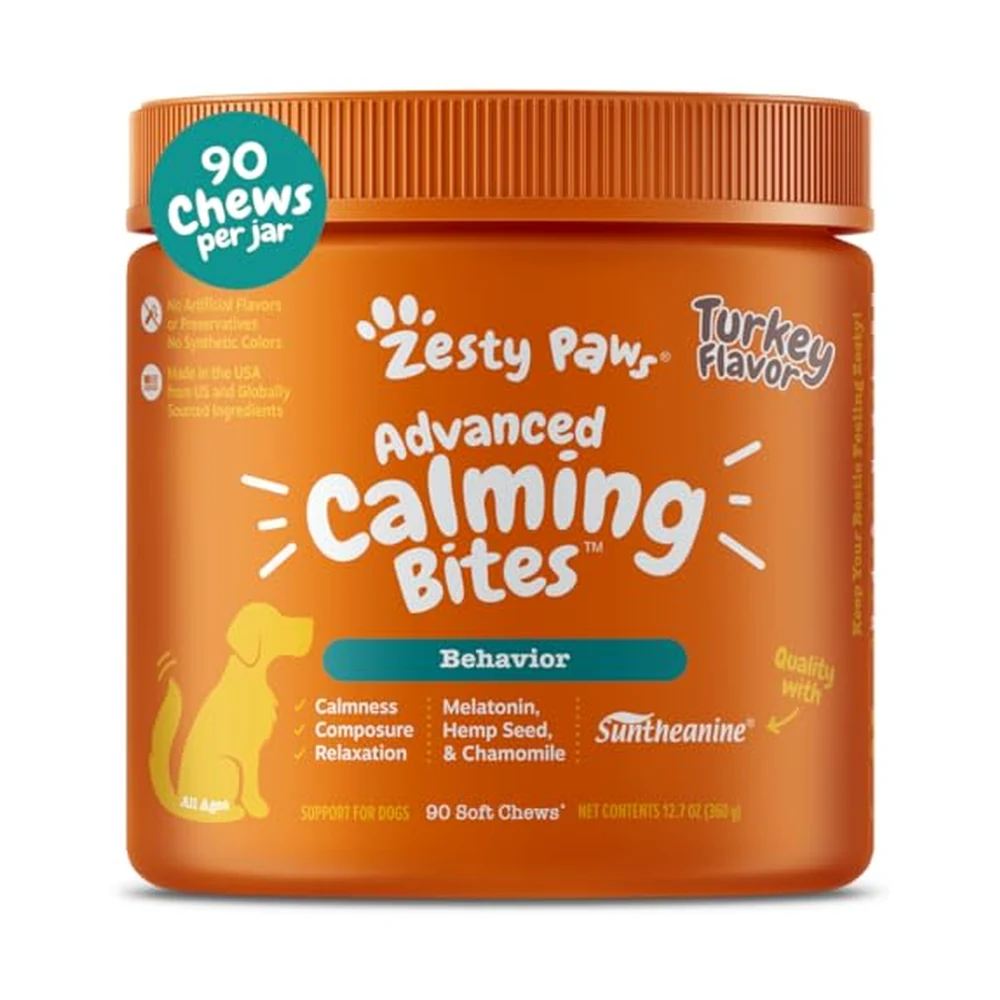
A soft chew given ahead of a known event. Owner results are honestly mixed and we make no efficacy claim; daily, disruptive anxiety is a vet and trainer conversation, not a supplement.
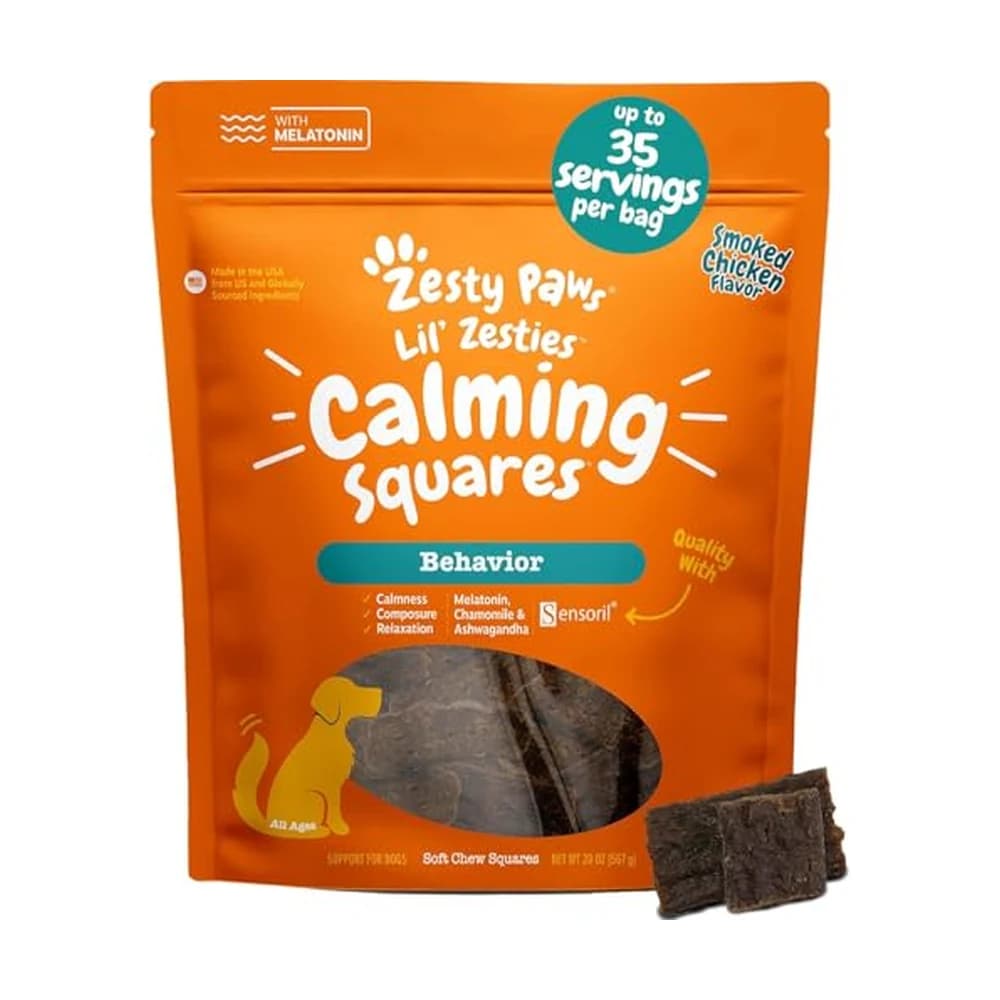
Our pick for this: Zesty Paws Calming Chews 10-Ounce · $16.97
Storms and fireworks
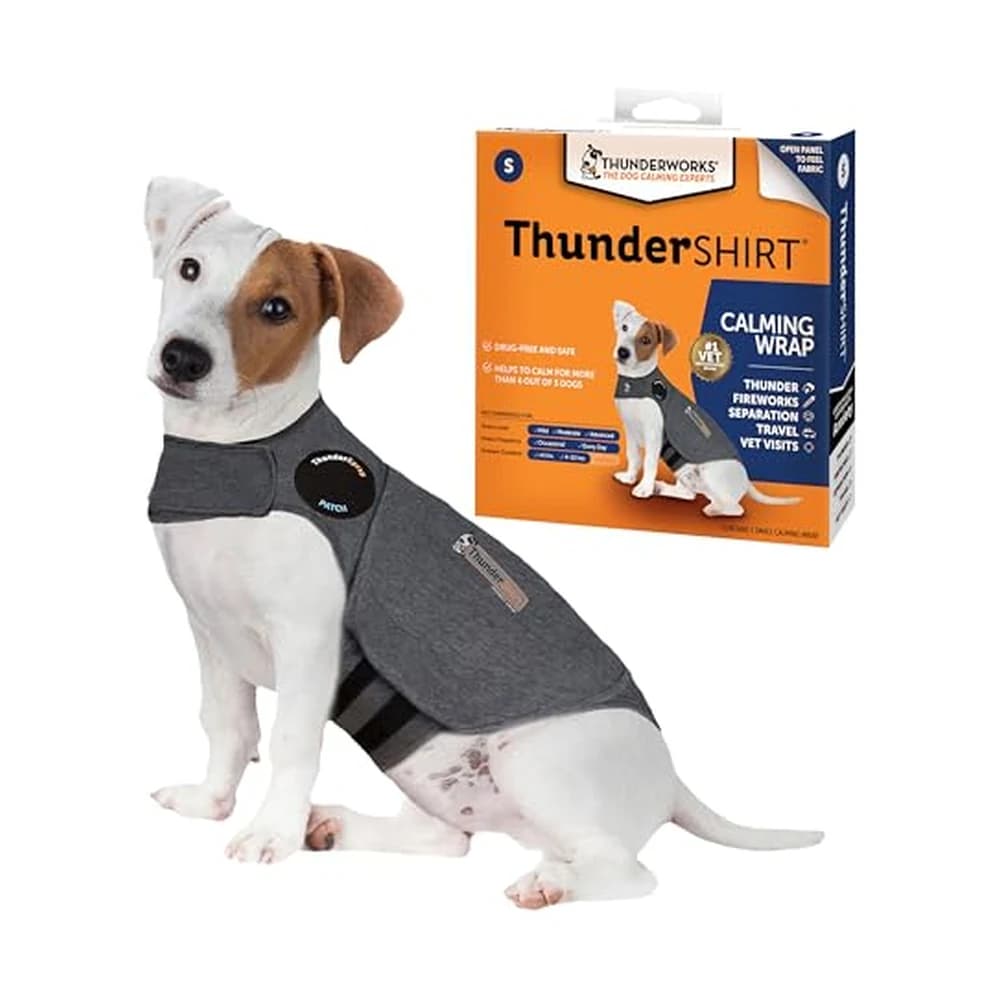
Fit it before the season rather than during the storm — a dog who first meets it in a panic learns the wrong association.
Our pick for this: ThunderShirt Calming Vest · $39.75
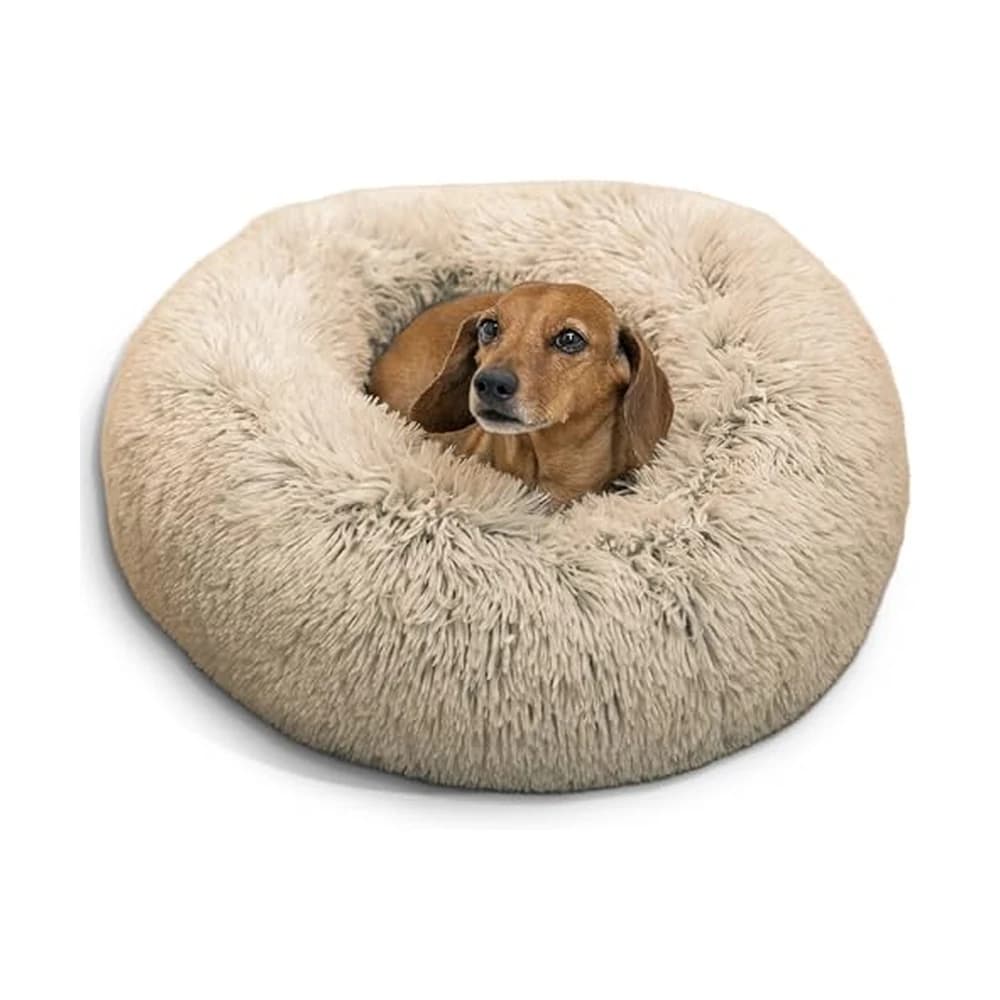
A dog who settles better nested
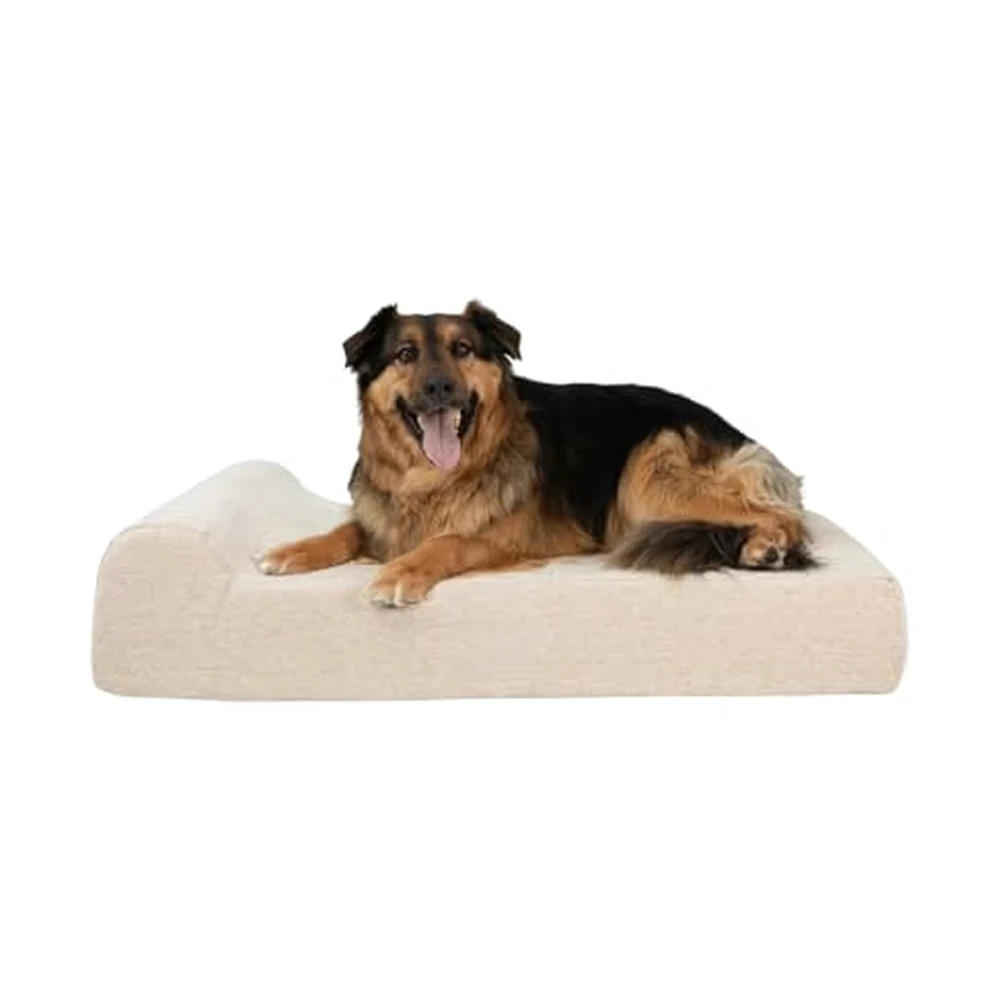
Sometimes the calming product is a place to curl up with sides. Washable, which matters on a bed a dog burrows into.
Our pick for this: Best Friends Calming Donut Bed · $34.99
If none of these is your dog: nothing on this shelf is the right answer for every household, and we would rather you bought nothing than the wrong thing. Start from the stage your dog is actually in, or browse the other shelves.
Filter picks4 of 4
Showing 4 of 4 picks — no filters applied
Showing 4 of 4 picks — no filters applied
The picks, feature by feature
- Calming supplement
Zesty Paws Calming Chews 10-Ounce
$16.97lowest here Owner rating 4.2 out of 5 · 2,672 ratings
An adolescent or adult dog whose stress is situational (fireworks, car rides, guests) and whose owner wants a chew rather than a pill
- Size
- 10 Ounce (Pack of 1)
- Material
- Not stated
- Dimensions (H × W × D)
- 3.78 in × 3.94 in × 3.94 in
- Weight
- 0.62 lb
- Weight capacity
- Not stated
- Model
- B08H6V9WJ6
- Manufacturer
- Zesty Paws LLC
- Skip if
- The anxiety is daily and disruptive; that is a vet and trainer conversation, not a supplement.
The variant we link: 10oz
- Washable bed
Best Friends Calming Donut Bed
$34.99 Owner rating 4.6 out of 5 · 73,239 ratingsbest rated
A dog who burrows and curls — a deep round bed with 360-degree bolsters, and the whole thing goes in the washing machine
- Size
- Not stated
- Material
- Shag faux fur with AirLoft fibers
- Dimensions (H × W × D)
- Not stated
- Weight
- Not stated
- Weight capacity
- Up to 75 lbs
- Model
- Not stated
- Manufacturer
- Not stated
- Skip if
- Your dog has arthritis and needs to lie flat. A deep donut is the wrong shape for stiff joints.
The variant we link: Taupe · Small · 23"
$39.75 Owner rating 4.2 out of 5 · 43,047 ratings
Storms and fireworks — constant gentle pressure, drug-free, with a money-back guarantee if it does nothing
- Size
- Not stated
- Material
- Breathable, machine-washable fabric
- Dimensions (H × W × D)
- Not stated
- Weight
- Not stated
- Weight capacity
- Not stated
- Model
- Not stated
- Manufacturer
- Not stated
- Skip if
- Your dog panics when alone. Separation anxiety needs a behaviour plan, not a garment. Rated 4.2 stars on about 43,000 ratings, under our usual 4.3 bar.
The variant we link: Small · Heather Gray
- Calming supplement
Zesty Paws Advanced Calming Chews 90-Count
$35.97 Owner rating 4.1 out of 5 · 28,578 ratings
An event you can see coming — a car journey, a vet visit, a firework night — given 30 to 60 minutes ahead
- Size
- Not stated
- Material
- Not stated
- Dimensions (H × W × D)
- Not stated
- Weight
- Not stated
- Weight capacity
- Not stated
- Model
- Not stated
- Manufacturer
- Not stated
- Skip if
- Your dog is on medication. Melatonin and valerian interact — clear it with your vet first. Rated 4.1 stars on about 28,000 ratings, under our usual 4.3 bar; it is here as the subject of our ThunderShirt comparison.
The variant we link: 90 Ct
Specs come from manufacturer listings; ratings are Amazon's aggregate rating and count. Prices checked November 1, 2026. As an Amazon Associate we earn from qualifying purchases.
How we mark winners
A ✓ in the table (a “best of these” tag on the phone cards) marks the lowest price, the highest owner rating, the largest stated weight capacity and the longest warranty. Size, dimensions, weight, material and the editorial rows never win — more is not better there. A blank is unknown, never a loss, and nothing wins without at least two known, differing values. Methodology
How good is the evidence for each ingredient?
Calming products are sold on what is in them or what they do. Here is how much published dog research sits behind each one on this shelf. The short version: nothing here is strongly proven, so treat any of them as a helper alongside behaviour work, never instead of it.
| Ingredient | Evidence | What the research says |
|---|---|---|
| Pressure wrap (not an ingredient — what the vest does)In: ThunderShirt Calming Vest | Limited | Two small studies. One reported lower heart rate and some calmer behaviour in dogs with an anxiety disorder, and its authors frame the wrap as an add-on to behaviour work and medication, not a replacement. The other was an open-label trial in thunderstorm-phobic dogs, with no untreated comparison group.
|
| Dog-appeasing pheromone (DAP / Adaptil) | Limited | Mixed. A systematic review of seven dog studies found sufficient evidence in only one (fear during training); the other six — noise phobia, travel, the vet clinic, shelters and new puppies — gave insufficient evidence either way. Not proven useless; not proven either. |
| L-theanine (Suntheanine)In: Zesty Paws Advanced Calming Chews 90-Count | Limited | The best-studied calming-chew ingredient, which is not saying much: a laboratory study of fear of strangers and an open-label study in storm-sensitive dogs with no placebo group both reported improvement. Promising, uncontrolled, and worth reading as that.
|
| MelatoninIn: Zesty Paws Advanced Calming Chews 90-Count | Insufficient | Used off-label in dogs for sleep and behaviour problems, but the best dose, timing and duration for anxiety are unknown and the calming effect in dogs rests largely on anecdote. Never give a human melatonin product without checking the label with your vet: some contain xylitol, which is toxic to dogs. |
| ChamomileIn: Zesty Paws Advanced Calming Chews 90-Count | Insufficient | We found no controlled trial of chamomile eaten by dogs. The one study usually cited is about SCENT: shelter dogs exposed to lavender and chamomile aromas rested more and barked less — a different route, a different setting, and not evidence for a chew. |
| Valerian rootIn: Zesty Paws Advanced Calming Chews 90-Count | Insufficient | No trial of valerian on its own in dogs that we could find. One placebo-controlled trial in firework-fearful dogs tested a blend of tryptophan, valerian and passionflower and reported less fear — but it was paid for by the supplement's maker, and a blend cannot tell you which ingredient did the work. |
- Strong:
- Consistent benefit across well-controlled trials, or a systematic review that rates the evidence high.
- Moderate:
- Systematic reviews find a benefit, but the trials are small or the best results come from a different form of the ingredient.
- Limited:
- Small, open-label, uncontrolled or maker-funded studies, or results that point in different directions.
- Insufficient:
- No controlled dog trial of the ingredient on its own, or the best evidence finds no effect.
A grade is our reading of the published research, not veterinary advice. A weak evidence grade does not mean a product cannot help a particular dog, and a supplement can interact with medicines — check with your vet before starting one, and see your vet about any new anxiety or stiffness, because both can be signs of pain or illness. Sources opened and read on 2026-09-25.
Why calming aids matter at this stage
Fear in dogs is a welfare problem, not a behaviour quirk, and the honest framing for this whole category is that products sit at the edges of the solution rather than at its centre. Separation anxiety, noise phobia and generalised anxiety respond to structured behaviour modification, and in many cases to medication prescribed by a vet or a veterinary behaviourist. A vest or a diffuser used instead of that plan is a delay; used alongside it, it can genuinely take the edge off.
The three mechanisms are different. Pressure wraps apply constant gentle compression, which many owners find helps with thunderstorms and fireworks. Pheromone products emit an analogue of the appeasing pheromone a nursing mother produces. Calming chews use ingredients like L-theanine, tryptophan and melatonin — they are supplements, not sedatives, with effects that are modest and variable.
The stage angle matters. Adolescence brings a genuine fear period and a spike in reactivity. Adults meet fireworks, storms and change. And in senior dogs, night-time pacing, disorientation and new-onset anxiety are classic signs of canine cognitive dysfunction — a recognised condition your vet can help with, and one where reaching for a calming chew instead of a diagnosis loses time that matters.
Always tell your vet what you are giving, particularly anything containing melatonin, before adding it alongside medication.
The thing most owners don’t know
One surprising thing about calming aids
A Knowledge Summary in the peer-reviewed journal Veterinary Evidence concluded that the evidence for using dog appeasing pheromone to manage stress behaviours in dogs over six months of age remains weak, and that until the evidence is stronger a true clinical benefit is undetermined.
What owners keep saying
Pressure wraps and pheromone diffusers generate the same split every time: a group of owners who say the dog settled enough to lie down through a storm, and a group who saw nothing at all, with the fit of the wrap and a calm, treat-paired introduction often separating the two. Owners who report success almost always describe the product as taking the edge off rather than solving the anxiety, and pair it with training, a covered or enclosed sleeping spot, and management of the trigger. Over-the-counter calming chews draw the most skepticism, with owners describing effects as subtle at best and pointing anyone dealing with panic-level fear toward their vet. In senior dogs, night pacing and restlessness threads turn quickly to sundowning and cognitive decline, and the repeated advice is a vet workup for pain or dementia before buying another calming product.
Owner consensus from threads across r/dogs, r/reactivedogs and r/seniordogs.
Paraphrased from public discussion, never quoted and never counted into a statistic we did not measure. Owners are not a controlled study — they are the only long-term use data anybody has.
What we didn’t pick
Things that look like they belong on this shelf and are not on it, with the reason.
Pheromones as a first answer for real anxiety
A Veterinary Evidence Knowledge Summary concluded that the evidence for dog appeasing pheromone in dogs over six months old remains weak and that a true clinical benefit is undetermined. This shelf does not currently carry a pheromone diffuser.
CBD and hemp calming products
The regulatory position is unsettled and the labelled content is frequently not what is in the bottle. With nothing checkable to compare we leave the category out entirely.
Calming chews for separation anxiety
Separation anxiety is a behaviour-modification problem with a training plan attached. A chew may help around the edges of a thunderstorm; it does not treat a dog who panics when you leave.
How to choose a calming aid
Identify the trigger, use the product alongside a plan, and involve your vet when the fear is real.
Match the tool to the trigger
Pressure wraps are most often used for storms and fireworks; pheromones for general household stress and new environments; chews for anticipated events like a car journey.
Alongside training, not instead of it
None of these change what a dog believes about the thing they fear. Desensitisation and counter-conditioning do that; the product makes the dog calm enough to learn.
Introduce it before the event
A vest first worn during a thunderstorm becomes part of the frightening memory. Fit it on calm days first, and start chews and diffusers well ahead.
Tell your vet what is in it
Melatonin, valerian and other actives interact with medication. Anything you add should be on the list your vet knows about.
Escalate when it is real fear
Panic, destruction, self-injury or house-soiling when alone are not product problems. That is a veterinary behaviour case, and there is effective help available.
Common questions
- Do calming vests and pheromones actually work?
- Manufacturers cite owner surveys — ThunderShirt report 89 per cent of owners seeing improvement, ThunderEase over 80 per cent — and owner surveys are weak evidence with a strong placebo component on the human side. Many owners do find them helpful for storms and fireworks. Treat them as low-risk aids that may help, not as treatment.
- What actually helps a dog with separation anxiety?
- A structured behaviour plan built around very gradual departures, often with medication prescribed by a vet or veterinary behaviourist. It is a treatable condition with real protocols behind it. Products can support that plan; nothing on this page substitutes for it, and severe cases genuinely need professional help.
- My old dog paces and whines at night. Is that anxiety?
- It might be canine cognitive dysfunction, which commonly shows up as night-time restlessness, disorientation, altered sleep cycles and new anxiety. It is recognised and there are things your vet can do. Pain and medical causes also present this way, so ask directly: "could this be cognitive dysfunction or pain, and what should we rule out?"
- Do calming dog treats work?
- The evidence for calming dog treats is limited. L-theanine, the best-studied ingredient, has shown improvement only in small or uncontrolled studies, and melatonin's calming effect in dogs rests largely on anecdote. The FDA does not review pet supplements for effectiveness before sale. Some owners find a chew takes the edge off a known event like fireworks, but chews do not treat real anxiety. That is a conversation with your vet.
- Is it okay to give my dog calming treats every day?
- Follow the label and check with your vet before making calming treats a daily habit, especially if your dog takes other medication. Supplements can have side effects; VCA lists sleepiness and weight gain for melatonin. If your dog seems to need a calming product every day, that suggests ongoing anxiety. Cornell's vets advise seeing your vet rather than relying on an over-the-counter remedy, because prescription medication and a behaviour plan may help.
- Do calming collars and pheromone diffusers work?
- The evidence for calming collars and diffusers is weak. A Veterinary Evidence review of eight controlled trials found that a true benefit from dog-appeasing pheromone is undetermined. It also found no sign that the collar, spray or diffuser beats the others. There was moderate evidence of some help with thunderstorm fear. The reviewers judged it unlikely to cause harm, so it can sit inside a wider plan, not replace one.
Sources
- Veterinary Evidence: Can dog appeasing pheromone ameliorate stress behaviours associated with anxiety in mature domestic dogs? — Evidence for dog-appeasing pheromone in dogs over six months is weak and a true clinical benefit is undetermined; no formulation (spray, diffuser or collar) was superior; moderate evidence for thunderstorm-related fear; unlikely to cause harm
- Cornell Riney Canine Health Center: Anxious behavior - how to help your dog cope with unsettling situations — Signs of separation anxiety, noise sensitivity and cognitive dysfunction (night-time pacing and restlessness in seniors); anti-anxiety medication is a solid option and a vet visit beats an over-the-counter remedy
- VCA Animal Hospitals: Melatonin — Melatonin is used off-label in dogs; the FDA does not review supplements for safety or effectiveness before sale; side effects include sleepiness and weight gain; human products may contain xylitol
- Pike, Horwitz, Lobprise 2015: open-label study of l-theanine (Anxitane) in storm-sensitive dogs — L-theanine evidence in dogs comes from an open-label study with no placebo group
Gear
Pairs with
Shelves that go with calming aids — hand-picked adjacencies, not "customers also bought".
$13.96 Owner rating 4.6 out of 5 · 93,737
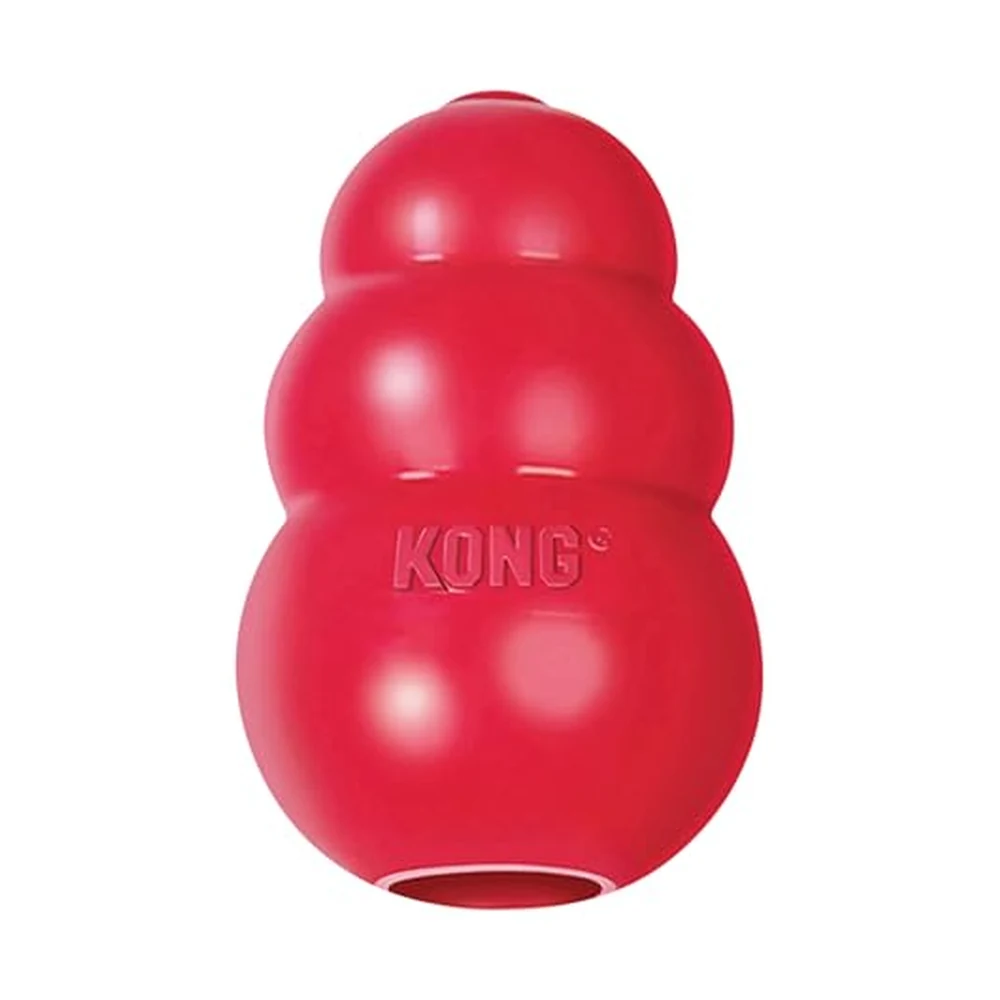
Try the workload first: a great deal of what gets treated as anxiety is an unspent dog.
$289.95 Owner rating 4.7 out of 5 · 5,903
Where a dog settles decides whether it settles, especially for an older one.
$84.99 Owner rating 4.7 out of 5 · 70,262
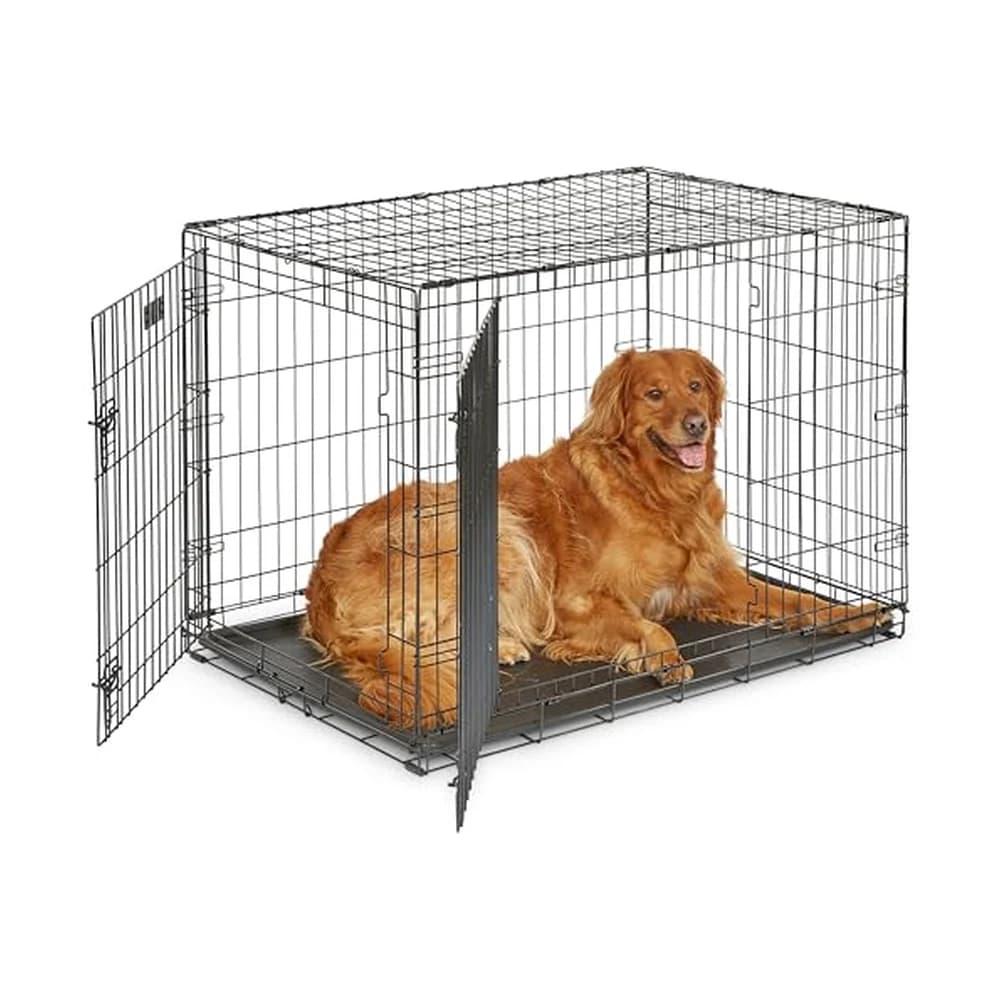
For a puppy, the crate is the calming intervention — everything else is an addition to it.