The best puppy food, compared.
Puppy food is not adult food in a smaller bag. For large breeds especially, the calcium balance is the whole point — and switching brands is a slow job.
Amazon links earn us a commission; it doesn’t change what we recommend.
Start here
Which one is right for you?
Three different dogs, three different answers. Each one names what it is good at and what it costs you.
A puppy expected to be seventy pounds or more as an adult
Check the AAFCO statement on any bag before the brand: including growth of large-size dogs is the phrase that matters, and except for is the one that rules a bag out.
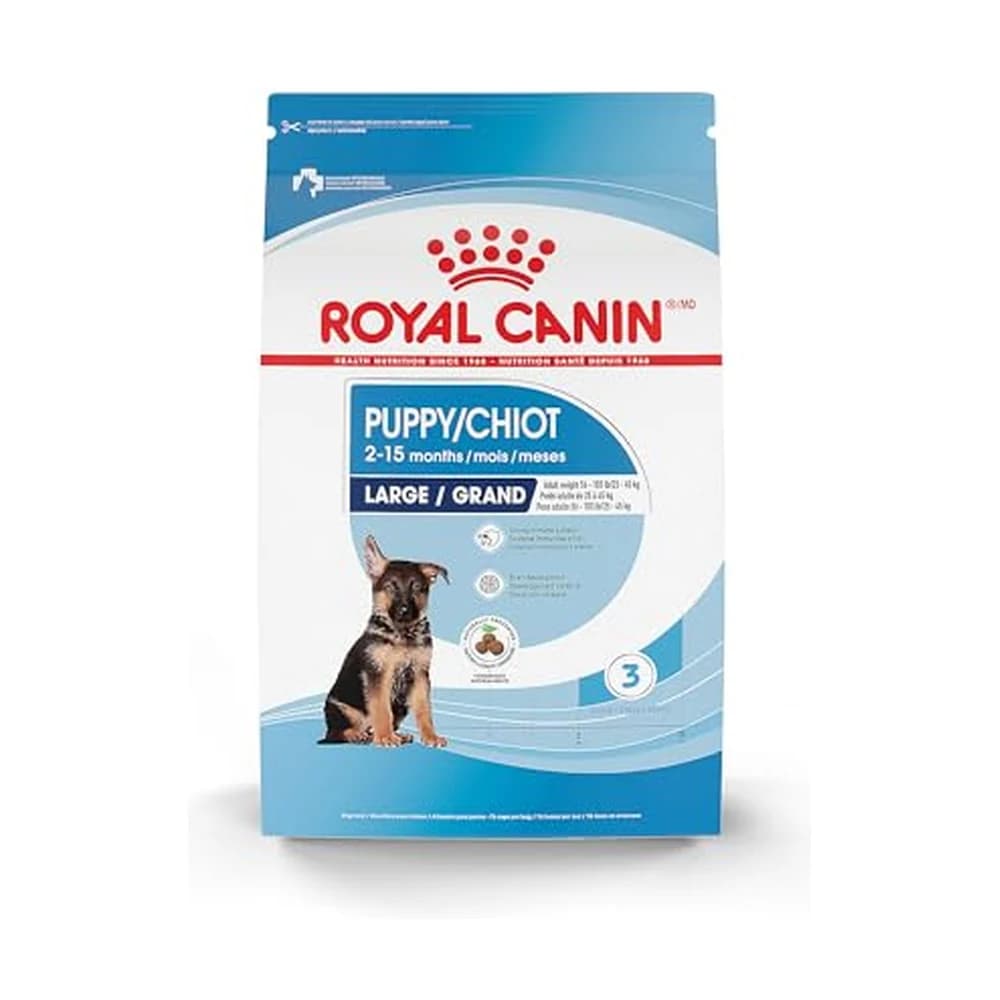
Our pick for this: Royal Canin Large Puppy · $109.99
An ordinary-sized puppy on a normal budget
A complete puppy formula at a price that survives the months a puppy eats constantly.
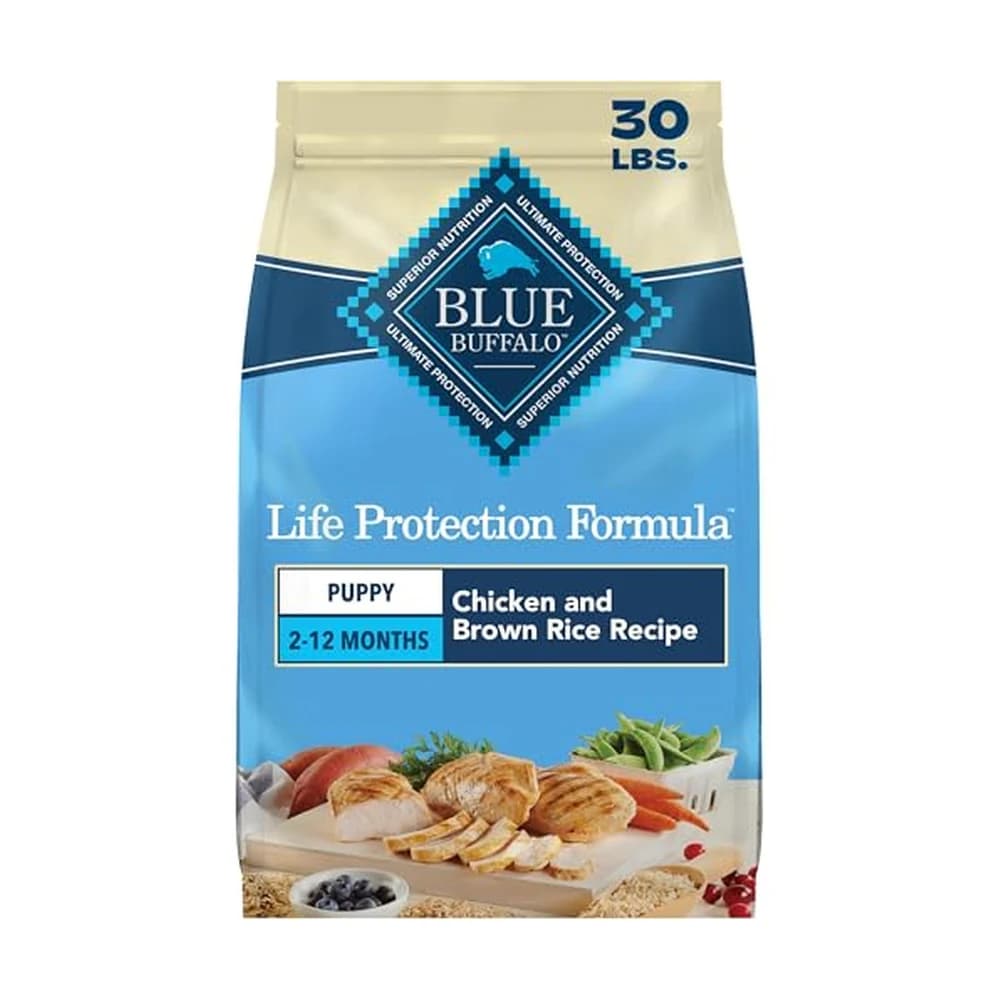
Our pick for this: Blue Buffalo Puppy Chicken · $65.99
A puppy who has gone off dry food, or who needs the moisture
Wet food for mixing or for a fussy stretch. If the fussiness lasts more than a couple of days, that is a vet call rather than a food change.
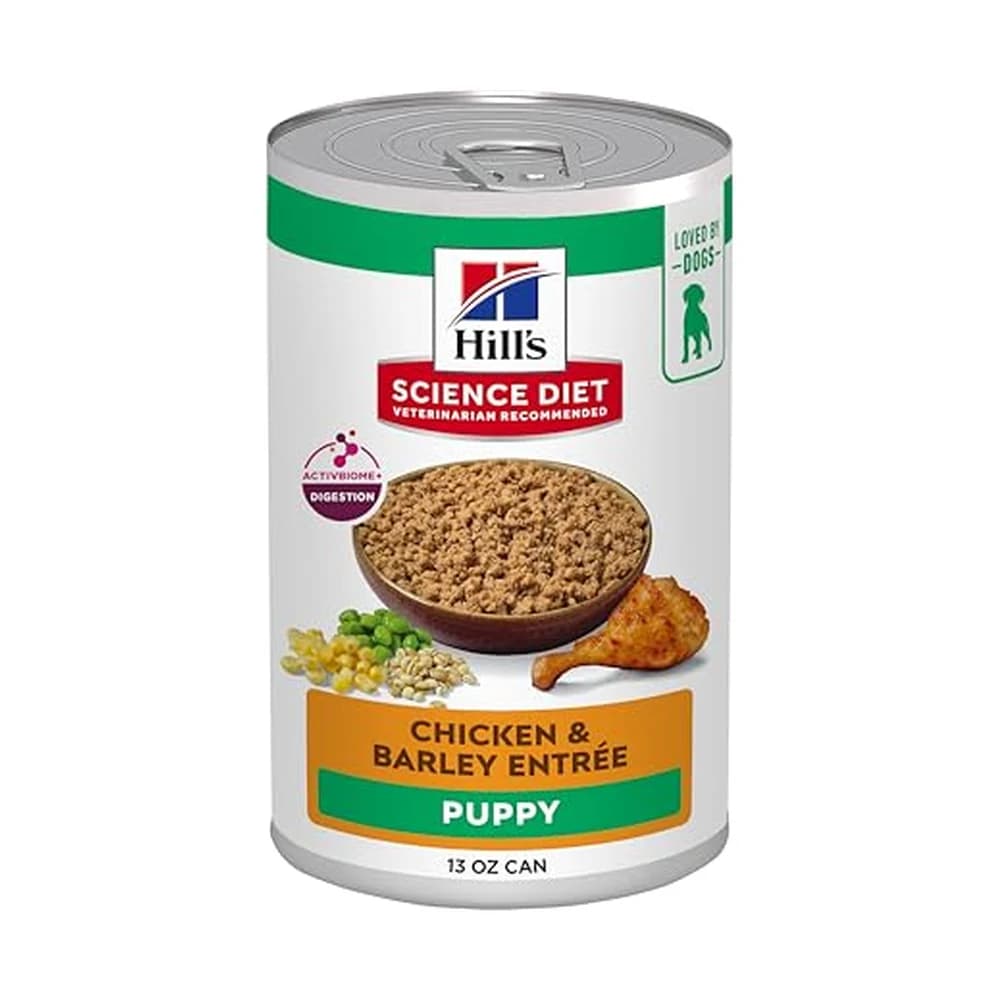
Our pick for this: Hill's Science Diet Puppy Wet · $44.28
If none of these is your dog: nothing on this shelf is the right answer for every household, and we would rather you bought nothing than the wrong thing. Start from the stage your dog is actually in, or browse the other shelves.
Filter picks3 of 3
Showing 3 of 3 picks — no filters applied
Showing 3 of 3 picks — no filters applied
The picks, feature by feature
A small or medium puppy from two to twelve months — real chicken first, with DHA and ARA in the LifeSource Bits
- Skip if
- Your puppy is a large breed. Choose a formula that controls calcium for skeletal growth instead.
The variant we link: Blue · 30 lb
A puppy whose adult weight will be 56 to 100 lb — controlled calcium and phosphorus through the long large-breed growth window
- Skip if
- Your dog will be small or medium. This is formulated for a specific adult-weight band, and the band is the point.
The variant we link: Large · 30 lb
A puppy who is not eating well, or one you want to keep hydrated — wet food as a topper over kibble, or as the meal
- Skip if
- You need one economical staple. Wet food costs far more per calorie than kibble.
Each pick below carries its own specs, and the tags mark the best of these picks on that point. Specs come from manufacturer listings; ratings are the Amazon aggregate rating and count, refreshed periodically — we don't test products.
How winners are decided: ✓ marks the lowest price, the highest owner rating, the largest stated weight capacity and the longest warranty. Rows where more is not better — size, dimensions, weight, material — and the editorial rows get no ✓ at all. A blank is unknown, never a loss, and a row needs at least two known, differing values before anything can win. How the best-of-these tags are decided: the lowest price, the highest owner rating, the largest stated weight capacity and the longest warranty. Points where more is not better — size, dimensions, weight, material — and the editorial notes carry no tag at all. A blank is unknown, never a loss, and a point needs at least two known, differing values before anything can lead. As an Amazon Associate we earn from qualifying purchases. Specs are the manufacturer's claims and owner-reported data — we research and analyse; we don't test products on dogs.
Why puppy food matters at this stage
A puppy is building a skeleton, and the food is the raw material. That makes this the one nutrition category where a formula genuinely aimed at the life stage is not marketing — it is a different nutrient profile, with more protein and fat per calorie than an adult diet and, critically, controlled calcium and phosphorus.
The large-breed distinction is the part most owners are never told. In big-breed puppies, growing too fast on too much calcium is associated with developmental orthopaedic problems, which is why large-breed puppy formulas restrict calcium and are fed for longer — Royal Canin's large-breed formula, for example, is written for puppies from two to fifteen months with an expected adult weight of 56 to 100 pounds. If your puppy will be big, this is a real decision and one to put to your vet directly.
Two practical rules. Change food slowly: mix the new food into the old over about a week, increasing the proportion gradually, because an abrupt switch causes the diarrhoea that gets blamed on the food itself. And remember we do not test food and cannot tell you what suits your dog's gut — your vet knows their weight curve, their breed risk and their history.
The switch to adult food comes around one year for most dogs, later for large breeds. That is a stage change, and it belongs in the adult conversation.
The thing most owners don’t know
One surprising thing about puppy food
Tufts Cummings School notes the AAFCO statement on the bag must say either including or except for growth of large-size dogs (70 lbs or more as an adult) — one word deciding whether the calcium suits a big puppy.
Source: Confused About What to Feed Your Large Breed Puppy? New Rules May Help! - Petfoodology, Tufts
What owners keep saying
For a dog that will finish large, owners repeatedly land on a formula labelled for large-breed puppies rather than a generic puppy food, and the reason given is controlled calcium and phosphorus and lower calorie density to avoid pushing skeletal growth too fast. Vets quoted in these threads are described as recommending it even for mixes whose adult size is uncertain, and owners who bought a regular or all-life-stages bag by mistake are usually told to finish it and switch rather than panic. Brand talk keeps circling back to whether a maker employs nutritionists and runs feeding trials, and away from grain-free formulas because of the DCM concern. Timing to adult food is reported as later for big dogs than the twelve months small-breed owners use. Switching is where people get burned: abrupt changes produce diarrhoea, and the recurring advice is a mix-in transition over one to two weeks.
we read 79 threads across r/puppy101, r/dogs, r/DogFood, r/DogAdvice
Paraphrased from public discussion, never quoted and never counted into a statistic we did not measure. Owners are not a controlled study — they are the only long-term use data anybody has.
What we didn’t pick
Things that look like they belong on this shelf and are not on it, with the reason.
Adult or all-life-stages food for a large-breed puppy
The AAFCO statement on the bag says either including or except for growth of large-size dogs, and Tufts' nutrition service points out that one word decides whether the calcium range suits a big puppy. It is the check to do before the brand comparison.
Choosing on grain-free marketing
The label statement above is the thing our source actually turns on. We are not equipped to adjudicate the grain debate, so we did not use it as a selection criterion in either direction.
Homemade and raw growth diets
Getting the calcium and phosphorus right during growth is the whole problem this shelf exists for, and doing it outside a commercial formulation is a job for a board-certified veterinary nutritionist, not a shopping list.
How to choose a puppy food
Life stage on the bag, calcium control for big breeds, and a plan for changing it gradually.
Formulated for growth, not "all life stages" by default
Growth diets carry more protein, fat and DHA per calorie. An all-life-stages food can be appropriate, but it should be a choice you and your vet make, not the bag you grabbed.
Large-breed formula if the adult dog will be big
Large-breed puppy foods control calcium and phosphorus specifically because rapid skeletal growth on excess calcium is linked to orthopaedic problems. Check the adult-weight range on the bag.
A brand you can actually keep buying
Frequent brand-hopping means repeated transitions and repeated upset stomachs. Availability where you shop matters more than an exotic ingredient list.
DHA for brain development
Several growth formulas add DHA and say so; it is one of the few added-nutrient claims with a clear developmental rationale behind it in puppy diets.
Bag size against freshness
A 30-pound bag is cheap per pound and slow to finish for a small puppy. Buy a size you will get through in a few weeks and store it sealed.
Common questions
- How do I switch my puppy's food?
- Slowly, over about a week: start with roughly a quarter new food to three quarters old, then half and half, then three quarters new, then all new — moving on only while stools stay normal. If they loosen, hold at the current mix for a couple of extra days rather than pushing on.
- When do I switch from puppy to adult food?
- Most small and medium dogs move around twelve months; large and giant breeds are usually kept on a large-breed puppy formula longer, often to fifteen or eighteen months, because their skeletons are still growing. Ask your vet to time it against your dog's actual growth rather than the calendar.
- Does my large-breed puppy really need a large-breed formula?
- It is the mainstream veterinary recommendation, and the reason is calcium control during rapid skeletal growth rather than kibble size. Put it to your vet as a direct question: "given his expected adult weight, do you want him on a large-breed growth formula, and until when?"
Gear
Pairs with
Shelves that go with puppy food — hand-picked adjacencies, not "customers also bought".
$10.35 4.7 out of 5 stars · 72,835
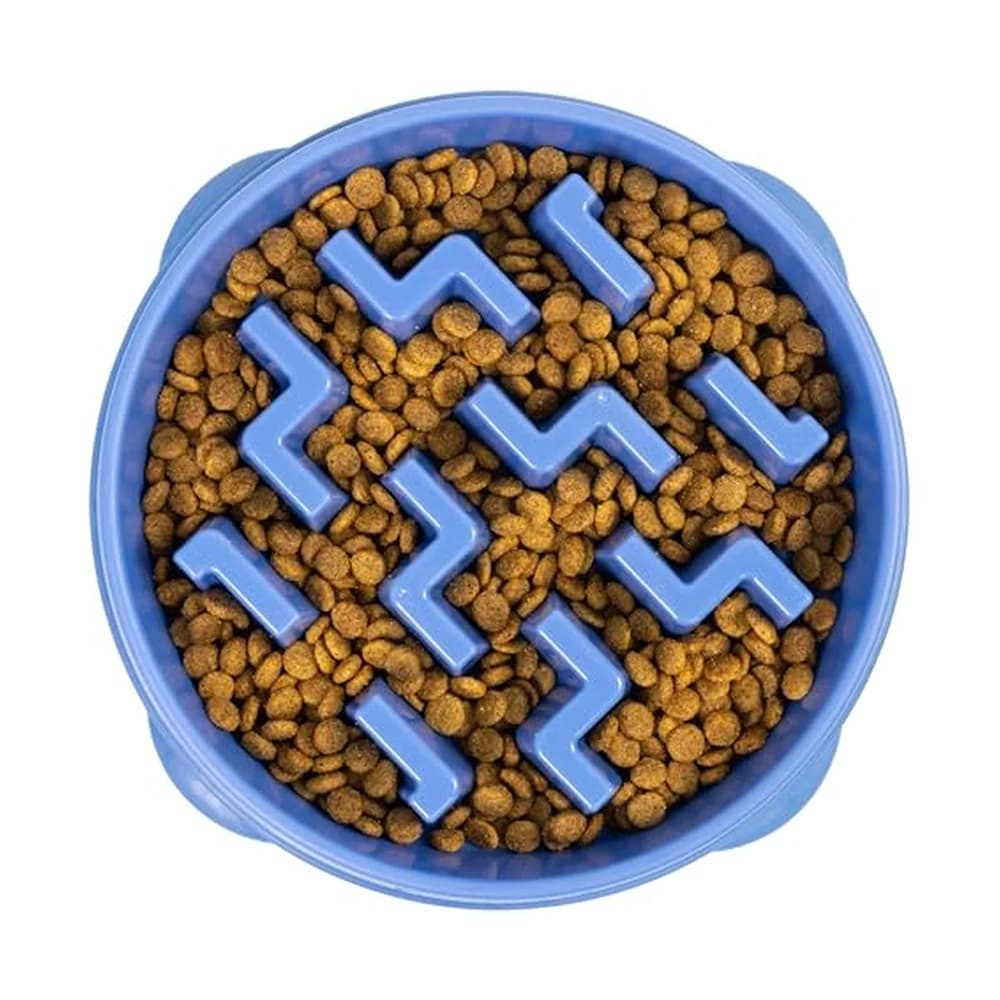
Puppies inhale food. The bowl is the cheapest intervention there is.
$19 4.5 out of 5 stars · 65,796
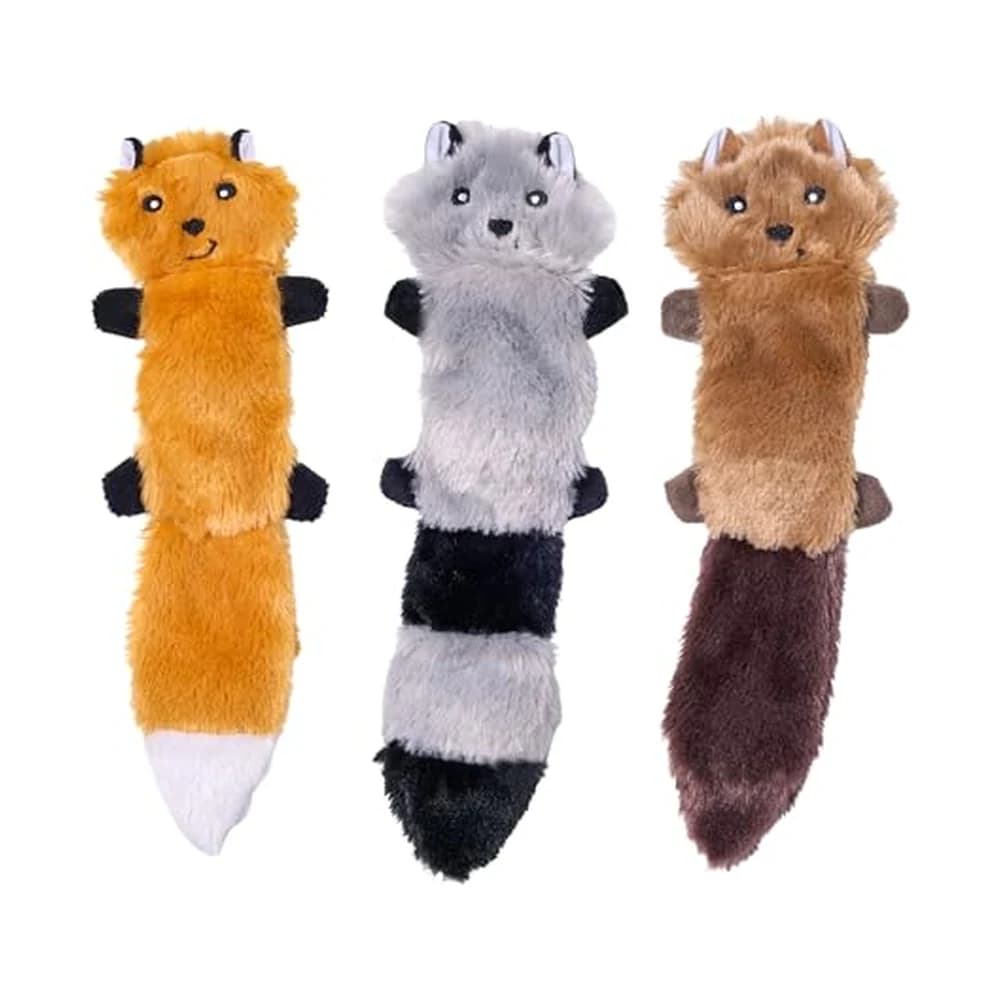
A puppy that chews furniture is often a puppy whose mouth has nothing else to do between meals.
$14.94 4.6 out of 5 stars · 18,587
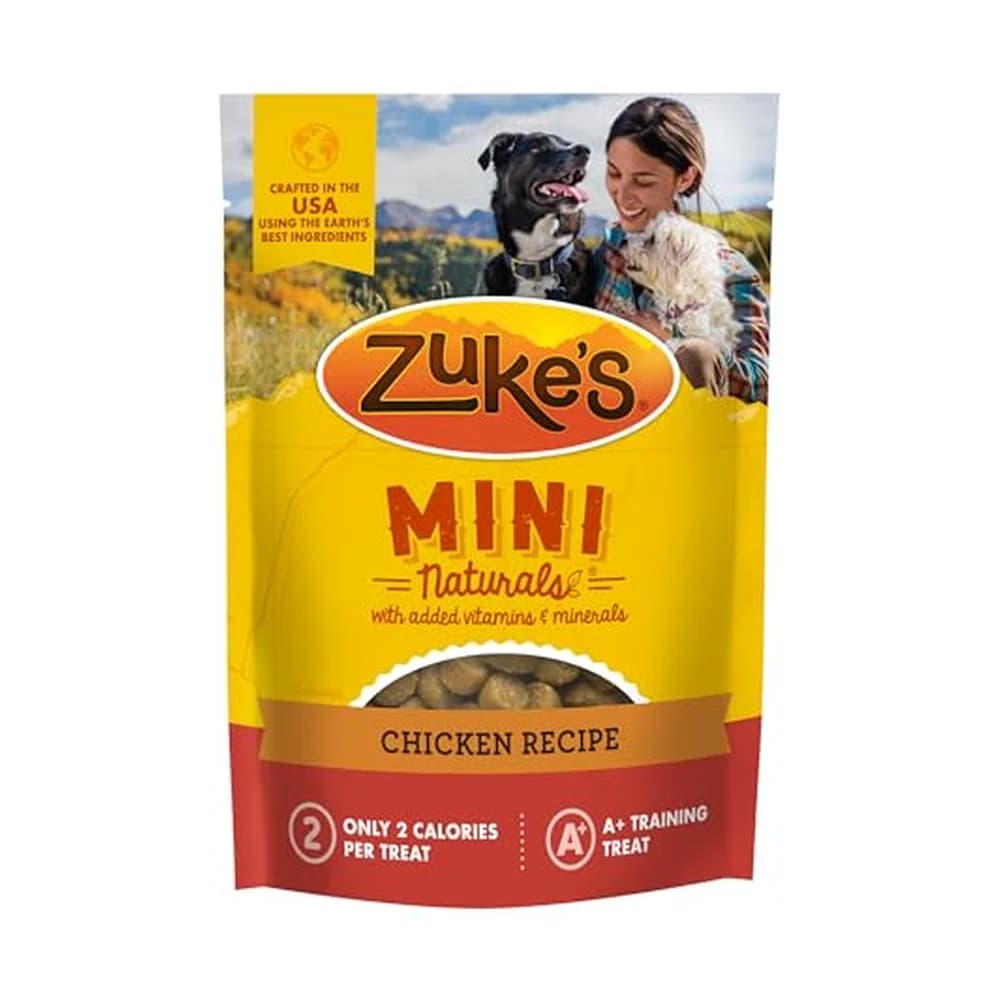
Much of a puppy's daily ration is better spent as training rewards than dropped in a bowl.