Slow feeder dog bowls, steel bowls and fountains
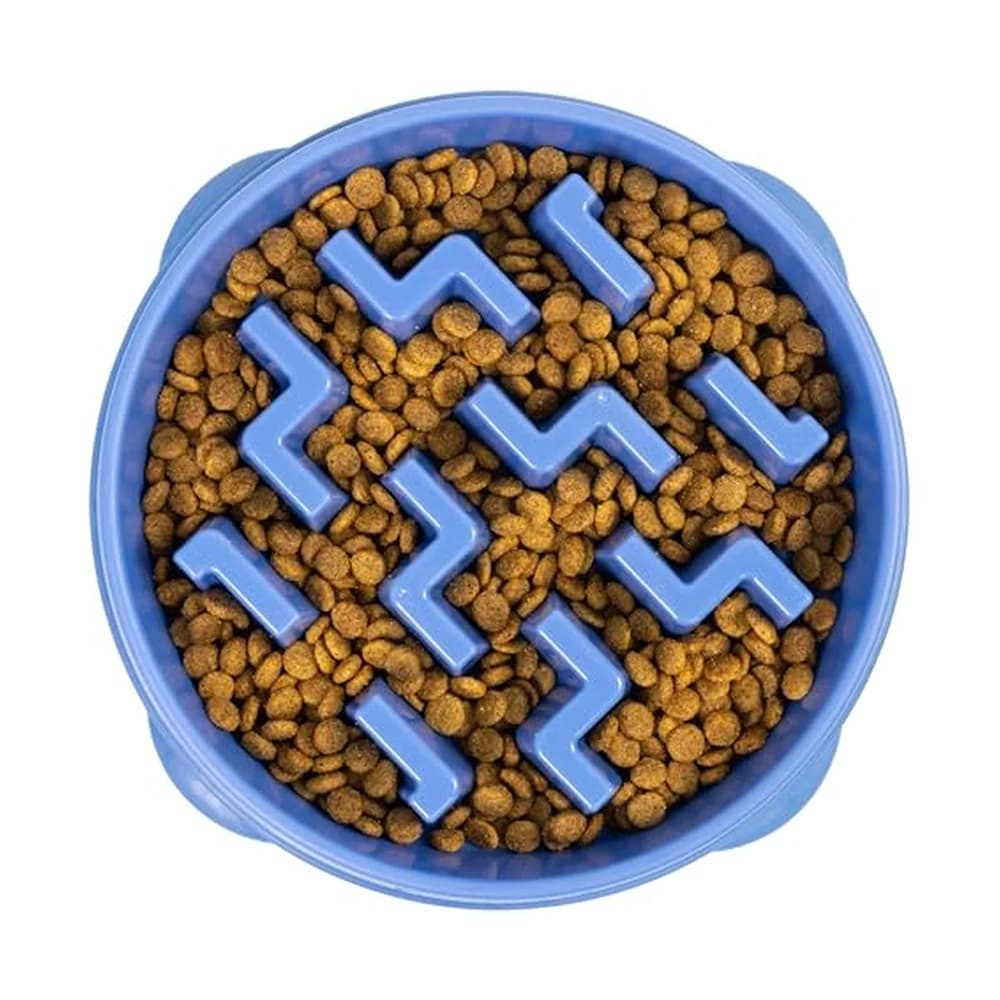
A dog who inhales a meal in ninety seconds swallows a lot of air with it. A maze bowl is the cheapest fix in this entire catalogue.
Amazon links earn us a commission; it doesn’t change what we recommend.
Start here
Which one is right for you?
Three different dogs, three different answers. Each one names what it is good at and what it costs you.
A dog who empties a bowl in twenty seconds
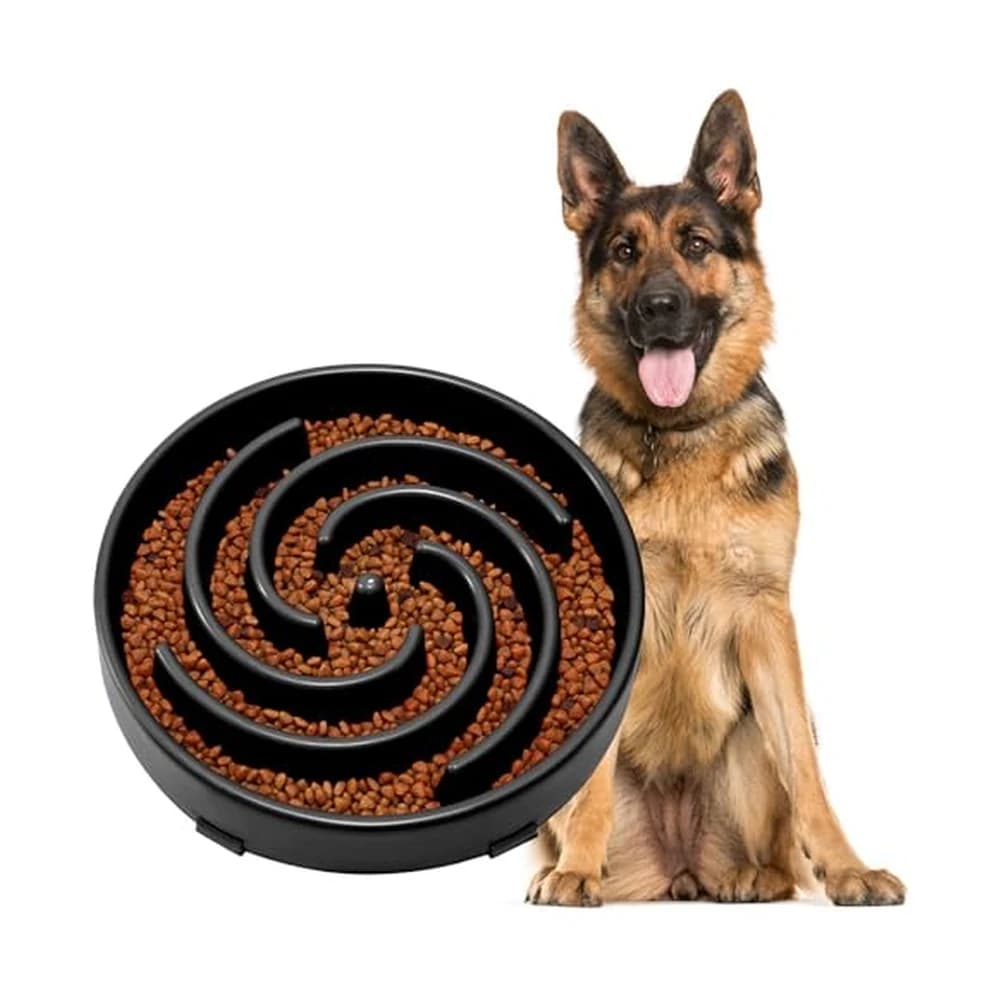
The maze shape is what slows the dog, not the volume. Check your dog can physically reach the bottom of the channels.
Our pick for this: Outward Hound Fun Feeder · $10.35
Mealtimes fall while you are out, or a senior needs small meals on a schedule
Up to ten scheduled meals a day in small portions, per the listing. It keeps the clock, not an eye on the dog — a change in appetite still needs a person to notice it.
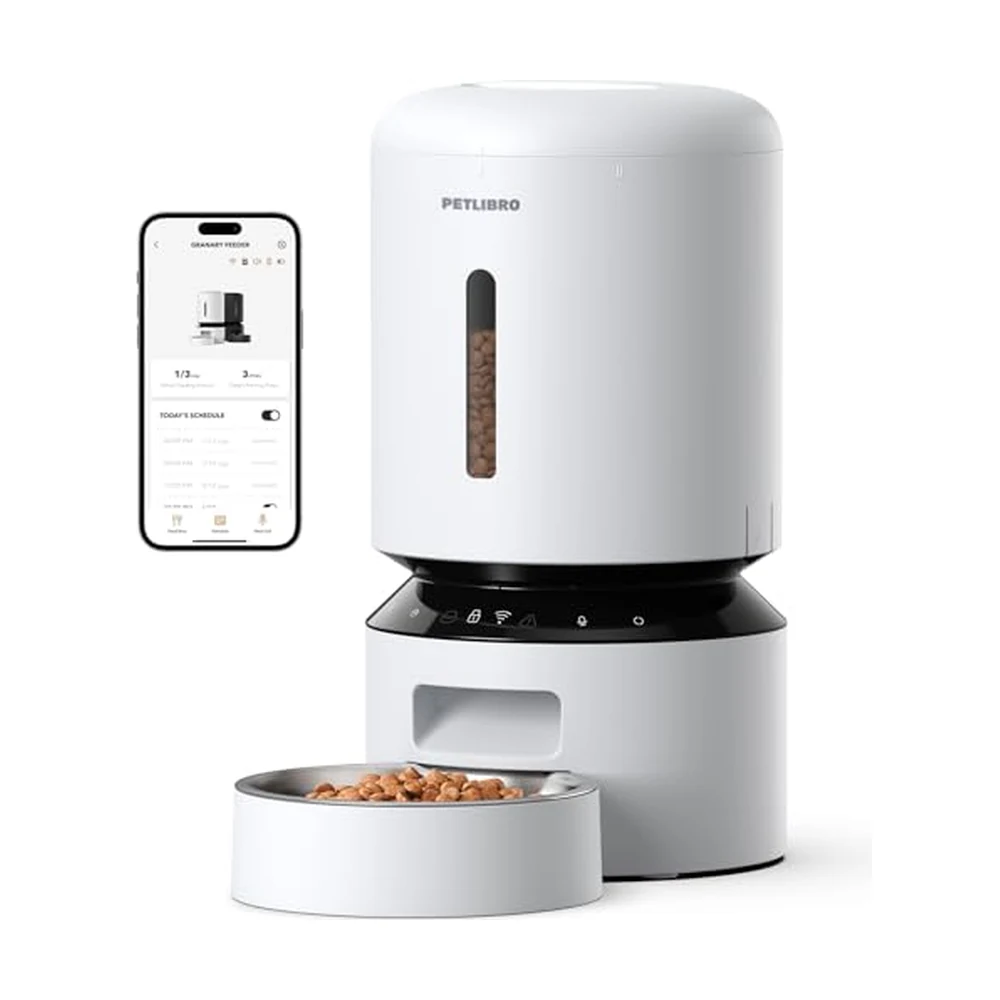
Our pick for this: PETLIBRO Granary 5L Wi-Fi Automatic Feeder · $89.99
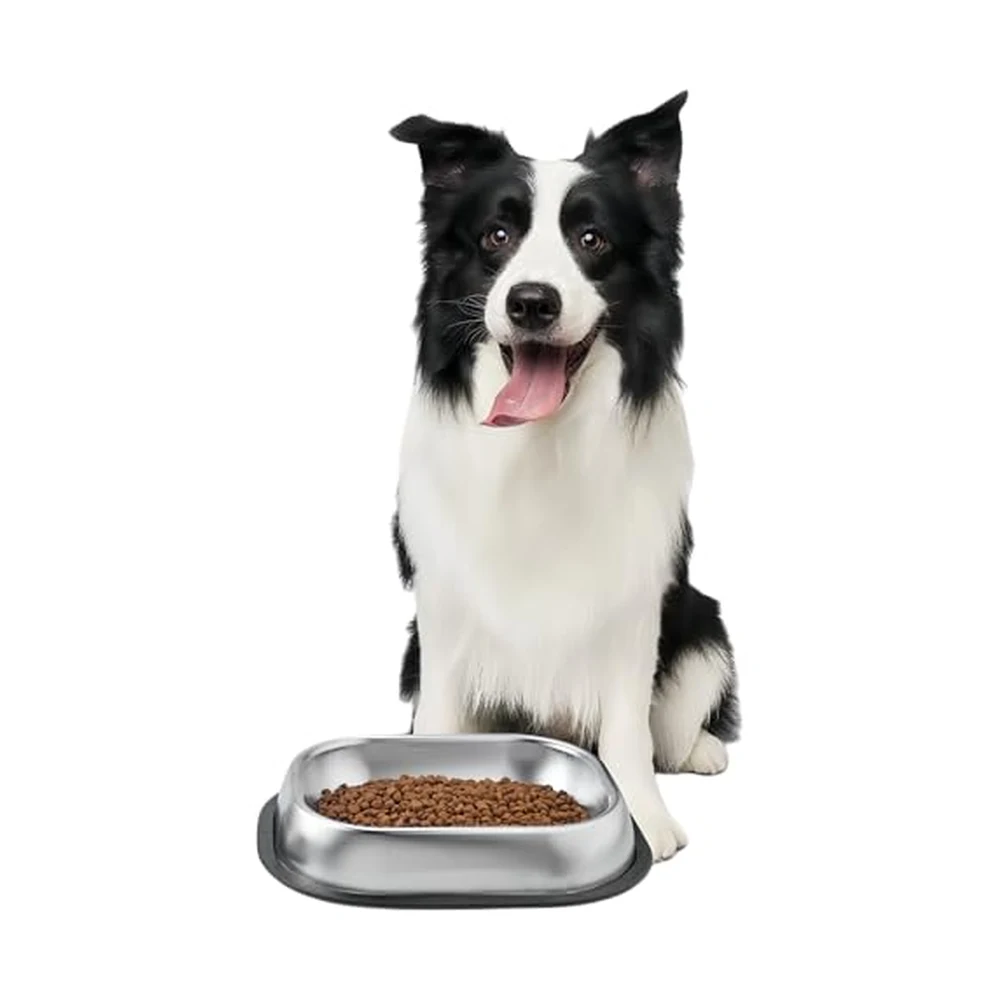
A flat-faced dog, or one who dislikes whiskers touching the sides
A wide shallow dish exists for the dogs an aggressive maze excludes. Stainless, so it does not scratch the way plastic does.
Our pick for this: MRTIOO Shallow Stainless Steel Dish · $18.88
If none of these is your dog: nothing on this shelf is the right answer for every household, and we would rather you bought nothing than the wrong thing. Start from the stage your dog is actually in, or browse the other shelves.
Filter picks7 of 7
Showing 7 of 7 picks — no filters applied
Showing 7 of 7 picks — no filters applied
The picks, feature by feature
The fast eater — a four-cup maze bowl that stretches a ninety-second meal into several minutes, for about ten dollars
- Size
- Not stated
- Material
- BPA/PVC/Phthalate-free plastic
- Colour
- Not stated
- Dimensions (H × W × D)
- Not stated
- Weight
- Not stated
- Skip if
- You have a flat-faced breed. Deep maze channels are hard work for a short muzzle.
The variant we link: Large · Blue
- Automatic feeder
PETLIBRO Granary 5L Wi-Fi Automatic Feeder
$89.99 4.1 out of 5 stars · 10,246 ratings
An adult dog whose mealtimes fall while you are at work, or a senior on smaller, more frequent meals that a person cannot always be home to serve
- Size
- 5L-with WiFi
- Material
- Not stated
- Colour
- White
- Dimensions (H × W × D)
- 11.0 in × 7.5 in × 7.5 in
- Weight
- 4.41 lb
- Skip if
- Your dog eats a large or irregular kibble (owners report jams), your Wi-Fi is unreliable, or the puppy is still young enough that every meal is also a potty-timing cue you want to see.
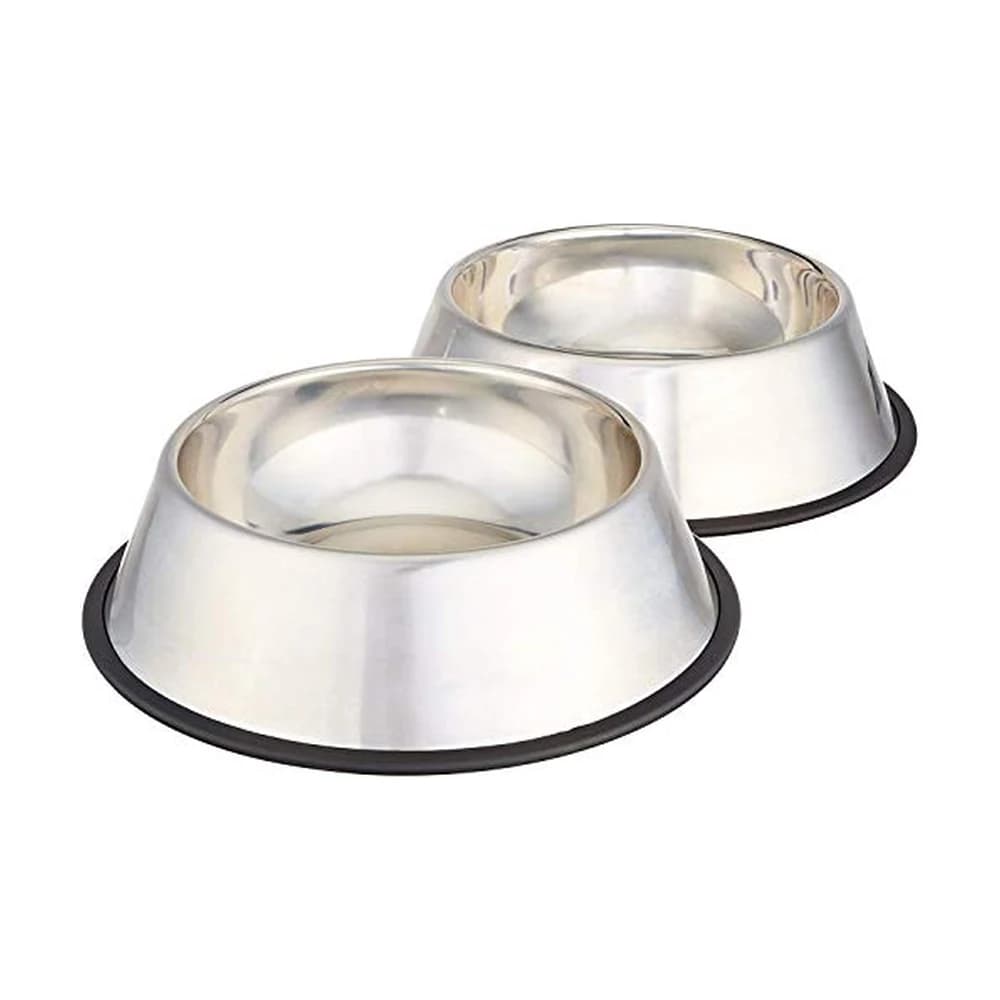
The everyday water and food bowls — stainless, dishwasher safe, non-skid base, two in the box
- Size
- Not stated
- Material
- Stainless steel
- Colour
- Not stated
- Dimensions (H × W × D)
- Not stated
- Weight
- Not stated
- Skip if
- Your dog needs slowing down at meals. These are plain bowls with no maze.
The variant we link: 38oz · 2.8 Inches · 2-Pack
A slightly gentler maze — a spiral pattern that slows a dog down without frustrating them, with a silicone anti-slip ring
- Size
- Not stated
- Material
- Food-grade PP plastic
- Colour
- Not stated
- Dimensions (H × W × D)
- Not stated
- Weight
- Not stated
- Skip if
- You have a giant-breed dog. Owners report it being too small for the largest breeds.
The variant we link: Large
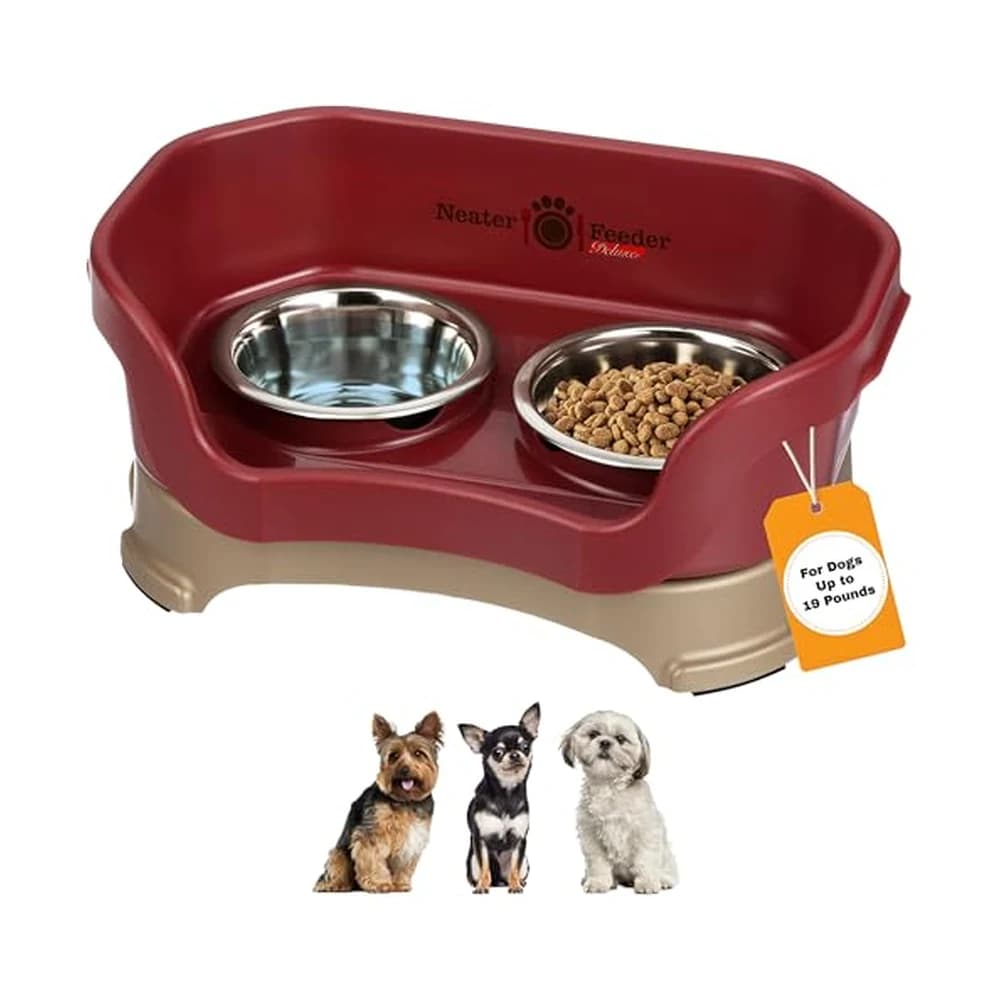
The messy eater and the arthritic neck — raised stainless bowls in a frame that catches spilled food and drains spilled water
- Size
- Not stated
- Material
- Plastic frame + stainless steel bowls
- Colour
- Not stated
- Dimensions (H × W × D)
- Not stated
- Weight
- Not stated
- Skip if
- You have a large deep-chested dog. Raised feeding and bloat risk is a live debate — ask your vet first.
The variant we link: 19 lbs
A puppy meeting their first bowl, and a small older dog whose neck no longer wants to reach down into a well
- Size
- 1 Bowl 8.2 inch
- Material
- Not stated
- Colour
- Not stated
- Dimensions (H × W × D)
- 1.0 in × 9.0 in × 9.0 in
- Weight
- 0.62 lb
- Skip if
- You have a large-breed dog — the maker sizes this for small and medium animals, and a big dog will push it around.
Each pick below carries its own specs, and the tags mark the best of these picks on that point. Specs come from manufacturer listings; ratings are the Amazon aggregate rating and count, refreshed periodically — we don't test products.
How winners are decided: ✓ marks the lowest price, the highest owner rating, the largest stated weight capacity and the longest warranty. Rows where more is not better — size, dimensions, weight, material — and the editorial rows get no ✓ at all. A blank is unknown, never a loss, and a row needs at least two known, differing values before anything can win. How the best-of-these tags are decided: the lowest price, the highest owner rating, the largest stated weight capacity and the longest warranty. Points where more is not better — size, dimensions, weight, material — and the editorial notes carry no tag at all. A blank is unknown, never a loss, and a point needs at least two known, differing values before anything can lead. As an Amazon Associate we earn from qualifying purchases. Specs are the manufacturer's claims and owner-reported data — we research and analyse; we don't test products on dogs.
Also on this shelf
The table above compares 6; these are the rest of our current picks, in rank order.
PetSafe Drinkwell Steel Fountain
The dog who does not drink enough — a gallon of filtered, moving water in a stainless basin… · $75.99
Why slow feeders & bowls matter at this stage
Eating speed is one of those things owners assume is fixed personality and is actually largely fixable equipment. A dog who empties a bowl in under a minute is swallowing air along with the food, and the usual consequences are the ones you already know about: regurgitation soon after meals, and a dog who is somehow hungry again immediately.
A maze bowl solves it mechanically — the food sits in channels the dog has to work around, and eating time typically stretches from a minute to five or ten. That is worth doing for comfort alone. It is also worth raising the more serious version with your vet: bloat and gastric dilatation-volvulus are life-threatening, deep-chested dogs are at higher risk, and rapid eating is one of the factors discussed. We are not in a position to make medical claims about prevention, and your vet is the right person to ask what applies to your dog.
Material is a smaller decision but not nothing. Stainless steel does not scratch the way plastic does, does not hold odours, and goes in the dishwasher, which is why it is the default recommendation for the everyday water bowl.
Height becomes a live question at the senior end. Raised bowls can be more comfortable for a dog with neck or shoulder arthritis, and the makers say so; the evidence around raised feeders and bloat risk in large breeds is genuinely contested, which makes this another one for your vet rather than a shopping decision.
The thing most owners don’t know
One surprising thing about slow feeders & bowls
A Knowledge Summary in the peer-reviewed journal Veterinary Evidence concluded that no research shows raised feeders lower bloat risk, and that the safest option in the absence of further evidence is to feed at-risk dogs from a feeder on the floor.
What owners keep saying
Slow feeders are the item owners are most positive about and also the one they most often report being defeated: a determined dog learns the maze, tips the bowl, or pushes food out onto the floor within a few meals, so threads fill up with heavier or non-slip designs, feeding smaller portions in sequence, adding water to the food, or scattering kibble instead. Bowl material comes up constantly in threads about chin bumps, where owners describe switching away from plastic to stainless or ceramic and washing bowls far more often than they used to, while noting a vet is the one to confirm what a skin issue actually is. Elevated feeders are the most contested item on this shelf, with large and giant breed owners repeatedly citing research linking raised bowls to a higher bloat risk rather than a lower one, and treating raised feeding as something to clear with a vet instead of a default upgrade. Water fountains split the room: owners like that dogs drink more and the water stays fresher, and the recurring disappointment is the cleaning burden and pumps that get noisy or fail, which is why stainless models and a strict cleaning routine keep getting recommended over the cheapest plastic ones.
we read 34 threads across r/dogs, r/DogAdvice, r/greatdanes, r/Pets, r/germanshepherds
Paraphrased from public discussion, never quoted and never counted into a statistic we did not measure. Owners are not a controlled study — they are the only long-term use data anybody has.
What we didn’t pick
Things that look like they belong on this shelf and are not on it, with the reason.
Elevated bowls bought to prevent bloat
A Knowledge Summary in Veterinary Evidence found no study showing that a raised feeder lowers the risk of gastric dilatation-volvulus, and advises feeding at-risk dogs from the floor in the absence of better evidence. We carry a raised station for mess and posture reasons, and say that.
Plastic bowls
Every bowl we rank is stainless or a food-grade slow-feeder polymer, because a scratched plastic bowl is the one thing on this shelf people repeatedly said they replaced.
Deep-maze slow feeders for flat-faced dogs
A short-muzzled dog cannot reach the bottom of an aggressive maze, which is why a shallow dish is on this shelf at all rather than being treated as a lesser slow feeder.
How to choose a bowl
Capacity for one meal, material you can actually sterilise, and a shape that suits the dog's face.
Capacity around one meal
A bowl that holds two days of food invites overfeeding by eye. Match the capacity to a single portion and measure the food separately.
Maze depth against snout length
Deep spiral mazes frustrate flat-faced dogs and stump long-nosed ones less. Match the pattern to the face — most brands offer several.
Stainless for water, always
Plastic scratches and holds bacteria and odours; steel does not, and it goes through a dishwasher hot. It is the cheapest hygiene upgrade available.
Something that stays put
A pushed bowl is a wet floor. Rubber bases, weighted bowls or a feeder frame stop a determined eater from chasing dinner across the kitchen.
Height as a senior question, asked of your vet
Raised bowls may be more comfortable for arthritic necks, and the evidence on raised feeding and bloat risk in large breeds is genuinely contested. Ask your vet what applies to your dog.
Common questions
- Do slow feeder bowls actually work?
- Mechanically, yes — the food is physically harder to reach, so mealtimes stretch from about a minute to five or ten, and owners very consistently report less post-meal regurgitation. Whether that reduces any specific medical risk for your dog is a question for your vet, not for a product page.
- Are raised bowls better for older dogs?
- They can be more comfortable for a dog with neck, shoulder or elbow arthritis, and that is the manufacturers' stated rationale. The relationship between raised feeding and bloat risk in large deep-chested breeds is contested in the veterinary literature, so raise it with your vet before switching a big dog.
- Plastic, ceramic or stainless steel?
- Stainless for anything holding water and for most food bowls: it does not scratch into bacteria-holding grooves, does not retain odours, and survives a dishwasher. Ceramic is fine if the glaze is intact; plastic is the one worth avoiding for dogs with chin acne or contact sensitivities.
Gear
Pairs with
Shelves that go with slow feeders & bowls — hand-picked adjacencies, not "customers also bought".
$13.96 4.6 out of 5 stars · 91,774
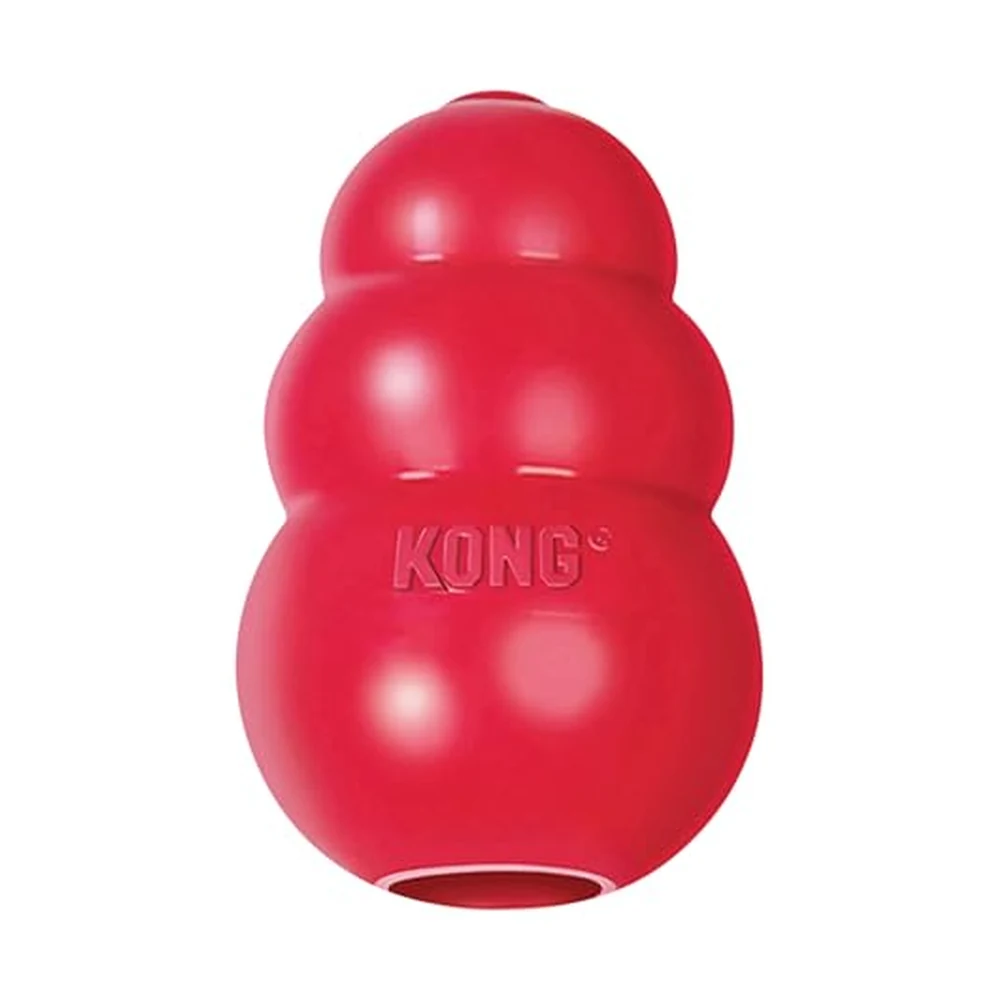
A slow bowl paces a meal; a puzzle turns it into work. The step up is small.
$65.99 4.7 out of 5 stars · 18,081
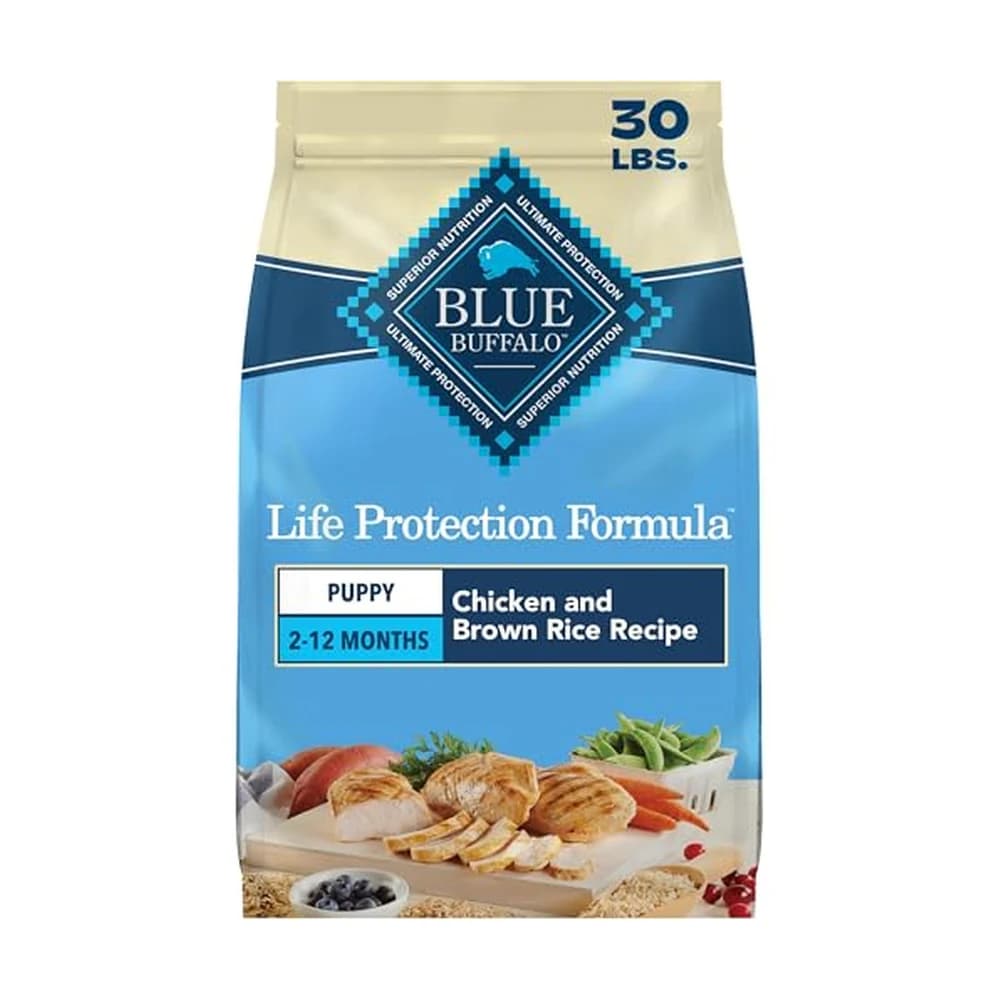
What goes in the bowl decides how much of this matters.
$39.97 4.6 out of 5 stars · 3,940
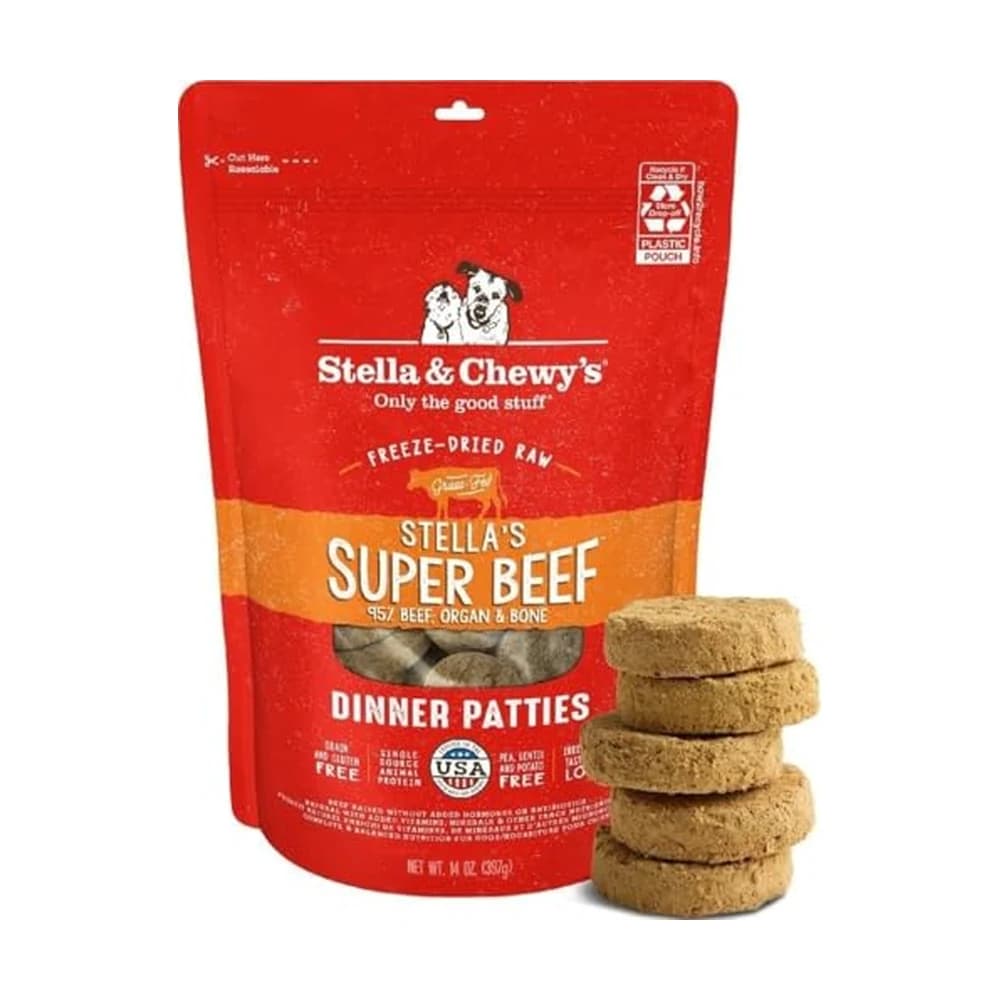
An older dog's bowl height and food change together — the neck and the diet are one decision.