Indestructible dog toys for a heavy chewer
Adult teeth plus adolescent jaw strength plus boredom is how sofas die. These are the toys built for that specific combination.
Amazon links earn us a commission; it doesn’t change what we recommend.
Start here
Which one is right for you?
Three different dogs, three different answers. Each one names what it is good at and what it costs you.
A dog who destroys everything and needs a reason to stay with one thing
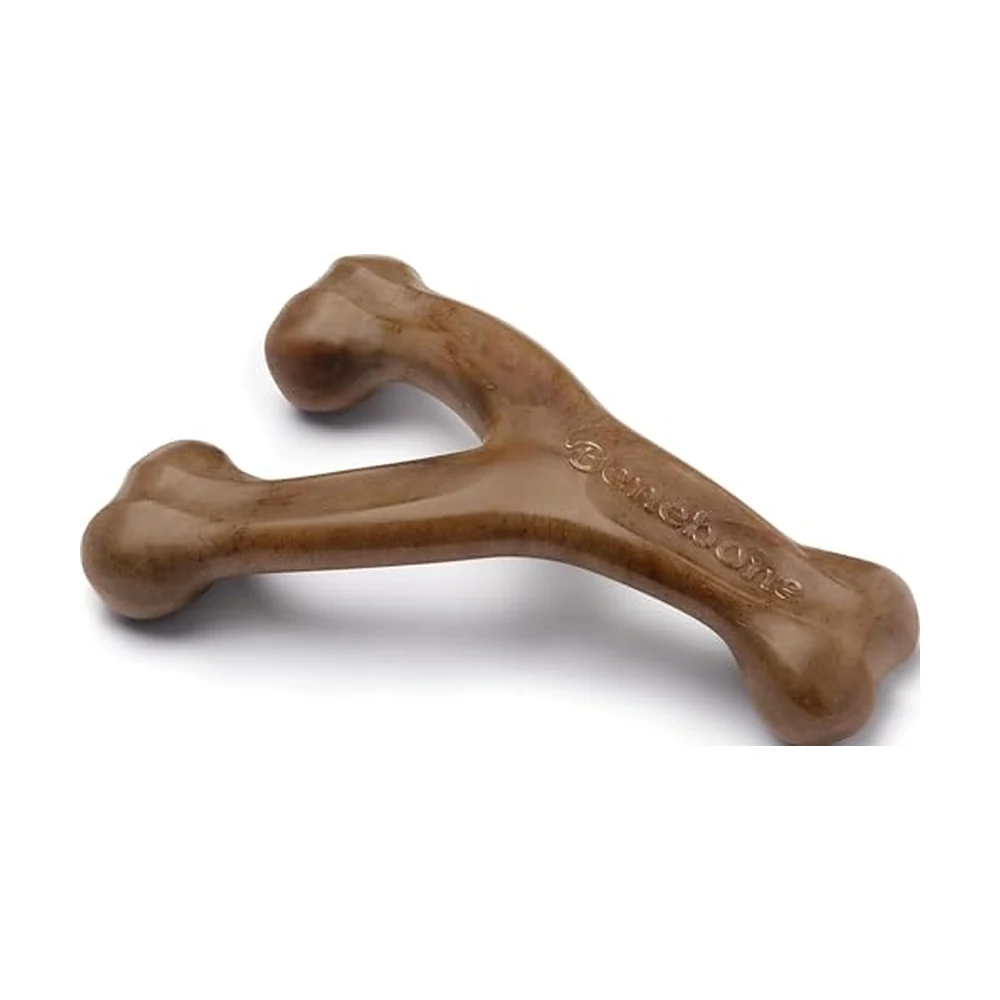
Flavour through the nylon is what keeps an adolescent coming back. Replace it when the ends wear down rather than letting it get small.
Our pick for this: Benebone Wishbone Chew · $19.43
A dog who wants to fetch it as well as chew it
Solid rubber with enough give to pass the bend-or-flex rule a veterinary dentist gives for anything a dog gnaws.
Our pick for this: West Paw Hurley Bone · $20.95
A food-motivated dog who needs the chew to pay out
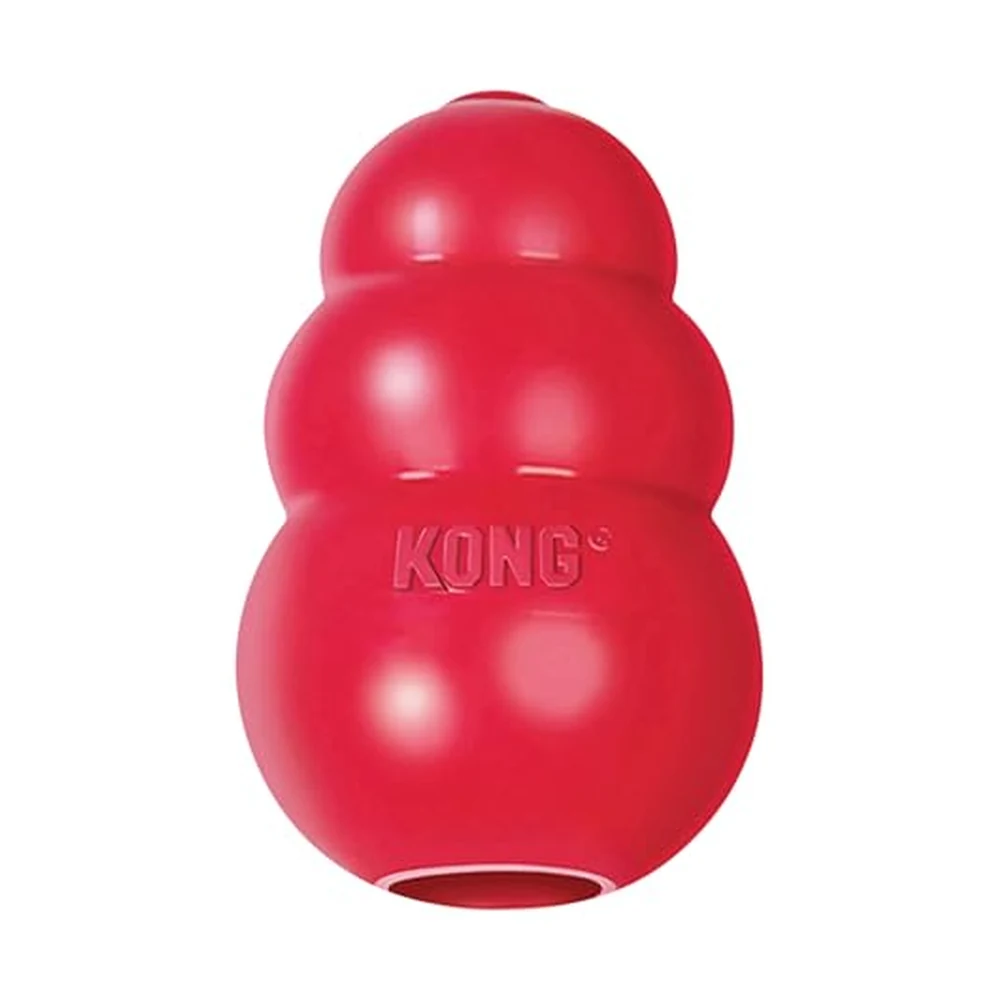
Stuffable and dishwasher-safe, so the chewing has a job attached rather than being an end in itself.
Our pick for this: West Paw Tux Treat Chew · $23.95
If none of these is your dog: nothing on this shelf is the right answer for every household, and we would rather you bought nothing than the wrong thing. Start from the stage your dog is actually in, or browse the other shelves.
Filter picks5 of 5
Showing 5 of 5 picks — no filters applied
Showing 5 of 5 picks — no filters applied
The picks, feature by feature
The flavour-driven adolescent — the curved shape is designed to be pinned by paws, so a determined dog can settle into a long chew
- Size
- Large (dogs 30+ lbs)
- Material
- Nylon with real bacon flavor
- Skip if
- Your dog has a history of dental fractures. This is firm nylon and worth clearing with your vet first.
The variant we link: Large
- Best value
$16.59lowest here 4.5 out of 5 stars · 70,712 ratingsbest rated
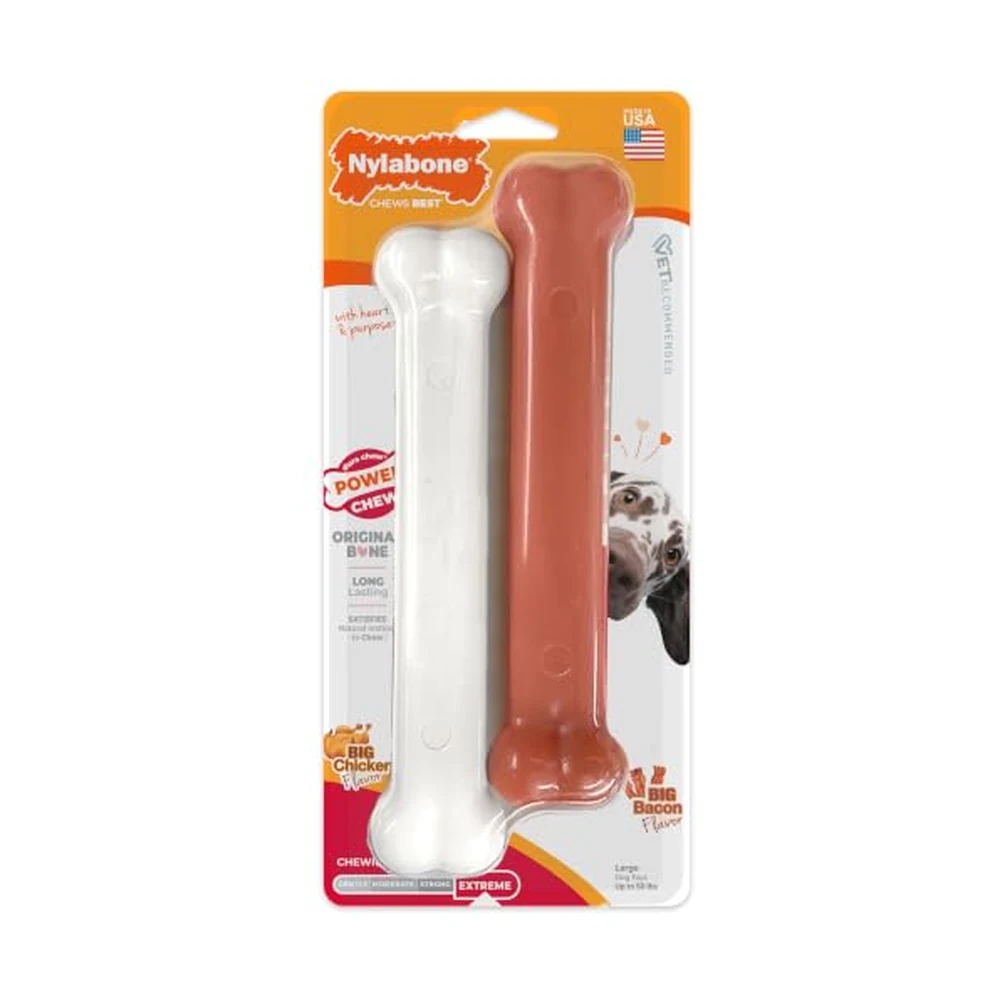
The cheapest durable option — two bones in a pack for a dog who goes through chews faster than you want to admit
- Size
- Large (up to 50 lbs)
- Material
- Durable nylon
- Skip if
- You are worried about tooth fractures. This is Nylabone's toughest material, and it is genuinely hard.
The variant we link: 2 Count
$20.95 4.4 out of 5 stars · 9,190 ratings
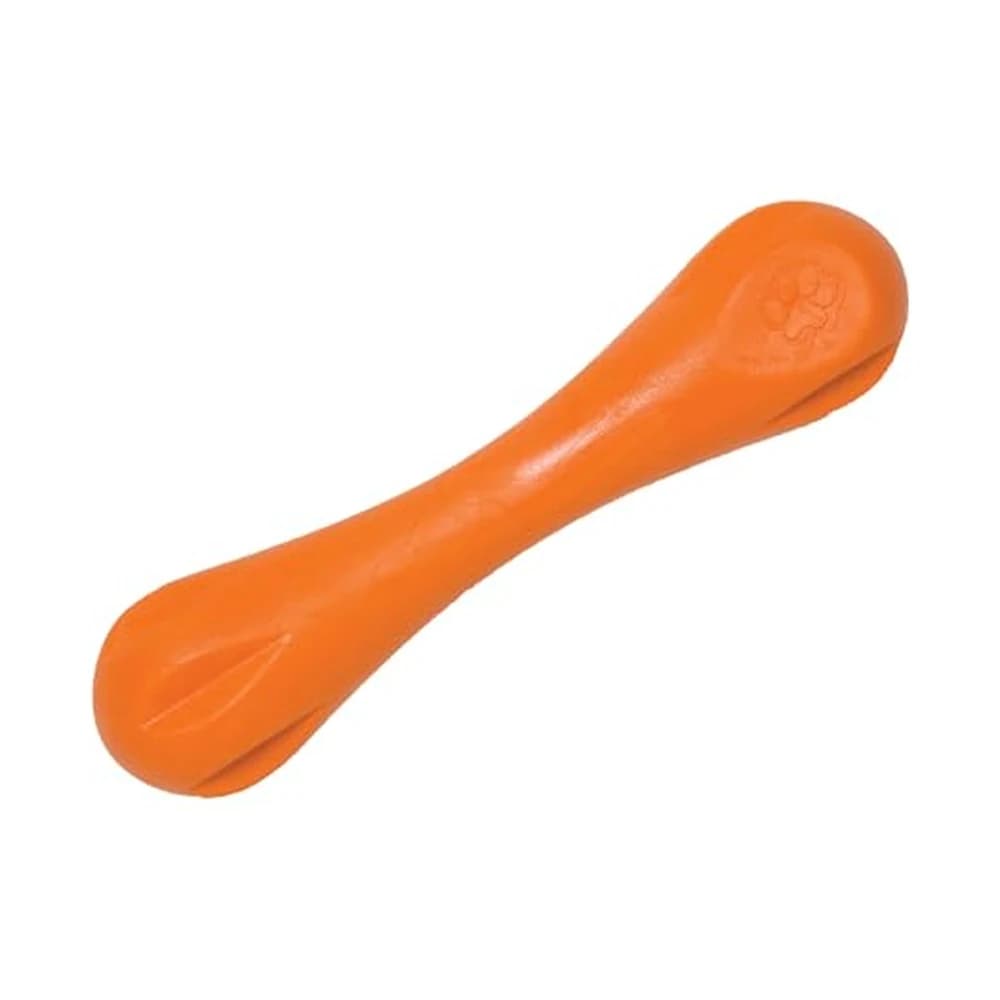
The dog who chews and fetches in the same session — it floats, it bounces, and it goes in the dishwasher
- Size
- Large (8.5 inches)
- Material
- Zogoflex (BPA-free, FDA food-safe)
- Skip if
- You want a treat-dispensing chew. The Hurley is solid; the Tux is the hollow one.
The variant we link: Large · Tangerine
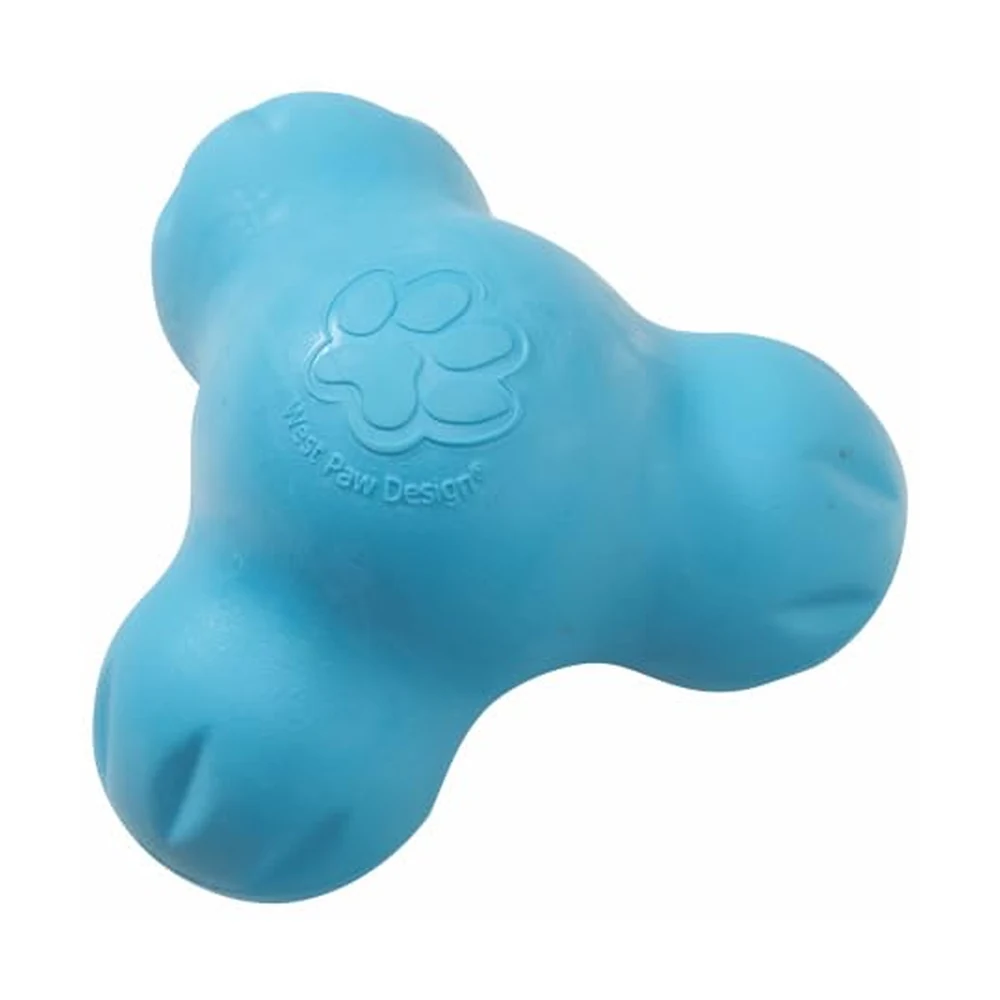
Turning a chew into a job — the hollow centre takes food, so a heavy chewer works for the reward instead of just grinding
- Size
- Not stated
- Material
- Zogoflex (BPA-free)
- Skip if
- You have a very small dog. Owners report the large size being too big for little mouths.
The variant we link: Large · Aqua
$19.49 4 out of 5 stars · 21,961 ratings
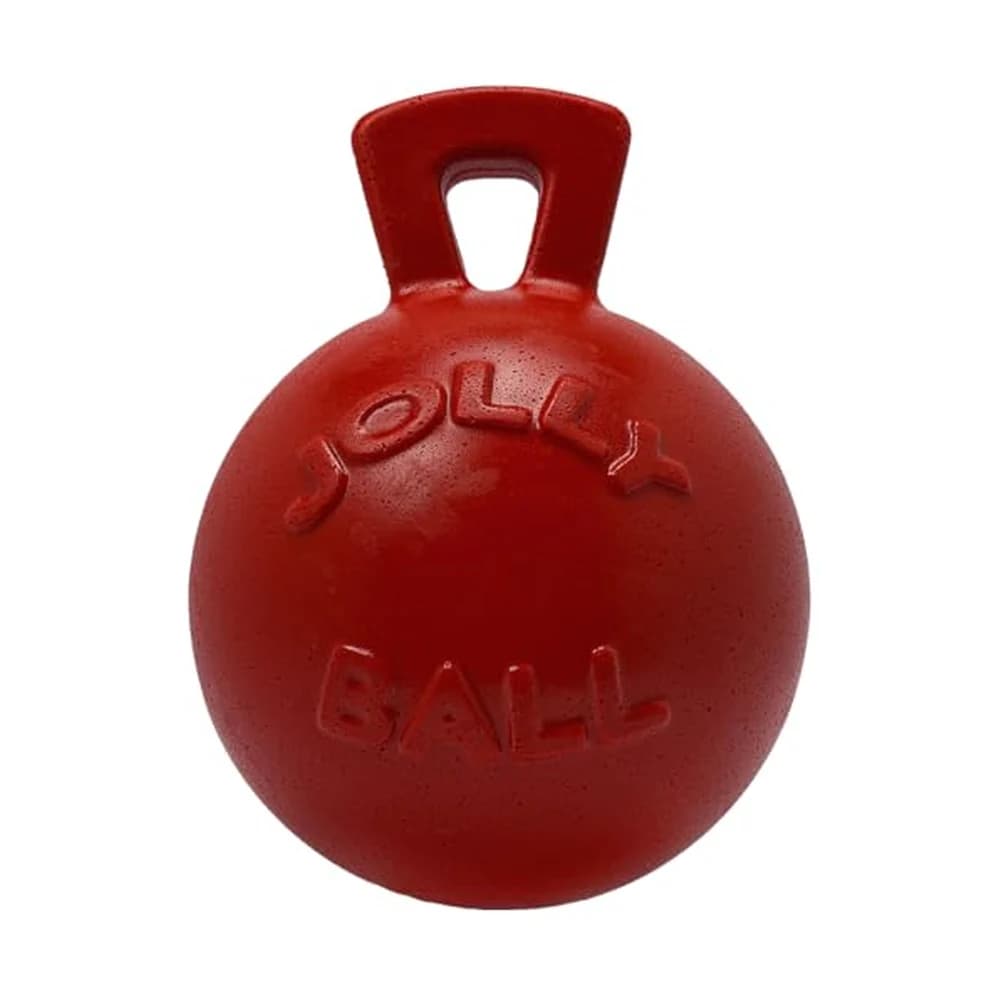
The adolescent who needs to run, not chew — a punctureproof ball with a handle for tug, fetch and solo garden play
- Size
- Not stated
- Material
- Non-toxic polyethylene
- Skip if
- Your dog is a determined chewer. Jolly Pets do not recommend it for aggressive chewers, and owners report handles being ripped off.
The variant we link: 8 Inches · Large · Red
Each pick below carries its own specs, and the tags mark the best of these picks on that point. Specs come from manufacturer listings; ratings are the Amazon aggregate rating and count, refreshed periodically — we don't test products.
How winners are decided: ✓ marks the lowest price, the highest owner rating, the largest stated weight capacity and the longest warranty. Rows where more is not better — size, dimensions, weight, material — and the editorial rows get no ✓ at all. A blank is unknown, never a loss, and a row needs at least two known, differing values before anything can win. How the best-of-these tags are decided: the lowest price, the highest owner rating, the largest stated weight capacity and the longest warranty. Points where more is not better — size, dimensions, weight, material — and the editorial notes carry no tag at all. A blank is unknown, never a loss, and a point needs at least two known, differing values before anything can lead. As an Amazon Associate we earn from qualifying purchases. Specs are the manufacturer's claims and owner-reported data — we research and analyse; we don't test products on dogs.
Why heavy chewer toys matter at this stage
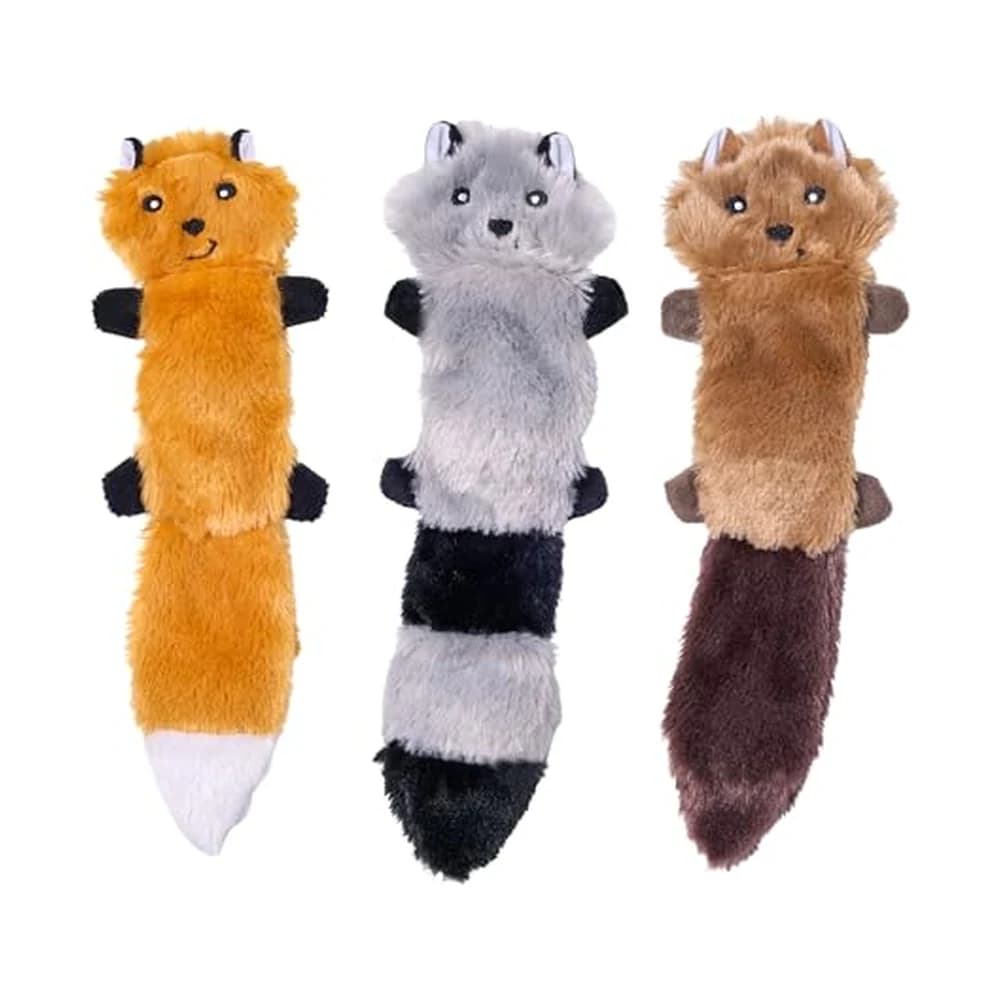
Something changes at around seven to eighteen months that catches most owners off guard. The adult teeth are in, the jaw muscles have caught up with them, and the dog has more energy than judgement. The soft toys that got you through teething now last one evening, and the destruction that follows is not defiance — it is an unmet need with nowhere else to go.
Chewing is a self-soothing behaviour as much as a play one. Adolescent dogs chew when they are under-exercised, when they are anxious about being alone, and when the day has simply been too long. Which means the fix has two halves: give them something legitimately hard to work on, and look honestly at whether they got enough physical and mental work that day. A tough toy on its own does not solve a boredom problem; it just moves it.
A note on hardness. Very hard chews carry a real trade-off — dental fractures are a genuine risk with materials that do not yield at all, and the widely repeated rule of thumb among veterinary dentists is that if you cannot dent it with a thumbnail, be cautious. The toys here are firm rather than rigid. And every manufacturer in this category says the same thing in their own words: no toy is indestructible, supervise play, and retire a toy the moment pieces start coming off.
The thing most owners don’t know
One surprising thing about heavy chewer toys
Graham Thatcher, then a clinical assistant professor of dentistry and oral surgery at the University of Wisconsin School of Veterinary Medicine, gives the rule of thumb that if you can bend or flex the object it is less likely to fracture a tooth, and adds that if something is too hard for you to chew, your dog should not be chewing it.
What owners keep saying
For adolescents that shred everything, the toys owners report surviving longest are firm rubber, and threads keep naming the same durable-rubber families for holding up over months or years where plush, rope and standard rubber last minutes. Nylon power chews get credit for lasting, but they carry the loudest recurring caution in these threads: broken and fractured teeth, plus nylon splinters and rough chewed edges that cut the mouth, with owners describing retiring a bone once it is worn to the branding. The fingernail test comes up repeatedly as the rule of thumb, and so does the tradeoff behind it, since anything soft enough to dent is also soft enough to swallow. The practical pattern is supervised chewing, retiring toys early rather than at the point of failure, and using a stuffable rubber toy as the everyday outlet with hard chews rationed.
we read 76 threads across r/dogs, r/puppy101, r/pitbulls, r/VetTech
Paraphrased from public discussion, never quoted and never counted into a statistic we did not measure. Owners are not a controlled study — they are the only long-term use data anybody has.
What we didn’t pick
Things that look like they belong on this shelf and are not on it, with the reason.
Antlers, bones and hooves
The same veterinary-dentistry rule applies here and matters more, because an adolescent jaw is stronger: if you cannot bend or flex it, it is more likely to fracture a tooth, and those items are the named culprits.
Tennis balls as an all-day chew
They are fetch equipment. As a shelf about what a dog gnaws on for an hour unsupervised, this is scoping rather than a safety claim — we would rather say so than rank a ball we cannot honestly compare with a solid rubber chew.
Chew subscriptions and bully-stick bulk boxes
Consumable chews are a different purchase with a different failure mode from a durable toy, and mixing them into one ranking makes the ranking meaningless.
How to choose a chew toy for a heavy chewer
Firm rather than rigid, sized up rather than down, and inspected weekly.
Firm but with some give
A toy that does not yield at all transfers all the force to the tooth. Rubber and flexible nylon deform slightly under pressure; that is the property you want.
Size up, always
The most common failure is a toy small enough to get behind the molars or swallowed. Buy for the size above your dog if you are between sizes.
Nothing that sheds a squeaker
Adolescent chewers get to the squeaker fast, and the squeaker is the swallow risk. Solid toys have less to lose.
Treat-holding buys you time
A toy that dispenses something makes the chew a puzzle. That is the difference between five minutes of interest and forty.
A weekly inspection habit
Every brand here says no toy is indestructible. Check for cracks, missing chunks and sharp edges, and retire early — a replacement is cheaper than surgery.
Common questions
- Are hard nylon bones safe for my dog's teeth?
- There is a real trade-off, and it is worth raising with your vet. Very hard chews are associated with slab fractures of the carnassial teeth in strong chewers. A common practical test among veterinary dentists is whether you can make an indentation with a thumbnail — if not, treat it with caution and supervise closely.
- My dog destroys everything. Is any toy indestructible?
- No, and every manufacturer here says so on their own listing. The goal is a toy that fails slowly and visibly rather than one that shatters. Inspect regularly, retire early, and rotate three or four toys so no single one takes all the wear.
- Why has my one-year-old started chewing again?
- Adolescence, most likely. Energy is high, impulse control is still developing, and a dog who has learned that chewing relieves stress will reach for it when alone or under-exercised. Increase the physical and mental work of the day before you buy another toy.
Gear
Pairs with
Shelves that go with heavy chewer toys — hand-picked adjacencies, not "customers also bought".
$13.96 4.6 out of 5 stars · 91,774
A destroyer with a job destroys less. Puzzles are the job.
$27.52 4.6 out of 5 stars · 5,974
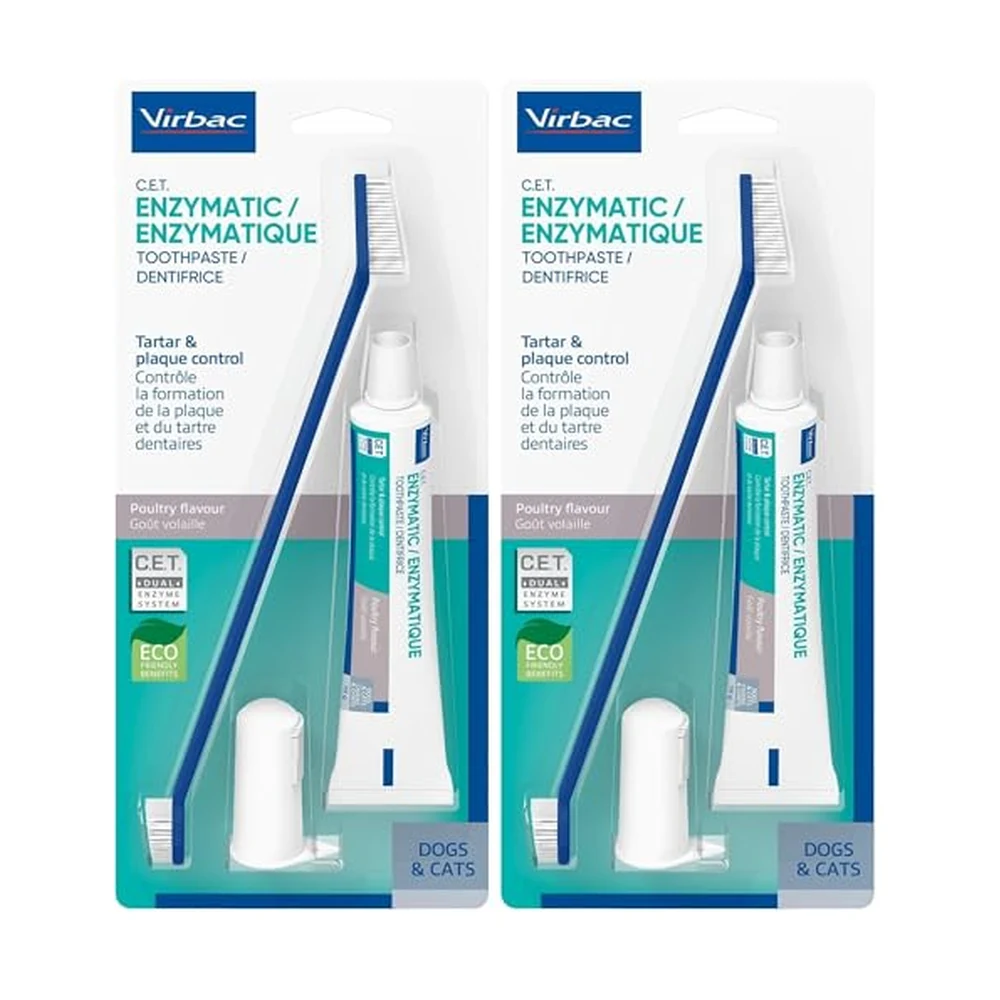
Hard chewing and dental wear are the same subject seen from two sides.
$19 4.5 out of 5 stars · 65,796
If the dog is under six months, start here instead — adult-strength rubber is too hard for milk teeth.