
At five months he sat when asked, came when called, and slept through the night. At eleven months he looks straight through you from forty meters away, has taken up barking, and has eaten a chair leg.
Most of the time nothing has gone wrong. But check that rather than assume it, because two different things look identical from outside. A gradual, patchy slide in training that shows up over weeks is maturation. A sudden change is not, and needs a vet appointment before it needs a training plan. Pain, illness and acute distress all present as disobedience, and no amount of rehearsal fixes them.
| Gradual, over weeks (maturation) | Sudden, in days (vet first) |
|---|---|
| Recall gets patchy | Abruptly reactive or withdrawn |
| More barking, more chewing | Starts soiling indoors |
| Ignores cues he knew | Flinches from touch, goes off his food |
| Ranges further, checks in less | Frightened of something he was fine with last week |
First, a piece of honesty about the word adolescent
There is no clinical adolescent life stage for dogs. The 2019 AAHA Canine Life Stage Guidelines define four stages, puppy, young adult, mature adult and senior, and adolescence sits inside young adult rather than standing on its own.
We use adolescent because owners genuinely live through it, but it is a consumer framing, and we would rather say so than imply a veterinary body drew the line. It also means that any article confidently telling you adolescence runs from month X to month Y is quoting nobody.
What AAHA does say is more useful. Its behavior chapter notes that the time period between roughly six months and three years of age can be the most challenging for owners as the dog matures socially and behaviorally. It goes on to name the behaviors vets should ask about at this age: jumping, barking and mouthing.
Remember: Adolescent is our word, not AAHA's. What AAHA writes down is that jumping, barking and mouthing are expected at this age.
What is actually happening
Three things at once, and they compound.
The world got bigger. Everything that was scenery at four months is now interesting: other dogs, smells, distance, the possibility of leaving. The competition for your dog's attention has multiplied while your rewards have stayed the same.
Growth is still finishing. AAHA ends the puppy stage at the cessation of rapid growth, roughly six to nine months varying with breed and size, and puts completion of physical and social maturation at three to four years in most dogs. There is a long stretch in the middle where a dog is physically adult and socially unfinished.
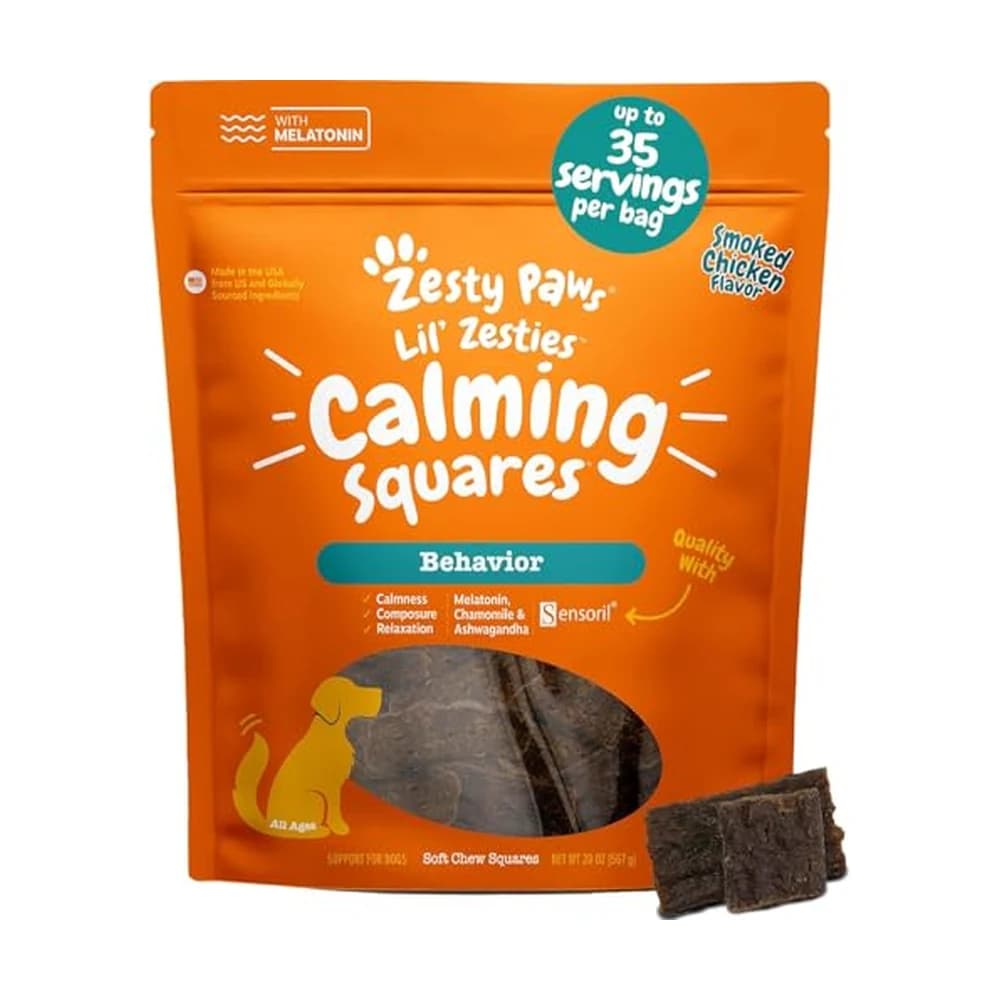
Fear can resurface. AAHA specifically directs vets to discuss areas of possible fear or anxiety at this age, including fear periods and noise phobias, and notes that chronic stress affects both the owner-pet bond and the dog's health. A dog who is suddenly worried about a bin he has walked past all his life is not being difficult. For a stressor you can see coming, fireworks or a first long car trip, a calming chew given ahead of time is a reasonable thing to try; owner results are mixed, and a dog who is anxious most days needs a vet and a trainer, not a supplement.
The plan, in four parts
1. Go back to easy
The training is not gone; it is context-bound and under-rehearsed. Rebuild it in easier conditions and pay it better.
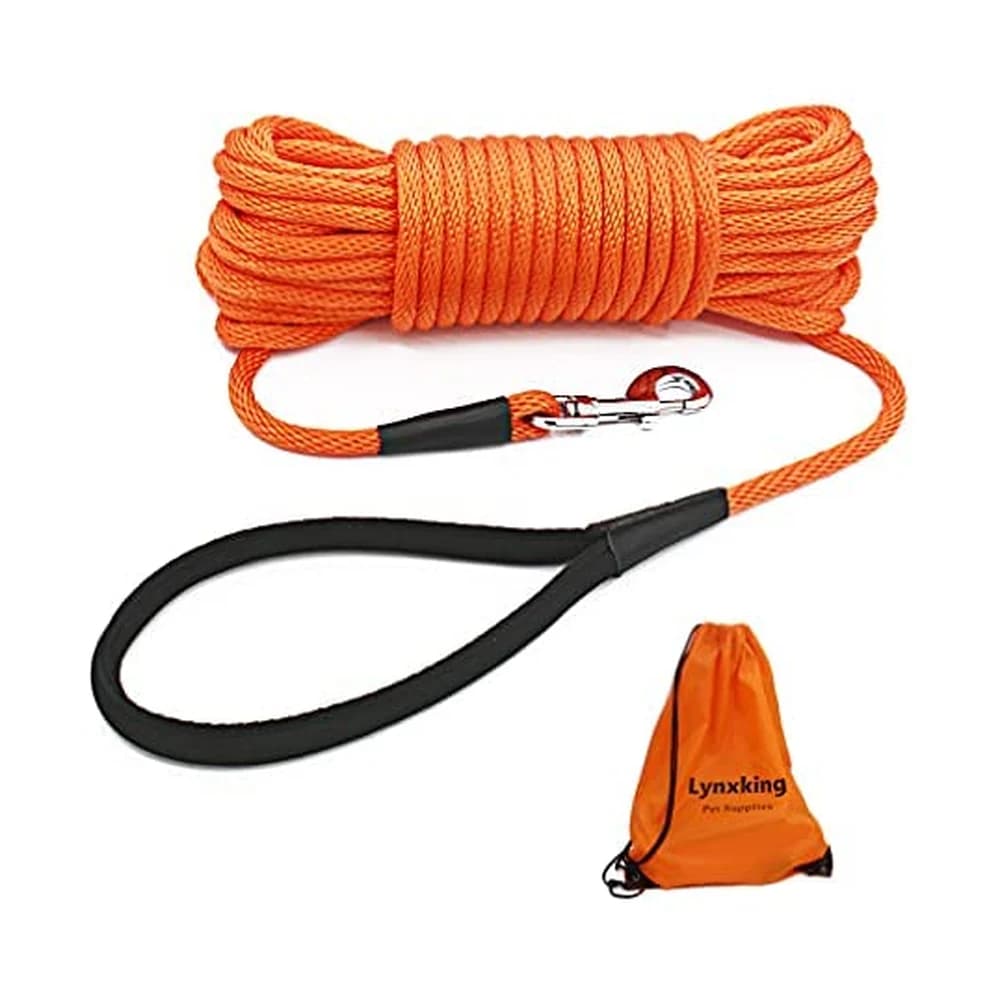
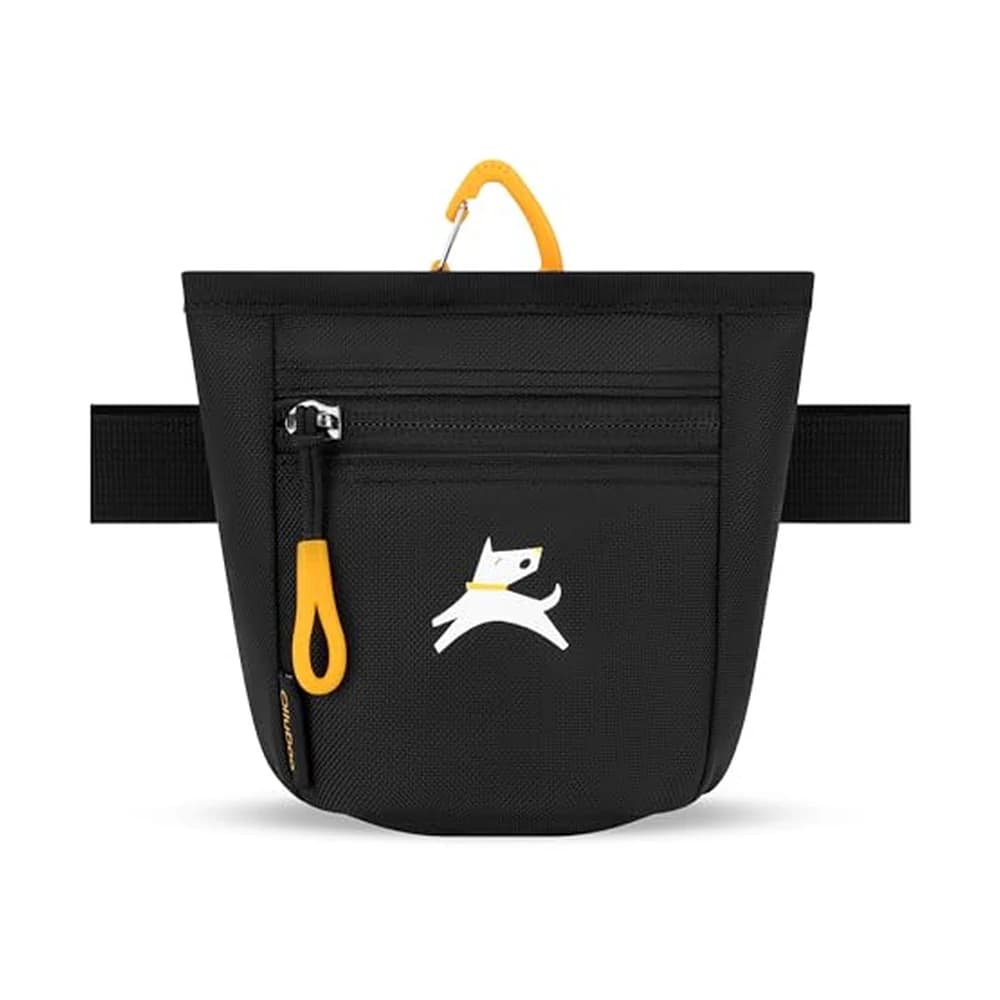
Recall in particular: the long line goes back on for a season. Not as a punishment, as insurance, so you never call a word you cannot back up. The recall guide has the sequence; this guide assumes a thirty-foot line like the Lynxking check cord clipped to a harness, and a one-motion treat pouch like the OllyDog Goodie bag, both off the training tools shelf. Those two make it a plan rather than a hope.
Leash work is the same story, covered in loose leash walking. Short sessions, boring routes, high-value food.
2. Manage what you cannot train yet
AVSAB describes management, including arranging the environment, as having a vital role in training that should be considered in all training plans. In adolescence it does more work than the training does.
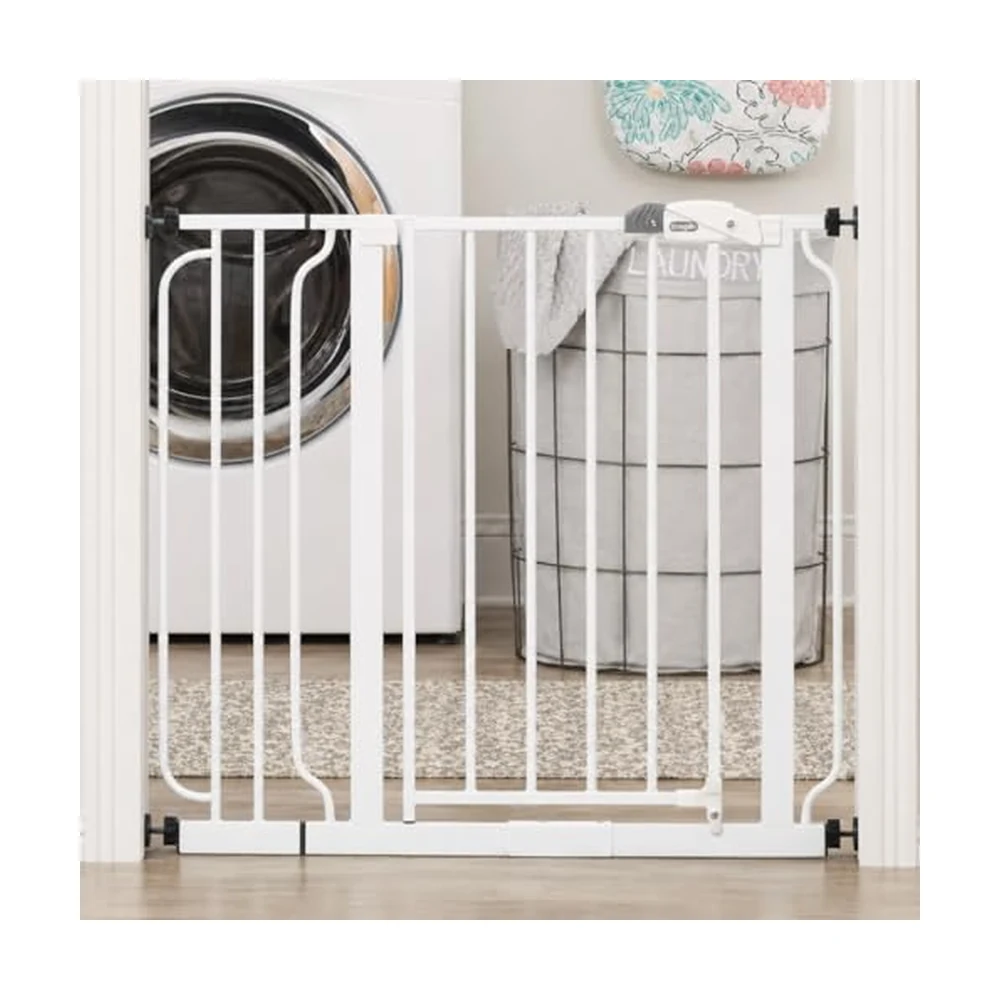
- The gate goes back up; a walk-through like the Regalo Easy Step spans a doorway without being climbed over every time.
- The bin lid gets locked.
- The long line comes out, and the free run in the unfenced field waits a few months.
- If he ranges further and checks in less, a GPS tracker is reasonable insurance for this phase, not a permanent admission of defeat; the Fi Series 3+ is built as a collar, with escape alerts when he leaves a drawn safe zone.
3. Give the chewing somewhere to go
Chewing often surges again in adolescence, and an adolescent jaw does damage a puppy's could not. Your dog will pick a target, and baseboard is a popular one.
 Management doing the work: a stuffed toy and a gate across the hallway, so the chair leg never comes up.
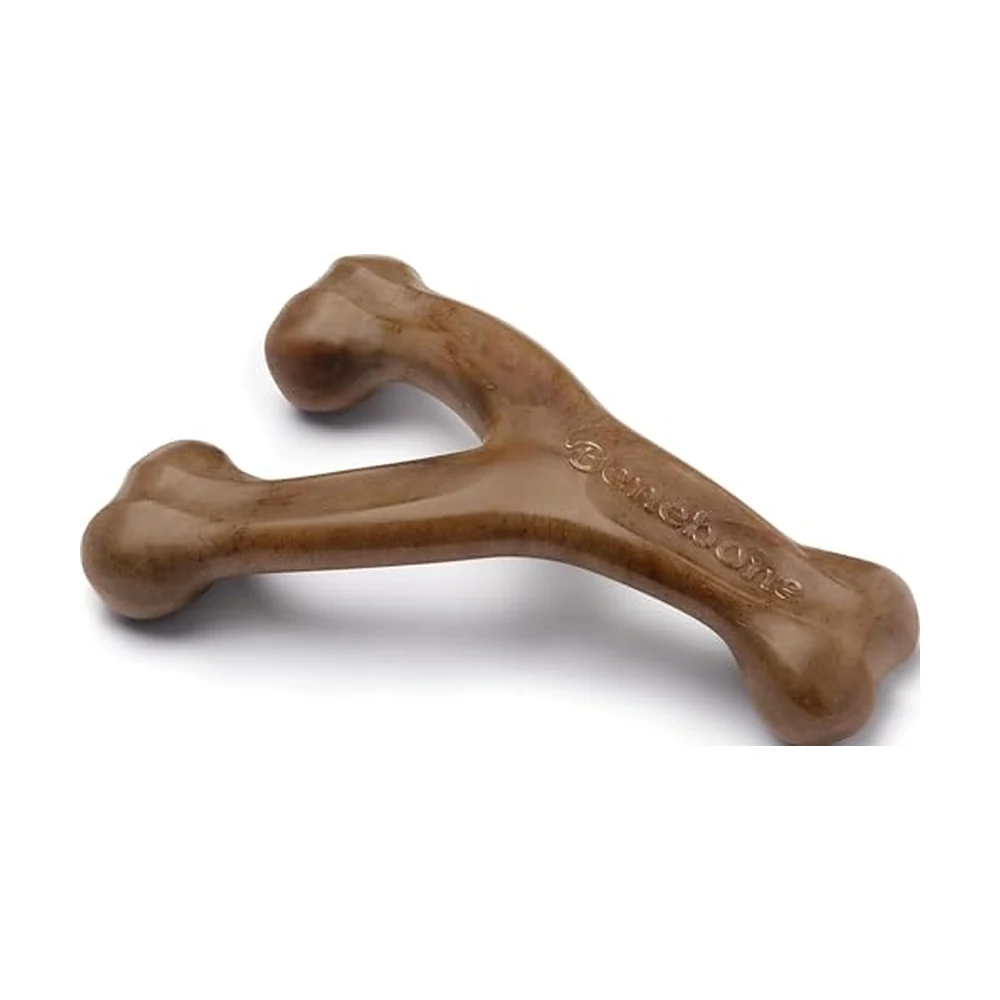
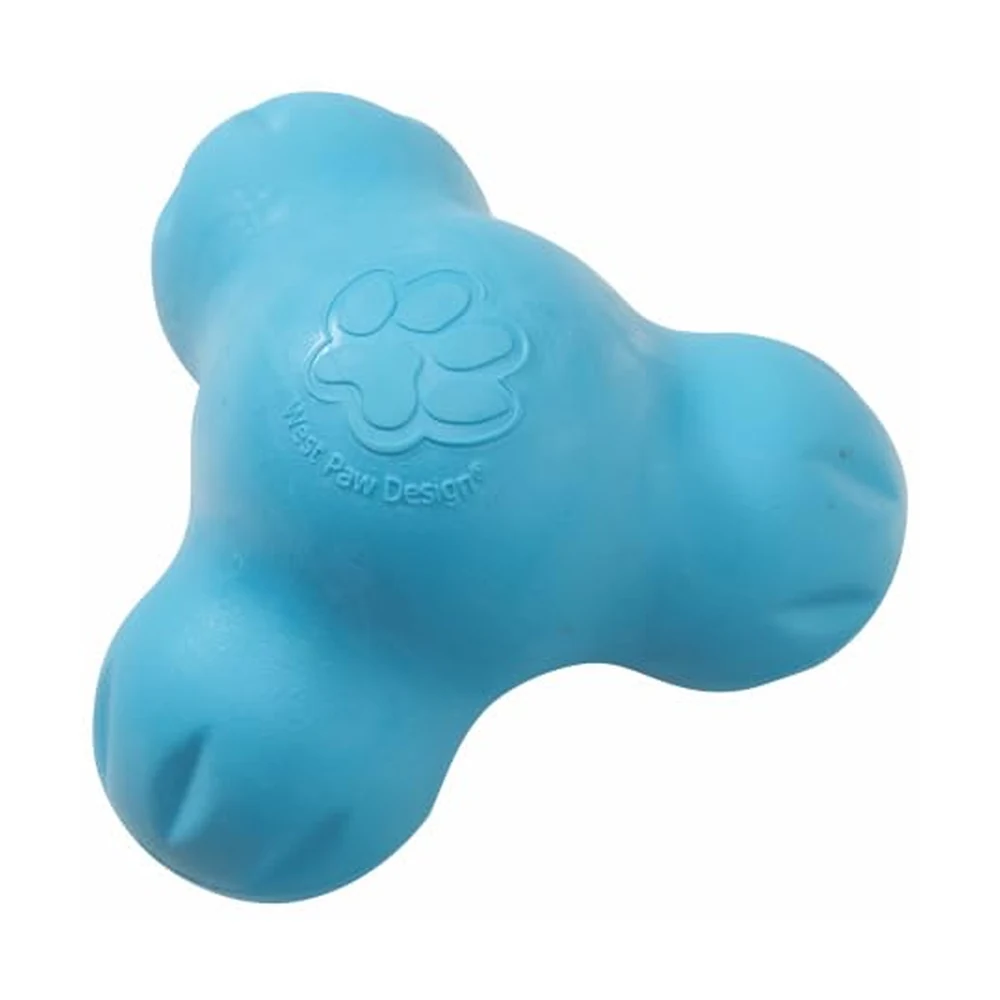
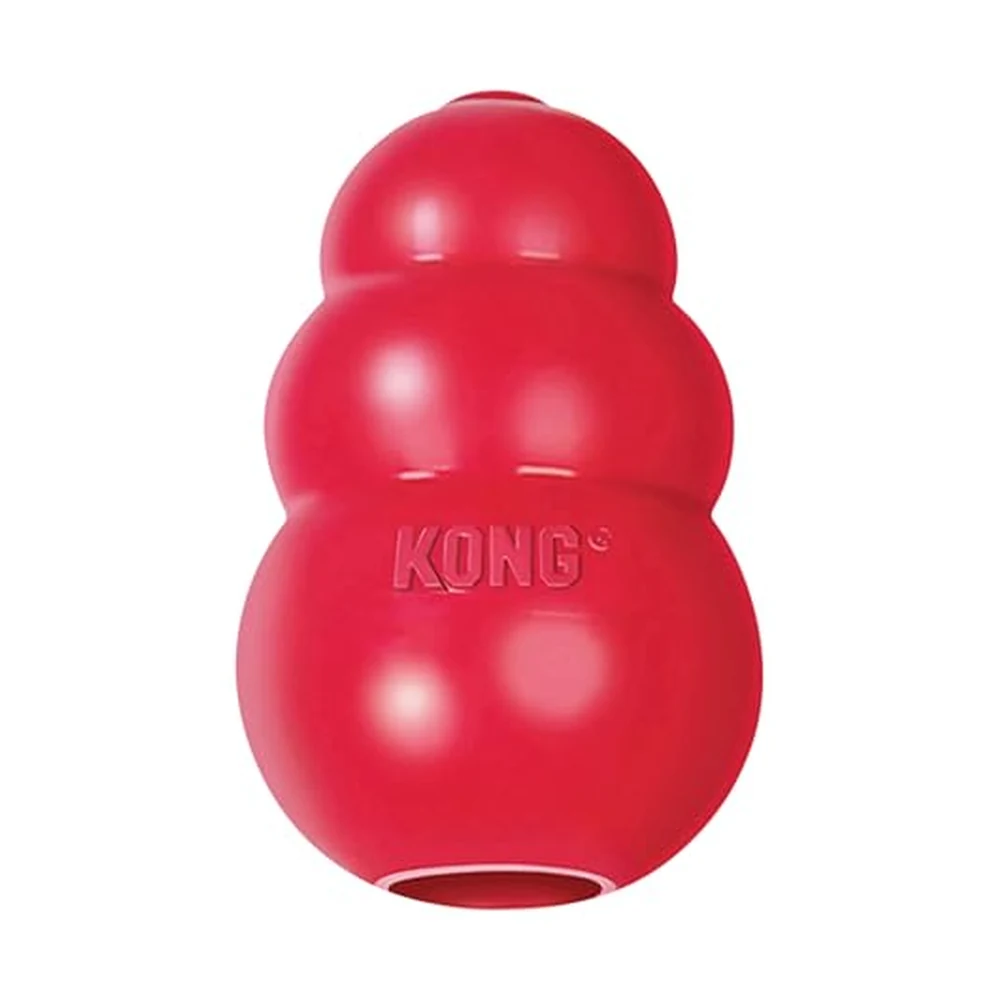
A rotation of heavy chewer toys plus something to work at every evening covers most of it. Rotate rather than pile: three toys at a time, swapped weekly, beat fifteen in a basket. A sensible three: a Benebone Wishbone, shaped to be pinned under a paw; a West Paw Tux, hollow, so stuffing it turns a chew into a job; and a KONG Classic, frozen overnight, for the evening he was going to redecorate the sofa.
4. Keep the socializing going, gently
The early window has closed, but the world is still teaching your dog things. Keep exposure varied, keep it at distances where he can still eat and think, and stop before he tips over. Our socialization guide explains the distance test, which works the same on a fourteen-month-old.
Rule of thumb: Go back to easy, pay better, and manage the rest. Reliability is rebuilt, not enforced.
What not to do
This is the stage where owners are most often sold a harder tool, and where it costs the most.
AVSAB recommends only reward-based methods for all dog training, including the treatment of behavior problems, and states there is no evidence that aversive methods are more effective than reward-based methods in any context. It reports that aversive training has been shown to impair dogs' ability to learn new tasks. During a phase whose entire content is relearning, that is a direct cost.
It also advises against trainers who discuss dominance, leader of the pack or alpha theories. Your dog is not bidding for rank. He is fourteen months old with a nose.
What actually helps:
- Easier repetitions, paid better.
- The long line, the gate and the locked bin, for a season.
- A legal chew before he finds an illegal one.
What people try that doesn't:
- A harder tool, which AVSAB reports impairs learning.
- Dominance and alpha theories.
- Waiting it out with nothing to chew.
When to get help rather than wait
AAHA is clear that puppies generally do not outgrow their problems, and lists the cases that warrant referral to a veterinary behaviorist:
- Aggression toward humans or other animals.
- Self-injury.
- Profound phobias or fears.
- Multiple concurrent diagnoses.
- Patients who have not responded to the primary care veterinarian's treatments.
If what you are seeing is on that list, ask your vet for a referral rather than reading on.
The neutering question
It will be raised, usually as a behavioral solution. It is a medical decision made with your vet.
We are not going to publish a universal schedule, because there is not an honest one to publish. Timing depends on breed, size, sex, health and how he lives, the veterinary guidance has moved considerably over the last decade, and it is a decision your vet should make with you rather than an article.
What to ask your vet
- Is any of this consistent with pain or with a fear period, rather than with training?
- Given his breed and size, where would you put him in physical maturity right now?
- Can you recommend a reward-based trainer, or is this one for a behaviorist?
More on what else changes now is on the adolescent stage page, and the wider map is in dog life stages explained.
Key takeaways
What to remember
- A gradual slide is maturation; a sudden change is a vet call first. Pain, illness and acute distress all look like disobedience.
- Wonky recall at eleven months is normal. AAHA calls roughly six months to three years the period owners find most challenging.
- Adolescent is not a clinical stage. AAHA has four stages and folds adolescence into young adult, so anyone quoting a precise adolescent age range is inventing it.
- Go back to the long line and to easier repetitions. Reliability is rebuilt, not enforced.
- Chewing surges again. Give it a legal outlet before it finds an illegal one.
- AVSAB recommends only reward-based methods, and notes aversive training has been shown to impair a dog's ability to learn new tasks.
Questions people ask
- When does adolescence start in dogs?
- There is no clinical answer, because AAHA's four life stages do not include adolescence at all. The closest published marker is AAHA's note that roughly six months to three years can be the most challenging period for owners. Larger breeds tend to run later and longer.
- Is my dog being dominant?
- No. AVSAB advises against trainers who discuss out-dated ideas such as dominance, leader of the pack, or alpha theories. What you are seeing is a maturing dog with a wider world and less impulse control, not a bid for rank.
- Should I be stricter now?
- Stricter about management, yes. Harsher, no. AVSAB reports that aversive training has been shown to impair dogs' ability to learn new tasks, which is the opposite of what you need during a phase defined by relearning.
- Will he go back to how he was?
- Usually, yes, and often better, because what you rebuild now is rebuilt in a more difficult world and therefore holds better. AAHA's framing is maturation, which is a process that finishes.
- Is neutering going to fix this?
- It is not a training solution, and the timing is a medical decision rather than a behavioral one. There is no single right age that holds across breeds, sizes and sexes, so ask your own vet what they recommend for this dog and what the trade-offs are either way.
Gear
The gear this guide assumes
Our shelves and product pages, so you can see the options without leaving mid-session. No buy buttons here — this is a training guide.
$19.43 4.5 out of 5 stars · 107,592
The flavour-driven adolescent — the curved shape is designed to be pinned by paws, so a…
$23.95 4.4 out of 5 stars · 4,928
Turning a chew into a job — the hollow centre takes food, so a heavy chewer works for the…
$13.96 4.6 out of 5 stars · 91,774
The stuffed-and-frozen standby — the toy that covers crate time, alone time and the first…
Lynxking 30 ft Check Cord Long Line
$18.49
Recall practice in open space, where a six-foot leash makes the dog's choice for them and…
$19.95
Getting a reward out in under a second, which is the only thing a treat pouch is actually for.
$44.98 4.6 out of 5 stars · 171,771
A wide doorway at the bottom of the stairs — it spans 29 to 38.5 inches and stands 30 inches…
$129 4.1 out of 5 stars · 787
The escape-prone adolescent — live nationwide location, geofenced escape alerts and a stated…
$16.97 4.2 out of 5 stars · 2,650
An adolescent or adult dog whose stress is situational (fireworks, car rides, guests) and…

Sources
- AAHA 2019 Canine Life Stage Guidelines: Behavior — That roughly six months to three years can be the most challenging period for owners, the named unruly behaviors of that age, the guidance on fear periods and chronic stress, the note that puppies do not outgrow problems, and the referral criteria for a veterinary behaviorist.
- AAHA 2019 Canine Life Stage Guidelines: Canine Life Stage Definitions — The four AAHA life stages, the absence of a clinical adolescent stage, senior defined as the last quarter of estimated lifespan, and the statement that stages phase in and out gradually.
- AVSAB Position Statement on Humane Dog Training (2021) — That AVSAB recommends only reward-based methods for all dog training, that tools relying on pain or intimidation should not be used, that training is most effective when it teaches the dog what to do, that management and antecedent arrangement belong in every plan, and that the learner must be able to opt out.
We research and analyse — specs, manufacturer documentation and large-scale owner feedback. We do not test products on dogs, and we are not your vet.
Next step
The heavy chewer toys shelf
Adolescent chewing is the part of this you manage rather than train, and a toy that survives the week is the whole of that management.
Adult teeth plus adolescent jaw strength plus boredom is how sofas die. These are the toys built for that specific combination.