In this article(10 sections)
Recall is the only cue that matters when it matters. Everything else can be managed with a leash and a door. So it is worth building properly, in an order that does not depend on your dog choosing you over a rabbit before he has any reason to.
The order is: house, garden, long line, real world. Skipping a step is how people end up shouting a word their dog has learned to ignore.
| Stage | Where | What you add | Move on when |
|---|---|---|---|
| One | Indoors | The word, a marker, ten seconds of pay | First-call turns in every room |
| Two | The garden | The runaway version | Comes off mild distractions |
| Three | Real places, on a long line | One variable at a time | Weeks of wins, several places |
| Four | A boring enclosed field | The line unclipped, in your pocket | Never; you keep paying |
Before the first repetition, three rules
Break any of these and the rest of the work leaks away.
Never call your dog to something he will not enjoy. Not to the end of a walk, not into the bath, not away from the friend he is playing with. Go and collect him for those. A word that sometimes means the fun stops is a word he has to think about, and thinking is what costs you the second you need it.
Never call twice. The second call teaches that the first one is a suggestion. If he does not come, you were too far, too boring, or too soon. Go and get him, and make the next one easier.
Pay properly. Not a piece of kibble. Chicken, cheese, whatever he would sell you for. AVSAB describes reward-based trainers using toys, treats or other appropriate reinforcers, and appropriate is doing real work in that sentence.
Rule of thumb: Never call him to something he dislikes, never call twice, and pay like it matters.
Stage one: the house
Nothing to compete with is exactly the point.
- Wait until he is a couple of meters away and not doing anything.
- Say the word once, brightly, in a tone you can reproduce in a panic.
- The moment he turns toward you, mark it with a word or a click.
- When he arrives, feed several small pieces one after another. Ten seconds of payment beats one bite.
- Release him. Let him go back to what he was doing, so coming back does not end the world.
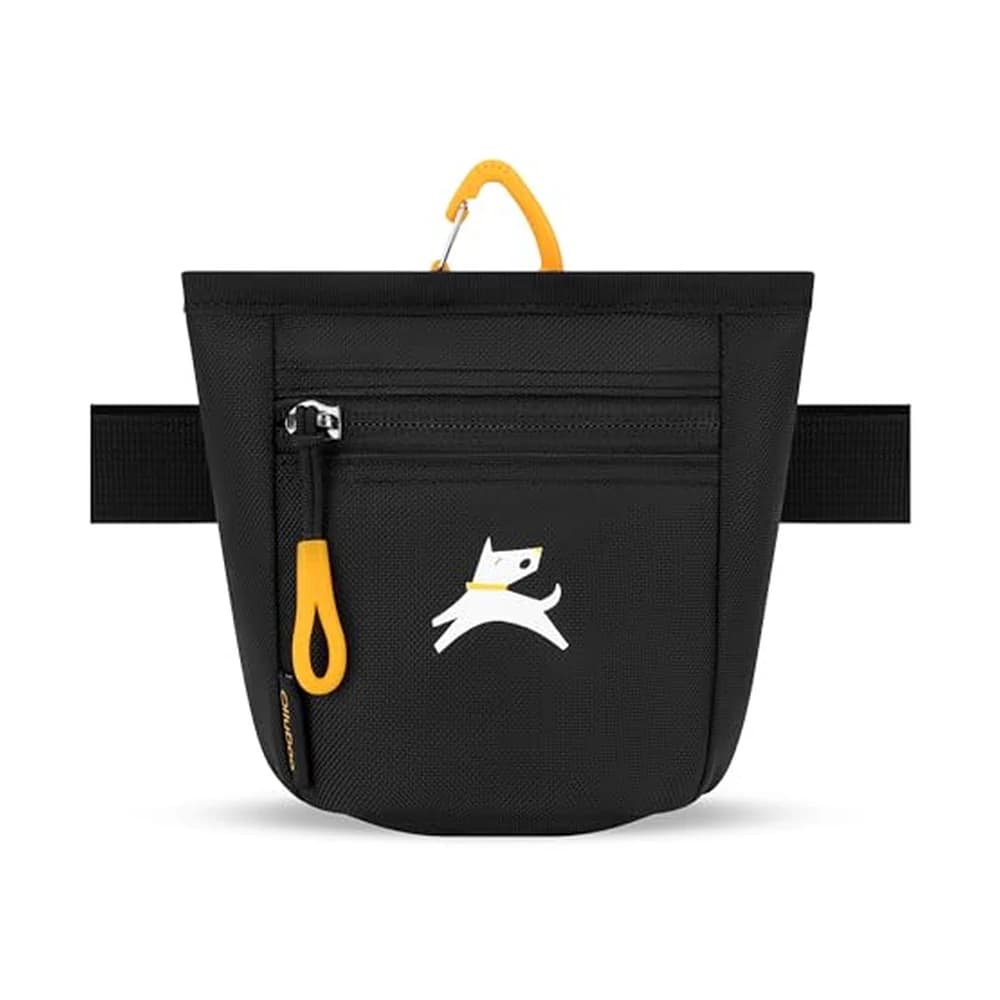
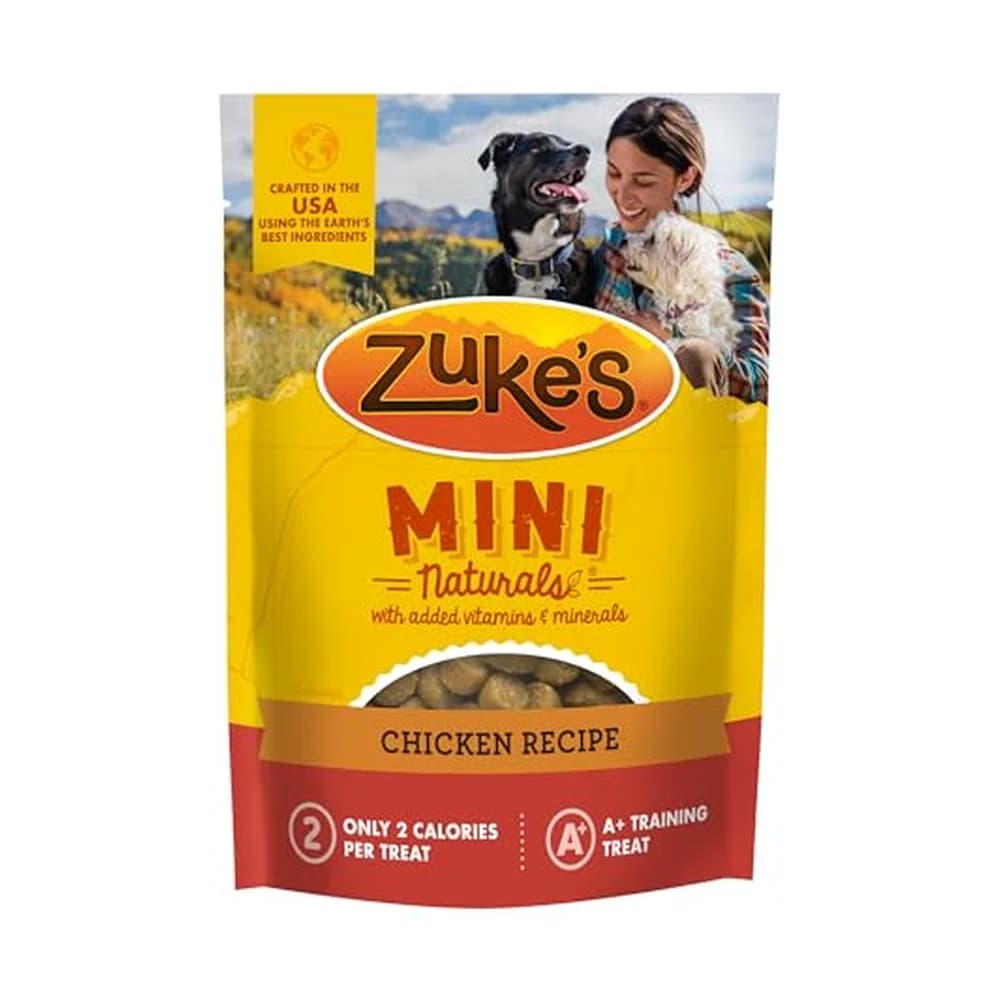
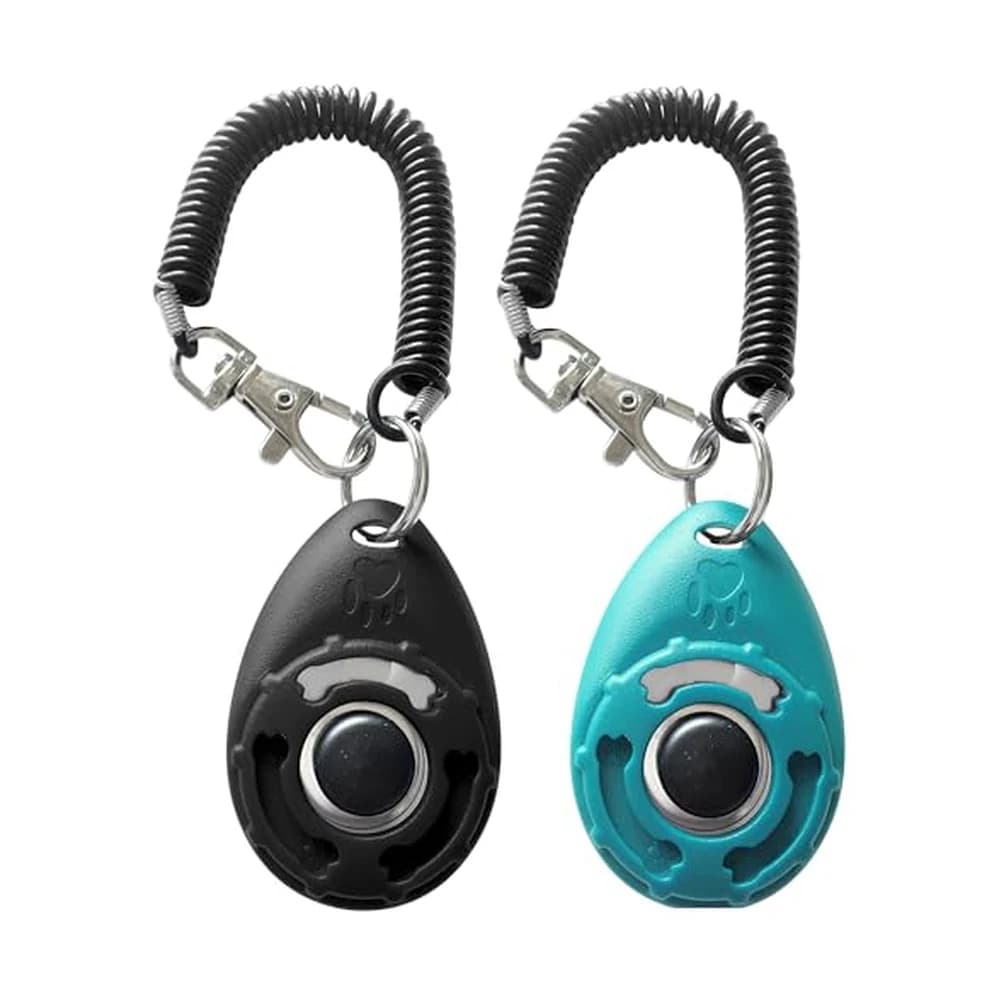
Five repetitions, three times a day, in different rooms. A treat pouch on your waistband is what makes this happen fifteen times a day instead of twice; this guide assumes one that opens in one motion, like the OllyDog Goodie bag, because a reward three seconds late has paid for something else. Indoors, pea-sized Zuke's Mini Naturals cover fifty repetitions without wrecking his diet; save the chicken for outdoors. The marker can be a word or a clicker; the timing matters, not the device.
Then add difficulty one variable at a time: further away, out of sight, while he is mildly occupied, with someone else in the room. If it falls apart, the last thing you changed was too much.
Stage two: the garden
Same game, more air. Outdoors is a different world to a dog, and you are effectively starting again, which is normal.
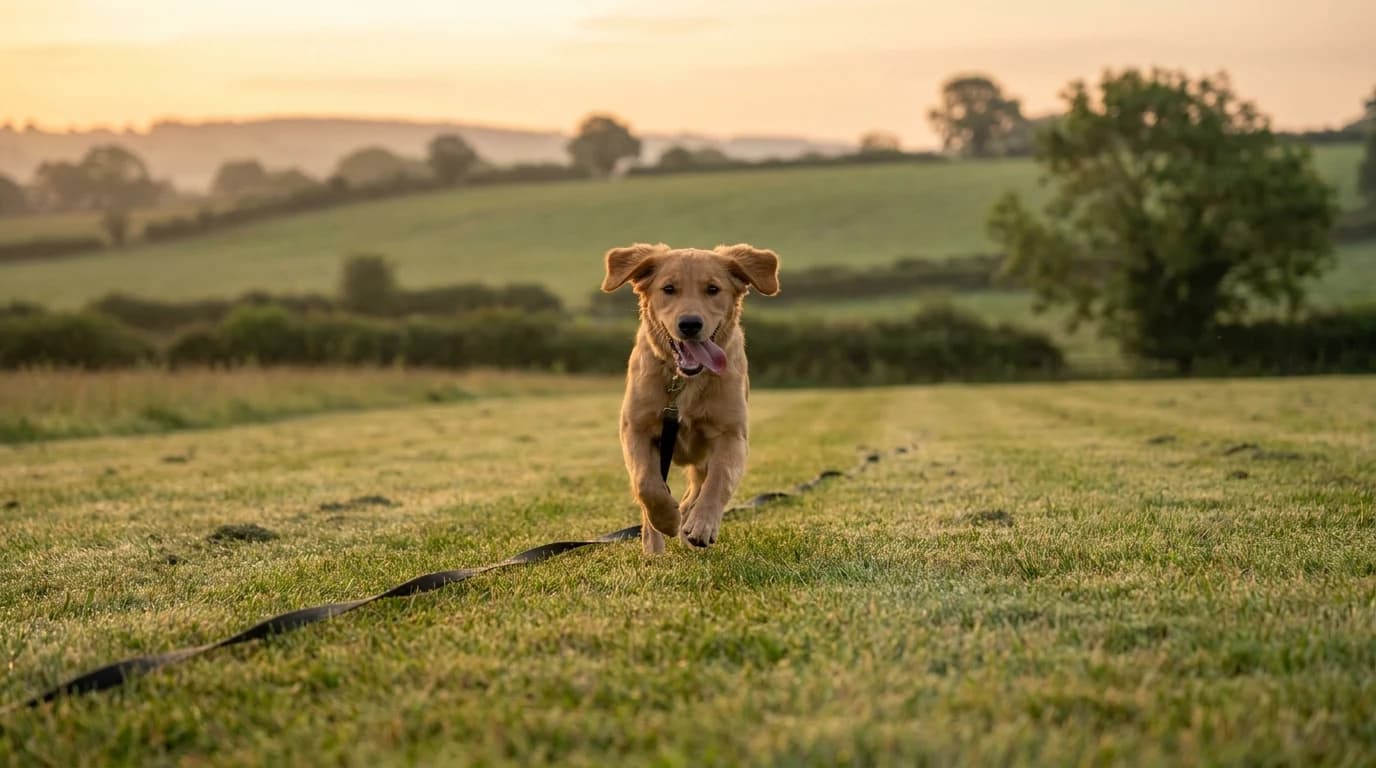
 Stage two: the same game with more air, the line already dragging so the word is never disobeyed.
Add the runaway version here. Call, then turn and jog away from him. Dogs chase movement away from them far more readily than they approach someone standing still, and it turns recall into a game.
Stage three: the long line
This is the step people skip and the step that makes the difference.
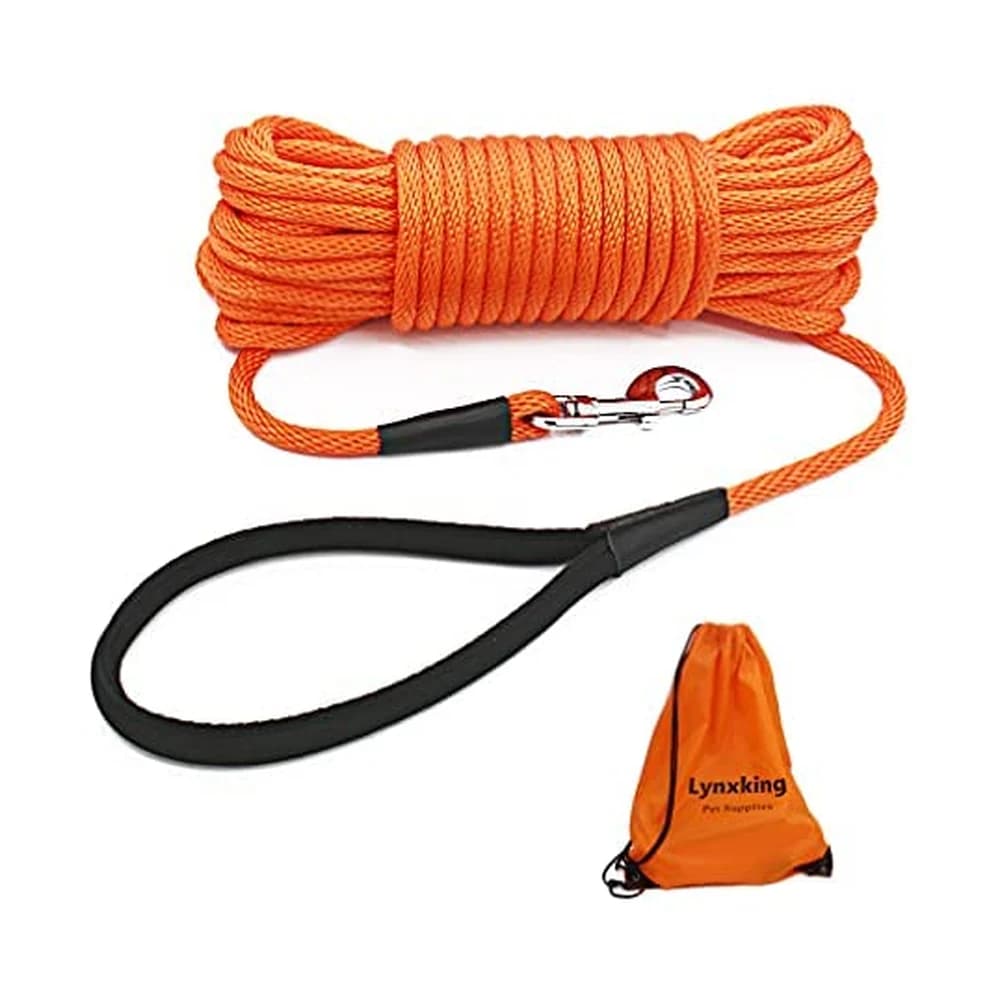
A long line, five to ten meters, attached to a well-fitted harness rather than a collar, lets you practice in real environments without ever finding out whether the cue is ready. You are not reeling him in; you are making sure the word is never disobeyed. The guide assumes a round rope like the Lynxking check cord rather than flat webbing, which wraps around legs and undergrowth.
Practical points:
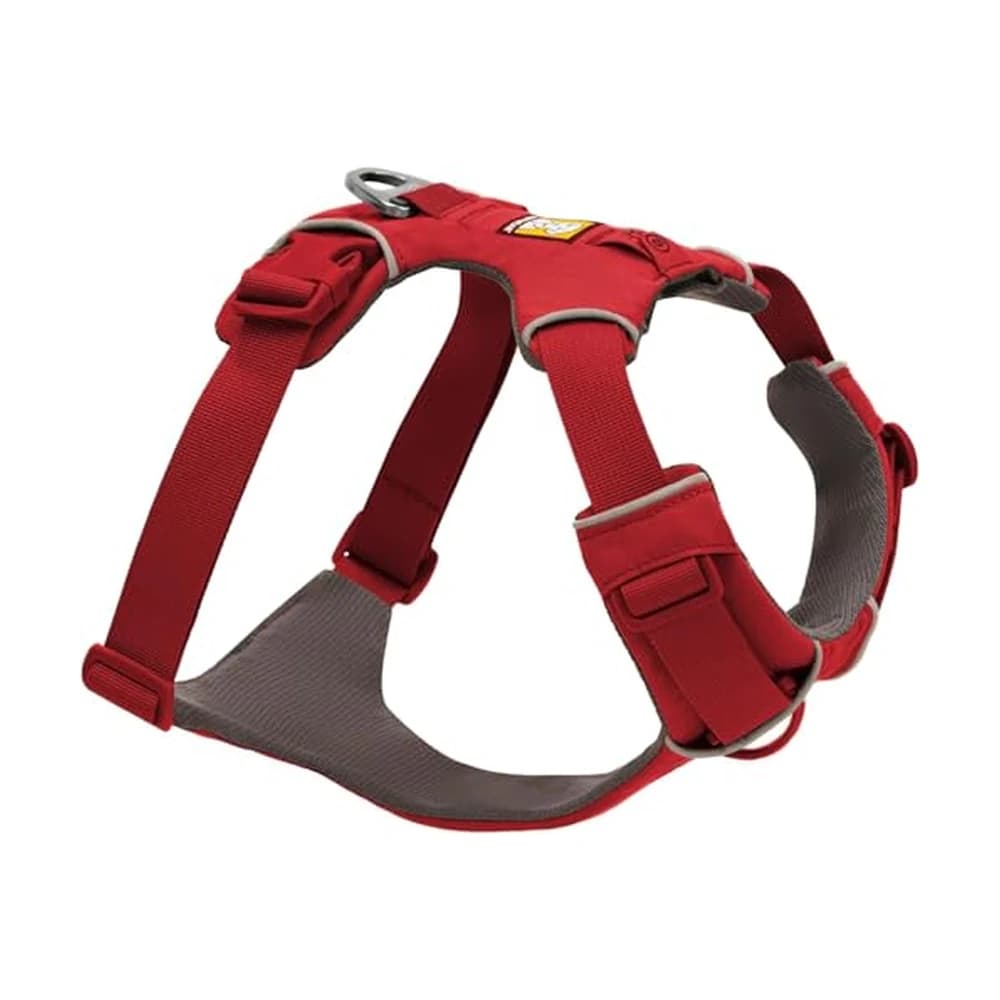
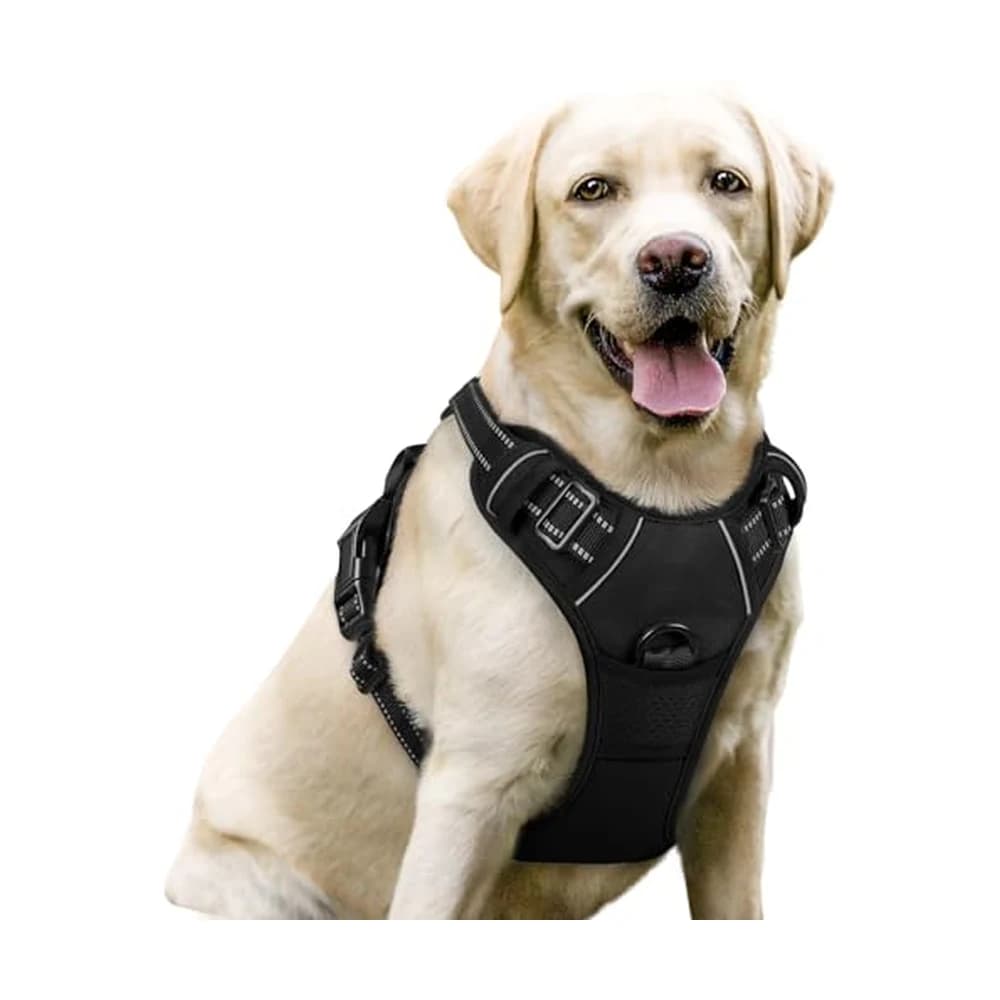
- Harness, not collar. A dog hitting the end of a long line on a collar is a neck injury waiting to happen. A Ruffwear Front Range runs from XXS to XL with four adjustment points, so it fits the puppy and the adult; a rabbitgoo does the job at a third of the price for an adolescent still filling out. The puppy and everyday harness shelves cover both sizes.
- Gloves, or a line with some texture. Rope burn is real.
- Let it drag in open space, and stand on it if you need to.
- Call when he is likely to come. Mid-sniff, not mid-squirrel. You are banking wins, not testing.
Work here for weeks, not days, and in several different places. A dog with a perfect garden recall has learned the garden.
Stage four: off leash, in the right place
Choose a boring enclosed field before a busy park, and keep the line unclipped in your pocket for the first sessions so you can restore it without ceremony.
Then keep paying. Recall is not a thing you finish. Adult dogs who get paid for coming back keep coming back.
About shock collars
You will be told recall is the case that justifies an electronic collar. AVSAB addresses that head on: it recommends only reward-based methods for all dog training, lists electronic shock collars among tools that should be avoided, and reports that even in the hands of experienced trainers, no difference in effectiveness was found between remote electronic shock collars and reward-based methods for teaching recall or stopping chasing. It also cites work in which dogs trained with reward-based methods responded with a shorter delay than the shock collar group.
Remember: The argument for a shock collar is not that it works better. AVSAB found no evidence that it does.
Adolescence will take some of it back
If your dog is somewhere between six months and three years and his recall has quietly dissolved, you have not lost the training. AAHA notes that this period can be the most challenging for owners as the dog matures socially and behaviorally.
The answer is not a stronger word. It is the long line, back on, for a season. There is more on this in adolescent dog regression, and the stage itself is covered on the adolescent stage page. The puppy stage page has the earlier foundations.
Add a hand signal now
Pair a visible arm signal with the word every time, from the beginning. It costs nothing today and matters later: the AVMA points out that teaching hand signals while a dog can still hear makes it easier to communicate as hearing worsens with age.
Common failures
What actually helps:
- He comes most of the way, then dances out of reach. You have been grabbing his collar as he arrives. Feed first, hold second, and practice a gentle collar hold separately.
- He comes indoors and not outdoors. Long line, back to easy, more places.
- He comes for food and ignores you when he is running. Practice recall out of movement specifically, at low intensity, on the line.
What people try that doesn't:
- Calling twice, louder.
- Testing the word off leash before the long line has proved it.
- Telling off a dog who eventually comes back, which punishes the returning.
What to ask your vet or a trainer
- Is any of this reluctance physical, particularly if he is older or stiff?
- Can you recommend a reward-based trainer locally? AVSAB advises against trainers who talk in terms of dominance, pack leadership or alpha theories.
Key takeaways
What to remember
- Recall is a paid behavior. Ordinary treats build ordinary recall.
- Never call your dog to something he dislikes. Go and get him instead, so the word stays clean.
- Never call twice. A second call teaches that the first one is optional.
- Use a long line as the bridge between the house and off leash. It keeps you from testing a cue you have not built yet.
- AVSAB notes that studies found no difference in effectiveness between remote shock collars and reward-based methods for teaching recall, even with experienced trainers.
Questions people ask
- What word should I use for recall?
- Any word, as long as it is not one you have already spent. If your dog's name or the word come has been shouted across a field with no result, pick a fresh word and build it properly rather than repairing the old one.
- How long until my dog has a reliable recall?
- Longer than most guides suggest, and it is not a fixed number. Reliability is built context by context. A dog who is perfect in the garden has learned the garden, not recall.
- Should I use an e-collar for recall?
- No. AVSAB recommends only reward-based methods and lists electronic shock collars among tools that should not be used. It also cites work finding no difference in effectiveness between remote shock collars and reward-based methods for teaching recall, even in experienced hands.
- My dog comes back at home but ignores me at the park. What am I doing wrong?
- Nothing wrong, just an incomplete picture. Dogs do not generalise well. Go back to a long line in that environment and pay heavily there until the park is as trained as the kitchen.
- What if my dog runs off and comes back on his own?
- Reward him anyway, warmly. Telling off a dog who returns punishes the returning, which is the only part you actually want to keep.
Gear
The gear this guide assumes
Our shelves and product pages, so you can see the options without leaving mid-session. No buy buttons here — this is a training guide.
Lynxking 30 ft Check Cord Long Line
$18.49
Recall practice in open space, where a six-foot leash makes the dog's choice for them and…
$19.95
Getting a reward out in under a second, which is the only thing a treat pouch is actually for.
$14.94 4.6 out of 5 stars · 18,587
The everyday training treat — small, soft and low enough in calories to reward fifty times in…
HoAoOo Training Clicker, 2-Pack
$4.99
The marker itself — a sound a dog can learn in one session, at a price that means losing one…
$59.99 4.6 out of 5 stars · 18,114
The everyday harness you buy once — two leash points, foam-padded panels and four adjustment…
$15.98 4.5 out of 5 stars · 194,711
Two leash clips and a top handle at a budget price — the sensible first harness for an…
Sources
- AVSAB Position Statement on Humane Dog Training (2021) — That AVSAB recommends only reward-based methods for all dog training, that tools relying on pain or intimidation should not be used, that training is most effective when it teaches the dog what to do, that management and antecedent arrangement belong in every plan, and that the learner must be able to opt out.
- AAHA 2019 Canine Life Stage Guidelines: Behavior — That roughly six months to three years can be the most challenging period for owners, the named unruly behaviors of that age, the guidance on fear periods and chronic stress, the note that puppies do not outgrow problems, and the referral criteria for a veterinary behaviorist.
- AVMA: Senior pets — That teaching a pet hand signals at a younger age may make it easier to communicate as their hearing worsens with age.
We research and analyse — specs, manufacturer documentation and large-scale owner feedback. We do not test products on dogs, and we are not your vet.
Next step
The training tools shelf
Stage three needs a long line and something small enough to pay twenty repetitions with, and improvising either is where recall practice stalls.
Training is mostly timing and repetition. The gear that helps is the gear that makes the reward arrive fast — small treats, and something to deliver them.