The best puppy crates, compared.
A crate is where a puppy learns that sleep is safe and that being alone is survivable. Buy the adult size once, and use the divider to shrink it down.
Amazon links earn us a commission; it doesn’t change what we recommend.
Start here
Which one is right for you?
Three different dogs, three different answers. Each one names what it is good at and what it costs you.
You want one crate that lasts from the first night to adulthood
Buy it to the adult dog's size and move the divider forward as they grow. The divider is the potty-training tool, not an accessory — a puppy given a full-size crate picks a far corner as the toilet.
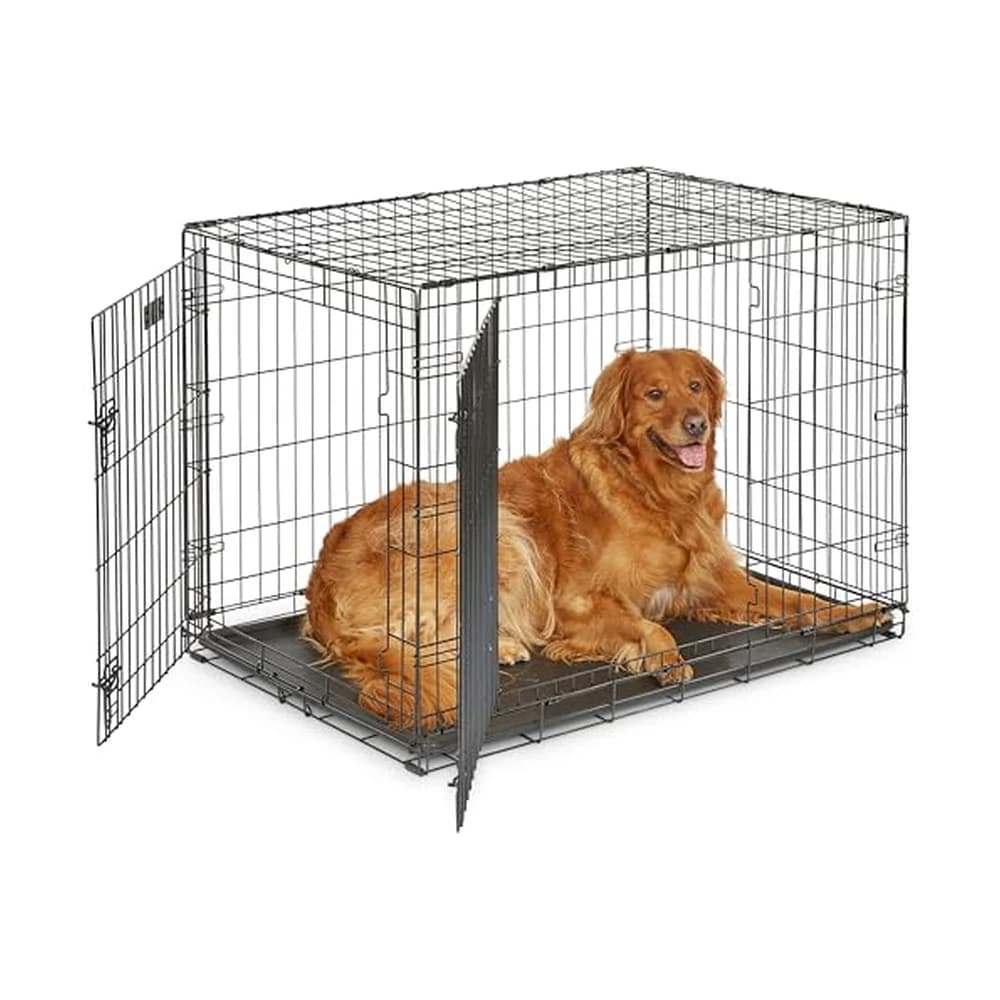
Our pick for this: MidWest iCrate Double Door · $100.99
You fly, drive long distances, or your puppy gets caught in wire bars
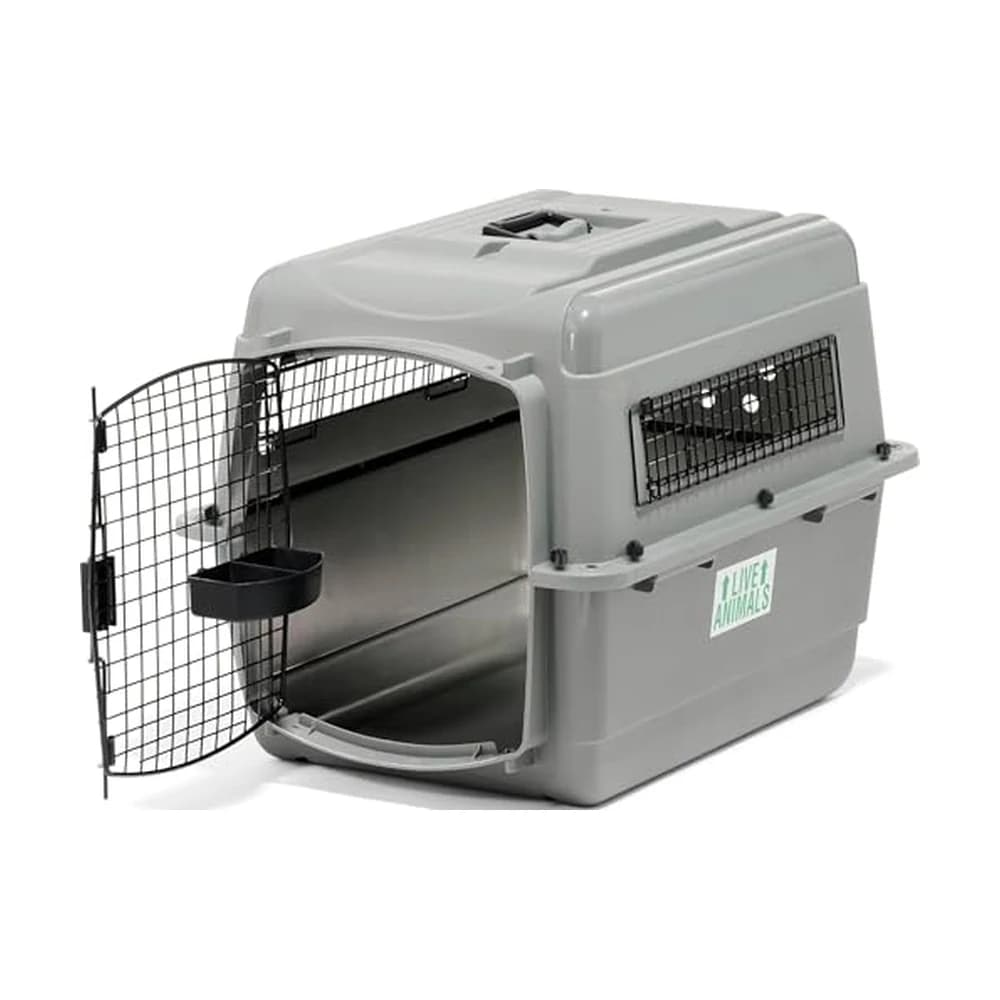
A moulded plastic kennel travels and contains a dog who catches feet or jaws in wire. The trade is that it cannot be divided, so it does not grow with the puppy.
Our pick for this: Petmate Sky Kennel · $107.95
The bedding keeps getting soaked or shredded
A wipe-clean liner is what most owners end up on after the second destroyed bed. It is a consumable in the first months, not a piece of furniture.
Our pick for this: Molly Mutt Waterproof Liner · $20.00
If none of these is your dog: nothing on this shelf is the right answer for every household, and we would rather you bought nothing than the wrong thing. Start from the stage your dog is actually in, or size it first with the Crate Size Calculator.
Filter picks3 of 3
Showing 3 of 3 picks — no filters applied
Showing 3 of 3 picks — no filters applied
The crates, feature by feature
The one crate you buy at eight weeks and still use at eight years — the included divider grows with the dog
- Material
- Wire steel
- Skip if
- You need something for airline cargo, or a determined escape artist has already bent a wire crate.
The variant we link: 42-Inch · 71-90 lbs
A puppy who has a flight in their future — the rigid kennel airlines accept for cargo, bought early enough to get used to it
- Material
- Heavy-duty plastic shell
- Skip if
- Your crate never leaves the house. A wire crate with a divider is cheaper and easier to live with.
The variant we link: 28in · 15 to 30lbs
Each pick below carries its own specs, and the tags mark the best of these picks on that point. Specs come from manufacturer listings; ratings are the Amazon aggregate rating and count, refreshed periodically — we don't test products.
How winners are decided: ✓ marks the lowest price, the highest owner rating, the largest stated weight capacity and the longest warranty. Rows where more is not better — size, dimensions, weight, material — and the editorial rows get no ✓ at all. A blank is unknown, never a loss, and a row needs at least two known, differing values before anything can win. How the best-of-these tags are decided: the lowest price, the highest owner rating, the largest stated weight capacity and the longest warranty. Points where more is not better — size, dimensions, weight, material — and the editorial notes carry no tag at all. A blank is unknown, never a loss, and a point needs at least two known, differing values before anything can lead. As an Amazon Associate we earn from qualifying purchases. Specs are the manufacturer's claims and owner-reported data — we research and analyse; we don't test products on dogs.
Accessories
These go with a crate, not instead of one, so they are not ranked against them and their prices are not part of the range above.
Crate liner or mat
The layer between a puppy and their bedding — strip it, wash it, and the crate does not… · $20.00
The variant we link: 22"x27"x4.75"
Why puppy crates matter at this stage
An eight-week-old puppy sleeps about eighteen hours a day, and almost none of it on your schedule. The crate is not a punishment box and it is not really about containment — it is the one place in a loud new house where a puppy can switch off, and the one place you can put them at 2 a.m. without wondering whether they are eating a power cord.
Two things change fast at this stage. The first is size: a Labrador that fits a 24-inch crate in October needs a 42-inch crate by spring. That is why the divider panel matters more than the crate itself — you buy the adult footprint once and wall off the back so the puppy has room to stand, turn and lie flat, but not enough spare floor to use one end as a bathroom. The second is bladder control, which arrives slowly and unevenly. Expect accidents, and buy a liner you can strip and wash rather than a plush bed you will resent.
By the puppy stage the crate stops being a bedroom and becomes a door your dog walks through on their own. Leave it open, feed meals in it, and it stays useful for a decade — for vet recovery, for houseguests, for storms.
What owners keep saying
Owners across these threads converge on a folding wire crate sized for the adult dog with the divider moved forward as the puppy grows, and they treat the divider as the main potty-training tool rather than an accessory. The recurring complaint is a crate left at full size: puppies pick a far corner as a toilet and sleep in the rest, and several owners describe accidents stopping only after they moved the divider tighter. Plastic airline kennels come up for car travel, flights and for pups that get feet or jaws caught in wire bars, with the tradeoff that they cannot be divided. On liners, the pattern is that ordinary padded beds get shredded or soaked early; owners repeatedly report going bare or to a wipe-clean, tie-down, ripstop pad until the chewing and accident phase is over.
we read 80 threads across r/puppy101, r/dogs, r/Dogtraining
Paraphrased from public discussion, never quoted and never counted into a statistic we did not measure. Owners are not a controlled study — they are the only long-term use data anybody has.
What we didn’t pick
Things that look like they belong on this shelf and are not on it, with the reason.
Soft-sided fabric crates
They are travel and camping gear, not containment for a puppy left alone. A dog who chews the mesh is out of it, and the failure mode is a crate you cannot trust rather than one that needs repairing.
Buying a puppy-sized crate now and an adult one later
The divider exists so you buy once. Every crate on this shelf is meant to be bought to the adult dog's size with the divider moved forward, which is also the potty-training tool owners kept describing.
Furniture-style wooden crates
They are chosen for the living room, and the thing a teething puppy meets first is a wooden edge. This shelf serves the months where the crate is a training tool; a piece of furniture is a purchase for later.
How to choose a puppy crate
Crate shopping goes wrong in two directions: too small for the adult dog, or too big for the puppy in it today. A divider solves both.
Buy for the adult dog, divide for the puppy
Sizing to the puppy means buying twice. Every crate here that includes a divider lets you shrink the usable space to roughly the length of the dog plus room to turn.
A door you can open one-handed at 3 a.m.
You will be doing this half-asleep, in the dark, holding a puppy. Slide-bolt latches and a second side door make the crate far less annoying to live with.
A tray or liner you can actually wash
Accidents are part of the stage, not a failure. A removable leak-proof pan or a washable liner keeps the crate from becoming the thing that smells.
Folds flat if it will ever move
Crates get relocated — bedroom at night, kitchen by day, a car for a trip home from the breeder or shelter. Folding wire crates go where rigid ones cannot.
Air travel is a separate purchase
Wire crates are not accepted as checked baggage. If a flight is on the horizon, you need a rigid kennel that meets the airline's live-animal rules, and you need it early enough to acclimate the dog.
Common questions
- What size crate does my puppy need?
- Size the crate to the adult dog — length of the dog nose to tail base, plus two to four inches — then use the divider to close off the extra space until they grow into it. If you do not know the adult size, ask the shelter or breeder for a weight estimate, or use our crate size tool.
- How long can a puppy stay in a crate?
- Short stretches, and less than you would like. A common rule of thumb is roughly one hour per month of age during the day, up to a maximum of a few hours, with overnight being the exception because they are asleep. If your schedule needs more than that, you need a pen or a person, not a bigger crate.
- Should the crate have a bed in it?
- Something washable, yes. A waterproof liner or a flat mat is easier to strip at midnight than a plush bolster bed, and it removes the temptation for a teething puppy to shred foam. Save the good bed for after the chewing stage.
Gear
Pairs with
Shelves that go with puppy crates — hand-picked adjacencies, not "customers also bought".
$34.95 3.9 out of 5 stars · 9,010
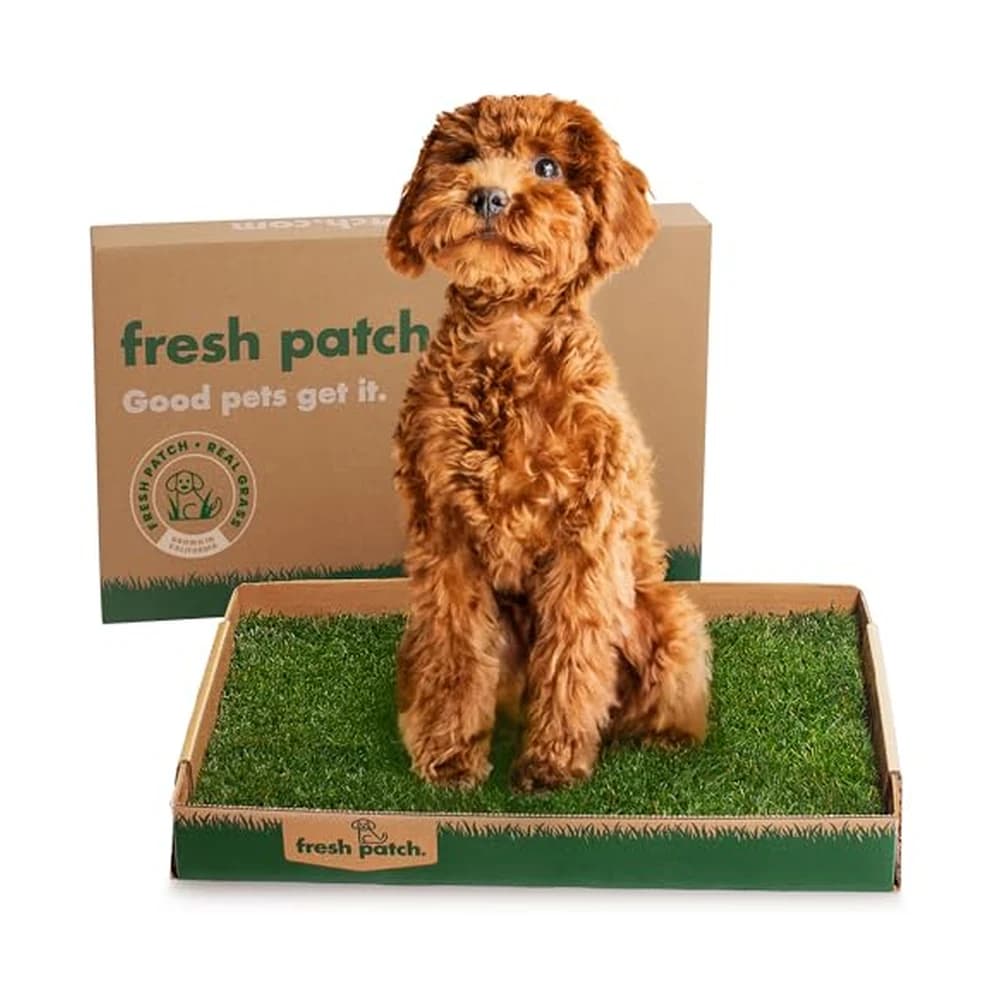
A crate schedule is a potty schedule — the crate only works if the trips out are timed with it.
$44.98 4.6 out of 5 stars · 171,771
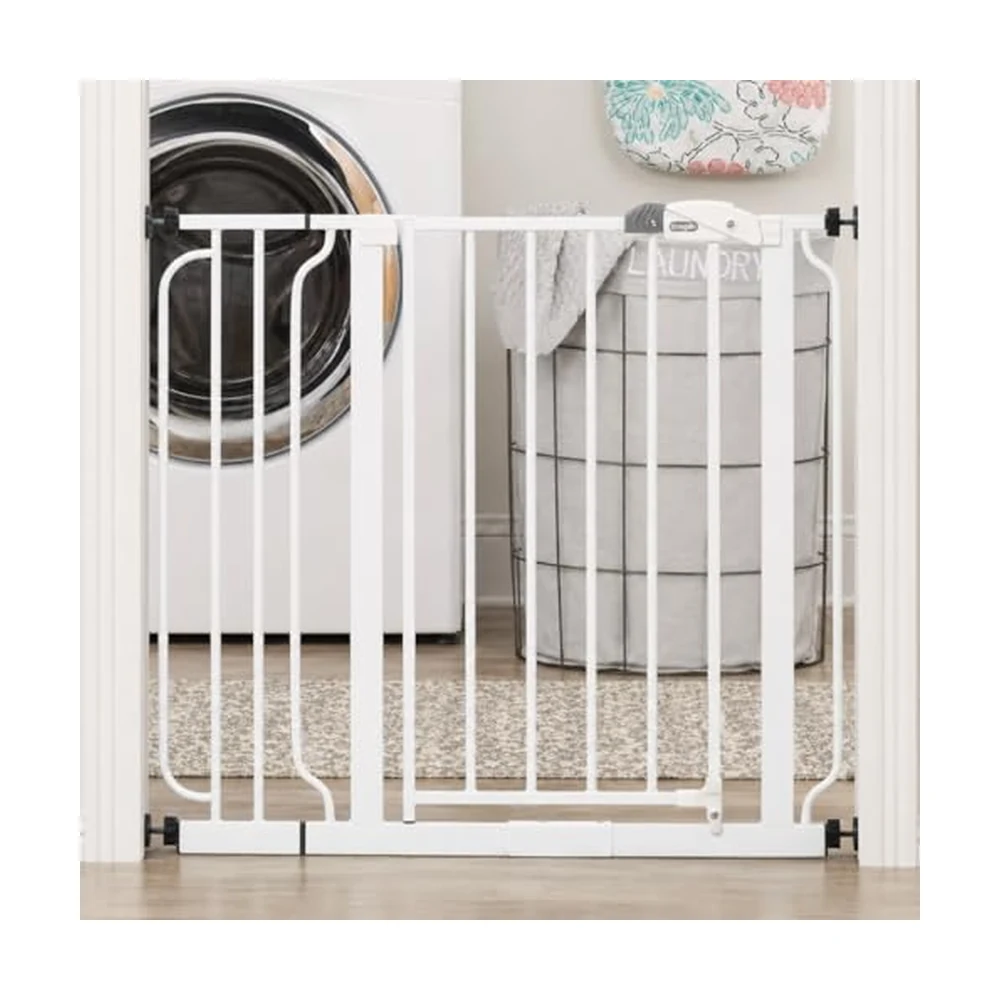
The daytime half of the same containment: a crate is for sleep and settling, a pen is for the hours in between.
$16.97 4.2 out of 5 stars · 2,650
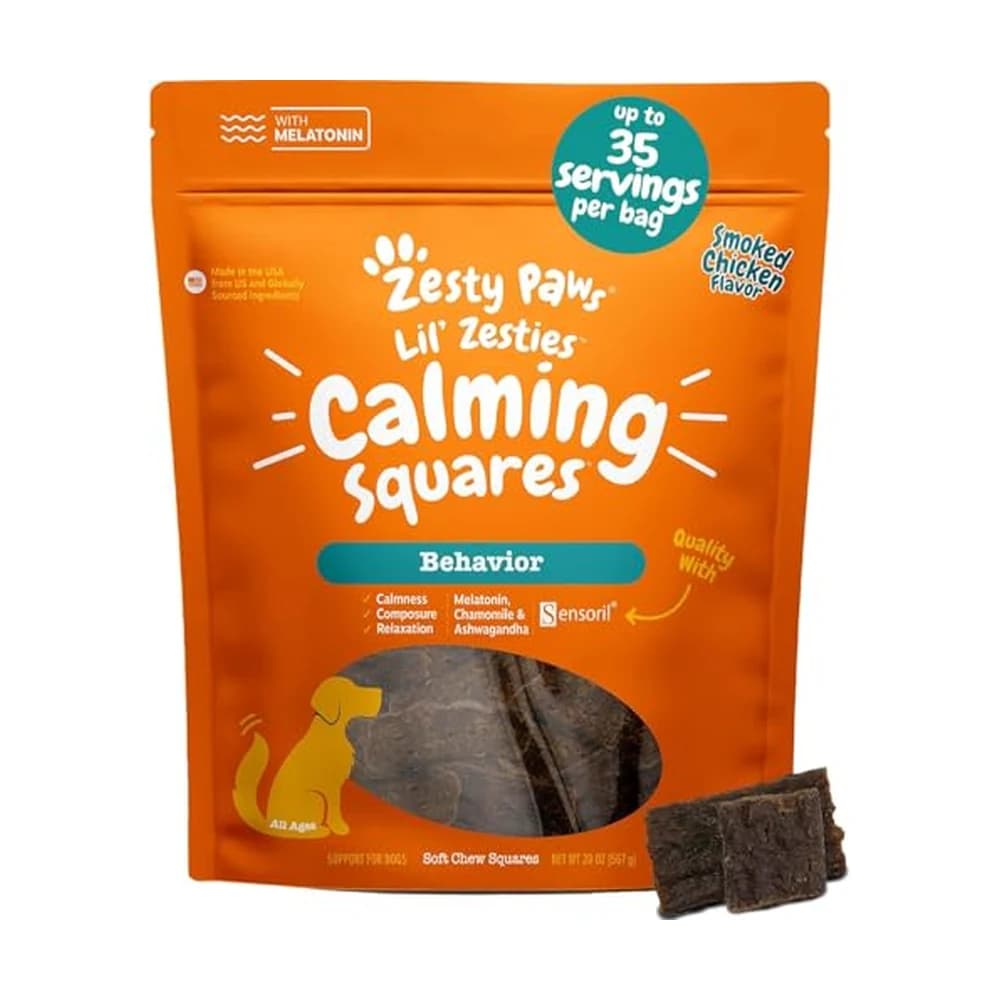
The first nights are the hard ones, and a crate a puppy screams in is a crate that gets abandoned by week two.