We research gear rather than testing it, and some links below are Amazon affiliate links — if you buy through one we may earn a commission, at no extra cost to you. It does not change what we recommend. Full disclosure.
In this article(6 sections)
The first week with a puppy is not usually hard because of the training. It is hard because nobody warns you how much of the day a healthy puppy spends unconscious, and how badly things go in the hour when he should be asleep and is not.
The American Kennel Club puts normal puppy sleep at 18 to 20 hours a day. Read that as a fraction: a puppy is awake for something like four to six hours out of twenty-four, in pieces. Everything you want to do with him, toilet trips, meals, handling, socialization, training, has to fit inside those pieces without filling them.
The shape of a puppy's day
The AKC recommends planning the day so that active time is followed by quiet time, and its numbers give you the shape of it:
| What the AKC describes | The number |
|---|---|
| Total sleep in a day | 18 to 20 hours |
| Length of one nap | 30 minutes to two hours |
| Gap between naps | About every hour of awake time |
| Overnight wakings, first weeks home | Once or twice, usually a toilet need |
That gives you a cycle rather than a schedule, which is more useful, because a cycle survives contact with real life. One turn of it looks like this:
- Wake. Straight outside, no detour, no talking. The highest-percentage toilet moment of the cycle.
- A short something. A meal, a few minutes of handling, one tiny piece of training, or a look at something new in the world.
- Play, watched. Ten to twenty minutes is a lot for a young puppy.
- Out again. Excitement moves things along.
- Back to the quiet place. Before the crash, not after it.
Then repeat. Six or seven turns of that is a day.
Rule of thumb: Count cycles, not hours. If you are counting hours you will keep getting caught out by a puppy who was fine ten minutes ago.
The overtired puppy looks exactly like a badly behaved one
This is the single most useful thing to know in week one. An overtired puppy does not slow down. He speeds up. He bites harder, grabs trouser legs, sprints in circles, and stops hearing his name. It reads as defiance, and it is hard not to respond to it as defiance.
Test the nap before you test the training
Before you treat it as a training problem, treat it as a sleep problem. Put him somewhere small, dark and boring, and see what he is like twenty minutes later. Most families discover that the puppy they thought was aggressive at seven in the evening is a different animal after a nap.
It also matters because of what you teach in that window. AAHA's life stage guidelines note that puppies generally do not outgrow their problems, and that exposure without watching how the puppy is coping can make things worse. A frantic, exhausted puppy is not learning what you think he is learning. He is practising being frantic.
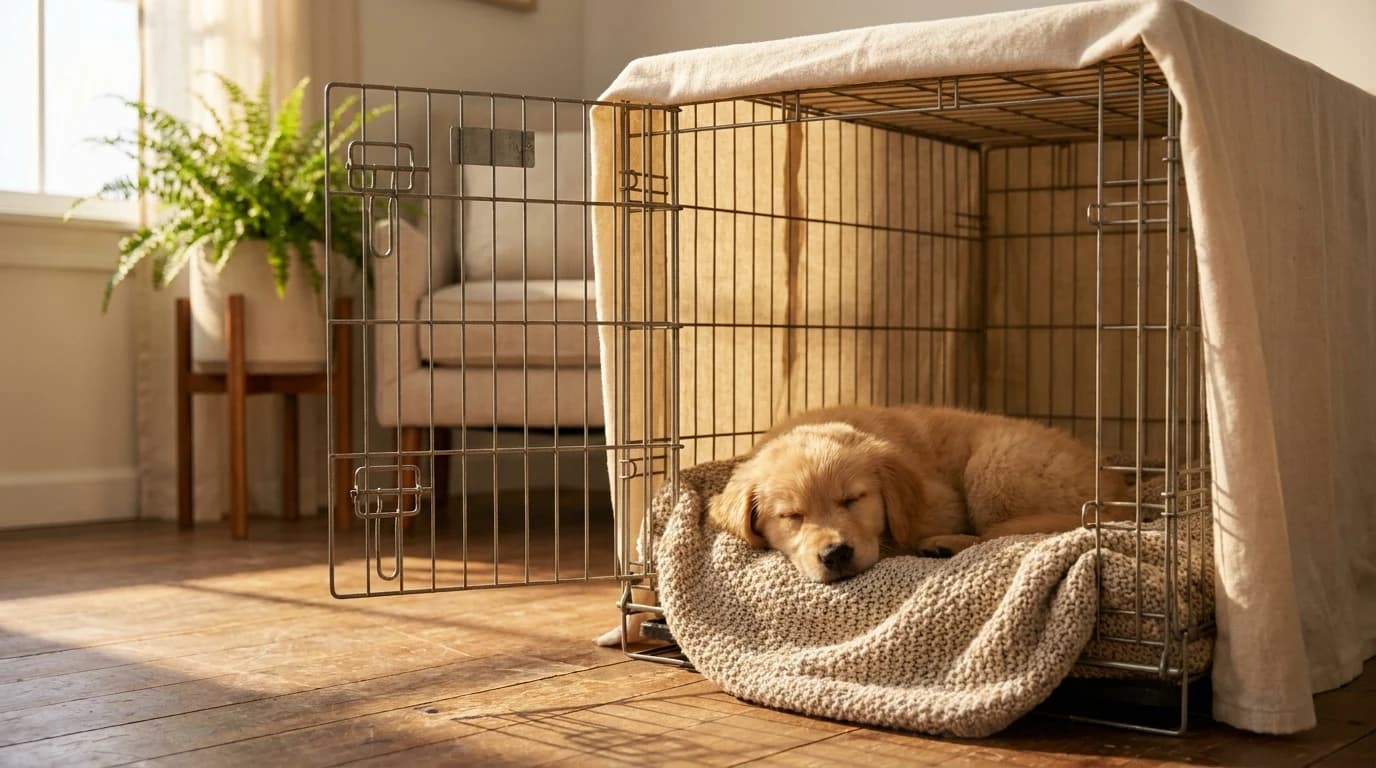
 A covered crate in the room the family uses: small, dim and boring is what gives a puppy permission to stop.
What is not normal
Sleeping a great deal is normal. These are worth a call rather than a wait:
- Difficult to rouse, or floppy and unresponsive when awake
- Not eating, or vomiting, alongside the sleepiness, especially in a very small puppy
- Sleeping through meals and toilet trips for a whole day
- Crying that sounds like pain rather than protest
Ask your vet at the first appointment what normal looks like for your puppy's breed and weight, and what would make them want to see him sooner.
Why the sleep is doing real work
It is not idleness. The AKC describes puppy sleep as essential to healthy growth, contributing to development of the central nervous system, the brain, the immune system and the muscles, and helping puppies rest through growth spurts.
Worth remembering the first time a visitor wants to wake him up to say hello: the nap is the thing that is happening, and the visitor can meet him at the start of the next awake cycle.
Where the sleep should happen
Smaller, not bigger
A puppy who will not settle usually has too much space, not too little. An open room gives him a horizon to patrol and a doorway to worry about. A defined, covered, boring space gives him permission to stop.
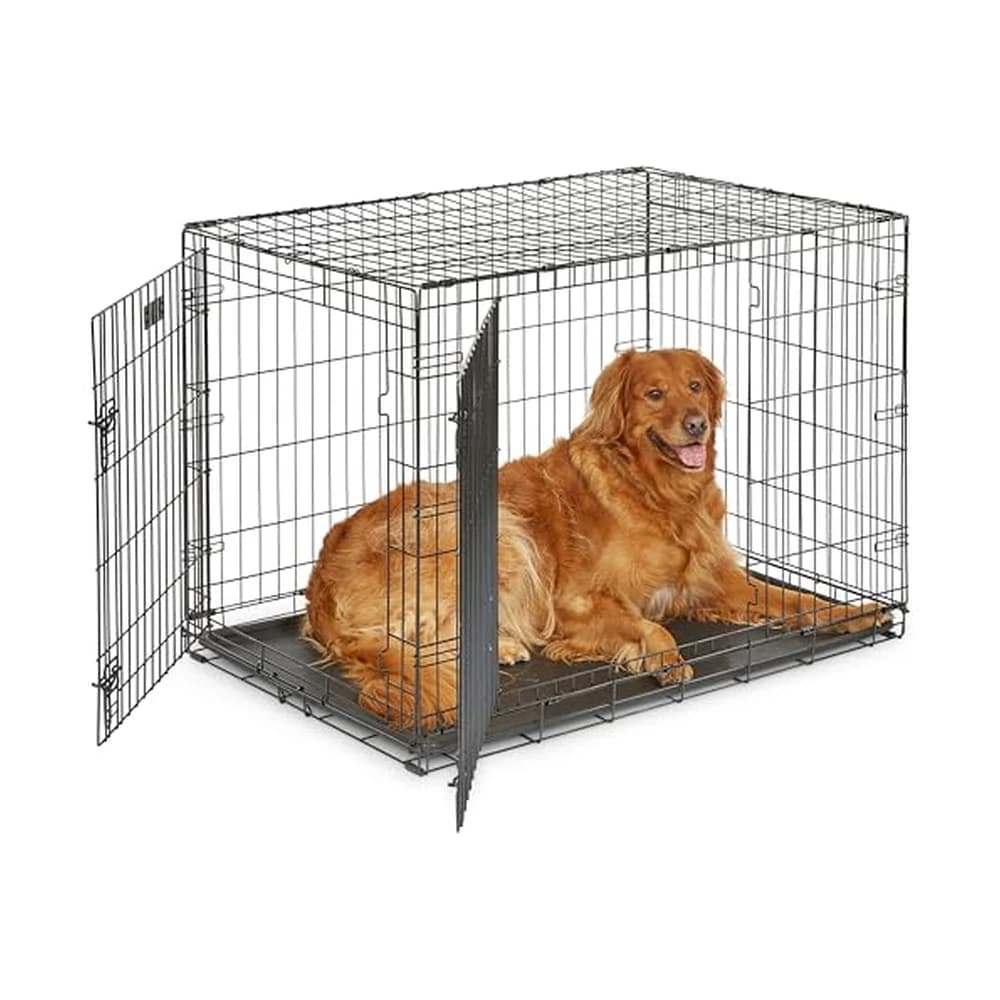
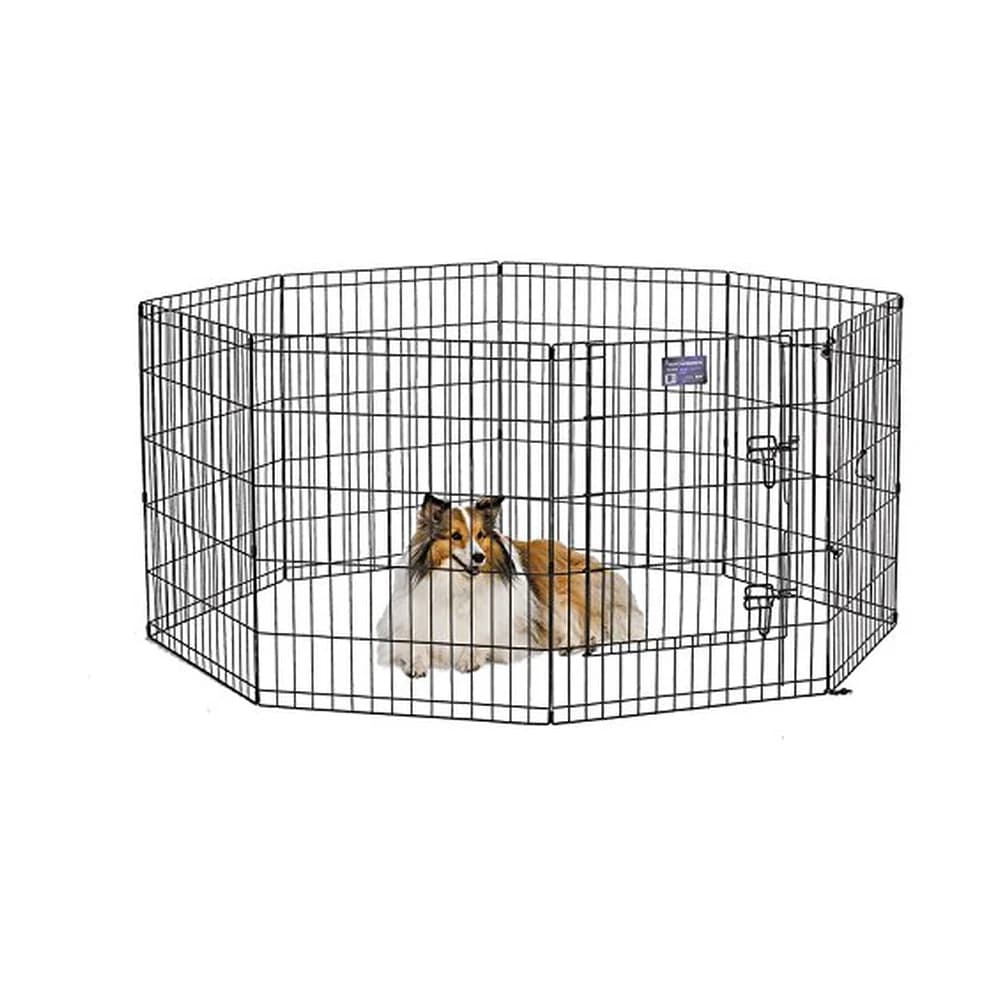
In practice that means a crate sized so he can stand, turn and lie flat but not much more, or a playpen with the bed in one corner. Most families here end up with the MidWest iCrate with its divider panel, because the divider is what lets one crate be the right size in October and still the right size next summer. If he needs a little floor as well as a bed, the MidWest 30-inch exercise pen clips onto a wire crate, so the bed stays in the crate end.
Both need to be introduced as good places before they are used as sleeping places. If the settling is not happening yet, do the introduction first in crate training a puppy, stage by stage. A crate he has been shut into cold is a box. A crate he has been fed in for three days is a bedroom.
The kit that survives the first month
- Put it where the family is, at least at first. Isolation is not restful for a young puppy.
- Cover three sides. Less to look at, less to react to.
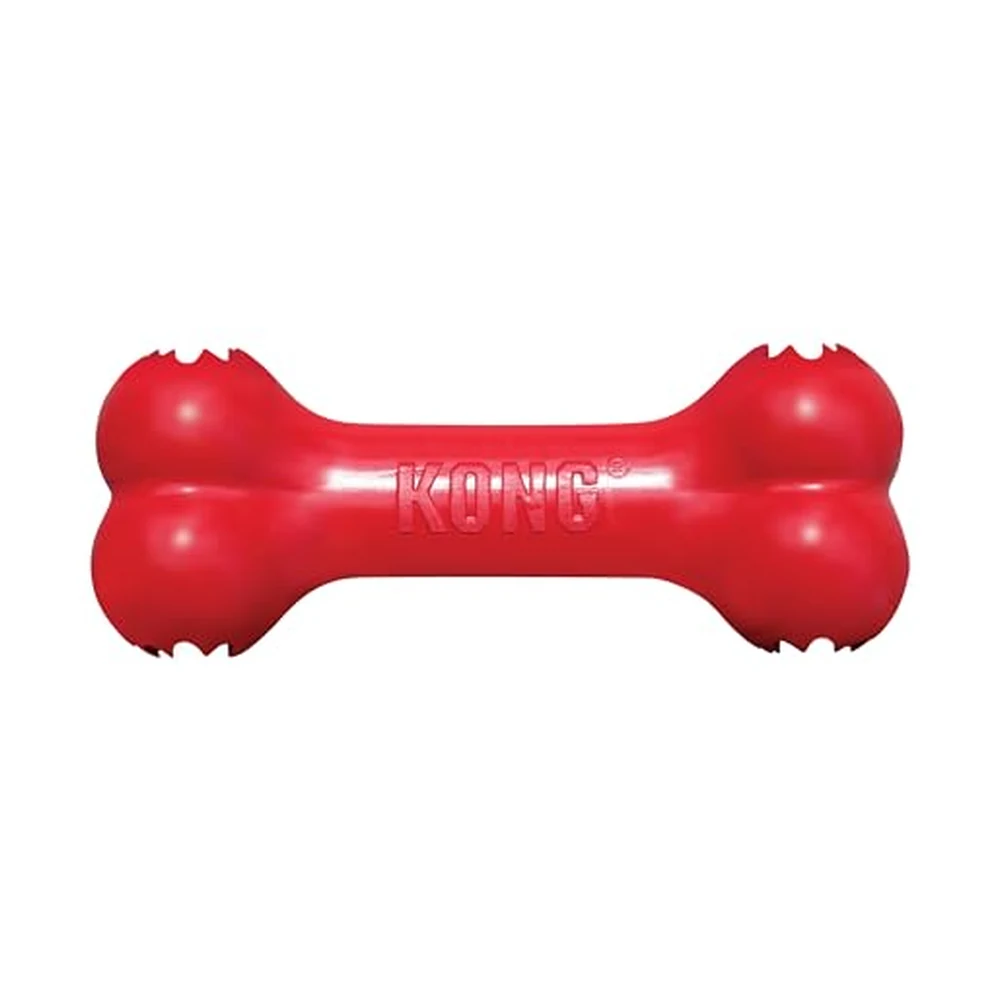
- Something legal to chew in there. A teething chew he is allowed to have keeps him off the crate bars, and a KONG Goodie Bone, stuffed and frozen, outlasts the wind-down.
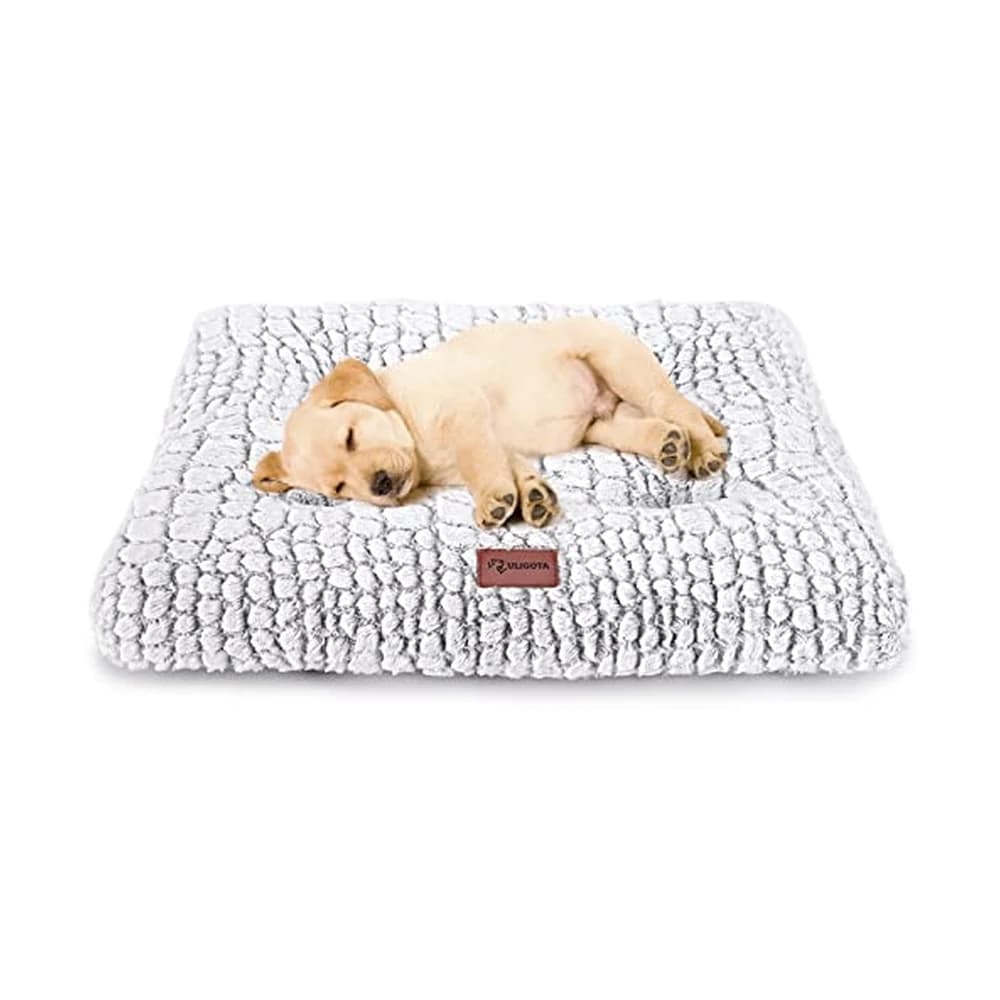
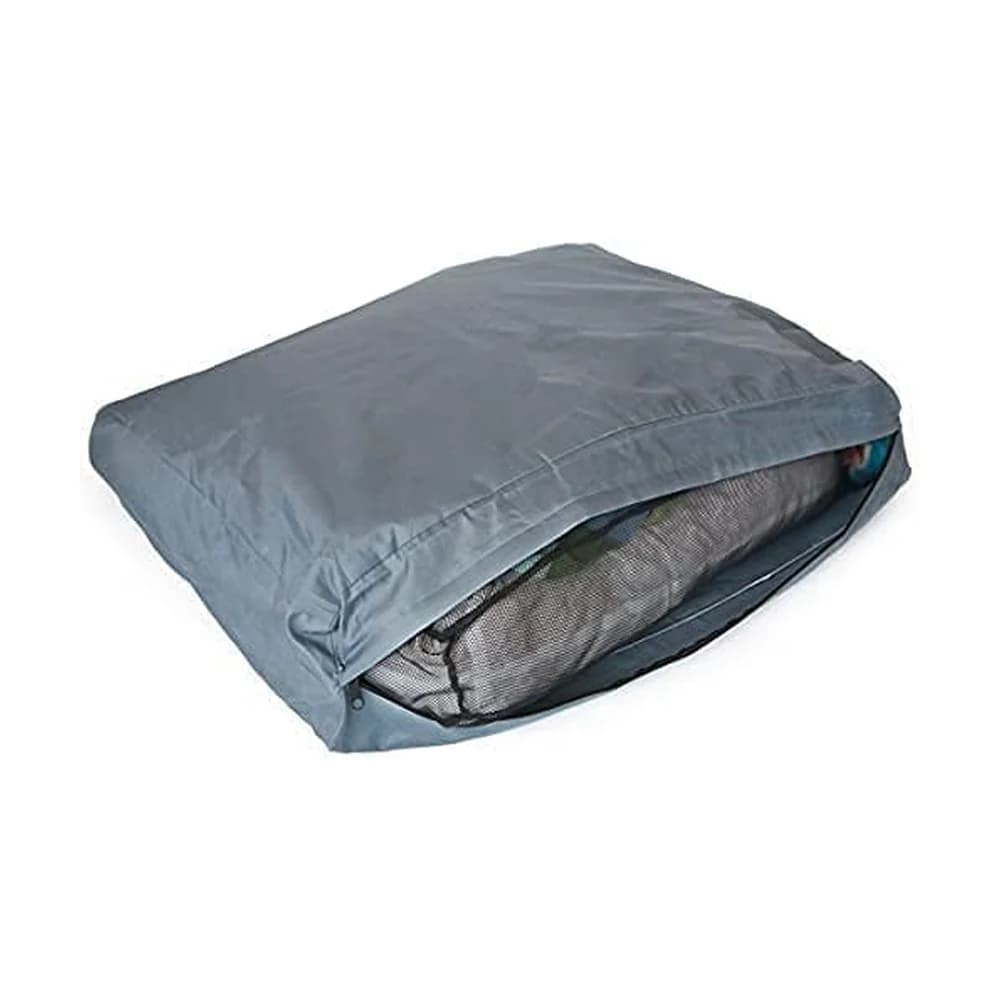
- A washable bed rather than a nice one. A crate pad with a waterproof bottom stops a puddle at the pad; a zippered waterproof crate liner outlasts anything with a stuffed core.
- Same place every time. The predictability is doing half the work.
Remember: A puppy who cannot settle usually needs a smaller space, not a bigger one. Divide the crate down and cover more of it before you try anything else.
Nights
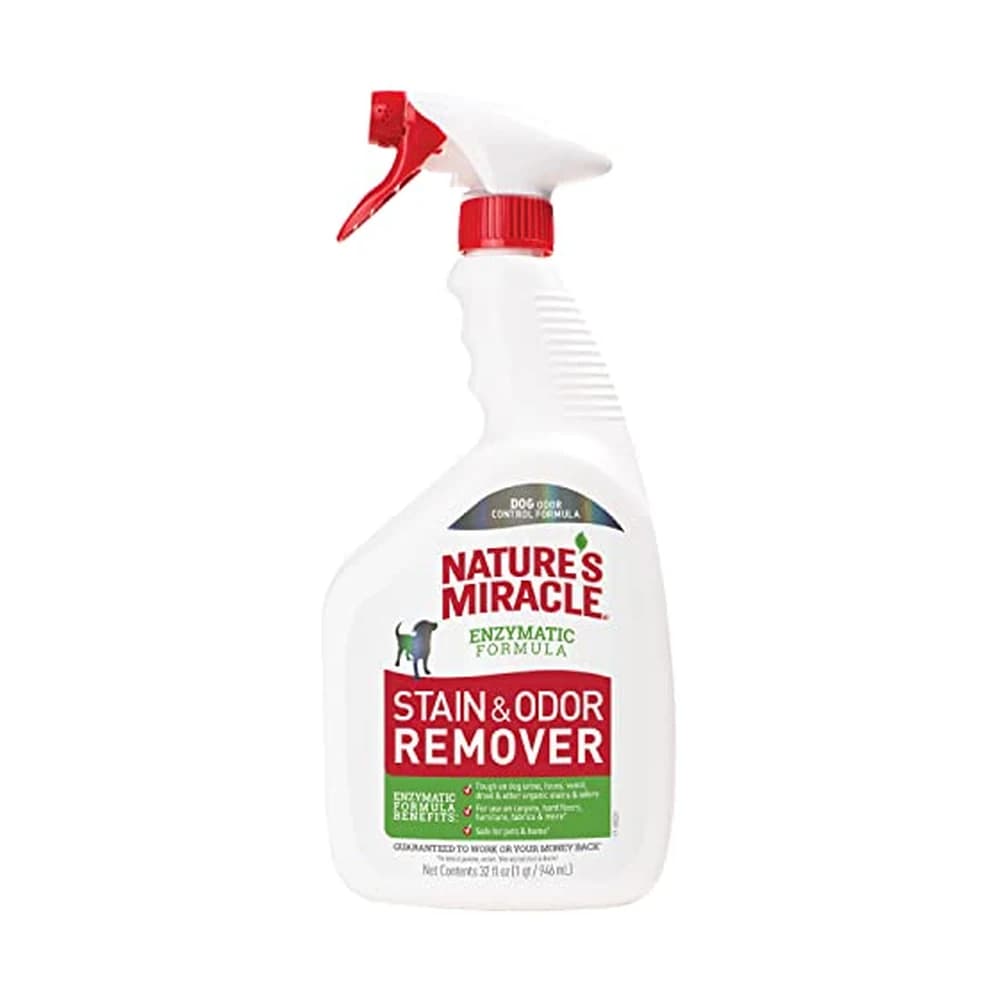
Most puppies at eight to twelve weeks wake once or twice overnight, and most of those wakings are a real toilet need rather than a bid for company. Make the trip so uneventful that it stays a toilet trip: no lights, no conversation, out, wait, back to bed. Keep the night clean-up kit by the door, not in a cupboard, and put an enzyme cleaner such as Nature's Miracle in it: it breaks down the smell that invites a repeat rather than covering it.
Keeping the crate beside your bed for the first weeks tends to shorten this phase rather than prolong it: you catch the stirring before it becomes a shriek, and the puppy is not also learning to panic about being alone. Move it away in stages once the nights have settled.
What actually helps a puppy settle:
- A space he can stand, turn and lie flat in, and not much more
- Three sides covered, in the room the family uses
- The crate beside your bed for the first weeks
- A dark, silent toilet trip and straight back in
What people try that doesn't:
- A bigger room, so he has space to relax
- Waking him for a visitor or a meal
- Lights, chat and cuddles on the night trip
- Treating the seven-in-the-evening frenzy as defiance
The overnight pattern and the daytime toilet pattern are the same problem, so read this alongside our potty training schedule, which handles the timing side.
Everything else about this stage sits on our new puppy stage page. And before the first nap happens, spend an hour on puppy proofing your home, because the awake cycles are short and fast and he will find the cables before you do.
Key takeaways
What to remember
- The American Kennel Club puts normal puppy sleep at 18 to 20 hours a day. If your puppy seems to sleep constantly, that is the job description.
- Naps tend to run 30 minutes to two hours and come around every hour of awake time. Plan the day in short cycles rather than long blocks.
- Biting, zooming and ignoring you are far more often overtired signals than defiance. Test the nap before you test the training.
- Sleep is developmental work. The AKC notes it supports the central nervous system, brain, immune system and muscles.
- A puppy who cannot settle usually needs a smaller space, not a bigger one.
Questions people ask
- How many hours should an eight week old puppy sleep?
- Around 18 to 20 hours a day, taken in short naps rather than in one block. The AKC describes naps of 30 minutes to as long as two hours, roughly every hour of awake time.
- Should my puppy sleep in a crate at night?
- Many families find a crate or pen beside the bed is the easiest first arrangement, because it keeps the puppy contained, keeps you within earshot for the overnight toilet trip, and gives the puppy a consistent place that means sleep. It only works if the crate is introduced as a good place first.
- My puppy bites hardest in the evening. Why?
- That is the classic overtired window. A puppy who has been awake and stimulated for too long gets faster and grabbier rather than slower. Try an enforced nap in a quiet covered space before you try a training fix.
- Is it normal for a puppy to wake up at night?
- For an eight to twelve week old puppy, waking once or twice is common, and most of those wakings are a genuine toilet need rather than a bid for company. Keep the trip boring and dark, then straight back to bed.
- Should I wake a sleeping puppy for a meal or a walk?
- Generally no. Work meals and outings around the sleep, not the other way round, and ask your vet about feeding frequency if your puppy is very small or underweight.
Gear
Gear for this stage
The products this piece assumes, in the order we would get them. Prices move; check before you buy.
$100.99 4.7 out of 5 stars · 80,183
The one crate you buy at eight weeks and still use at eight years — the included divider…
$46.99 4.6 out of 5 stars · 46,189
The default puppy pen — 16 square feet, a step-through door, and it clips onto a wire crate…
$11.96 4.5 out of 5 stars · 17,607
A stuffable chew that survives the teething stage — freeze it filled and it occupies a puppy…
$20.99
A small crate in the accident weeks — a plush top over a waterproof bottom, washable whole.
$20.00 4.4 out of 5 stars · 136
The layer between a puppy and their bedding — strip it, wash it, and the crate does not…
Nature's Miracle Stain & Odour
$10.79 4.6 out of 5 stars · 23,459
The bottle you keep on the counter all through house training — enzymatic, cheap, and stocked…
Sources
- American Kennel Club: How Much Do Puppies Sleep? — That puppies usually sleep 18 to 20 hours a day, that naps run 30 minutes to two hours roughly every hour, and that sleep supports nervous system, brain, immune and muscle development.
- AAHA 2019 Canine Life Stage Guidelines: Behavior — That roughly six months to three years is the period owners find most challenging, that there is no medical reason to delay puppy classes until the vaccine series is finished if hygiene is managed, and that puppies generally do not outgrow behavior problems.
We research and analyse — specs, manufacturer documentation and large-scale owner feedback. We do not test products on dogs, and we are not your vet.
Next step
Size the sleeping space before you buy it
A puppy who will not settle usually has too much space rather than too little, and the tool sizes the crate to the adult dog with the divider set for now.