Flea and tick prevention for dogs
Parasite prevention is a year-round, whole-house job, and the right product depends on your dog's weight, age and where you live. Ask your vet.
Amazon links earn us a commission; it doesn’t change what we recommend. Researched, not tested — how we research.
Start here
Which one is right for you?
Three different dogs, three different answers. Each one names what it is good at and what it costs you.
Low-maintenance cover you fit once and stop thinking about
The maker states eight months under normal conditions, and also that the dog must not be bathed more than once a month for that to hold. Check the release mechanism on a dog who is crated or plays rough.
Our pick for this: Seresto 8-Month Flea & Tick Collar · $49.99
You prefer a monthly dose you can see going on
A topical is easier to stop than a collar, which matters if a product does not suit your dog. Match the weight band exactly.
Our pick for this: Frontline Plus, 45-88 lb · $40.98
A dog-only household that wants mosquito cover too
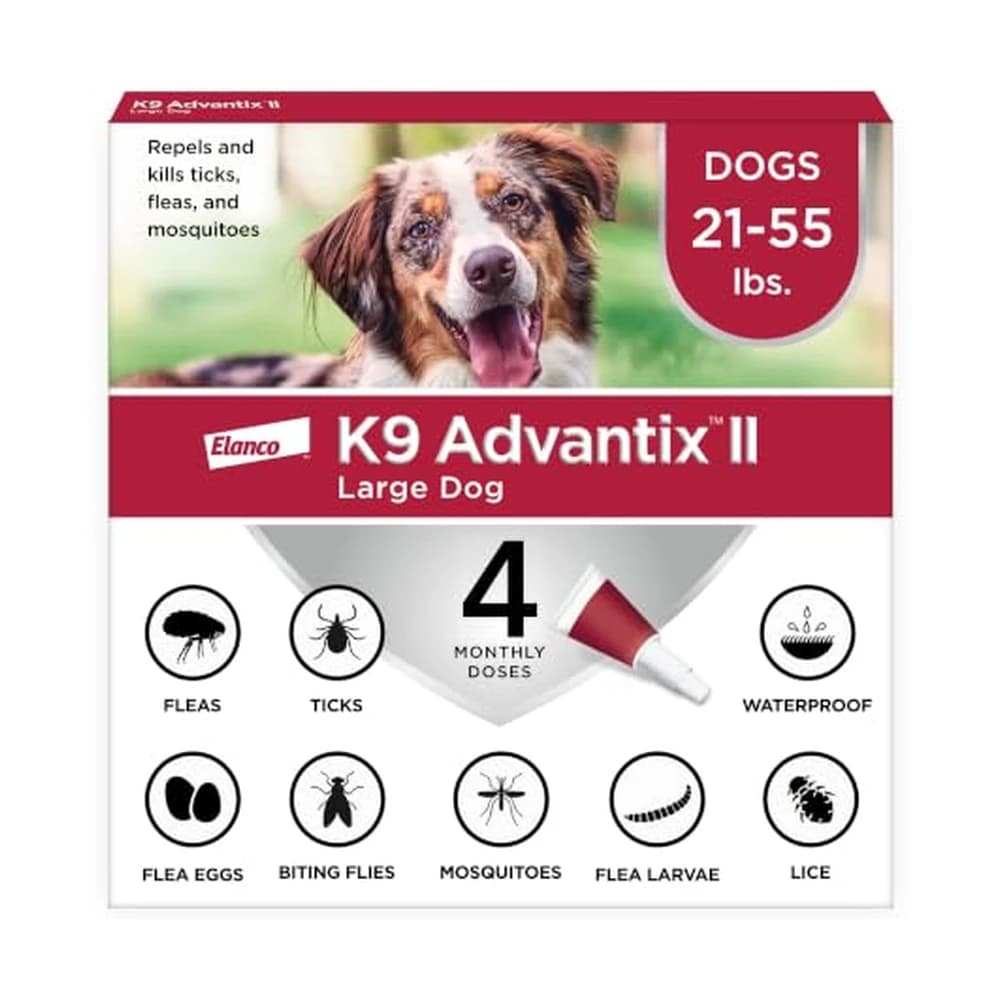
The label covers mosquitoes and biting flies as well as fleas and ticks. It also says do not use on cats, so it is the wrong pick in a house with one.
Our pick for this: K9 Advantix II, 21-55 lb · $57.42
If none of these is your dog: nothing on this shelf is the right answer for every household, and we would rather you bought nothing than the wrong thing. Start from the stage your dog is actually in, or browse the other shelves.
Filter picks4 of 4
Showing 4 of 4 picks — no filters applied
Showing 4 of 4 picks — no filters applied
The picks, feature by feature
- Top pick
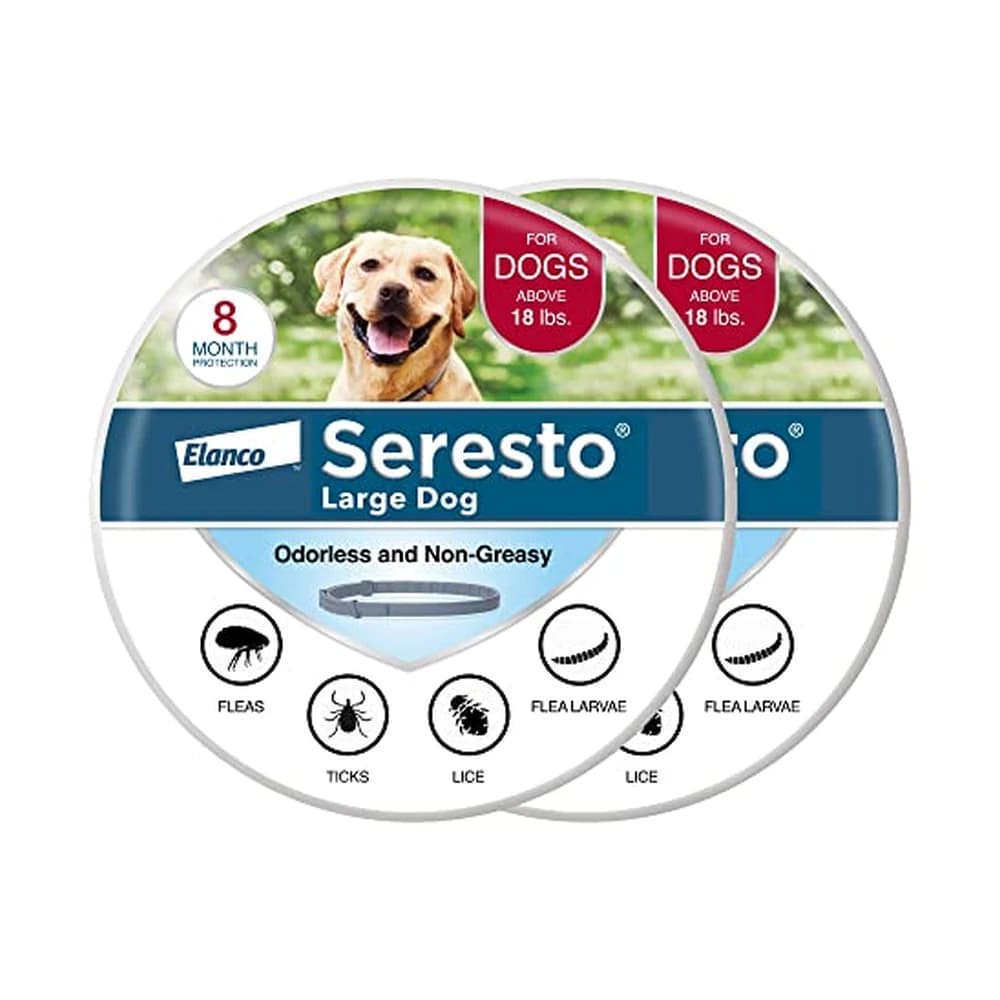
Seresto 8-Month Flea & Tick Collar
$99.98 Owner rating 4.5 out of 5 · 115,375 ratingsbest rated
The owner who forgets monthly doses — a collar the maker states kills and repels fleas for eight continuous months
- Size
- Not stated
- Colour
- Not stated
- Dimensions (H × W × D)
- Not stated
- Weight
- Not stated
- Warranty
- Not stated
- Manufacturer
- Not stated
- First listed
- Not stated
- Skip if
- Your dog is under 18 lb — this is the large-dog band — or your vet has recommended an oral preventive instead.
The variant we link: 18 lbs · 2-Pack
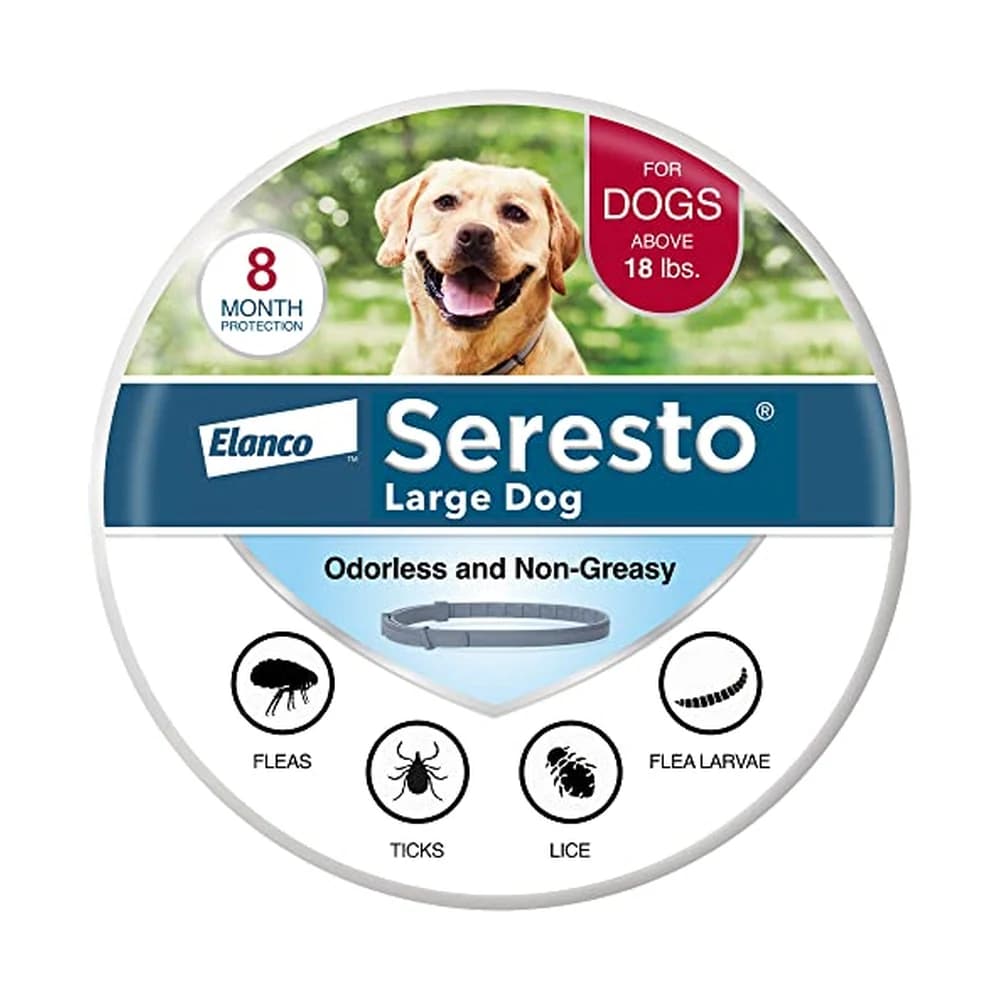
Seresto 8-Month Flea & Tick Collar
$49.99 Owner rating 4.5 out of 5 · 115,375 ratingsbest rated
An adult or senior dog whose owner wants eight months of flea and tick prevention without a monthly reminder
- Size
- 1 Pack
- Colour
- Grey
- Dimensions (H × W × D)
- 4.5 in × 4.5 in × 1.56 in
- Weight
- 0.24 lb
- Warranty
- 8 months
- Manufacturer
- Elanco US Inc
- First listed
- 2023
- Skip if
- Your dog is under 18 pounds (there is a separate small-dog collar) or your vet has you on a prescription oral preventive already.
The variant we link: 18 lbs
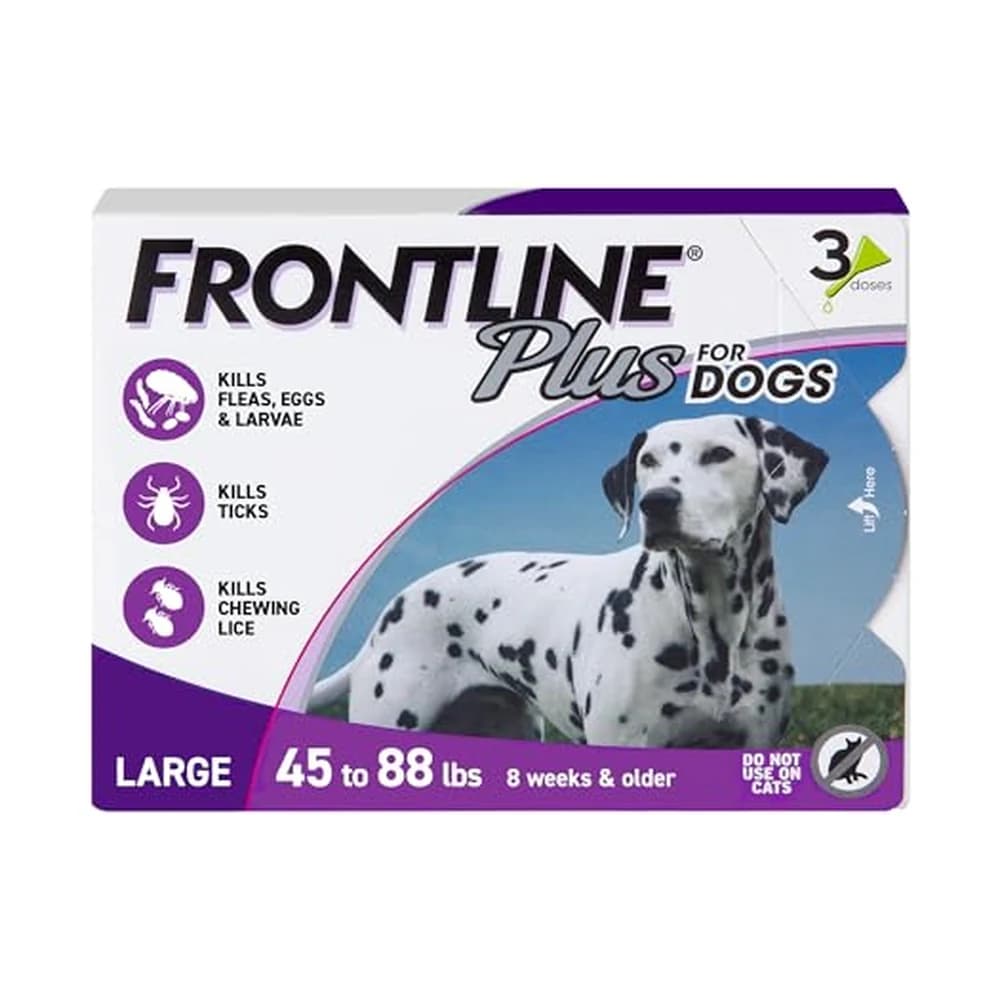
The traditional monthly spot-on — kills adult fleas plus eggs and larvae, and is waterproof 24 hours after application
- Size
- Not stated
- Colour
- Not stated
- Dimensions (H × W × D)
- Not stated
- Weight
- Not stated
- Warranty
- Not stated
- Manufacturer
- Not stated
- First listed
- Not stated
- Skip if
- Your dog is outside the 45-88 lb band. Buy the pack for your dog's actual weight, never a split dose.
The variant we link: 45-88 lbs · Purple
$57.42 Owner rating 4.4 out of 5 · 44,739 ratings
A dog-only household that wants one monthly spot-on against fleas, ticks and mosquitoes
- Size
- Not stated
- Colour
- Not stated
- Dimensions (H × W × D)
- Not stated
- Weight
- Not stated
- Warranty
- Not stated
- Manufacturer
- Not stated
- First listed
- Not stated
- Skip if
- There is a cat in the house. The label says do not use on cats, that it may be fatal, and to keep cats away from treated dogs for 24 hours. Also skip if your dog is outside 21-55 lb.
The variant we link: 21–55 lbs · 4ct
Specs come from manufacturer listings; ratings are Amazon's aggregate rating and count. Prices checked October 30, 2026. As an Amazon Associate we earn from qualifying purchases.
How we mark winners
A ✓ in the table (a “best of these” tag on the phone cards) marks the lowest price, the highest owner rating, the largest stated weight capacity and the longest warranty. Size, dimensions, weight, material and the editorial rows never win — more is not better there. A blank is unknown, never a loss, and nothing wins without at least two known, differing values. Methodology
Why flea & tick matters at this stage
Flea and tick prevention is the one category on this site where we most want to hand you over to your vet. The right product depends on your dog's exact weight, their age, whether they swim, whether there are cats in the house, whether they are pregnant or on other medication, and — more than anything — which parasites and diseases are actually present where you live. Tick-borne disease risk in particular is intensely regional.
What we can usefully explain is the shape of the options. Collars release active ingredients slowly over months and are the low-effort choice. Spot-on treatments are applied to the skin monthly and are the traditional standard. Oral prescription preventives exist and are widely used, but they come from a vet and are not something we list. Home sprays treat the environment rather than the dog, which matters because most of a flea population is not on the dog at all — it is eggs and larvae in carpet, bedding and floor cracks.
That last point is the one owners most often miss. Treating the dog and not the house is why infestations come back. Treat both, wash bedding hot, and vacuum thoroughly and often.
Two safety notes worth stating plainly. Dose strictly by the weight band on the pack. And several dog products — permethrin-based ones especially — are dangerous to cats, so check before using anything in a mixed household.
The thing most owners don’t know
One surprising thing about flea & tick
In EPA's Seresto review, the only reported deaths found probably or definitely related to the product were from mechanical strangulation or trauma caused by the collar, often tied to failure of its release mechanism.
What owners keep saying
This shelf is the one where owners most often send each other to a vet, and the threads read that way. Seresto collars draw both long stretches of trouble-free use and accounts of skin irritation under the collar and of owners removing them after reading the reported-incident coverage, with frequent warnings about counterfeit collars sold through third-party marketplaces; nobody in these threads treats the safety question as settled, and it is a decision for a vet who knows the dog. Frontline Plus generates the most consistent disappointment, with owners in some regions describing it as no longer clearing an infestation and referencing resistance, and vets in those threads steering them to prescription oral products instead. The recurring mistake is treating the dog and stopping there: the threads about a house infestation converge on treating every pet at once, sustained vacuuming and hot laundry, and treating the environment, because eggs and larvae in carpet and bedding are what restarts the cycle. Owners also repeatedly warn against stacking two products at once or improvising with cheap over-the-counter topicals, and against reaching for home remedies, and say to clear any combination with a vet first.
Owner consensus from threads across r/DogAdvice, r/dogs and r/AskVet.
Paraphrased from public discussion, never quoted and never counted into a statistic we did not measure. Owners are not a controlled study — they are the only long-term use data anybody has.
What we didn’t pick
Things that look like they belong on this shelf and are not on it, with the reason.
Essential-oil and garlic flea remedies
The one thing that makes the products on this shelf assessable is that a regulator has reviewed them. Where a remedy has no such record, we have nothing to compare and we leave it out rather than rank it on reviews.
A collar left on without checking the release mechanism
In the EPA's Seresto review, the only deaths found probably or definitely related to the product were from mechanical strangulation or trauma caused by the collar, often where the release mechanism failed. That is the maker's own safety feature, and it is worth checking on a dog who is crated or plays rough.
Buying a prescription-strength product on price alone
Which parasites your dog actually needs cover for is regional and seasonal, and that is a conversation with a vet rather than a comparison table.
How to choose flea and tick prevention
Start with your vet and your region, then pick a format you will actually keep up with.
Your region decides more than the brand
Which ticks and which diseases are present locally, and how long the season runs, should drive the choice. Your vet knows your area; a product page does not.
Dose by the weight band, exactly
Every spot-on and collar is sold in weight bands. Splitting a large dose or using an oversized one is how dogs get hurt — buy the band your dog is actually in.
Format you will keep up with
A collar lasting months beats a monthly spot-on you forget. Consistency matters more than which format is theoretically strongest.
Treat the house, not just the dog
The majority of a flea population lives as eggs and larvae in carpet and bedding. Without environmental treatment, washing and vacuuming, the infestation returns.
Check cat safety in a mixed household
Some canine parasite products, permethrin-based ones especially, are dangerous to cats. Read the label before using anything where a cat lives.
Common questions
- Do dogs need flea and tick prevention all year?
- In most of the US, yes — ticks stay active in mild winter spells and fleas live happily in heated houses year-round. Your vet will tell you what your region and your dog's lifestyle actually require, and that is the answer to follow.
- Collar or spot-on treatment?
- Both work; the difference is mostly practical. A collar releases actives over months and suits owners who forget monthly doses. A spot-on is applied to the skin monthly and is easier to stop quickly if your dog reacts to it. Swimming, small children and cats in the house all affect the choice — raise them with your vet.
- I found a tick on my dog. What now?
- Remove it promptly, grasping as close to the skin as possible with fine-tipped tweezers or a tick tool and pulling steadily upward without twisting or crushing the body. Clean the area, and note the date. Then call your vet with two questions: does this species carry disease locally, and what signs should I watch for over the coming weeks?
- What is the safest flea and tick prevention for dogs?
- There is no single safest product; the safest choice is the one your vet picks for your dog, used exactly as the label directs. The EPA advises using a product only on the species and weight it is labelled for, never putting dog products on cats, and heeding label warnings about old, sick, pregnant or medicated pets. The FDA notes that isoxazoline products, though considered safe and effective, have been linked to neurologic reactions including seizures in some dogs.
- When should a puppy start flea and tick prevention?
- When the product's label allows it and your vet agrees. Every flea and tick product states a minimum age or size, and the EPA advises not applying any product to a puppy unless the label specifically allows it, because younger animals can react differently. Your vet will match a product to your puppy's age, weight and local parasites, and can tell you when to change dose as they grow into a new weight band.
- What are the signs of fleas on a dog?
- Look for excessive scratching, hair loss or scabs, especially at the base of the tail, and small black specks in the coat. VCA explains that those specks are flea dirt, which is digested blood, and that flea eggs and larvae are tiny and hide deep in carpets, furniture and bedding, so you may not notice them. A puppy or older dog carrying a lot of fleas can lose enough blood to become anaemic, so call your vet.
Sources
- EPA: Controlling Fleas and Ticks on Your Pet — Use products only on the labelled species and weight, never dog products on cats, no use on puppies unless the label allows, follow label limits for aged, sick, pregnant or medicated pets, consult your vet.
- FDA: Fact Sheet on Potential Adverse Events Associated with Isoxazoline Flea and Tick Products — Isoxazoline products are considered safe and effective but have been associated with neurologic reactions such as tremors, ataxia and seizures in some dogs; discuss with your vet.
- VCA: Flea Control in Dogs — Flea eggs, larvae and pupae live in the home, especially pet beds and carpets; wash bedding hot and vacuum; signs include scratching, hair loss, scabs at the tail base and flea dirt; heavy infestation can cause anaemia.
- EPA: Seresto Pet Collar Review — Deaths judged probably or definitely related to the collar were from mechanical strangulation or trauma, often where the release mechanism failed.
- Seresto: flea and tick collar for dogs — Maker states eight months of protection, with the duration reduced if the dog is bathed more than once a month or swims monthly or more.
Gear
Pairs with
Shelves that go with flea & tick — hand-picked adjacencies, not "customers also bought".
$35.27 Owner rating 4.7 out of 5 · 13,229
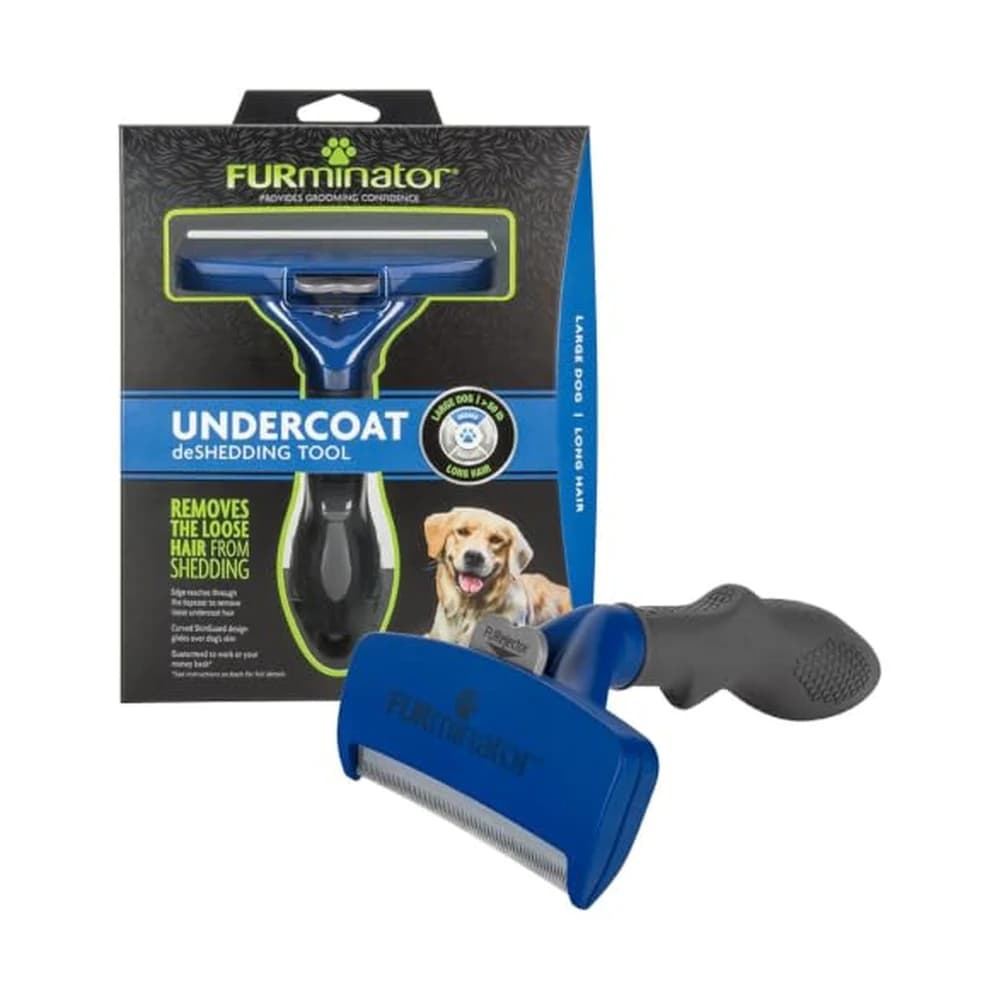
Brushing is the check: it is how a tick gets found before it has been attached a day.
$65.69 Owner rating 4.1 out of 5 · 1,247
The dogs that get ticks are the ones that get into long grass, which are the dogs that also get lost.
$45.99 Owner rating 4.5 out of 5 · 23,731
Peak tick season and peak heat season are the same months.