We research gear rather than testing it, and some links below are Amazon affiliate links — if you buy through one we may earn a commission, at no extra cost to you. It does not change what we recommend. Full disclosure.
5 picks compared
$50.92 4.6 out of 5 stars · 4,657 ratings
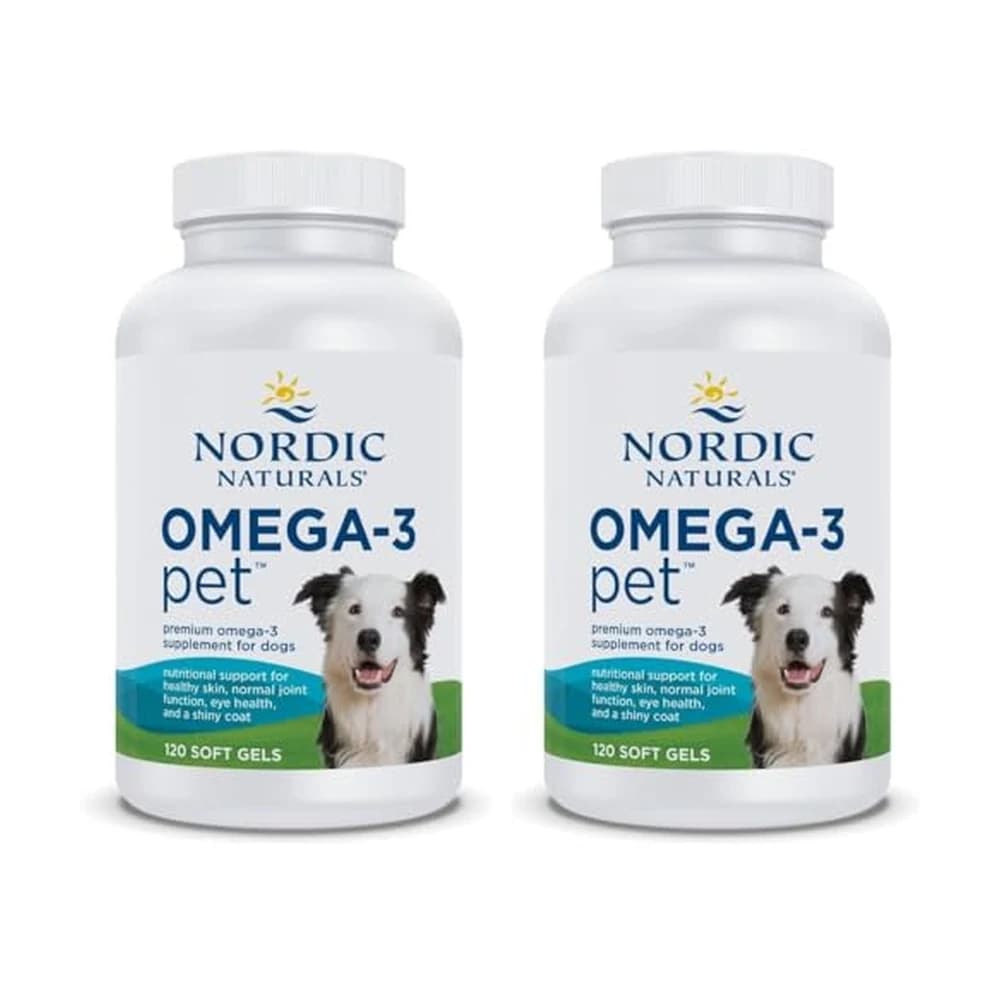
The active with the firmer evidence — 330 mg of EPA and DHA per gel, third-party tested, in triglyceride form
- Skip if
- Your dog is on a fish-oil-containing diet already, or on anticoagulants. Ask your vet about dosing first.
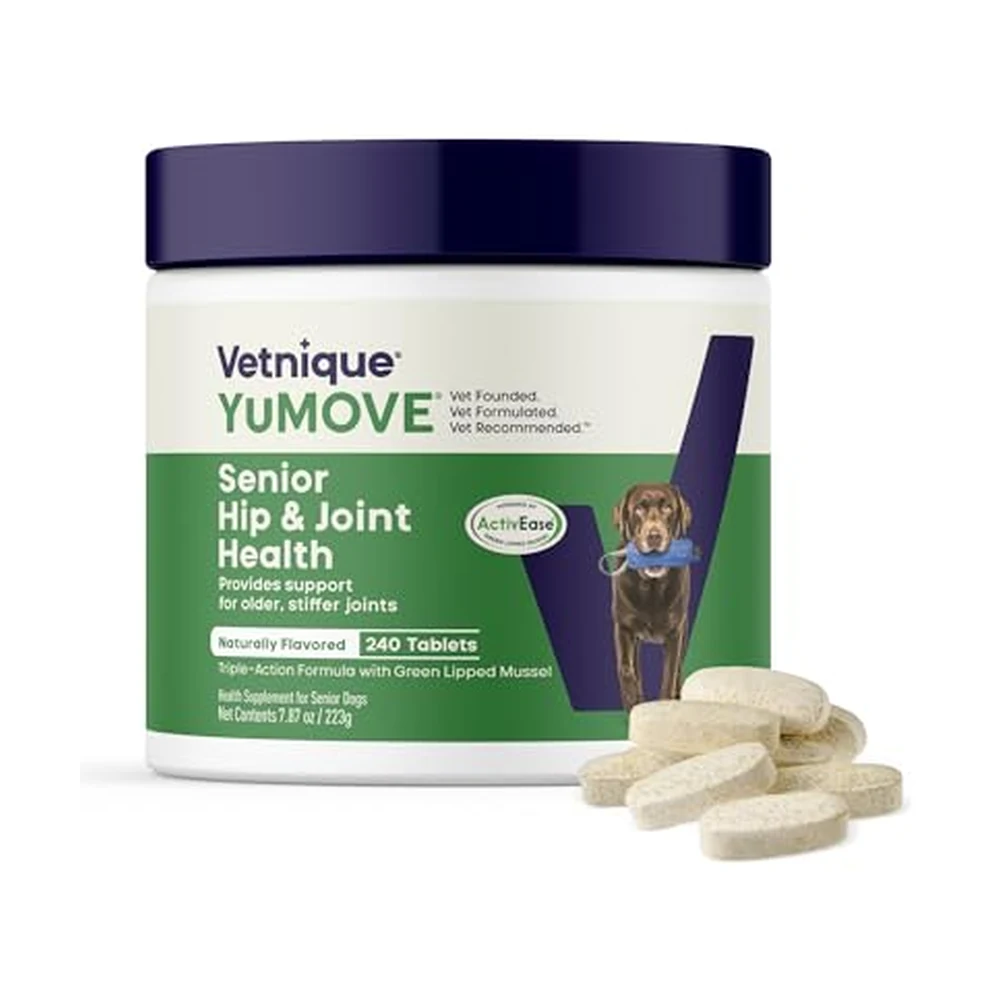
A dog aged seven and up with stiff mornings — green-lipped mussel and hyaluronic acid, in a senior-specific formula
- Skip if
- Cost per month matters most. This is at the expensive end and needs a loading period at double dose.
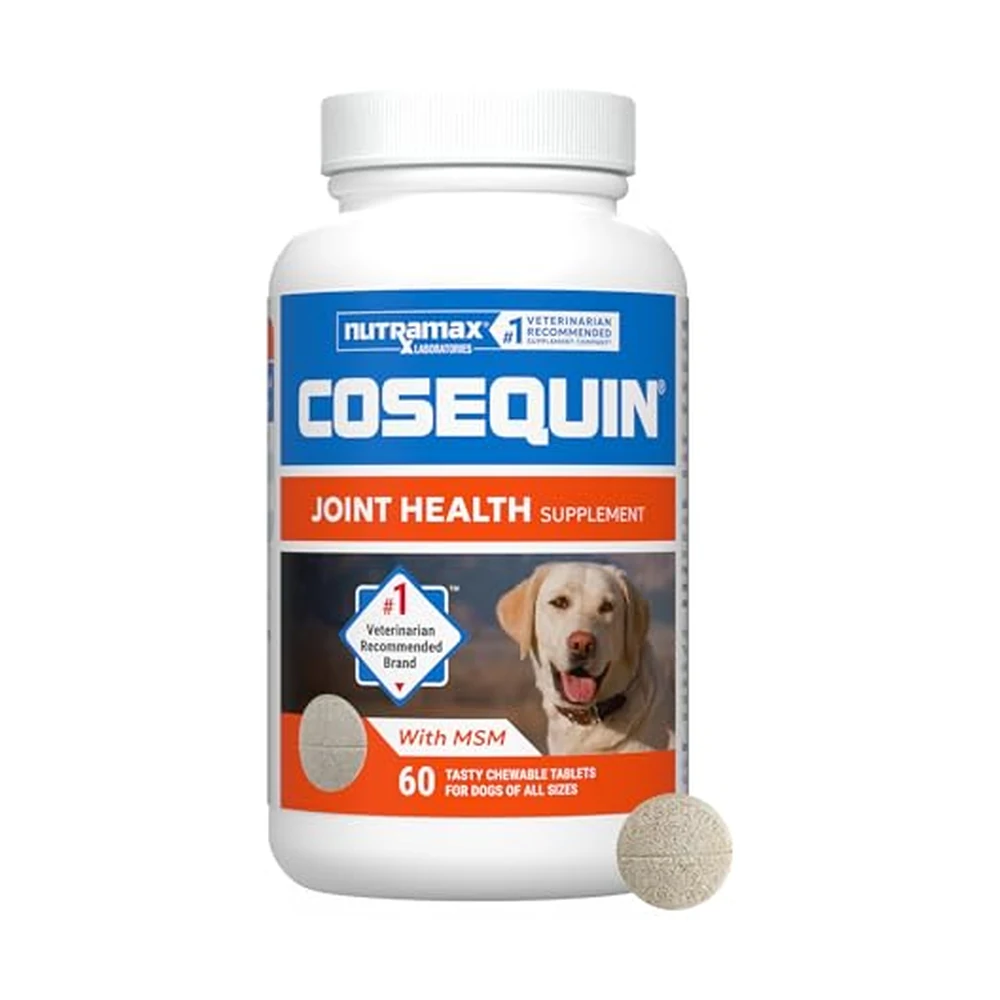
The mainstream starting point — glucosamine, chondroitin and MSM from an NASC-certified maker, at a low price per dose
- Skip if
- Your dog is already on a prescription joint medication. Check with your vet before adding anything.
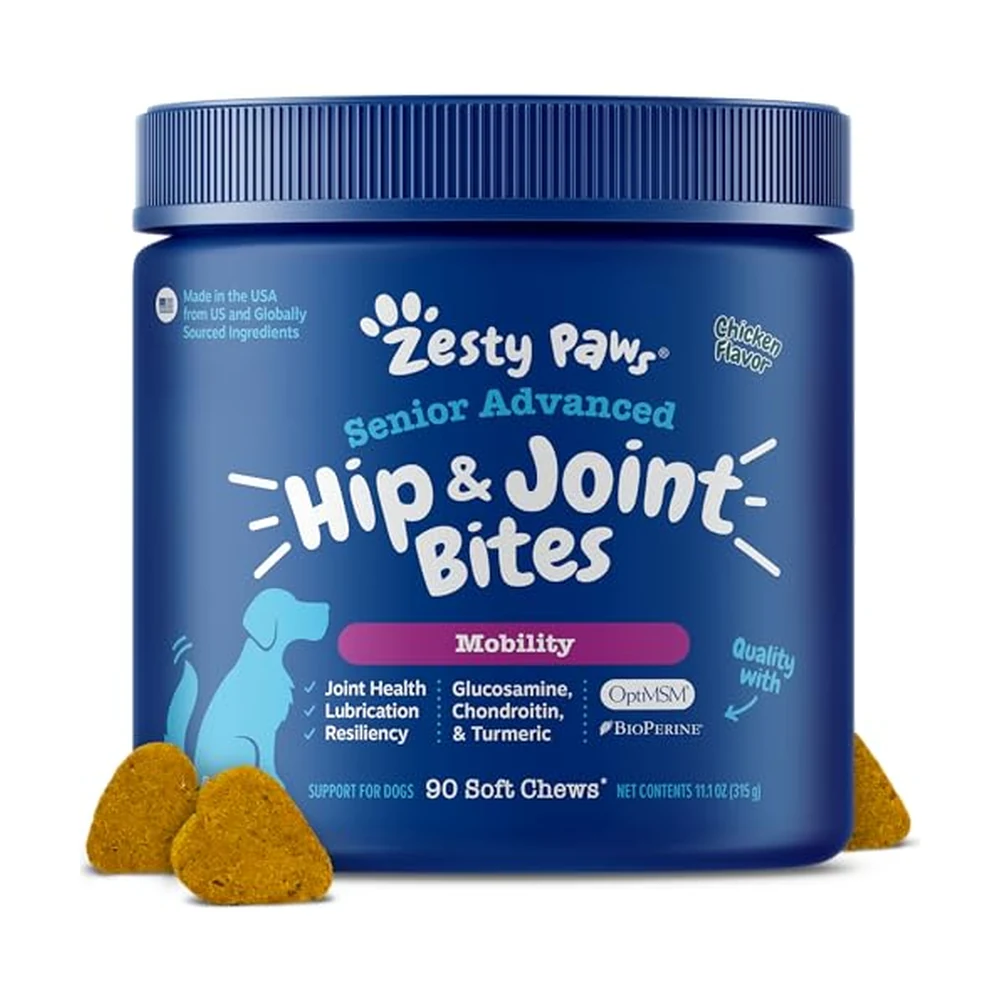
A dog who refuses tablets — a soft chew with glucosamine, OptiMSM, green-lipped mussel and turmeric
- Skip if
- Your dog has food sensitivities. Soft chews carry more binders and flavourings than tablets do.
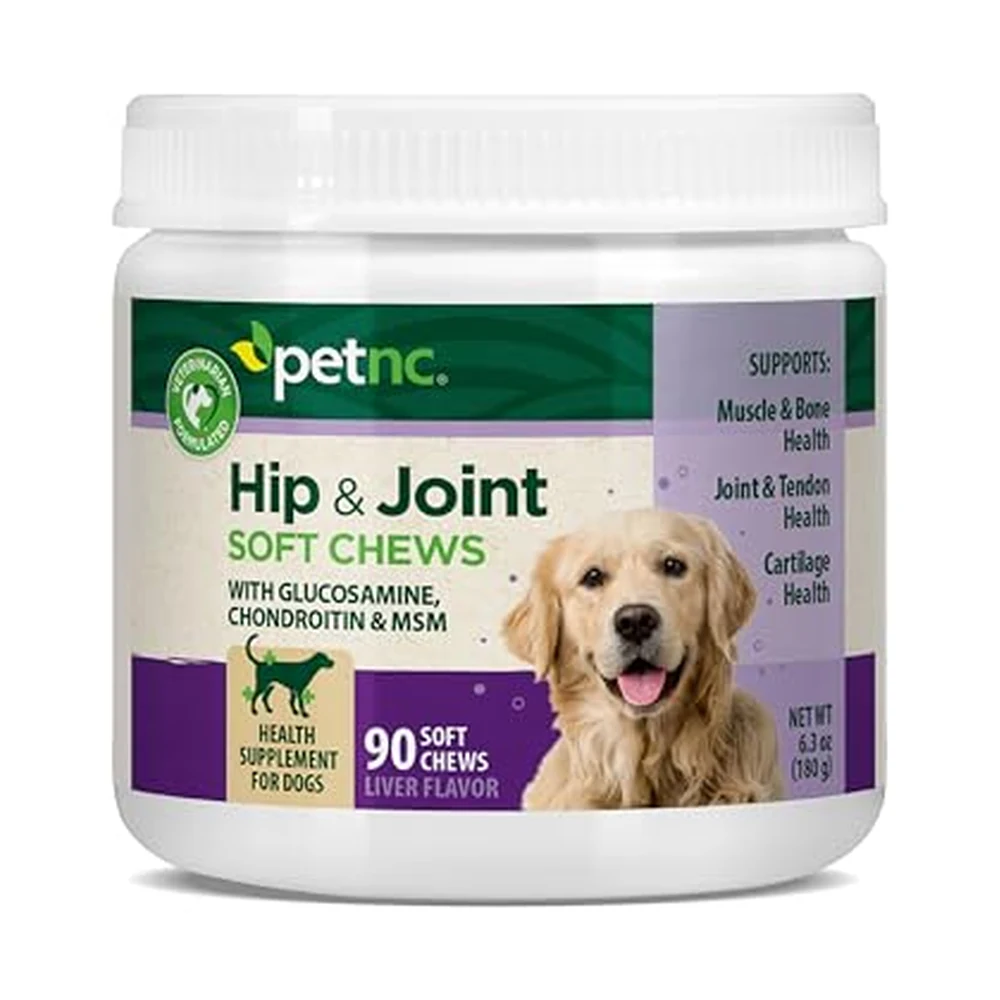
A cheap first trial — glucosamine, chondroitin, MSM and hyaluronic acid in 90 liver-flavoured chews for under $10
- Skip if
- You want stated quantities per active. The listing names four ingredients without amounts.
Each pick below carries its own specs, and the tags mark the best of these picks on that point. Specs come from manufacturer listings; ratings are the Amazon aggregate rating and count, refreshed periodically — we don't test products.
How winners are decided: ✓ marks the lowest price, the highest owner rating, the largest stated weight capacity and the longest warranty. Rows where more is not better — size, dimensions, weight, material — and the editorial rows get no ✓ at all. A blank is unknown, never a loss, and a row needs at least two known, differing values before anything can win. How the best-of-these tags are decided: the lowest price, the highest owner rating, the largest stated weight capacity and the longest warranty. Points where more is not better — size, dimensions, weight, material — and the editorial notes carry no tag at all. A blank is unknown, never a loss, and a point needs at least two known, differing values before anything can lead. As an Amazon Associate we earn from qualifying purchases. Specs are the manufacturer's claims and owner-reported data — we research and analyse; we don't test products on dogs.

In this article(7 sections)
Search "when to start a dog on joint supplements" and most answers come from brands selling them, usually saying the first birthday. The research answers a different question: which products ease pain in a dog that already has arthritis. Read that way, the right move changes with each stage, and at the senior stage the answer is clearest. The picks are on our joint supplements shelf.
Before you buy anything
A supplement is the smallest lever on a dog's joints. The order that matters:
- Get a diagnosis. A limp, stiffness after rest or a new refusal of stairs is a vet visit first.
- Get the dog lean. Weight is the lever with the strongest evidence at every age.
- Fix the floor and the bed, which cost nothing in side effects.
- Then choose a supplement, and tell your vet what it is.
Cornell's Riney Canine Health Center is explicit that osteoarthritis is not only a senior disease: it can develop at any age, especially with obesity, hip or elbow dysplasia, a luxating kneecap or cruciate damage. That is why this guide starts young.
What the evidence actually covers
The most complete recent answer is a 2022 systematic review and meta-analysis from the University of Montreal (Barbeau-Grégoire and colleagues), which assessed 72 trials of foods and supplements for osteoarthritis pain, almost all of them in dogs. Its findings, in plain terms:
- Omega-3s, as supplements or in enriched diets, showed a clear pain-relief effect. The review files green-lipped mussel products with them.
- Glucosamine with chondroitin showed what the authors call a very marked non-effect, and they recommend these products no longer be recommended for osteoarthritis pain.
- Collagen was weak, and cannabidiol promising but in need of more work.
AAHA's 2022 pain guidelines agree. Omega-3 fatty acids sit in the first tier of non-drug options, next to activity, home changes and weight management; supplements other than omega-3 sit in the third tier, which AAHA says means there is no evidence of a pain-relieving effect.
| Active | What the evidence says | Where it appears on our shelf |
|---|---|---|
| Omega-3s from fish oil (EPA, DHA) | Clearest pain-relief evidence in dogs with arthritis | Nordic Naturals |
| Green-lipped mussel | Grouped with the omega-3 products in the 2022 review | YuMOVE, Zesty Paws |
| Glucosamine and chondroitin | No effect on arthritis pain in the 2022 review | Cosequin, PetNC, YuMOVE, Zesty Paws |
| MSM, hyaluronic acid | Not assessed on their own | Cosequin, PetNC, YuMOVE, Zesty Paws |
| Turmeric | Conflicting results | Zesty Paws |
Rule of thumb: For a dog with arthritis, omega-3 is the active with the evidence. Glucosamine is the one with the shelf space.
One limit matters for the "when to start" question. Every trial in that review was in animals that already had osteoarthritis. None tested whether a supplement given to a young, sound dog prevents it.
Puppy and adolescent: the lever is the waistline
Cornell's own supplement article reports that some experts start supplements around a year old, when growth stops, and others time it to activity and risk. That is expert opinion, and a reasonable conversation to have with your vet about a dysplasia-prone breed. It is not what the trials tested.
What the evidence does support at this age is body condition. AAHA's pain guidelines say long-term cohort studies strongly support keeping a dog lean, through calorie control over its lifetime, to slow the progression of osteoarthritis and to extend life span. Our guide to when puppies stop growing covers how long large breeds keep growing and what that means for feeding. Keep a growing puppy on its food, keep it lean, and ask the vet before adding anything to the bowl.
Adult: when a supplement earns its place
The adult who benefits is usually one with a reason: a diagnosis of dysplasia, a repaired cruciate, a hard-working sport or farm dog, or early stiffness the vet has confirmed. Here the evidence points at omega-3.
 The evidence favours omega-3 for dogs already diagnosed with arthritis; ask the vet before adding it to a young, sound dog.
Nordic Naturals Omega-3 Pet is the pick because it is plainly specified: the listing states 330 mg of omega-3 per soft gel from anchovy and sardine oil, in the triglyceride form the maker says absorbs better. It is dosed by body weight. Fish oil is an active supplement, not a treat, so settle the dose with your vet, especially if your dog takes other medication.
What a quality seal does and does not mean
Supplements are not regulated like drugs, which is why Cornell points owners toward the National Animal Supplement Council seal. NASC describes what it checks: written manufacturing procedures, adverse-event reporting, labelling rules and random product testing. It is a quality floor. It says nothing about whether the product works.
Senior: the stage the evidence was written for
A senior with stiff mornings is the dog these trials studied. Our guide to when a dog becomes a senior sets out the AAHA and AVMA definitions.
YuMOVE Senior is the senior-specific option. YuMOVE states 250 mg of glucosamine and 150 mg of its ActivEase green-lipped mussel per tablet, plus hyaluronic acid, and aims it at dogs typically seven and older, or five and older for large and giant breeds. Its directions call for a double dose for the first four to six weeks, which raises the real first-month cost. Of its ingredients, the mussel is the part with better support; the glucosamine claims on the listing go further than the 2022 review does.
A supplement is not pain relief. AAHA's first tier for arthritis pain also includes prescription anti-inflammatories, and a limping senior needs the vet to choose among them. The home changes are where your money goes furthest.
What moves the needle:
- A lean body weight, kept there
- Short, frequent walks instead of one long weekend hike
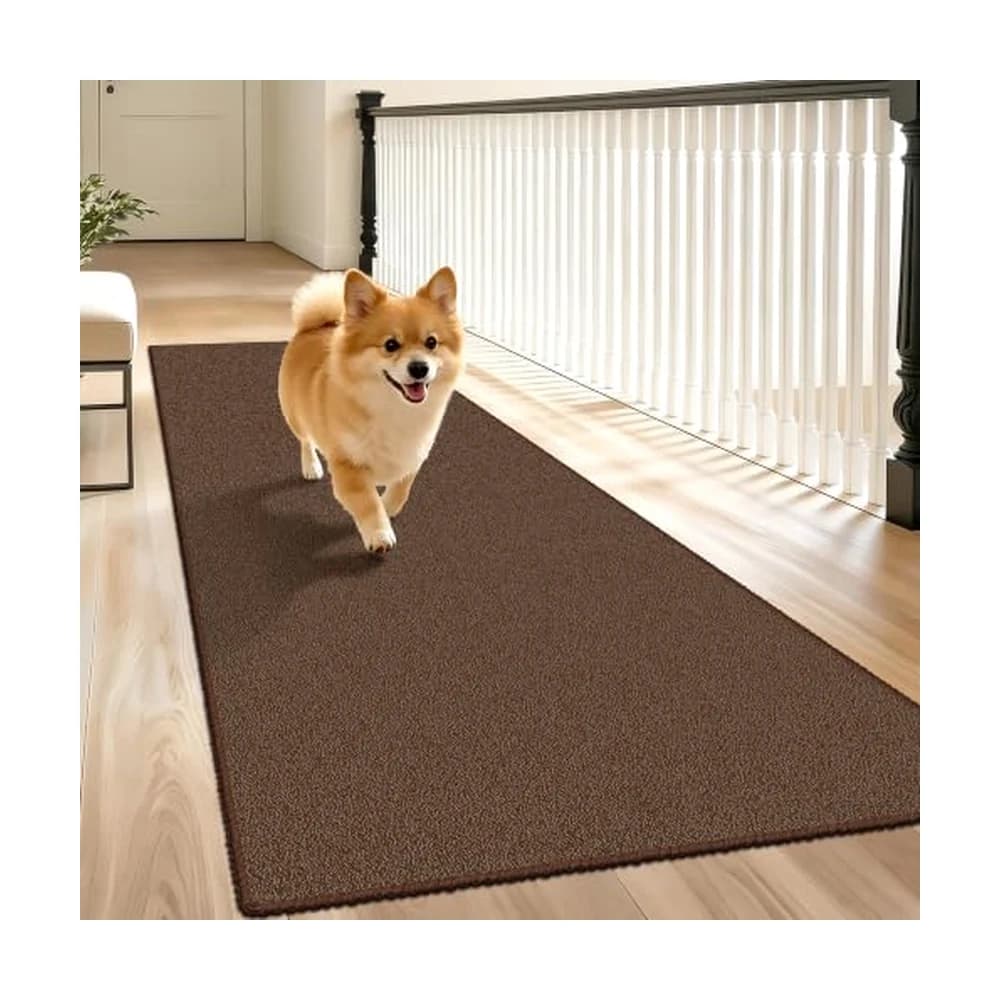
- A floor runner on the routes where paws slip
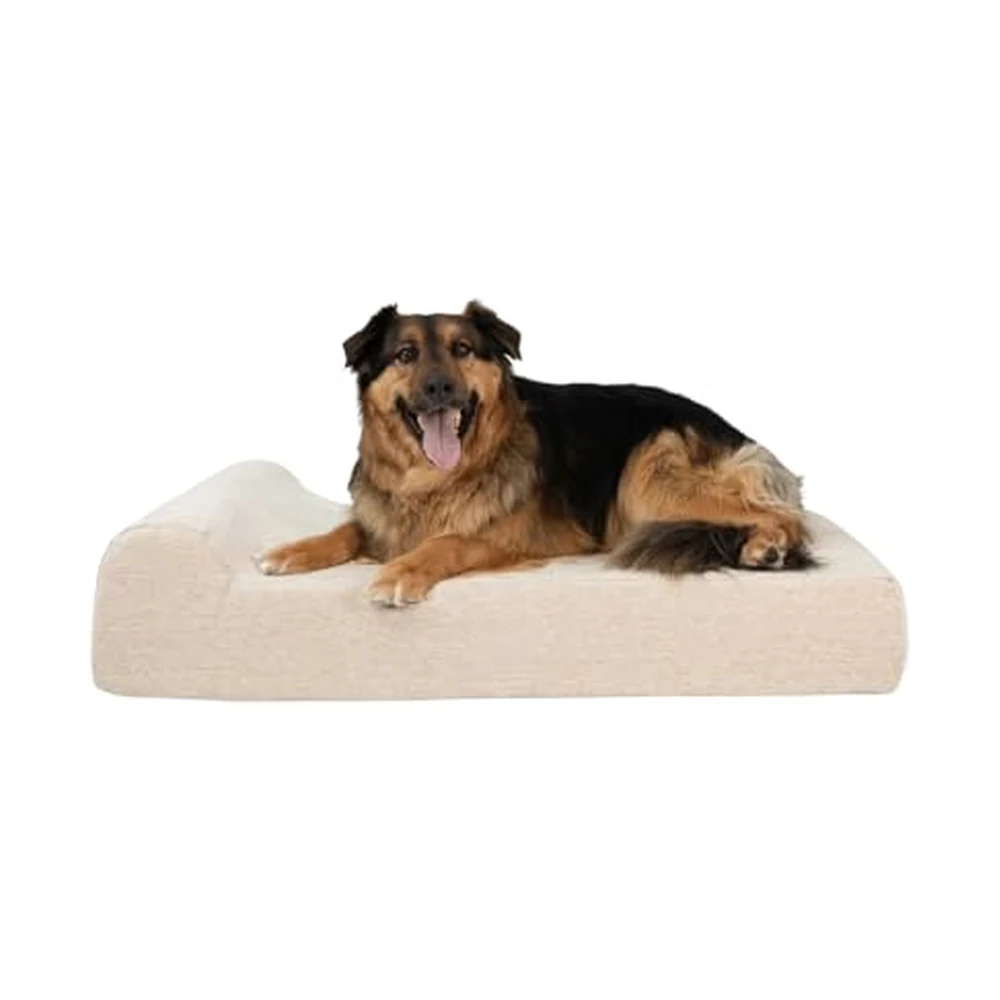
- A thick foam bed such as the Barker Beds Large, sized by weight
What people try that doesn't:
- Doubling a glucosamine dose because the first one "did nothing"
- Adding a supplement instead of the vet visit
- Stacking three joint products with overlapping ingredients
Our ramps and stairs guide covers the furniture and the car.
Choosing among the five
| Your dog | Pick | Why |
|---|---|---|
| Diagnosed arthritis, any age | Nordic Naturals Omega-3 Pet | The active with the evidence, clearly labelled |
| Senior who takes tablets | YuMOVE Senior | Green-lipped mussel with stated amounts |
| Refuses tablets | Zesty Paws Mobility Chews | A soft chew; the stack includes green-lipped mussel |
| Vet suggests glucosamine | Cosequin | Stated amounts per tablet, low cost |
| Testing whether a chew is accepted | PetNC Hip and Joint | The cheapest way to learn if your dog eats it |
Cosequin states 600 mg of glucosamine, 300 mg of chondroitin and 250 mg of MSM per tablet, and Nutramax calls it the number one vet-recommended retail joint brand. Buy it knowing the 2022 review found no pain effect for that pairing. Zesty Paws Mobility lists glucosamine, chondroitin, green-lipped mussel, 350 mg of OptiMSM, turmeric and hyaluronic acid, a broad stack that is harder to judge. PetNC lists 250 mg of glucosamine, 100 mg of chondroitin and 25 mg of MSM per soft chew, plus hyaluronic acid: a lower dose than Cosequin, at the lowest price on the shelf.
How to tell whether it is working
Cosequin and YuMOVE both describe a four-to-six-week starting period, so judge nothing sooner. Before day one, write down three things you can see: how your dog gets up from the bed, how the stairs go, and how far into a walk the stiffness fades. Compare at week six.
Remember: Pick three observations, write them down, and give it six weeks. If the dog is worse, stop and call the vet.
If nothing changed, you have learned something too. Stopping a supplement that did nothing is a saving, not a failure.
Key takeaways
What to remember
- A 2022 systematic review of 72 trials found a clear pain-relief effect for omega-3s and a very marked non-effect for glucosamine with chondroitin.
- AAHA's 2022 pain guidelines put omega-3s in the first tier of non-drug options and say there is no evidence of pain relief from other supplements.
- The trials were in dogs that already had arthritis, so none tested whether a supplement prevents it in a young, sound dog.
- For puppies and adolescents the evidence-backed lever is body condition: AAHA says keeping a dog lean slows arthritis progression and extends life span.
- A NASC seal is a quality floor covering manufacturing, labelling and adverse-event reporting, not proof that a product works.
- Judge any supplement over the four-to-six-week starting period the makers describe, against three observations you wrote down on day one.
Questions people ask
- When should I start my dog on joint supplements?
- When there is a reason, such as a diagnosis of arthritis or dysplasia, rather than at a birthday. The trial evidence comes from dogs that already have arthritis, and none tested prevention in young, sound dogs. Some experts suggest starting around a year old in high-risk breeds, which is a conversation to have with your vet.
- Does glucosamine work for dogs?
- For arthritis pain, the evidence is poor. A 2022 systematic review and meta-analysis found a very marked non-effect for glucosamine with chondroitin and recommended it no longer be used for osteoarthritis pain, and AAHA's 2022 pain guidelines say there is no evidence of pain relief from supplements other than omega-3.
- Is fish oil better than glucosamine for dog joints?
- On the current evidence, yes. Omega-3s from fish oil showed a clear pain-relief effect in the 2022 review and sit in the first tier of AAHA's non-drug options for arthritis pain. Dose by your dog's weight and agree it with your vet, especially if your dog takes other medication.
- Should I give my puppy a joint supplement?
- Not without your vet's advice. No trial shows a supplement prevents arthritis in a growing dog, while AAHA says long-term studies strongly support keeping a dog lean to slow arthritis and extend life span. Feed the puppy's growth diet, keep it lean, and ask the vet about a breed with known joint risks.
- How long do joint supplements take to work in dogs?
- Cosequin and YuMOVE both describe a starting period of four to six weeks, often at a higher dose, before a maintenance amount. Write down how your dog gets up, manages stairs and warms up on walks before you start, and compare at week six. If your dog is worse at any point, stop and call the vet.
Gear
Also worth a look
The products this piece assumes, in the order we would get them. Prices move; check before you buy.
TTelephant Non-Slip Floor Runner
$33.29
The hallway or the run to the water bowl, where an older dog's feet start sliding on hardwood…
$289.95 4.7 out of 5 stars · 5,902
A 50 to 70 pound senior whose joints have started to show, and an owner buying the last bed…
Sources
- Barbeau-Gregoire et al. (2022), A 2022 Systematic Review and Meta-Analysis of Enriched Therapeutic Diets and Nutraceuticals in Canine and Feline Osteoarthritis, International Journal of Molecular Sciences — 72 trials, 69 in dogs; clear analgesic effect for omega-3 supplements and diets; green-lipped mussel filed with omega-3 products; a very marked non-effect for chondroitin-glucosamine and the recommendation to stop recommending it; weak collagen, promising cannabidiol; scope limited to animals with osteoarthritis
- 2022 AAHA Pain Management Guidelines for Dogs and Cats (PDF) — Omega-3s, activity, environmental modification and weight management in tier 1; no evidence of analgesia for non-omega-3 supplements; NSAIDs in tier 1; lean body condition slows osteoarthritis progression and extends life span
- Osteoarthritis - Riney Canine Health Center, Cornell University College of Veterinary Medicine — Osteoarthritis can develop at any age, with obesity, dysplasia, patellar luxation and cruciate damage as contributing factors
- How joint supplements can help orthopedic conditions - Riney Canine Health Center, Cornell University — Some experts start supplements around one year of age while others time it to activity and risk; supplements are not regulated like drugs; the NASC seal as a quality marker
- NASC Quality Seal - National Animal Supplement Council — What the seal requires: written procedures, adverse-event reporting, labelling guidelines and random independent product testing
- Cosequin Chewable Tablets Plus MSM for Dogs - Nutramax — 600 mg glucosamine, 300 mg chondroitin and 250 mg MSM per tablet, the four-to-six-week initial period, and the number one vet-recommended retail brand claim
- YuMOVE Senior Dog Joint Supplement, 240 tablets - Amazon listing — 250 mg glucosamine and 150 mg ActivEase green-lipped mussel with hyaluronic acid, the intended age range, NASC audit, and the double dose for four to six weeks
- Nordic Naturals Omega-3 Pet soft gels - Amazon listing — 330 mg omega-3 per soft gel from anchovy and sardine oil, in triglyceride form
We research and analyse — specs, manufacturer documentation and large-scale owner feedback. We do not test products on dogs, and we are not your vet.
Next step
Nordic Naturals Omega-3 Pet
It is the evidence pick for a dog with arthritis, and the product page carries the specifications and the dosing caveats to raise with your vet.