Some links below are Amazon affiliate links — if you buy through one we may earn a commission, at no extra cost to you. It does not change what we recommend. Full disclosure. Researched, not tested — how we research.
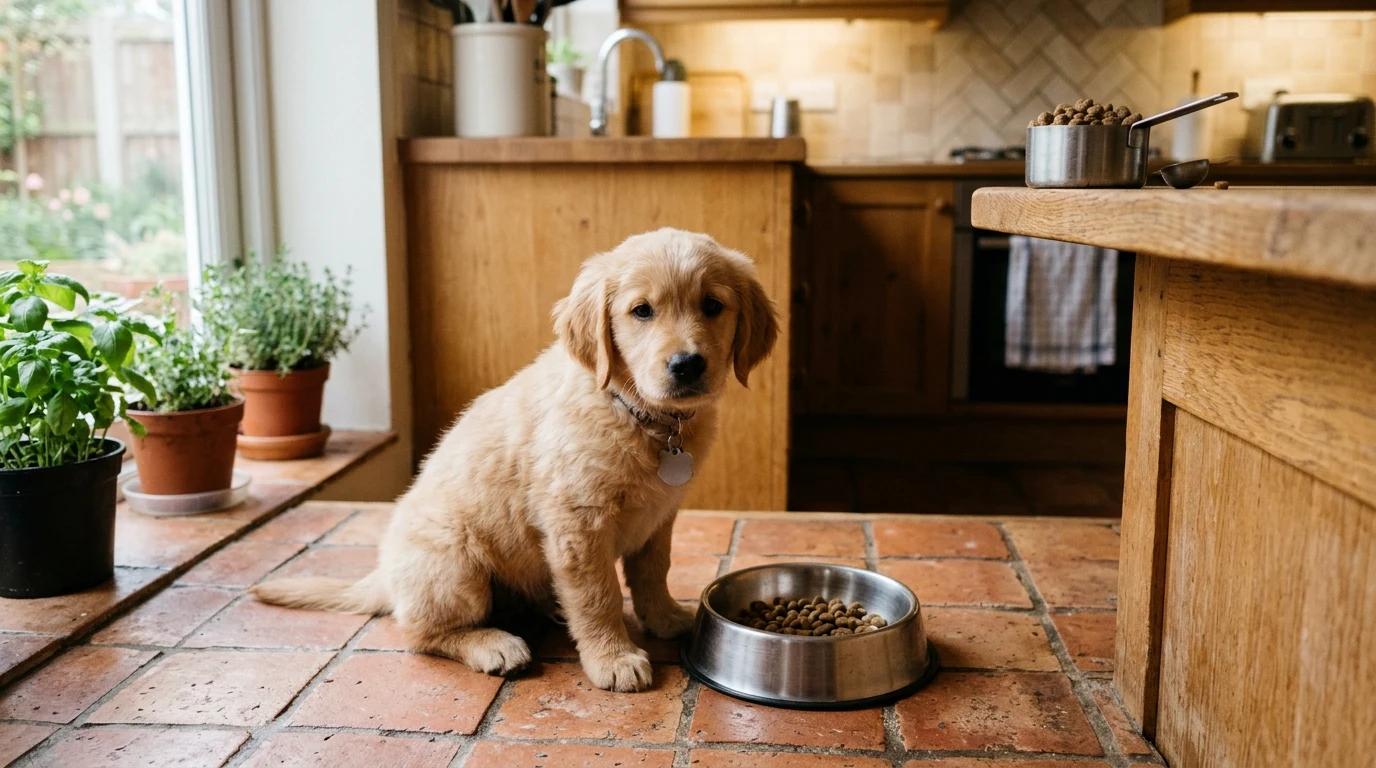
Ask the American Kennel Club how often a puppy should eat and you get a staircase: four meals, then three, then two. Ask VCA Hospitals and you get one line: growing puppies are generally fed two to three times a day. Both are right, because they answer different questions. AKC is an age-banded guide for the first months; VCA is the general rule once a puppy is past the baby stage. The table below lines them up so you can pick a number for your own puppy today.
Meals a day by age
| Age | AKC guide | VCA guide | Our reading |
|---|---|---|---|
| 6 to 12 weeks | Four feedings a day are usually adequate | 2 to 3 a day, no age bands | Four small meals |
| 3 to 6 months | Drop from four to three at some point in this window | 2 to 3 a day | Three meals, moving to this once the potbelly fades |
| 6 to 12 months | Begin feeding twice daily | 2 to 3 a day | Two meals |
| After age 1 | Most owners split the daily amount into two meals | Not covered on this VCA page | Two meals |
Our reconciliation: the third column is our own alignment, not a source's. Under 12 weeks, follow AKC's four meals. From about 3 months, VCA's two to three fits what AKC describes. Neither source gives clock times, so treat the days below as examples to adapt.
Whichever number you land on, VCA is clear that puppies should get measured amounts at regular times. Free-choice feeding can raise the risk of excess body fat and, in large-breed puppies, skeletal abnormalities. Portion feeding gives the best chance of preventing an overweight puppy, so pick a bowl, a measure and a schedule rather than topping up all day.
Toy puppies are the exception
Very young and very small puppies can run short of blood sugar between meals. AKC notes that hypoglycemia can occur in very young or very small puppies, especially young toy puppies, and that puppies can deplete their available glucose between meals when active, cold or stressed. For these puppies the advice is small, frequent meals as directed by a veterinarian, so do not rush a toy-breed puppy down to fewer meals because a chart says so. Ask your vet when to move.
See a vet now: extreme lethargy, incoordination, unconsciousness or seizures in a young puppy are emergency signs. AKC's emergency-vet source says affected puppies are often under 12 weeks, newly acquired and toy-type. Do not wait for the next meal.
Signs it is time to drop a meal
AKC gives no calendar date for the move from four meals to three, only that it happens sometime between 3 and 6 months. So watch the puppy rather than the date:
- Food left in the bowl. AKC says this could mean the puppy is ready to drop a feeding, or that you served too much. Reduce the quantity at future meals before you cut a meal.
- The potbelly is going. A puppy should be losing the potbelly and pudginess by 12 weeks, which is a sensible moment to look at the schedule.
- Body condition is steady. The amount is judged by the puppy's body, never by what is left in the bowl.
When you cut a meal, spread the day's food across the meals that remain rather than simply removing one meal's worth, and let body condition tell you whether the total needs to change. Move one meal at a time and keep the same bowl and routine for the rest.
Two sample days
These clocks are examples only, built on our potty-training guide's after-meal rule: out within about ten minutes of eating (see the potty training schedule). The last meal sits early in the evening so the final trip is not close to bedtime. Shift every time to suit your day.
A 9-week puppy: four meals
- 7:00 breakfast, then outside
- 11:00 lunch, then outside
- 15:00 snack-sized third meal, then outside
- 18:30 supper, then outside, then play and wind down
A 4-month puppy: three meals
- 7:30 breakfast, then outside
- 12:30 lunch, then outside
- 17:30 supper, then outside and a calm evening
For the nap and bedtime side of the day, see the puppy sleep schedule and the puppy schedule tool. If nobody is home at a mealtime, a timed feeder is one way to serve it; check the maker's guidance for your puppy's age, and our automatic feeder pick is a starting point.
 Measured meals at regular times, then a trip outside.
How much: the bag, the scale and the ribs
We do not publish a cups-per-age chart, because it depends on the calories in your particular food. Start with the feeding guide on the bag, or put the bag's calories into the puppy feeding calculator, then let your puppy correct it. AKC's check is simple: a visible waist, a well-proportioned body and ribs you can feel mean the amount is probably right. Puppies need more calories and higher protein than older dogs, and excess weight raises the risk of orthopedic problems on immature joints.
Weigh the puppy weekly and write it down. Weigh yourself, then weigh yourself holding the puppy, and subtract. Your vet can help you set a calorie target.
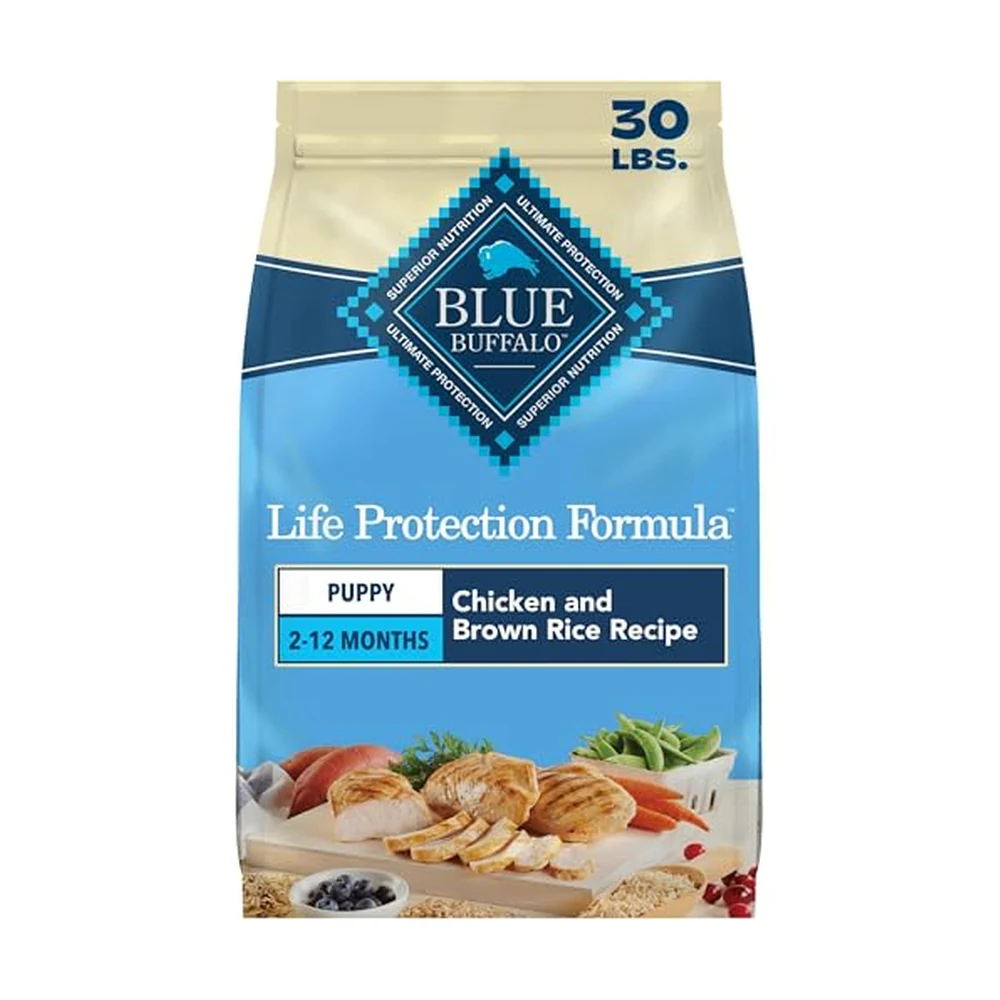
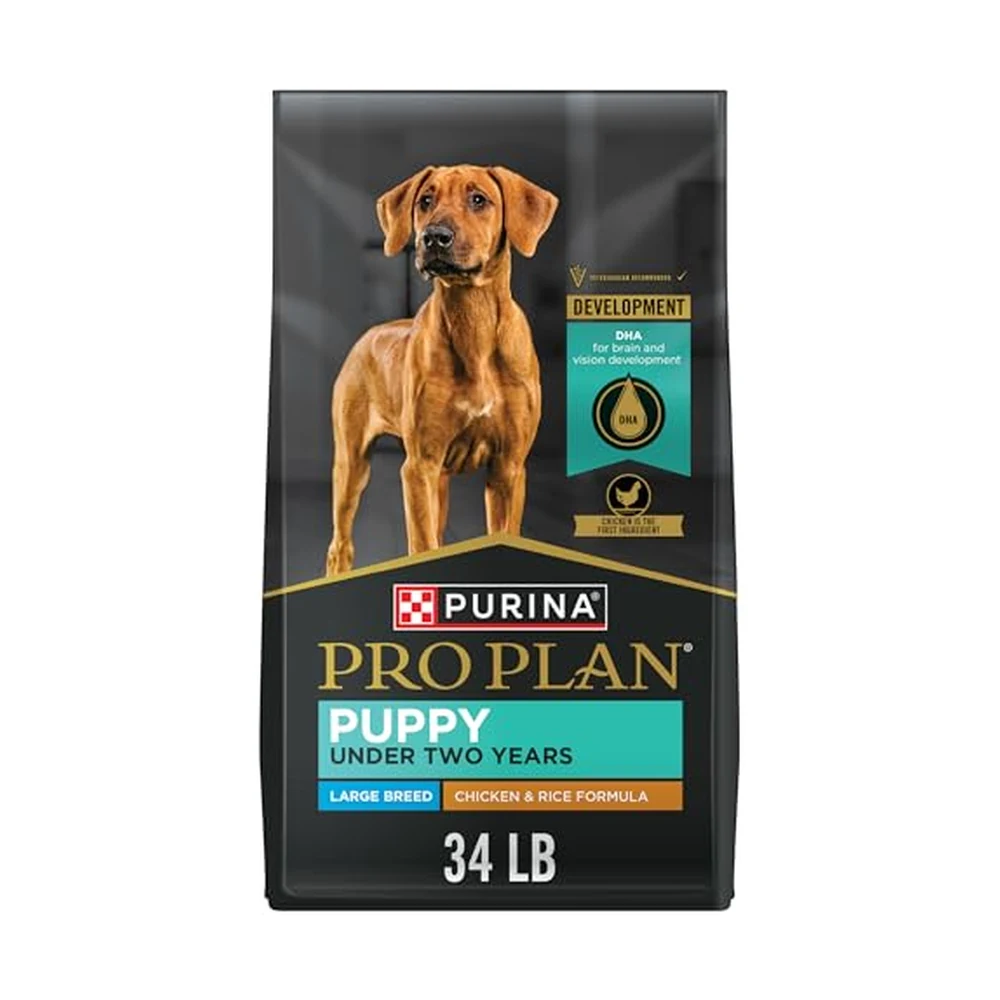
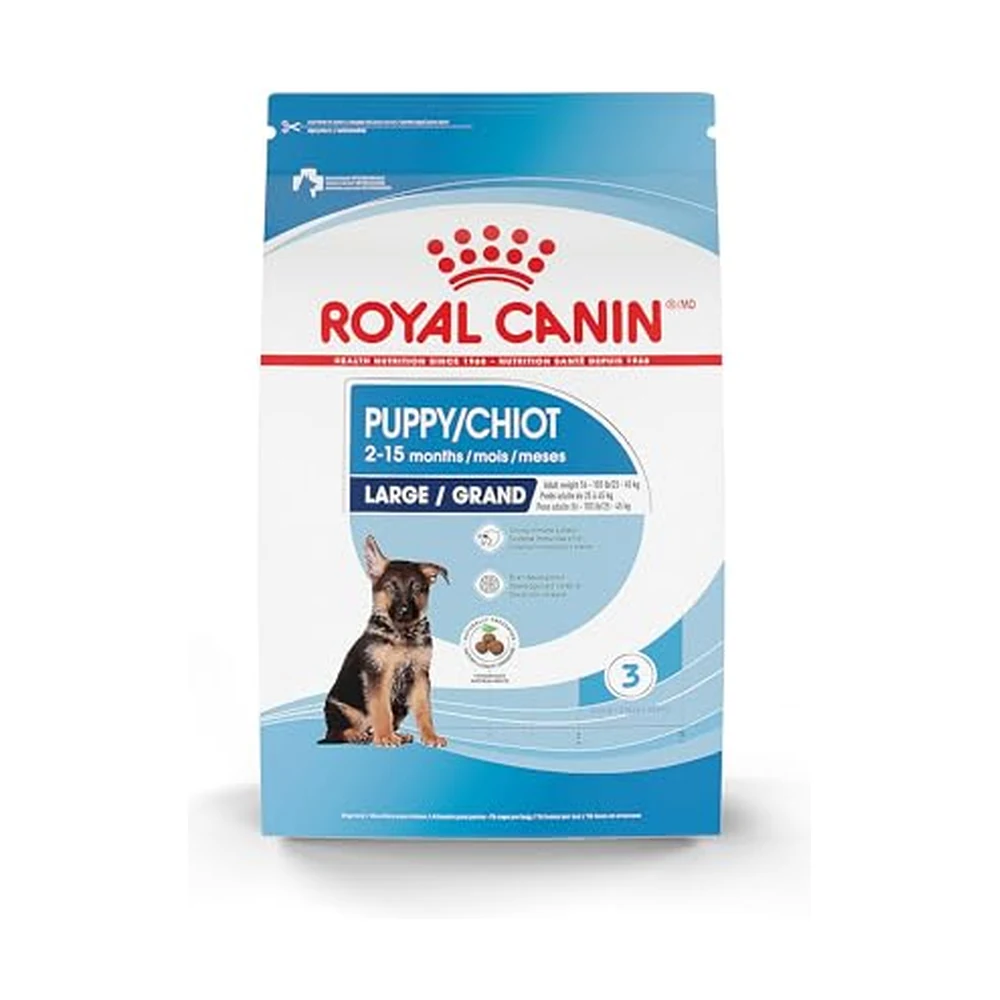
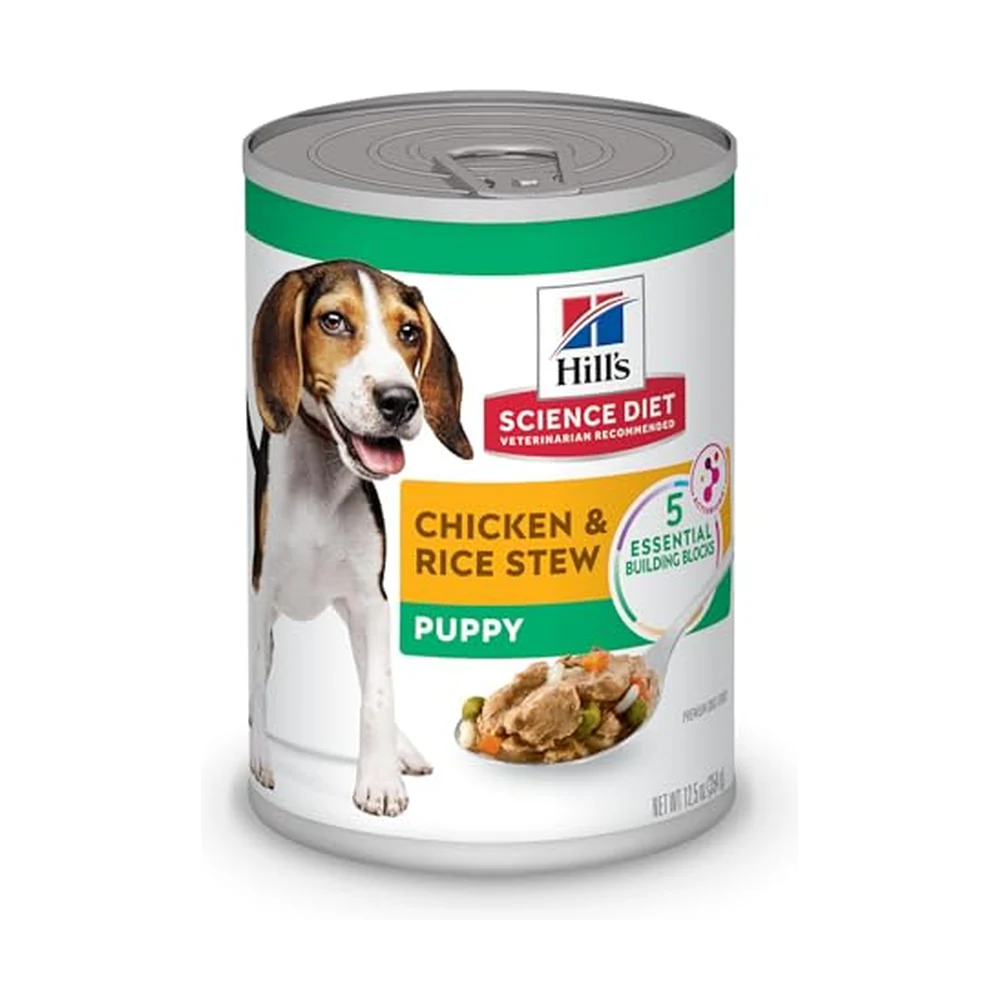
Pick a food whose label carries an AAFCO adequacy statement for growth. Small and medium puppies do well on something like Blue Buffalo puppy chicken. For large breeds, growth formulas such as Purina Pro Plan large breed puppy or Royal Canin large breed puppy are built for it. Hill's Science Diet puppy wet food is the wet option on our shelf if you want to mix some in. AKC says large-breed puppies should be on unmoistened dry food by 9 or 10 weeks and small dogs by 12 or 13. Browse the whole puppy food shelf.
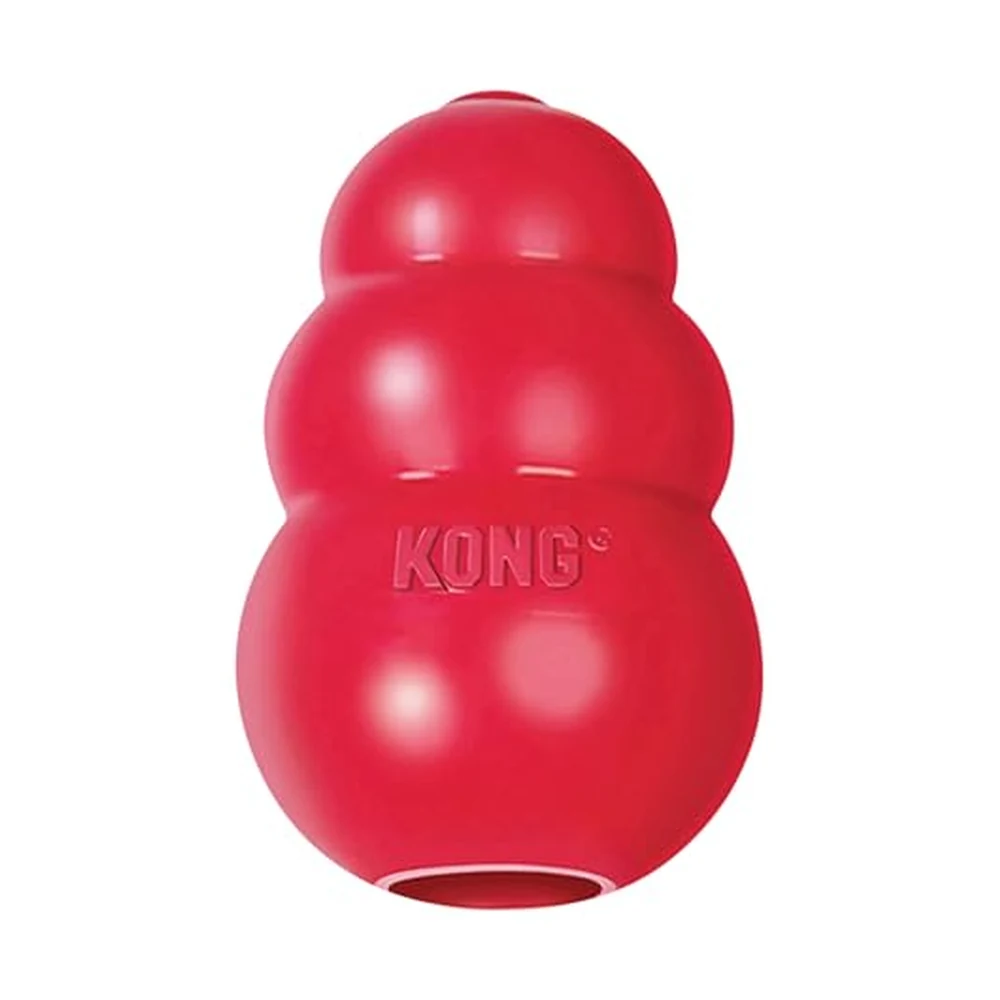
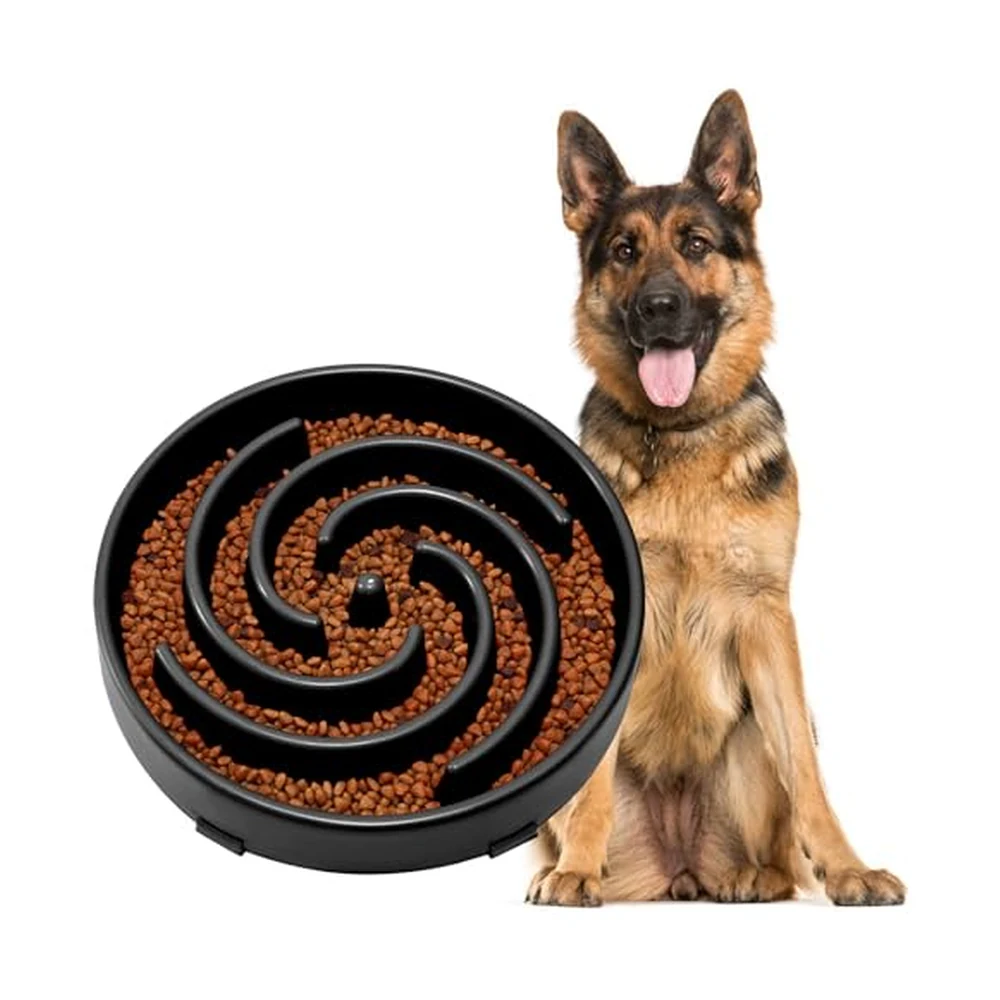
A fast eater can finish a meal in seconds; a spiral slow feeder slows it down, and part of a meal can go into a KONG Classic for something to do.
Treats come out of the meal
If you are training with treats, adjust mealtime portions to match and keep each treat as small as possible. VCA's ceiling is that treats and snacks should supply no more than about a tenth of the day's calories.
When the schedule ends
Two meals a day carries through the first year and into adulthood. The question after that is when to switch to adult food, which depends on size: our growth timeline covers it. For where your puppy sits now, see the new puppy and puppy stages.
Tools for this
- Puppy Feeding Calculator
Put in the calories on your bag and split the daily amount across the meals for his age.
- Puppy Schedule Planner
Build the day so each meal lands with a nap before it and a trip outside after it.
- Puppy Potty Schedule Maker
Plan the trip outside after every meal around your own hours.
Key takeaways
What to remember
- Follow AKC's four meals a day under 12 weeks; VCA's two to three fits from about 3 months.
- Drop a meal when food is left over and the potbelly is going, then keep the daily amount the same.
- Toy puppies can run low on blood sugar between meals, so ask your vet before cutting meals.
- Judge portions by body condition: a visible waist and ribs you can feel, not an empty bowl.
- Treats come out of the meal, and a weekly weigh-in tells you whether the amount is working.
Questions people ask
- Can I free-feed my puppy?
- VCA advises against it for most puppies. Free-choice feeding can increase the risk of excess body fat and, in large-breed puppies, skeletal abnormalities. Portion feeding at regular times gives the best chance of preventing an overweight puppy.
- When do puppies go to two meals a day?
- AKC says to begin feeding twice daily at 6 to 12 months, after stepping down from four meals to three sometime between 3 and 6 months. Watch for leftover food and a fading potbelly as cues, and ask your vet if unsure.
- How much should my puppy eat?
- Start with the feeding chart on your bag, or use the puppy feeding calculator with the bag's calories. Then adjust by body condition: a visible waist and ribs you can feel suggest the amount is about right. Your vet can set a calorie target.
- Do treats count toward the daily amount?
- Yes. VCA says treats and snacks should not exceed about a tenth of the day's calories, and AKC says to reduce mealtime portions when you train with treats and keep each treat as small as possible.
- My toy puppy skipped a meal and seems wobbly. What now?
- Call an emergency vet now. Extreme lethargy, incoordination, unconsciousness or seizures in a very young or toy puppy can signal low blood sugar. AKC recommends small, frequent meals for young puppies as directed by a veterinarian.
Gear
Gear for this stage
The products this piece assumes, in the order we would get them. Prices move; check before you buy.
$65.48 Owner rating 4.7 out of 5 · 15,267
A small or medium puppy from two to twelve months
Purina Pro Plan Large Breed Puppy
$74.98 Owner rating 4.7 out of 5 · 9,863
A puppy expected to weigh 70 lb or more as an adult
$109.99 Owner rating 4.7 out of 5 · 444
A puppy whose adult weight will be 56 to 100 lb
$44.28 Owner rating 4.5 out of 5 · 260
A puppy who is not eating well, or one you want to keep hydrated
$13.96 Owner rating 4.6 out of 5 · 93,737
The stuffed-and-frozen standby
$16.99 Owner rating 4.7 out of 5 · 3,783
A slightly gentler maze — a spiral pattern that slows a dog down without frustrating them
Sources
- AKC, Puppy Feeding Fundamentals — Meals a day by age, signs to drop a meal, body-condition portions and weekly weigh-ins.
- VCA Hospitals, Feeding Growing Puppies — Two to three measured meals a day, the case against free-choice feeding and the treat ceiling.
- AKC, Hypoglycemia in Dogs — Low blood sugar risk in very young and toy puppies and the emergency signs.
- AKC, How Much Should I Feed My Dog? — Higher calorie needs of puppies and the visible-waist, feel-the-ribs check.
Not veterinary advice — for anything medical, ask your vet.
Next step
Work out cups a day from your bag
Enter the calories on your puppy's food and get a daily amount to split across the meals above.