Some links below are Amazon affiliate links — if you buy through one we may earn a commission, at no extra cost to you. It does not change what we recommend. Full disclosure. Researched, not tested — how we research.
In this article(8 sections)
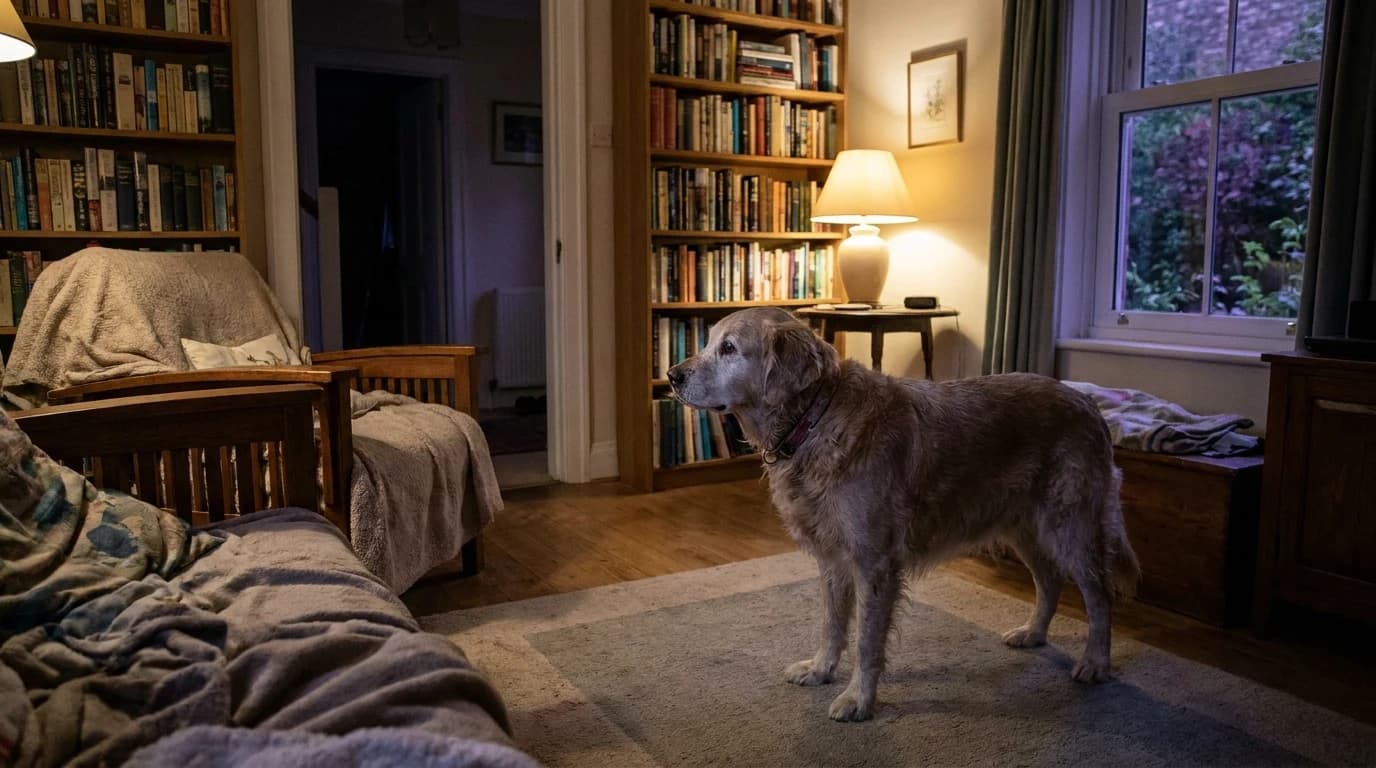
The signs of dog dementia, properly called canine cognitive dysfunction syndrome, fall into six groups that vets shorten to DISHAA: disorientation, changed interactions, disrupted sleep, house soiling and forgotten cues, activity changes, and anxiety. VCA's veterinary behaviorists say more than one of these calls for a physical and behavioral evaluation.
Every DISHAA sign has a second explanation
Most lists stop at the left two columns. The third is why you book the visit instead of settling on an answer at home. The signs come from VCA's DISHAA guide and Cornell's Riney Canine Health Center. The pairings in the last column are our reading of the sources linked below it, not a diagnostic chart.
| DISHAA group | What it looks like at home | What else could explain it |
|---|---|---|
| Disorientation | Lost in a familiar room, stuck in a corner, at the wrong side of a door, staring into space | Vision loss; a brain tumor or other structural brain disease |
| Interactions | Suddenly clingy or withdrawn, not recognizing familiar people | Arthritis, when a sore dog stops getting up to greet you |
| Sleep-wake cycle | Sleeps more by day, wanders or paces at night | Arthritis pain, anxiety, and a night-only cough from disease such as heart disease |
| House soiling, learning, memory | Goes indoors right after being outside, ignores known cues | Kidney disease, Cushing's disease, bladder infection; hearing loss for the missed cues |
| Activity | Less interest in play, more rest, or restless wandering | Arthritis, low thyroid, Cushing's disease |
| Anxiety | New noise phobias, distress when left alone, irritability | Pain, which can make these signs worse |
Rule of thumb: One sign goes in your notes and to your next visit. Two or more get their own appointment.
Why vets rule things out first
No simple test confirms this condition in a living dog. Cornell says it is diagnosed from clinical signs, after an exam plus blood and urine tests rule out pain, arthritis, seizure disorders, systemic illness, and vision or hearing loss. VCA adds that the tests that would establish it from brain tissue are available only after death. Neurologists at Colorado State University say an MRI can help, partly by excluding other conditions, but that shrinkage is easiest to see once decline is advanced.
So a vet reaches this diagnosis largely by clearing the alternatives. That matters because the AVMA says arthritis and other aging-related diseases can be effectively treated, and Cornell says concurrent conditions must be addressed too. CSU's clinicians note that the syndrome itself does not cause pain, while age-related problems such as arthritis can make its signs worse.
Clues that point away from the brain
Cornell says "systemic illnesses" without naming them, so low thyroid and Cushing's disease below are our reading: their published signs overlap with DISHAA, but no source we opened names them as dementia lookalikes. Your vet decides what applies.
| Condition | Overlap with DISHAA | Clues that travel with it |
|---|---|---|
| Arthritis | Sleeping more, less play, unusual aggression | AVMA: stiff walking, trouble standing, avoiding stairs and cars |
| Sensory loss | Missed cues, confusion | AVMA: cataracts; a weaker response to voice |
| Low thyroid | Mental dullness, lethargy | Merck: weight gain without more appetite, seeking heat, coat and skin changes |
| Cushing's disease | House soiling, lethargy | VCA: more thirst, appetite and urination, panting, a pot belly |
| Kidney disease | House soiling | VCA says bladder control can fail; AVMA lists kidney disease among causes of sudden weight loss in senior pets |
| Heart disease | Unsettled nights | VCA: coughing more noticeable at bedtime |
| Brain disease | Personality change, night wandering | CSU: can mimic these signs; imaging can help separate them |
We could not find a home clue that reliably separates a brain tumor from dementia. That is one more reason not to diagnose this yourself.
It starts quietly
Cornell says the condition may begin at around nine years of age or older. VCA says experts recommend annual screening for it from age seven, and notes that large dogs age more quickly than small ones. Our guide to when a dog counts as a senior explains why no single birthday fits every dog.
Three things make it easy to miss:
- It may begin with a single sign, per Cornell
- Changes build over months, per CSU, so nobody living with the dog sees the step
- Owners assume it is normal aging, which Cornell gives as a reason it may be underdiagnosed
CSU's clinicians say some owners notice only after a vacation, or when a houseguest points out a change. Our broader signs of aging checklist covers the physical changes that sit beside these.
What to bring to the appointment
 A dog stuck at a corner or a door is worth filming: it may not happen in the exam room.
Behavior rarely performs on request in a clinic, so collect it beforehand:
- Run the six groups. Write what you have seen under each letter, with dates.
- Film the odd moments. Corner standing, night pacing, and the struggle to rise.
- Note the body. Thirst, appetite, weight, coat, cough, and panting.
- Record the timing. When accidents happen relative to going out.
- List everything he takes, including supplements and calming products.
The AVMA asks owners to tell the vet the specific changes they have seen, and notes that some can seem contradictory, such as apparent hearing loss alongside new sensitivity to strange sounds.
What treatment can and cannot do
The honest position is management. Merck's owner manual says medication and a special diet can delay the progression of signs but will not reverse them, and Cornell says there is no one treatment or cure, while early intervention can improve quality of life.
What a vet may discuss:
- Selegiline, which VCA and Cornell name as the medication licensed or approved for this in North America
- Prescription diets, which Cornell says support the brain with antioxidants and fatty acids
- Medication for specific problems such as anxiety
- Rehabilitation exercise, which CSU's clinicians say shows promise
What to leave alone until you have asked:
- Supplements: VCA says research on nutraceuticals is limited, and Cornell says to consult your vet first
- Diet changes: VCA says a diet must suit all of your dog's health conditions
- Human sleep aids or calming products as a substitute for an evaluation
Remember: Pain comes first. CSU's team makes treating it the first step in care.
Small changes at home
These are comfort and enrichment steps, not a diagnosis or a substitute for the visit.
- Routine. CSU's rehabilitation team advises keeping the daily pattern the same and cutting back on novelty.
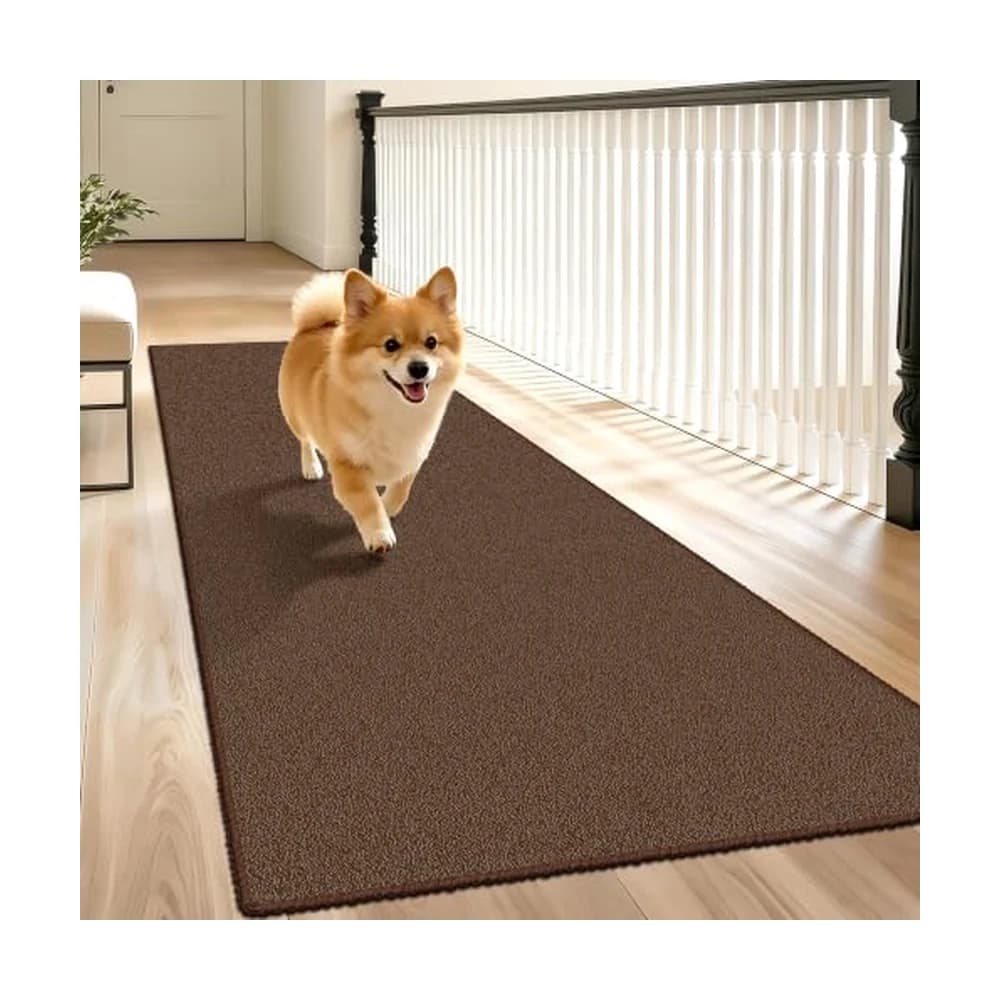
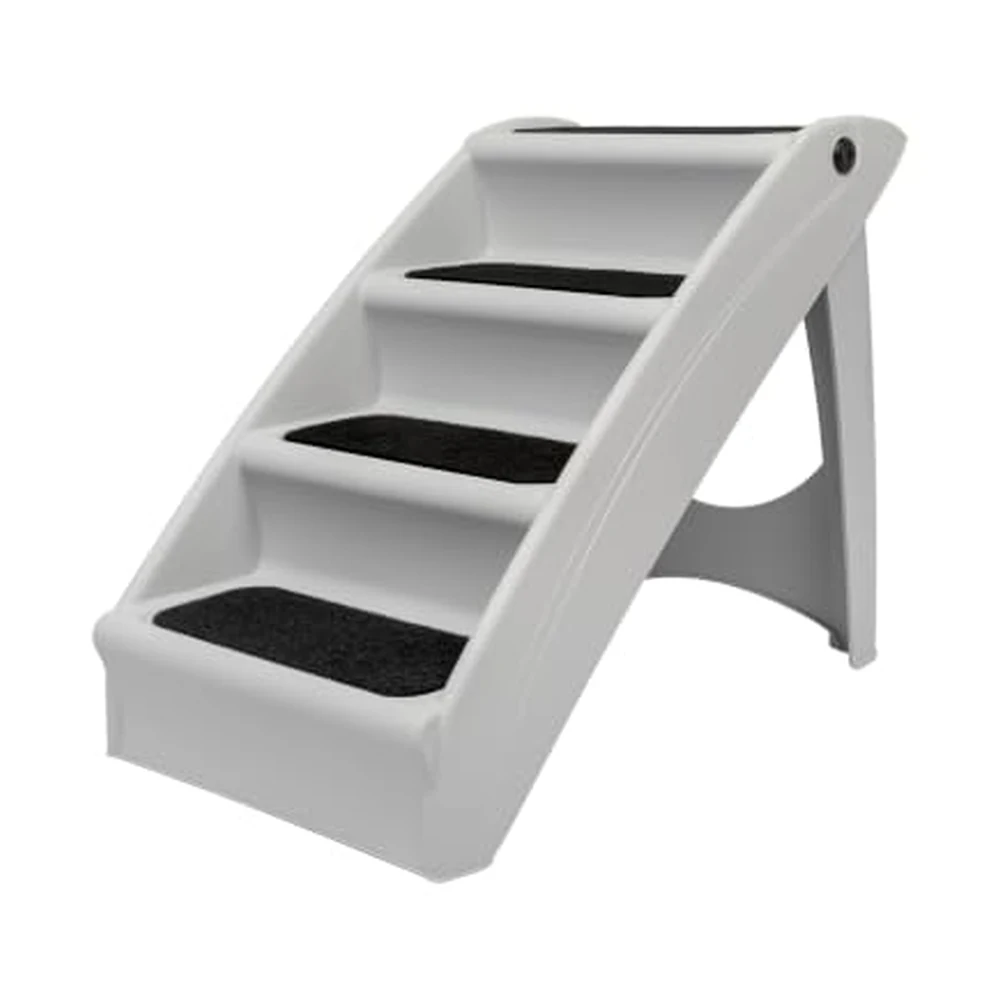
- Floors and furniture. VCA suggests runners on slippery floors, such as the TTelephant two-by-six runner, and portable steps for shared furniture, such as the PetSafe CozyUp.
- Toilet trips and light. VCA recommends more frequent trips out, and extra lighting or scent cues for a dog losing vision.
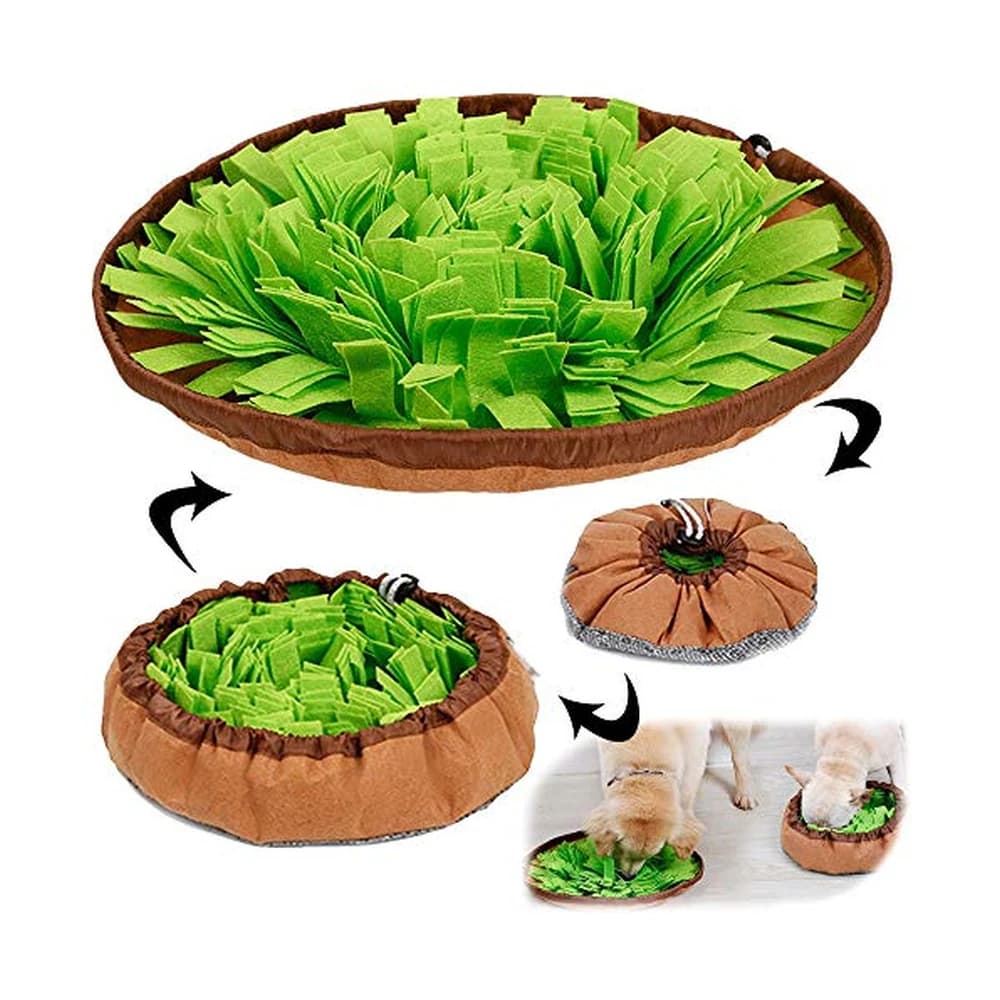
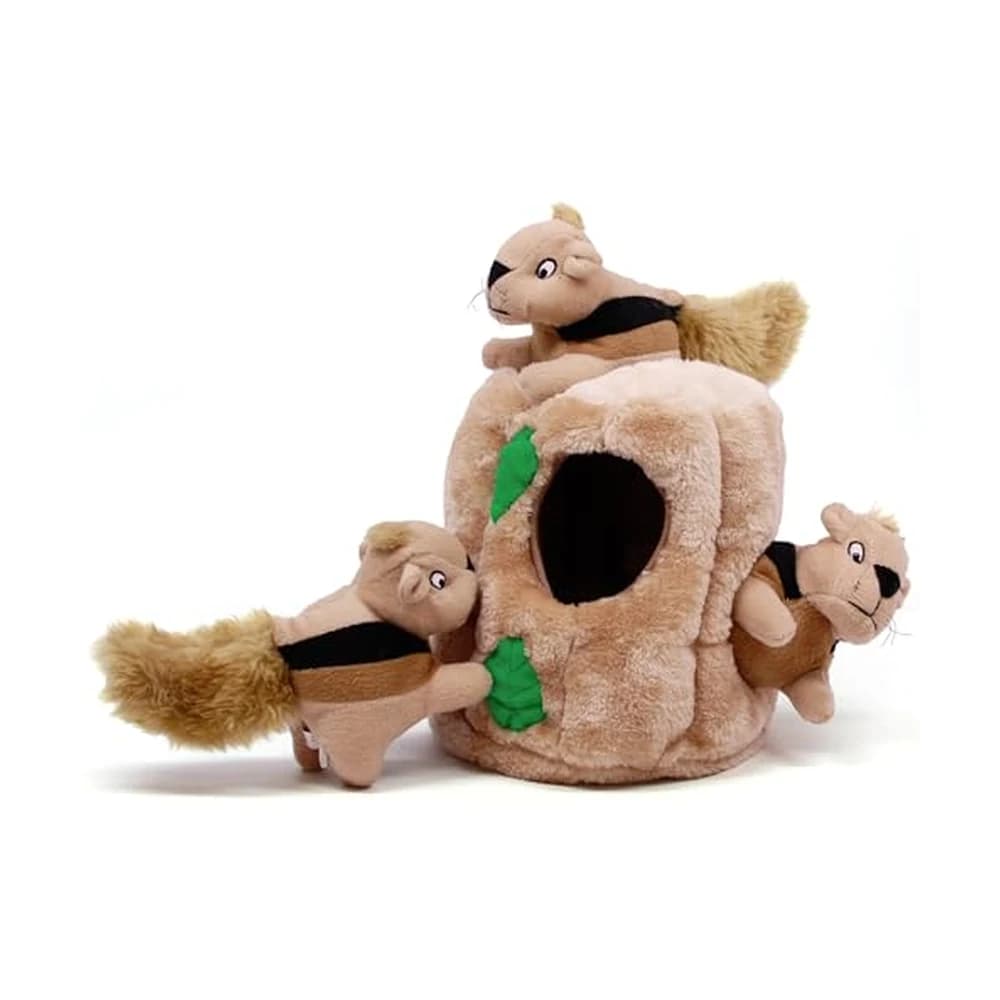
- Nose work. VCA recommends puzzle toys and scavenger hunts, if your dog enjoys them. Our enrichment and puzzle shelf has more: the AWOOF Snuffle Mat works lying down, a KONG Classic can hold a soft stuffing, and the Hide-A-Squirrel is a soft puzzle.
Our brain games for senior dogs lays out low-impact routines, and the senior stage page has the wider picture.
What to ask your vet
- Which of these signs could be pain, and how would we check?
- Which blood and urine tests make sense first?
- Could this be sensory loss rather than confusion?
- Would you screen him for this condition yearly from here?
- If it is cognitive dysfunction, what can we start now, and how will we judge whether it helps?
Tools for this
- Care-Path Finder
Answer what you can see and check which care page fits. Behavior changes go to your vet.
Key takeaways
What to remember
- DISHAA stands for disorientation, interactions, sleep-wake cycle, house soiling with learning and memory, activity, and anxiety.
- Cornell says diagnosis rests on clinical signs after an exam and blood and urine tests rule out conditions with similar signs.
- Arthritis, vision or hearing loss, seizure disorders and systemic illness are all on Cornell's rule-out list, and CSU neurologists add structural brain disease.
- VCA says experts recommend annual screening from age seven, and Cornell says the condition may begin at around nine or older.
- Merck says medication and a special diet can delay progression but will not reverse the signs, so treatment decisions belong with your vet.
- Dated notes and short videos give a vet behavior that may not appear in the exam room.
Questions people ask
- What are the first signs of dementia in a dog?
- Cornell says it may begin as a single sign and progress. Its common signs include getting lost in familiar places, becoming clingy or avoidant, wandering at night, house soiling, and no longer responding to known commands. Because changes build slowly, a dated note helps you see them.
- At what age do dogs get dementia?
- Cornell says dogs may start to develop it at around nine years of age or older. VCA says experts recommend annual screening from age seven, and notes that large dogs age more quickly than small ones. Ask your vet what fits your dog.
- Can a blood test diagnose dog dementia?
- No single blood test confirms it. Cornell describes blood and urine tests as a way to rule out other conditions with similar signs, and diagnosis then rests on the clinical signs. CSU neurologists say an MRI can help but that shrinkage is easiest to see in advanced cases.
- Why does my old dog pace at night?
- VCA lists dementia, anxiety and painful conditions such as arthritis among possible reasons for night restlessness, and a cough noticed at bedtime can point to disease such as heart disease. A vet evaluation sorts these out before any sleep aid or calming product goes in.
- Can dog dementia be reversed?
- Merck says medication and a special diet can delay the progression of signs but will not reverse them, and Cornell says there is no one treatment or cure. Cornell also says early intervention with diet, enrichment and medication can improve quality of life, so an early visit is worthwhile.
Gear
Gear for this stage
The products this piece assumes, in the order we would get them. Prices move; check before you buy.
$11.98 Owner rating 4.2 out of 5 · 21,909
The cheapest way to tire a dog out with their nose
$13.96 Owner rating 4.6 out of 5 · 93,737
The stuffed-and-frozen standby
$16.99 Owner rating 4.6 out of 5 · 52,481
The dog who wants to hunt rather than solve
TTelephant Non-Slip Floor Runner
$36.99 Owner rating 4.6 out of 5 · 119
The hallway or the run to the water bowl
$69.99 Owner rating 4.1 out of 5 · 30,394
A bigger dog who needs steps rather than a ramp

Sources
- VCA Animal Hospitals: Cognitive Dysfunction Syndrome in Senior Dogs and Cats — The DISHAA groups, the evaluation threshold, annual screening from age seven, post-mortem confirmation, selegiline, nutraceutical evidence limits, and home adjustments.
- Cornell Riney Canine Health Center: Cognitive dysfunction syndrome — Clinical signs, onset around nine or older, diagnosis by signs after ruling out other conditions, and treatment options including diet, enrichment and selegiline.
- Colorado State University Veterinary Health System: If you have an older pet, be on the lookout for signs of dementia — Mimicry of structural brain disease, the limits of MRI, gradual onset, pain as a first step, routine, and rehabilitation.
- Merck Veterinary Manual: Behavior Problems in Dogs — Medication and diet delaying but not reversing signs.
- AVMA: Caring for senior cats and dogs — Causes of behavior change, arthritis signs, vision and hearing changes, sudden weight loss causes, and telling the vet specific changes.
- Merck Veterinary Manual: Disorders of the Thyroid Gland in Dogs — Signs of low thyroid: mental dullness, lethargy, weight gain, heat seeking, and skin and coat changes.
- VCA Animal Hospitals: Cushing's Disease in Dogs — Thirst, appetite, urination, lethargy, panting, pot belly, and persistent bladder infections.
- VCA Animal Hospitals: Unusual pet sleep behaviors to watch out for — Night pacing from dementia or anxiety, arthritis pain, and bedtime coughing with heart disease.
Not veterinary advice — for anything medical, ask your vet.
Next step
Set up low-impact brain games
VCA recommends puzzles and scent games for older dogs, and this guide shows how to run them for a dog who tires quickly.