Some links below are Amazon affiliate links — if you buy through one we may earn a commission, at no extra cost to you. It does not change what we recommend. Full disclosure. Researched, not tested — how we research.
In this article(7 sections)
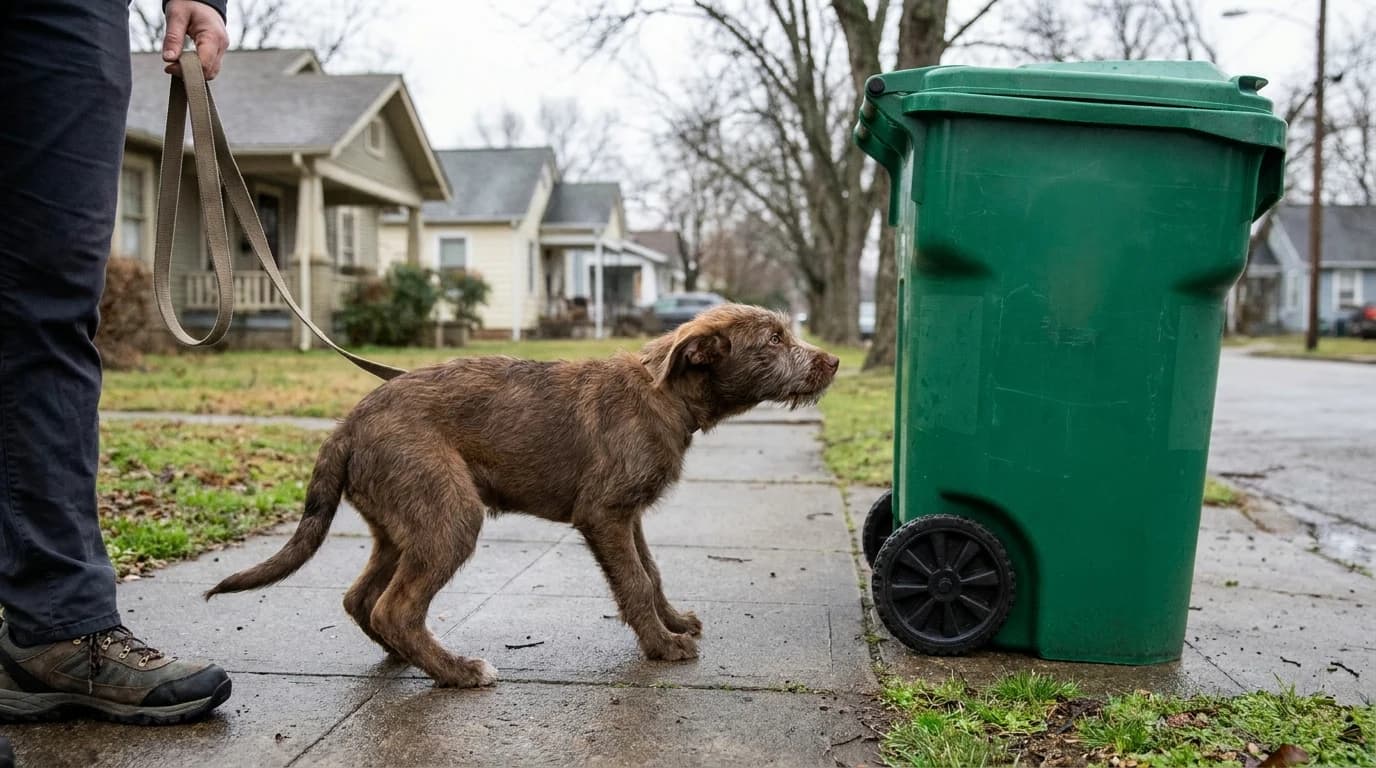
For weeks your puppy trotted past the neighbor's wheeled bin without a glance. This morning they plant their feet, lean back and refuse to go closer. Nothing about the bin changed. Most guides would say you have hit a fear period: a short stretch when a normally bold young dog startles at ordinary things. The label is useful, but it rests on shakier evidence than those guides admit. Below is what the main sources agree on, where the research gets thin, and what to do this week. If the change is sudden and the fear is of brand-new things, a vet visit comes first, because a medical issue can be behind it.
What does a fear period look like?
The San Diego Humane Society lists the signs a puppy shows when something suddenly worries them:
- cowering or flinching
- barking at the object
- whale eye, staring at it or looking away
- sniffing toward it without actually approaching
- trembling, refusing to play or take treats, or trying to pull away (VCA's list)
The target can be oddly specific and short-lived. The American Kennel Club notes a puppy may fear balloons one day and be fine the next. Some fears fade in days; others take longer.
Quick read: A puppy who refuses a treat they normally love is telling you the setting is too much.
When do fear periods happen?
Three published sources give three slightly different calendars. They agree on the second window and differ on the first window and on how long it lasts.
| Source | First window | Second window | How long |
|---|---|---|---|
| AKC | 8–11 weeks | 6–14 months | Varies: days to longer |
| Purdue Croney Research Group | about 8–10 weeks | 6–14 months, "may" occur | about 1–3 weeks |
| San Diego Humane Society | 8–10 weeks | 6–14 months | usually 1–2 weeks |
The AKC adds that small breeds tend to reach the second window earlier than large and giant breeds. Purdue's researchers go further and say behavior is often a better indicator than age, because development varies by breed and by individual dog.
Remember: The sources agree on the second window and disagree on the first window and the length.
 Distance is the adjustable part: if the puppy stops taking food, the bicycle is simply too close for today.
Is the second fear period actually proven?
Nearly every search result states both windows as fact. The evidence behind them is uneven.
The first window
The first window rests on real measurement. Morrow and colleagues (2015, Journal of Veterinary Behavior) tested ninety-eight purebred puppies from three breeds every week from about four weeks to ten weeks. Cavalier King Charles spaniels showed fear-related avoidance later than German shepherds and Yorkshire terriers. So breed shifted the timing, which is messier than a single calendar date. The study measured when avoidance began up to ten weeks, not a temporary dip that later reversed.
The second window
For the second window the picture is thinner. Michael Sauerwein's literature review at unterHUNDs, a German dog-training and behavior practice, reports that no canine study documenting a second fear period could be identified. It also says Scott and Fuller, whose 1965 work is the field's foundation, described the first appearance of fear, not a later temporary episode. That is one review, not settled science, and it does not claim that periods of heightened sensitivity never happen.
Two studies sit near that age without settling it. Asher and colleagues (2020, Biology Letters) re-tested sixty-nine guide-dog candidates at five and eight months and found the odds of repeatedly ignoring a sit cue from their own carer were about twice as high at eight months, while their response to a stranger improved. That measured obedience, not fear. Serpell and Duffy (2016) compared raiser questionnaires at six and twelve months; non-social fear fell over that stretch, detectably only in females. Two snapshots six months apart cannot see an episode lasting two weeks, and the authors call adolescence probably the most poorly studied period for effects on adult behavior.
Evidence split: The first window is measured, though messier than the calendar. The second is widely repeated but no canine study behind it was found.
Fear period or something else?
Decide by what your dog is doing today, not by their age on the calendar. A rough sort:
- Sudden fear of new things in a dog who is normally confident. San Diego Humane says a medical issue is possible, so call the vet.
- Ignoring a cue they used to know. That is more likely the adolescent obedience dip than fear; see adolescent dog regression.
- Fear that lasts more than about two weeks. San Diego Humane says this may be a different behavior problem and suggests a certified positive-reinforcement trainer.
- Fear alongside other changes in eating, sleeping or play. Treat that as a reason to get help, not as a phase.
Working rule: Judge by today's behavior. Fear that persists past about two weeks, or arrives with other changes, calls for help rather than waiting.
What should you do this week?
This plan follows the AKC, Purdue, San Diego Humane and VCA advice, which all point the same direction: add distance, pair the scary thing with food, never force.
- Keep a list of what worries your puppy, as the AKC suggests, and note how close they can get before they stiffen.
- Move away from the trigger until your puppy takes food again. That distance is today's starting line.
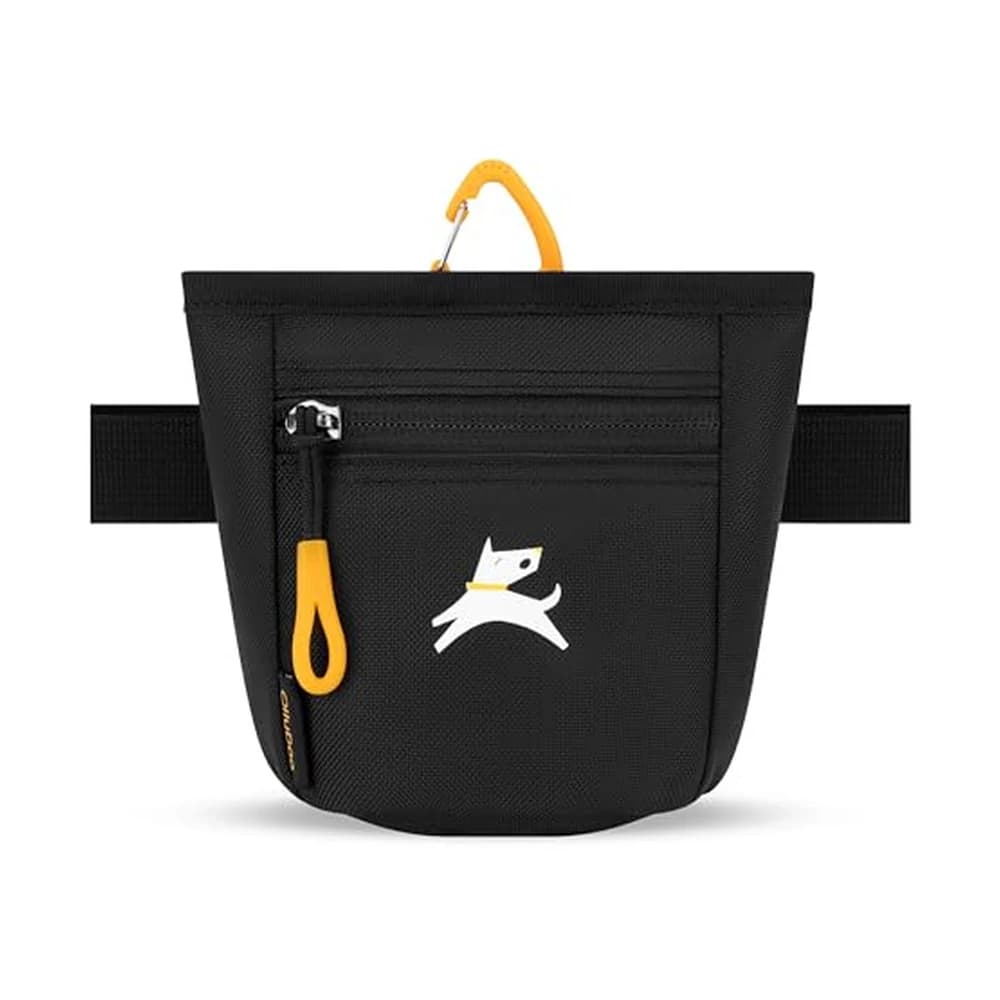
- Use small, soft treats you can deliver quickly from a pouch, such as Zuke's Mini Naturals or Wellness Soft Puppy Bites. An OllyDog Goodie Treat Bag keeps your hands free to move quickly. Browse the wider training tools shelf if you want other options.
- Let the puppy set the pace and distance. Keep each session short and end on a good note with treats and praise.
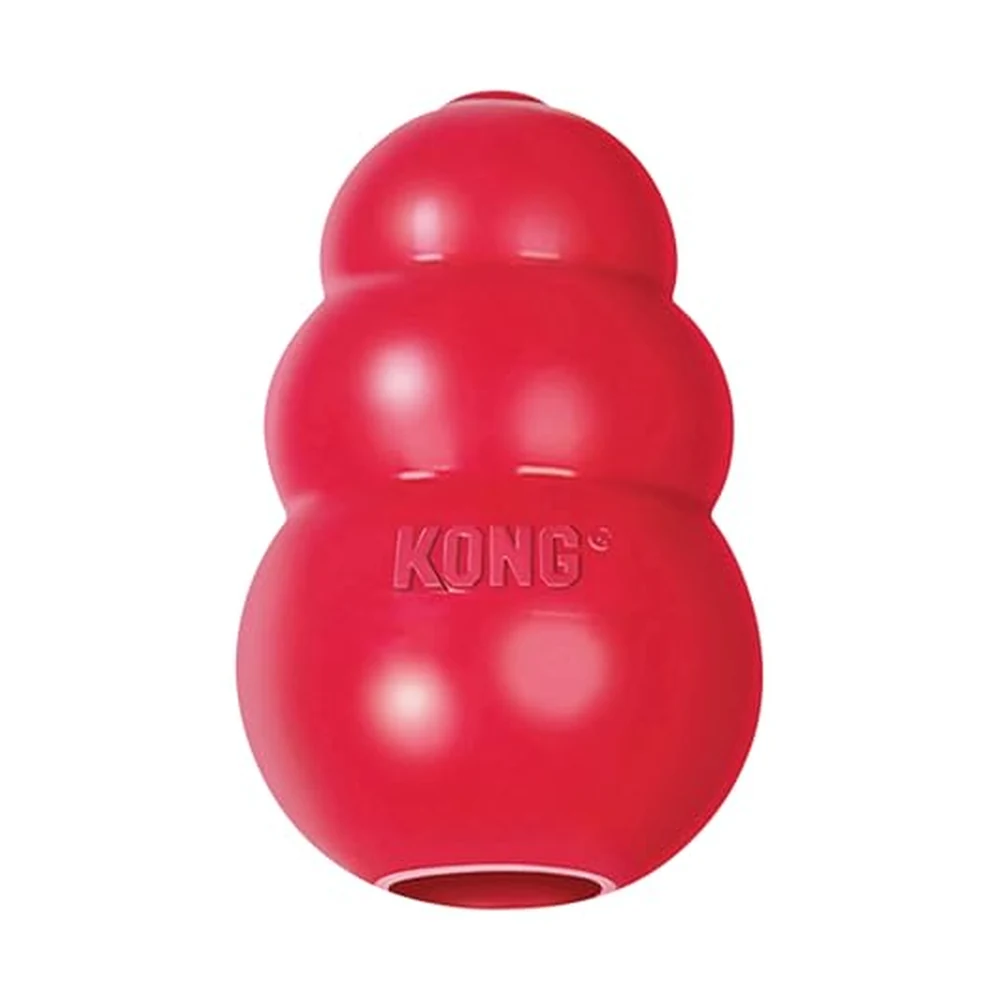
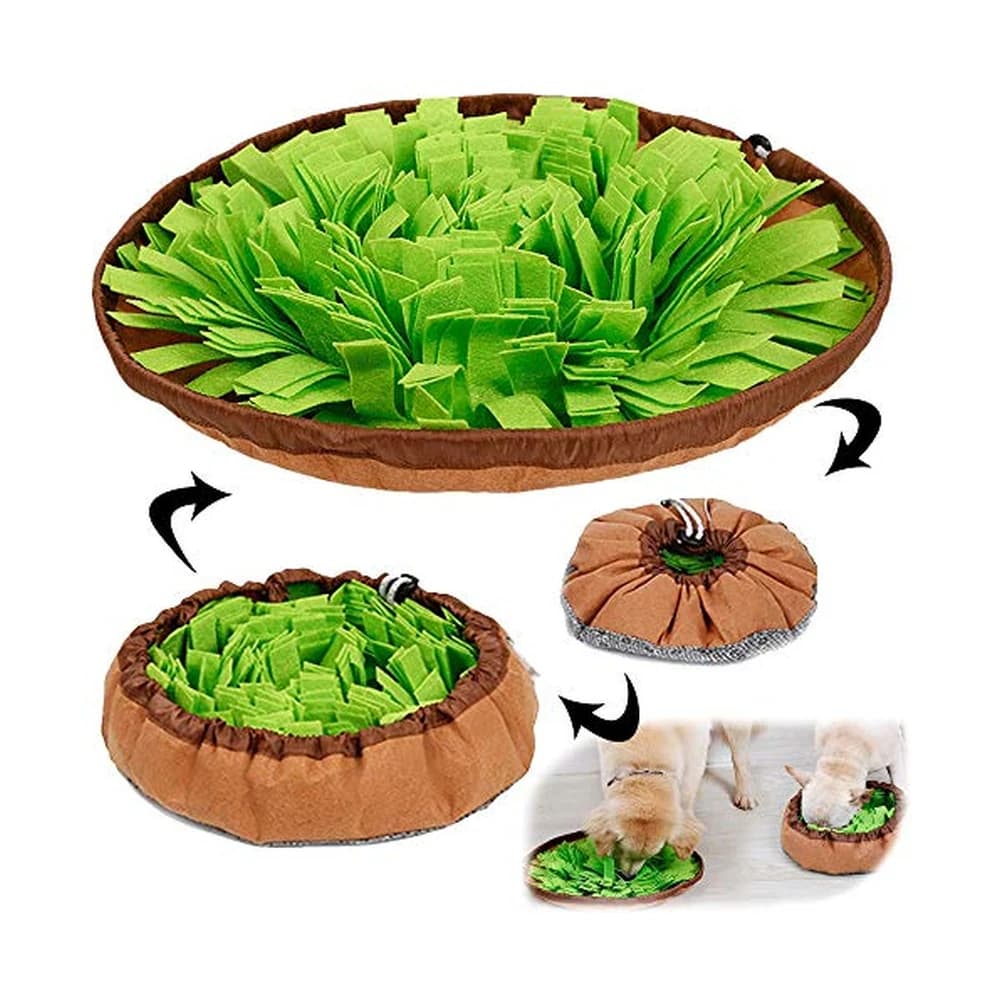
- Afterward, give a calm job away from the trigger, such as a stuffed KONG Classic or an AWOOF snuffle mat. These are a quiet way to wind down, not a fear treatment.
- At the end of the week, check your list. If nothing has eased and two weeks have passed, move to the professional step below.
What helps:
- Distance the puppy chooses
- Food delivered while no fear signs show
- Short sessions that end well
What backfires:
- Dragging or luring the puppy closer
- Waiting for them to get over it on their own
- Long sessions that run past the puppy's limit
The AKC says forcing a puppy closer is far more likely to backfire and create a bigger, longer-lasting fear. VCA agrees: never make a puppy face their fears.
Should you stop socializing during a fear period?
Purdue's guidance seems to pull both ways: avoid potentially scary situations, and continue socialization. The unterHUNDs review warns that blanket avoidance removes exposure and can also explain away a sudden change that deserves a second look. These fit together if you change the dose, not the diagnosis. Add distance, shorten the session or lower the intensity rather than removing the experience.
Your puppy tells you when the dose is too high. The review says a dog that disengages, scans the area or stops taking food is saying the setting is too much. VCA adds that habituation cannot happen while a puppy is frightened. For the broader picture of early exposure, see the puppy socialization window, and the stage pages for new puppies, puppies and adolescents.
When should you call a professional?
Call the vet when a confident dog develops sudden fear of new things, or when the fear arrives alongside other changes. Call a certified positive-reinforcement trainer when fear lasts beyond about two weeks or the puppy's fear is intense. VCA says high fear warrants professional guidance. San Diego Humane warns that an ignored fear may never go away on its own.
The American Animal Hospital Association's life stage guidelines tell vets to discuss fear periods and noise phobias with owners and list profound phobias or fears among serious problems. You are not overreacting by raising it at a routine visit. Nothing here is veterinary advice.
Tools for this
- Dog Age Calculator
Place your dog's age and see which stage page to read next.
Key takeaways
What to remember
- AKC, Purdue and San Diego Humane all place a second fear window between six and fourteen months, but they differ on the first window and on how long each lasts.
- The first window rests on measured research in which breed shifted when fear-related avoidance began.
- One literature review could not identify any canine study documenting a second fear period, so treat that window as widely repeated rather than proven.
- Decide by what your dog is doing today, not by age: add distance, pair the scary thing with food, and never force a closer look.
- Do not stop socializing; add distance, shorten the session or lower the intensity instead of removing the experience.
- Fear that lasts beyond about two weeks, or arrives with other changes, is a reason to call a vet or trainer, not to wait it out.
Questions people ask
- When do puppy fear periods happen?
- Sources put the first window at about eight to eleven weeks and the second between six and fourteen months. The AKC says small breeds tend to reach the second one earlier than large and giant breeds. Purdue's researchers add that behavior is often a better indicator than age.
- How long do fear periods last?
- Purdue says around one to three weeks and San Diego Humane says usually one to two weeks. The AKC says some fears pass in days while others take longer. Fear that lasts beyond about two weeks may be a different behavior issue worth a trainer's help.
- Is the second fear period real?
- It is widely stated, but one literature review found no canine study documenting it. That review does not say heightened sensitivity never happens, only that the evidence for a defined second window is missing. Treat the age as a loose guide and respond to what your dog does.
- Should I stop socializing my puppy during a fear period?
- No, but change the dose. Keep the experience while adding distance, shortening the session or lowering the intensity, and stop if your puppy disengages or refuses food. Never force a puppy to face a scary thing.
- When is it not a fear period?
- A sudden fear of new things in a normally confident dog may have a medical cause, so call the vet. A dog ignoring a cue they once knew may be in the adolescent obedience dip instead. Fear that persists for more than about two weeks, or comes with other changes, deserves professional help.
Gear
Gear for this stage
The products this piece assumes, in the order we would get them. Prices move; check before you buy.
$14.98 Owner rating 4.6 out of 5 · 16,053
The everyday training treat — small
$9.99 Owner rating 4.6 out of 5 · 51,071
The first months of training
$19.95 Owner rating 4.6 out of 5 · 2,279
Getting a reward out in under a second, which is the only thing a treat pouch is actually for.
$13.96 Owner rating 4.6 out of 5 · 93,737
The stuffed-and-frozen standby
$11.98 Owner rating 4.2 out of 5 · 21,909
The cheapest way to tire a dog out with their nose


Sources
- AKC: Puppy Fear Periods — Both fear-period windows, breed-size note, and the advice not to force a puppy closer
- Purdue Croney Research Group: Puppy Developmental Stages — Window ages, one-to-three-week duration, and behavior as a better indicator than age
- San Diego Humane Society: Puppies, Fear Periods and Reactivity — Signs of fear, the two-week threshold, and when to see a vet or trainer
- Morrow et al. 2015, Journal of Veterinary Behavior (abstract) — Weekly testing of ninety-eight puppies up to ten weeks and breed differences in onset of fear-related avoidance
- unterHUNDs: Fear Periods in Dogs (literature review by Michael Sauerwein) — No canine study of a second fear period identified, and the advice to lower intensity instead of removing exposure
- Asher et al. 2020, Biology Letters — Obedience dip between five and eight months, measured as response to a sit request, not fear
- Serpell and Duffy 2016, Frontiers in Veterinary Science — Fear scores at six and twelve months and the note that adolescence is poorly studied
- VCA Animal Hospitals: Puppy Behavior and Training, Socialization and Fear Prevention — Signs of fear, habituation not occurring in a frightened puppy, and never forcing a puppy to face fears
- AAHA: Canine Life Stage Guidelines, Behavior — Vets are directed to discuss fear periods and noise phobias; profound phobias listed as serious
Not veterinary advice — for anything medical, ask your vet.
Next step
Rule out the adolescent obedience dip
Ignoring a cue you trained at five months is a different problem from fear, with a different plan.