In this article(7 sections)
- What should you do when a puppy bites?
- How do you set up a useful redirection?
- What if the puppy ignores the toy?
- Is evening biting a sign your puppy needs rest?
- How can you reward gentle interaction without rewarding bites?
- What changes when children are involved?
- When is puppy biting a reason to get professional help?
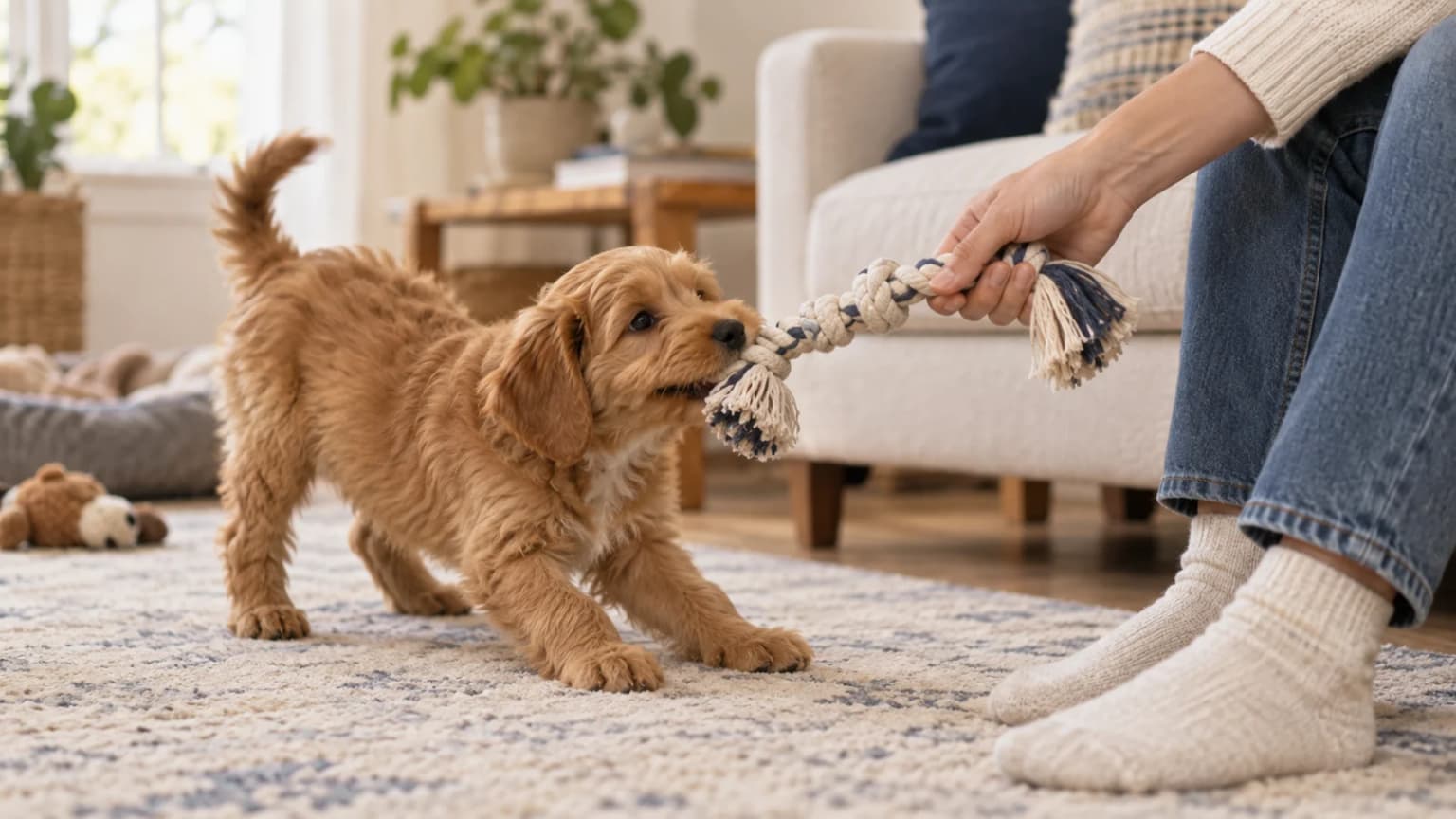
To stop puppy biting during play, offer a suitable toy before teeth reach skin, pause the interaction when biting starts, and check whether the puppy needs a toilet trip or quiet rest before trying again. This is a routine for playful mouthing in the puppy stage, not a treatment for fearful or injurious biting. Our teething timeline explains the tooth changes; this guide deals with what you do in the moment.
What should you do when a puppy bites?
Use the same simple sequence each time so everyone in the household responds predictably. These are our practical checkpoints, not a promise that biting stops after a set number of repetitions.
- Stop moving the hand, foot or clothing the puppy is chasing.
- Offer a toy with room between your hand and the puppy's mouth.
- If the puppy keeps targeting you, calmly step behind a nearby gate.
- Check toilet, food, rest and activity needs before restarting.
- Resume with an easier game and reward choosing the toy.
Dogs Trust recommends briefly stepping away or using a gate when mouthing continues. ASPCA advises substituting toys and avoiding rough hand play. Neither buying a harder chew nor shouting supplies the missing skill: choosing an appropriate play target.
Remember: Redirect, reset, then check needs. Repeated failed redirections mean change the situation, rather than keep presenting the same toy.
How do you set up a useful redirection?
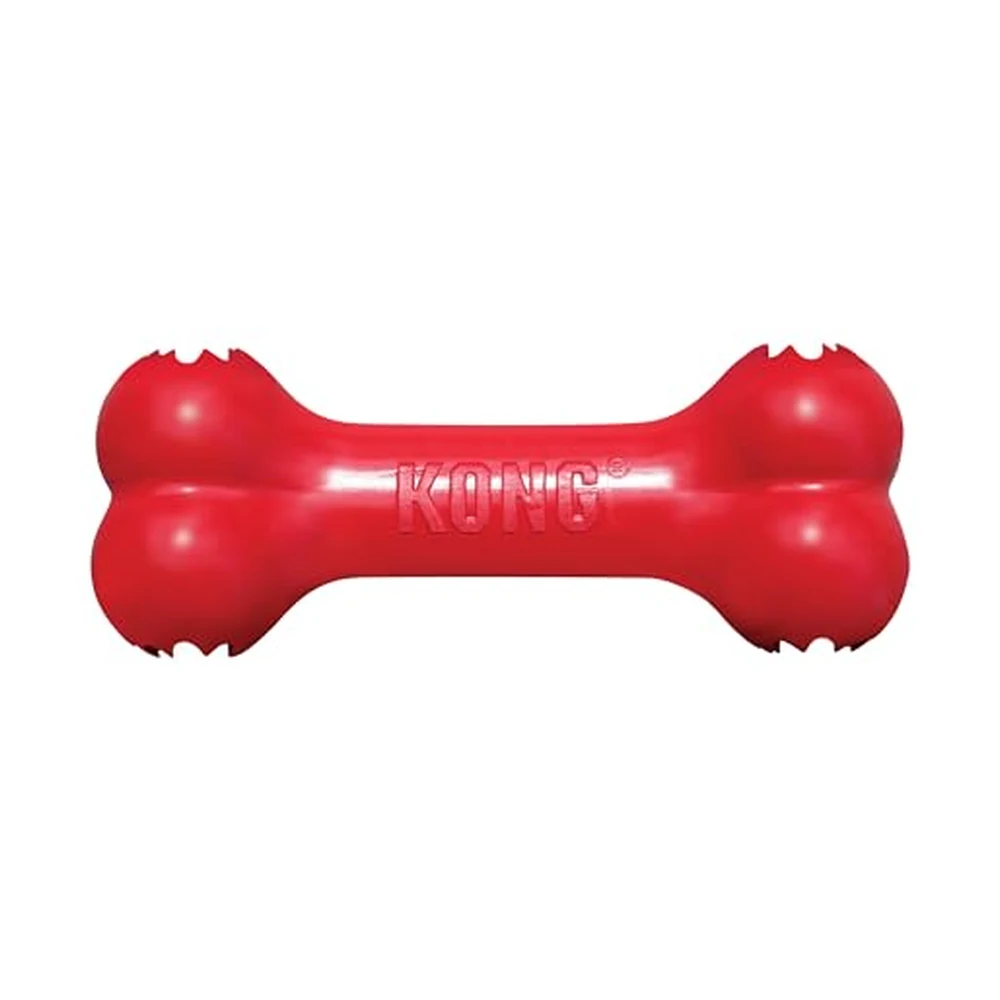
Keep one familiar toy close before the interaction begins. Searching a cupboard while the puppy hangs from your sleeve turns a small problem into a moving chase. Choose a toy the puppy can comfortably carry and grip; a larger bite area can keep hands farther away without forcing an oversized object into a small mouth.
A KONG Goodie Bone is one rubber option to inspect before supervised play. It is a substitute target, not proof against tooth injury or swallowing. Remove any toy that splits, sheds pieces or becomes too small to use safely. Our teething and chew toy shelf separates puppy options from harder adult chews.
Set up the room as well as the toy:
- Put dangling ties, slippers and children's toys away.
- Keep an exit route to a puppy-proofed area clear.
- Ask visitors to play with the toy rather than fingers.
- End a game while the puppy can still switch targets.
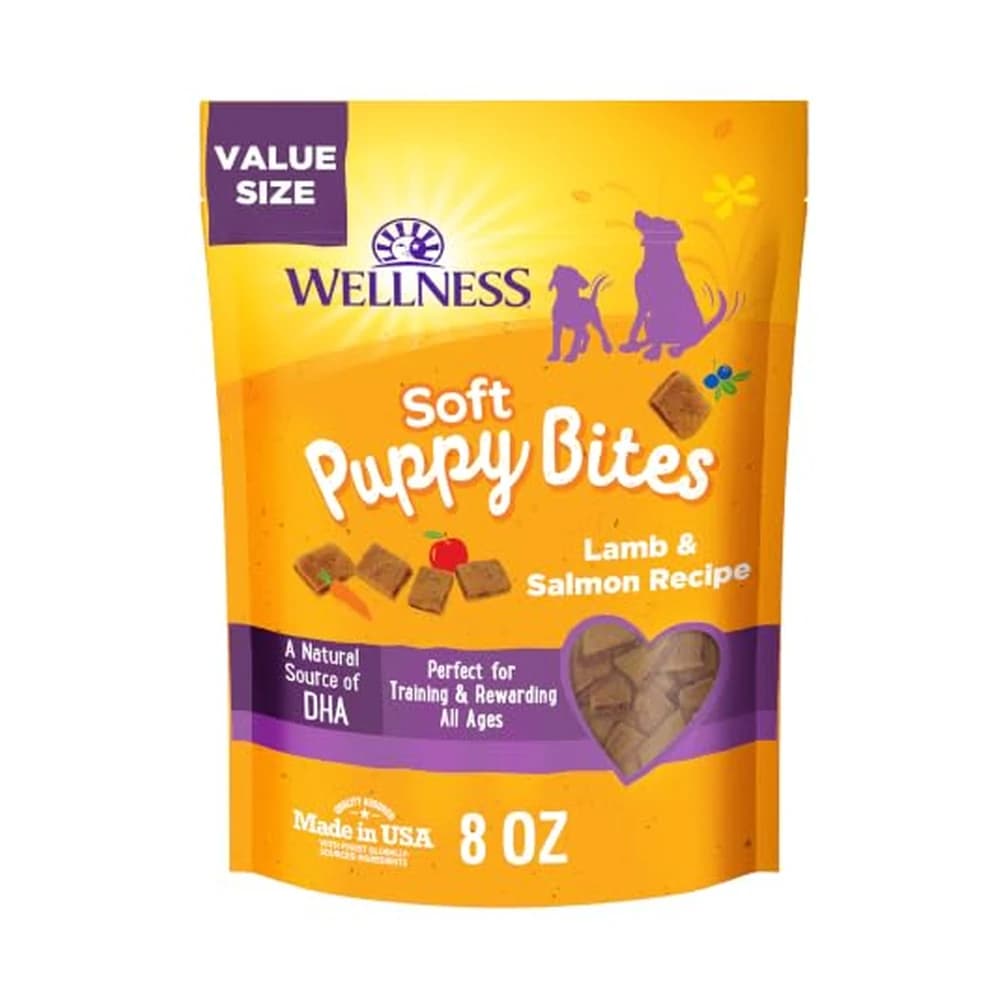
For a puppy who takes food gently, Wellness Soft Puppy Bites can reward a calm pause. Break rewards small and account for them within the day's food allowance; choose food appropriate for your dog's diet.
What if the puppy ignores the toy?
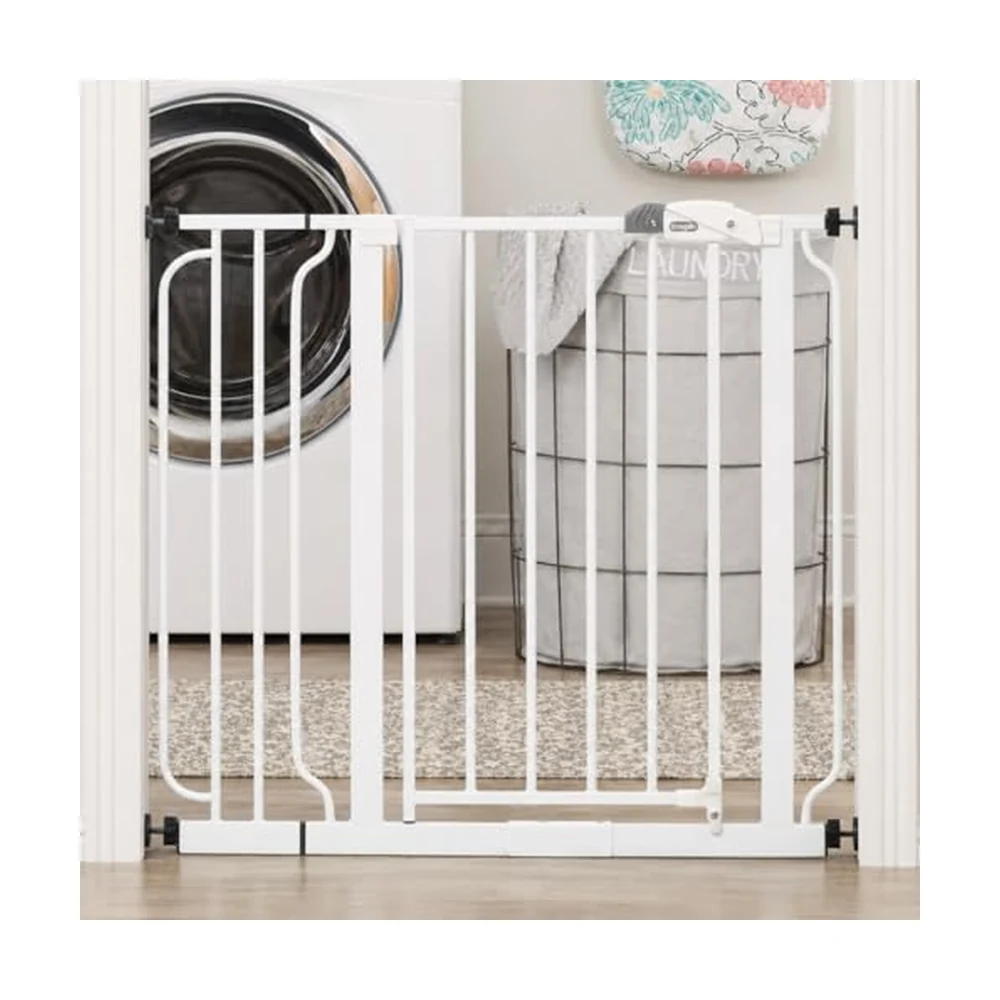
If the puppy repeatedly returns to skin, stop rehearsing the same game. Step away calmly, using a door or gate rather than pushing the puppy off. A Regalo walk-through gate can separate people from a cleared puppy area when fitted correctly and appropriate for the dog's size. Check the actual opening and climbing risk; a gate is management, not supervision.
Make the reset brief and uneventful. Stay nearby, watch the puppy and return when you can offer a calmer interaction. If separation causes distress, increase distance within the room or ask another adult to help; do not leave a panicking puppy to cry until they stop.
| What happens | Change next time |
|---|---|
| Puppy follows moving ankles | Have the toy ready before walking through the room |
| Toy works briefly, then hands become the target | Shorten the game and finish before escalation |
| Puppy cannot engage with any toy | Check needs and reduce stimulation |
| Biting starts during touching or handling | Stop that handling and seek advice if discomfort is possible |
A pause is a way to make the next attempt easier. It is not a punishment delivered through a crate, a pinned body or a grabbed muzzle.
Is evening biting a sign your puppy needs rest?
Evening biting can coincide with a busy day, but the time on the clock cannot diagnose the cause. Keep a short record of what preceded the episode: waking, visitors, play, a missed meal, handling or a long period without a toilet trip. Then change one part of the routine and compare the next similar situation.
 Illustration: after checking basic needs, offer a quiet opportunity to rest; tiredness is not the only possible reason for biting.
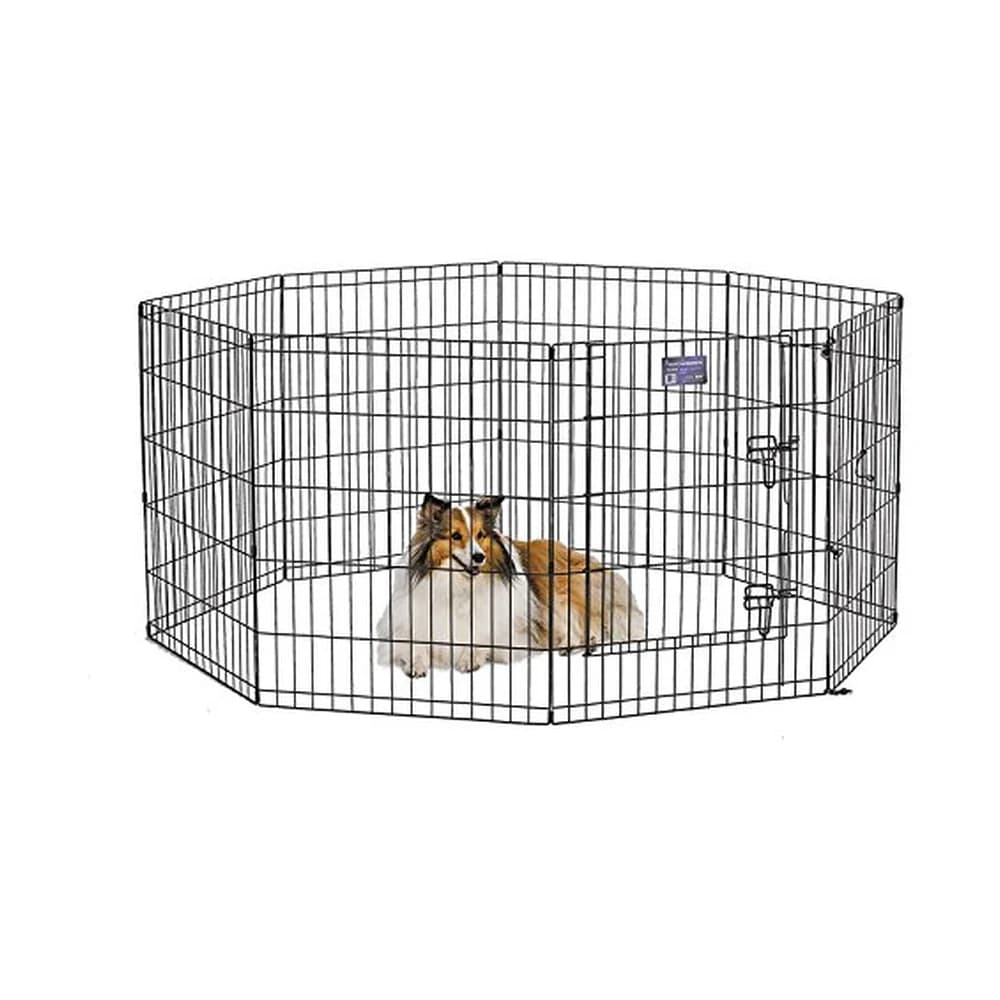
Give the puppy a chance to toilet, access water and rest in a comfortable area. A MidWest exercise pen may create that area if the puppy has been introduced comfortably; an already cleared room is another option. Stay close enough to monitor rather than using confinement to remove the puppy from family life.
Our puppy sleep guide helps with the daily pattern. Rest is one possible missing need, not a reason to dismiss new pain, fear or persistent distress as tiredness.
How can you reward gentle interaction without rewarding bites?
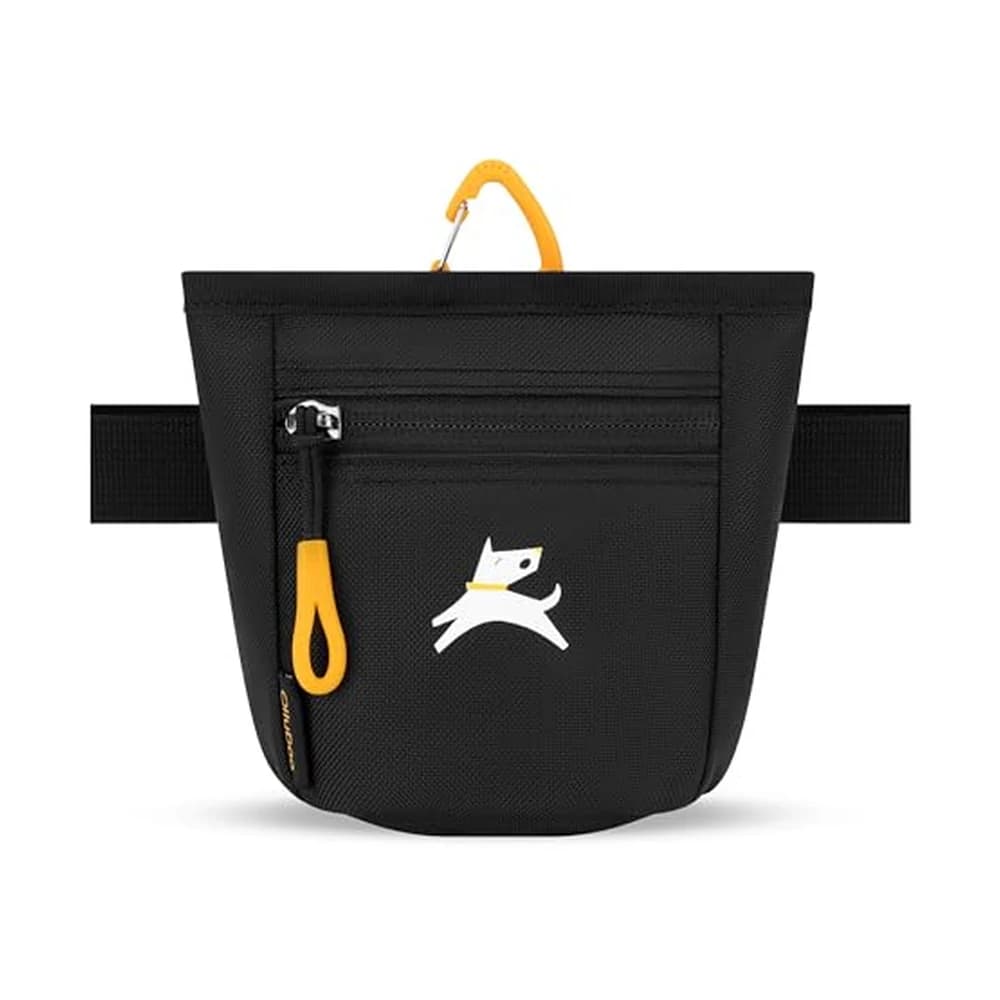
Practise before the puppy is already attached to your sleeve. Have food ready in a pocket or an OllyDog treat bag, so you can reward the behavior you wanted rather than rummaging after the unwanted event.
Choose one easy replacement behavior for a particular situation. At greetings, that might be four paws on the floor. During toy play, it is a mouth on the toy. During quiet company, it may be a brief pause beside you. Reward that choice, then let normal interaction continue.
What helps:
- Offering the toy before a predictable ankle-chasing moment.
- Paying calm approaches as well as dramatic recoveries.
- Keeping the same simple response across adults.
What makes the pattern harder:
- Waving fingers to invite play, then scolding the result.
- Repeatedly provoking a bite to practise stopping it.
- Continuing a game after the puppy cannot disengage.
AVSAB's 2021 humane-training statement recommends reward-based methods for both ordinary skills and unwanted behavior. Its guidance supports teaching an alternative and changing the environment; this is not a dominance contest.
What changes when children are involved?
An adult should manage puppy-child interactions. Do not make a child responsible for enduring bites, presenting a toy correctly or applying the reset sequence while frightened. Put physical separation in place before running, shrieking games or tired children make the situation harder.
For a practical household arrangement, have one adult handle the puppy while another helps the child. Let the puppy choose a toy at a distance, and end the interaction before either participant becomes overwhelmed. The adults can practise the routine without the child present first.
Safety rule: If you cannot actively supervise a puppy and child together, separate them in suitable spaces. Training progress does not remove that responsibility.
Keep a written household response where adults will see it: who steps in, where the puppy's safe area is, and which game replaces hand play. That small plan is more useful than asking each person to invent a technique mid-episode.
When is puppy biting a reason to get professional help?
Seek veterinary and qualified behavior help for hard or repeated bites, stiff or fearful body language, guarding, biting during handling, or a sudden change. ASPCA specifically recommends professional assessment when fear or aggression is suspected. Do not use a cheerful play routine to test whether those bites are serious.
Prepare useful observations for the appointment:
- What happened immediately before the bite.
- Whether food, a toy, sleep or touching was involved.
- Who was present and whether the puppy could move away.
- Whether the skin was injured and whether episodes are increasing.
A video of an ordinary routine can help only if it is safe to record; never recreate a bite for footage. Keep people separated from the triggering situation while arranging help. Improvement in playful mouthing looks like easier redirection and fewer repeated episodes, not a guaranteed birthday when biting ends. Start with a setup your puppy can succeed in, and make that success repeatable.
Key takeaways
What to remember
- Prepare a toy and a safe exit route before predictable biting moments.
- Redirect playful mouthing; if that fails, pause the interaction calmly.
- Check ordinary needs rather than assuming every bite means teething or tiredness.
- Reward calm approaches and toy choices before biting begins.
- Adults manage puppy-child interactions and separate them when active supervision is unavailable.
- Seek veterinary and qualified behavior advice for hard, fearful or sudden unusual biting.
Questions people ask
- How do I stop my puppy biting my hands?
- Prepare a suitable toy before playing, and redirect the puppy onto it when hands become the target. If biting continues, calmly pause and step away through a safe exit route. Reward easier gentle interaction when you restart.
- Should I yelp when my puppy bites?
- A loud response can increase excitement in some puppies. This routine uses a calm pause and toy redirection, followed by an easier interaction. Avoid hitting, muzzle grabbing or frightening the puppy.
- Why does my puppy bite more in the evening?
- Evening biting can coincide with tiredness or an overstimulating routine, but the time of day does not identify the cause. Record the preceding activity and check food, toilet and rest needs. New pain, fear or persistent distress deserves veterinary advice.
- Will my puppy grow out of biting when teething ends?
- Tooth changes and learning gentle interaction are different processes. Do not rely on a birthday to end a biting pattern; keep teaching appropriate play and managing the situations that trigger it. Ask for help if biting is intense, worsening or difficult to interrupt.
- What should I do if my puppy bites my child?
- An adult should end the interaction and separate child and puppy into suitable spaces. Do not ask the child to carry out the training routine or tolerate bites. Injurious or fearful biting needs professional assessment before another close interaction.
Gear
The gear this guide assumes
Our shelves and product pages, so you can see the options without leaving mid-session. No buy buttons here — this is a training guide.
$11.96 Owner rating 4.5 out of 5 · 22,399
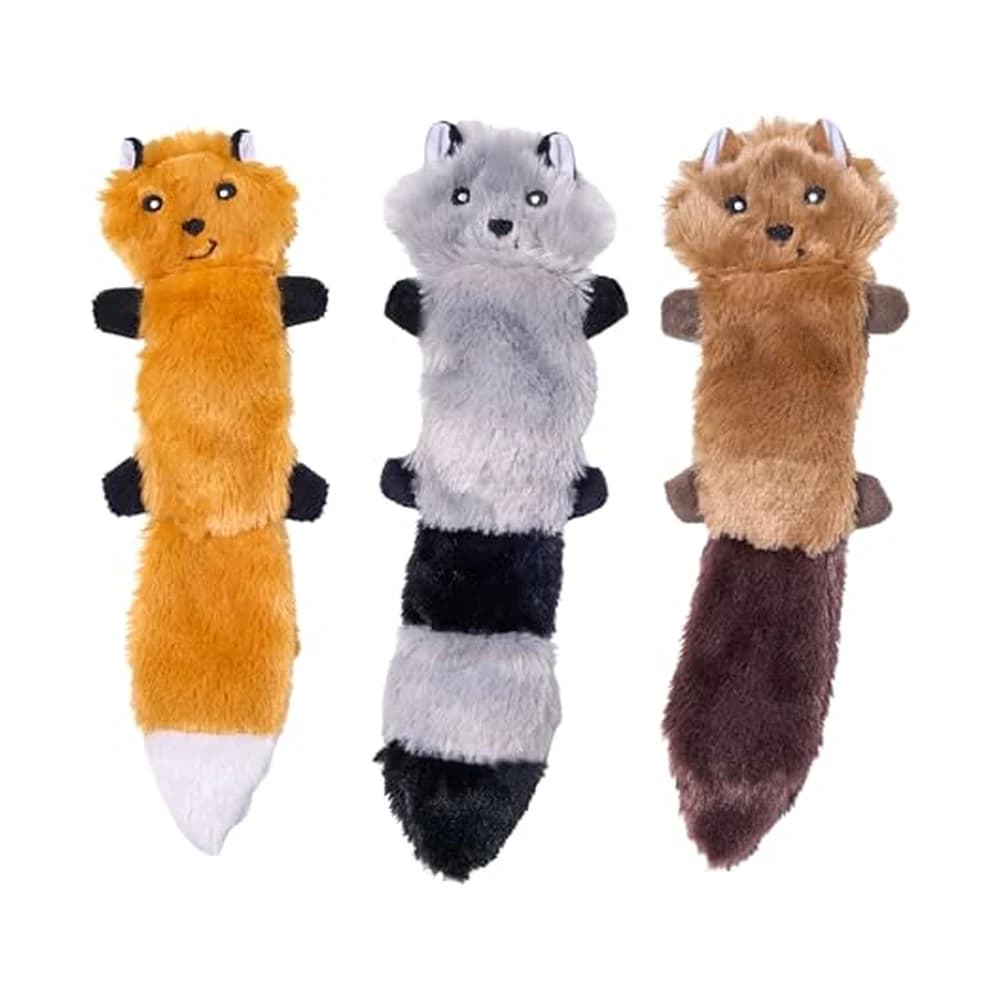
A stuffable chew that survives the teething stage
$9.99 Owner rating 4.6 out of 5 · 51,071
The first months of training
$44.98 Owner rating 4.4 out of 5 · 175,093
A wide doorway at the bottom of the stairs
$46.99 Owner rating 4.6 out of 5 · 46,346
The default puppy pen — 16 square feet, a step-through door
$19.95 Owner rating 4.6 out of 5 · 2,279
Getting a reward out in under a second, which is the only thing a treat pouch is actually for.
Sources
- Mouthing, Nipping and Biting in Puppies — ASPCA — Normal playful mouthing, toy substitution, avoiding rough hand play and physical punishment, and professional assessment for suspected fear or aggression.
- Mouthing, nipping and puppy biting — Dogs Trust — Brief separation through gates, understanding needs and triggers, and returning to suitable activities rather than repeating failed interactions.
- AVSAB Position Statement on Humane Dog Training (2021) — Reward-based methods for ordinary training and unwanted behaviors, environmental management, and professional treatment for fear or anxiety.
Not veterinary advice — for anything medical, ask your vet.
Next step
Explore puppy teething and chew toys
Choose a supervised substitute target appropriate for your puppy rather than escalating to harder chews.
Between roughly three and seven months a puppy loses 28 baby teeth and grows 42 adult ones. Chewing is not naughtiness — it is the stage.