Some links below are Amazon affiliate links — if you buy through one we may earn a commission, at no extra cost to you. It does not change what we recommend. Full disclosure. Researched, not tested — how we research.
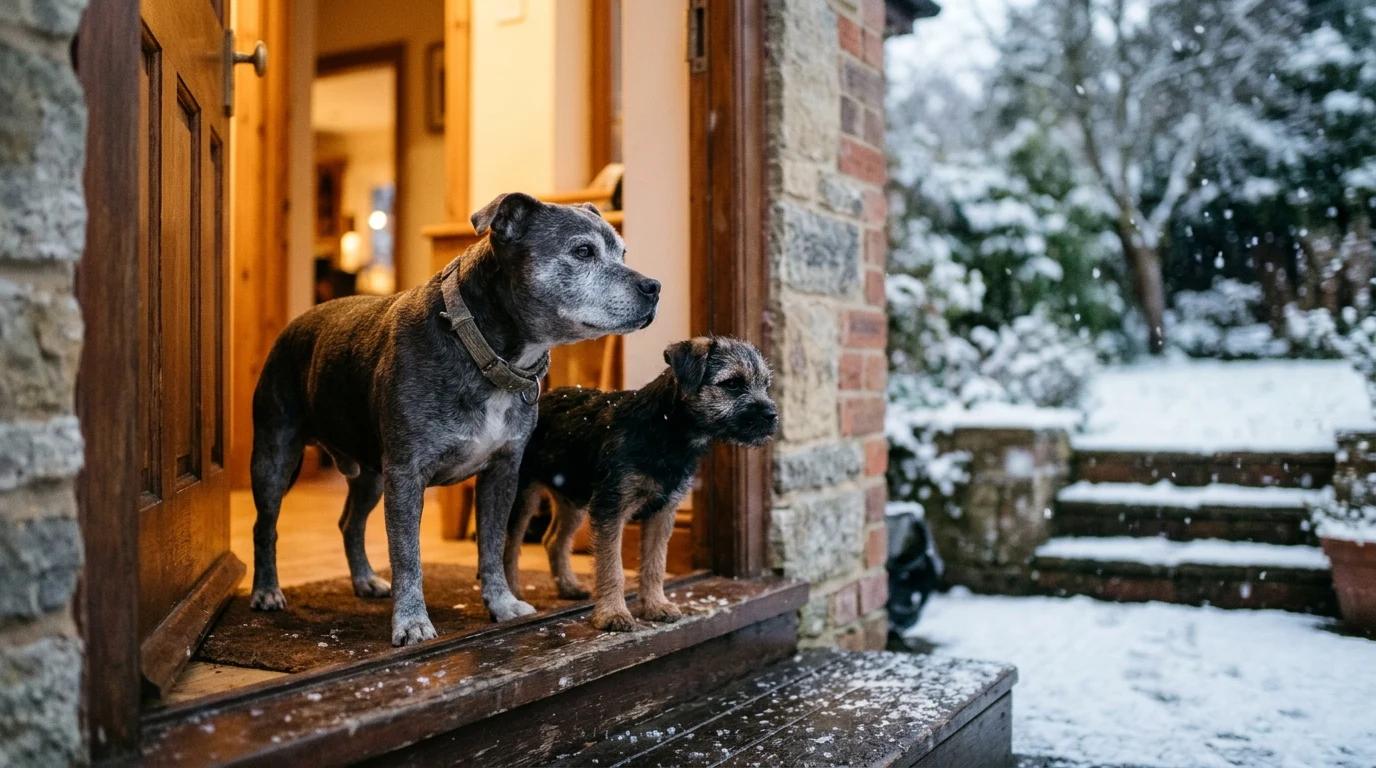
It is 7 a.m., 28°F on the porch, and two dogs need to go out: a 12-year-old Lab with stiff hips and a 10-week-old puppy. One answer will not fit both. Short answer: most healthy adult dogs are comfortable down to about 45°F, the danger lines start near freezing for puppies and seniors, and below 20°F any dog can get into trouble on a long outing. Here is where each source puts those lines.
The three lines the sources draw
PetMD draws three bands. PetSmart and Cornell draw them a little differently, and AKC adds the body-temperature side. They agree on direction, not on the exact number.
| Source | Where it starts to matter | Who it names first | Time guidance |
|---|---|---|---|
| PetMD | Below 45°F some cold-averse dogs get uncomfortable; below 32°F small, thin-coated, very young, old or sick dogs can be in danger; below 20°F any dog risks hypothermia or frostbite | Small breeds, thin coats, puppies, seniors, sick dogs | "Too much time" outdoors; extended periods below 20°F |
| PetSmart | Near freezing is uncomfortable for many dogs; under 40°F "can become risky" | Small or short-haired breeds, puppies, seniors | 10 to 15 minutes below freezing, supervised |
| Cornell | No number: "If it is too cold for you, it is likely too cold for your dog" | Puppies, older, underweight or ill dogs | Not given |
| AKC | Mild hypothermia begins when body temperature drops below 99°F | Small, senior, puppies, short-coated dogs | Not given |
PetSmart's line sits higher than PetMD's first danger line. Neither is wrong; PetSmart is cautious about comfort, PetMD about danger.
Where each life stage hits them
Our reconciliation: The temperature bands below are PetMD's. Putting each life stage into them is our reading of what the sources say about age, not a number any source published. No source gives a per-month temperature limit for puppies, and we will not invent one.
| Band | Puppy | Healthy adult | Senior or arthritic |
|---|---|---|---|
| Below 45°F | Short outings; watch for shivering | Usually fine; cold-averse dogs may complain | Fine briefly; watch footing |
| Below 32°F | Potty breaks only, supervised | Shorter walks, check the signs | Short trips, cleared and traction-friendly path |
| Below 20°F | Potty breaks only, straight back in | Limit time; coat and boots | Brief trips only; ice is a second risk |
The reason is body mechanics. PetMD notes that puppies have less body fat for insulation and their small size works against staying warm, while sick and senior dogs may not raise their metabolic rate to make heat as well as they once did. Small dogs also lose heat faster because of their larger surface area for their volume. Cornell says puppies cannot properly regulate body temperature.
Puppies: short trips, cleared paths
PetSmart says puppies, seniors and short-haired dogs should stick to quick potty breaks rather than long walks in the cold. For a young puppy that means a trip out, a reward, and straight back inside. If snow is deep, PetMD suggests shovelling a patch close to the door so the trip stays short.
- Keep potty trips quick and use the same spot; see our potty training schedule.
- Save longer play for indoors; our puppy exercise by age guide covers how much a young puppy needs.
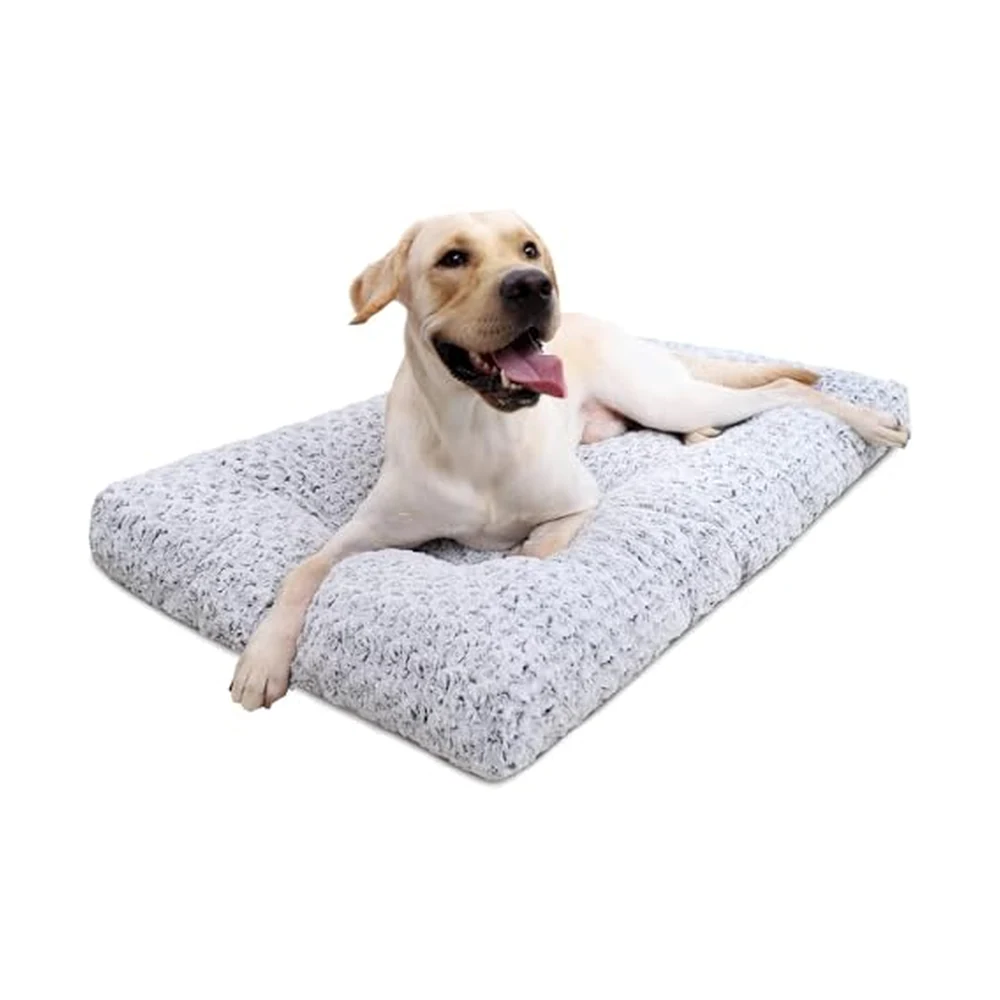
- Give the puppy somewhere warm to curl up afterwards, such as a washable crate bed.
- Read the puppy stage page for what else changes in these months.
Seniors: the ice is the bigger risk
Cornell's point for older dogs is practical. Dogs with arthritis often struggle in cold weather because ice and snow make walking unstable, and it says well-fitting booties and shovelled areas in the yard may help with balance. That makes traction the real winter question for many older dogs, more than the thermometer.
 Clear a path first; a steady footing matters as much as the coat.
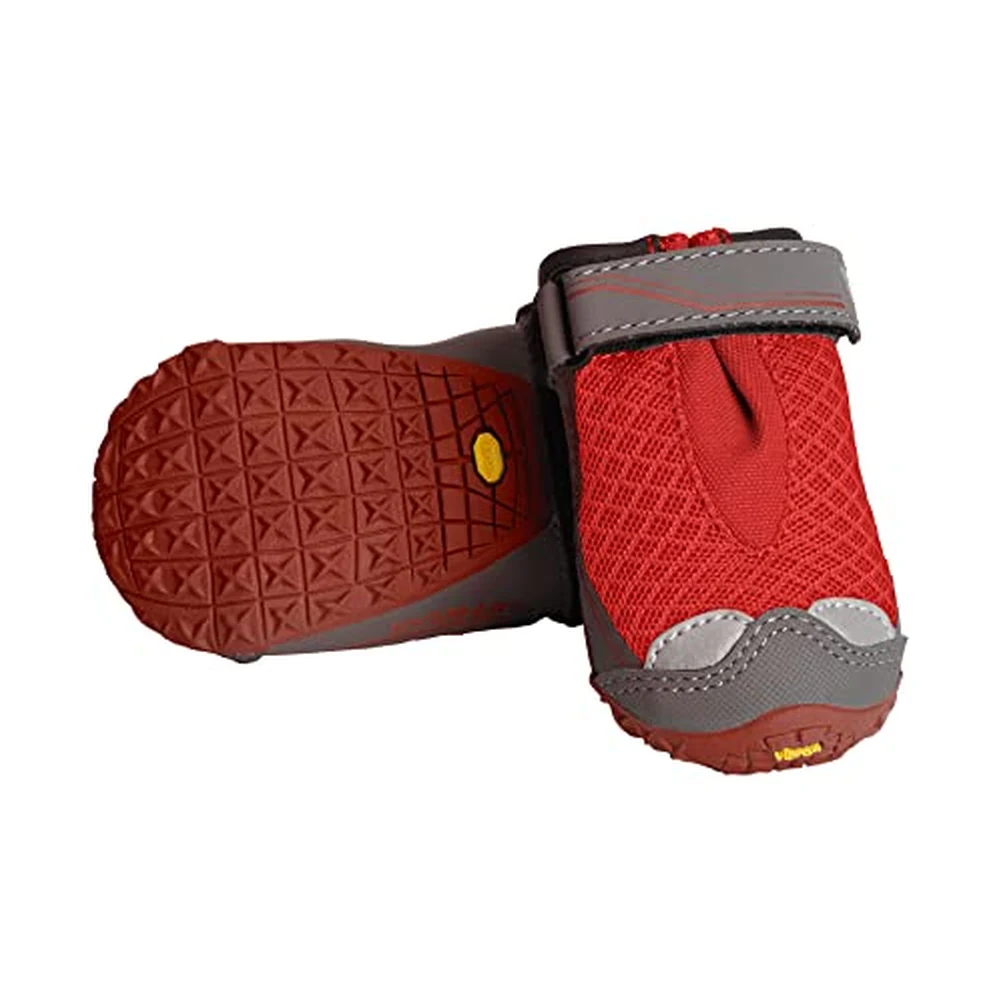
- Booties such as Ruffwear Grip Trex boots address snow, ice and road chemicals, which is what PetMD recommends boots for.
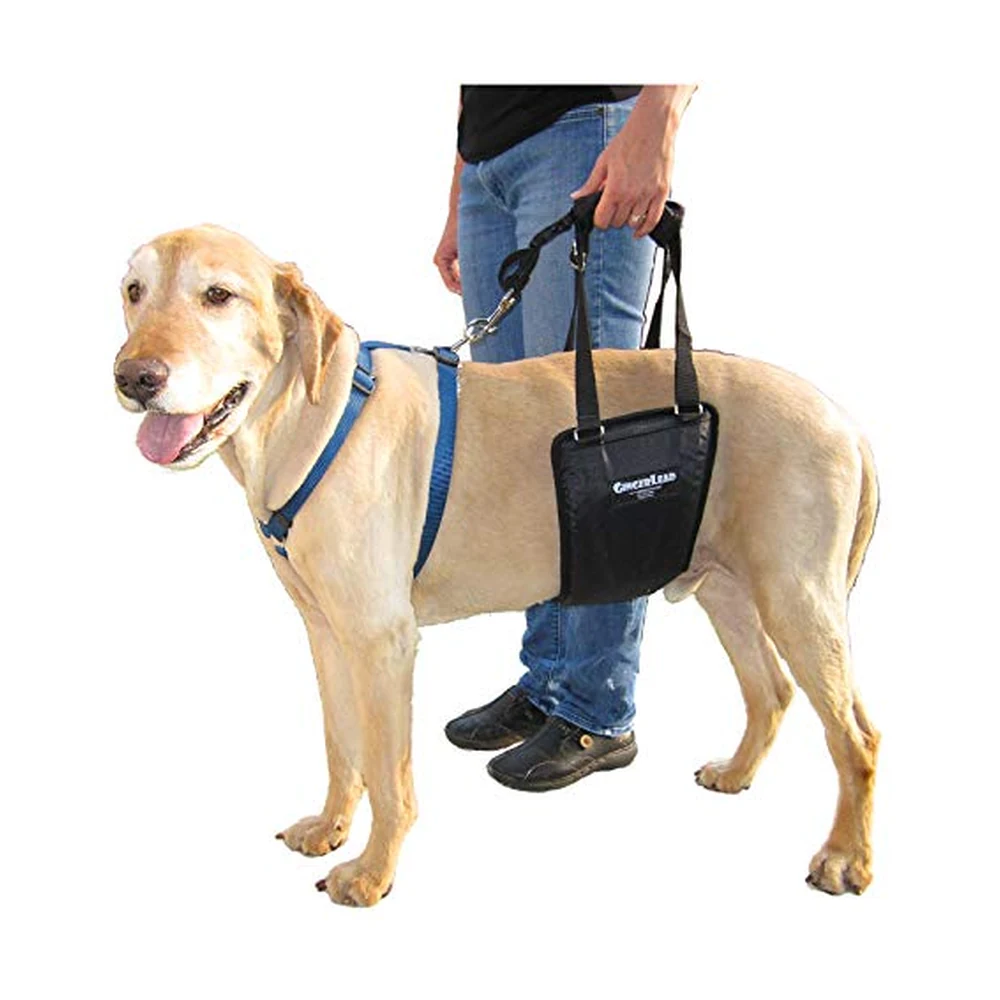
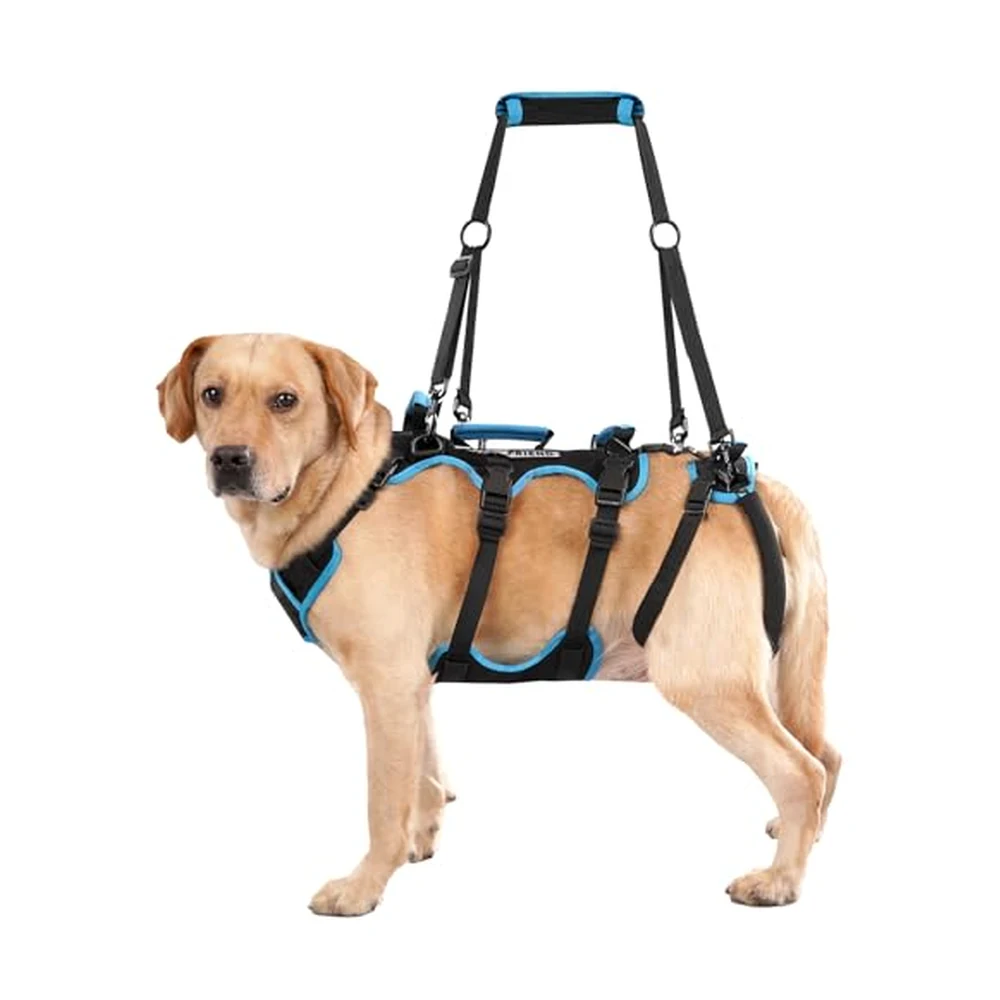
- On steps, a rear support sling may help steady a dog with weak back legs. It is a support, not a cure.
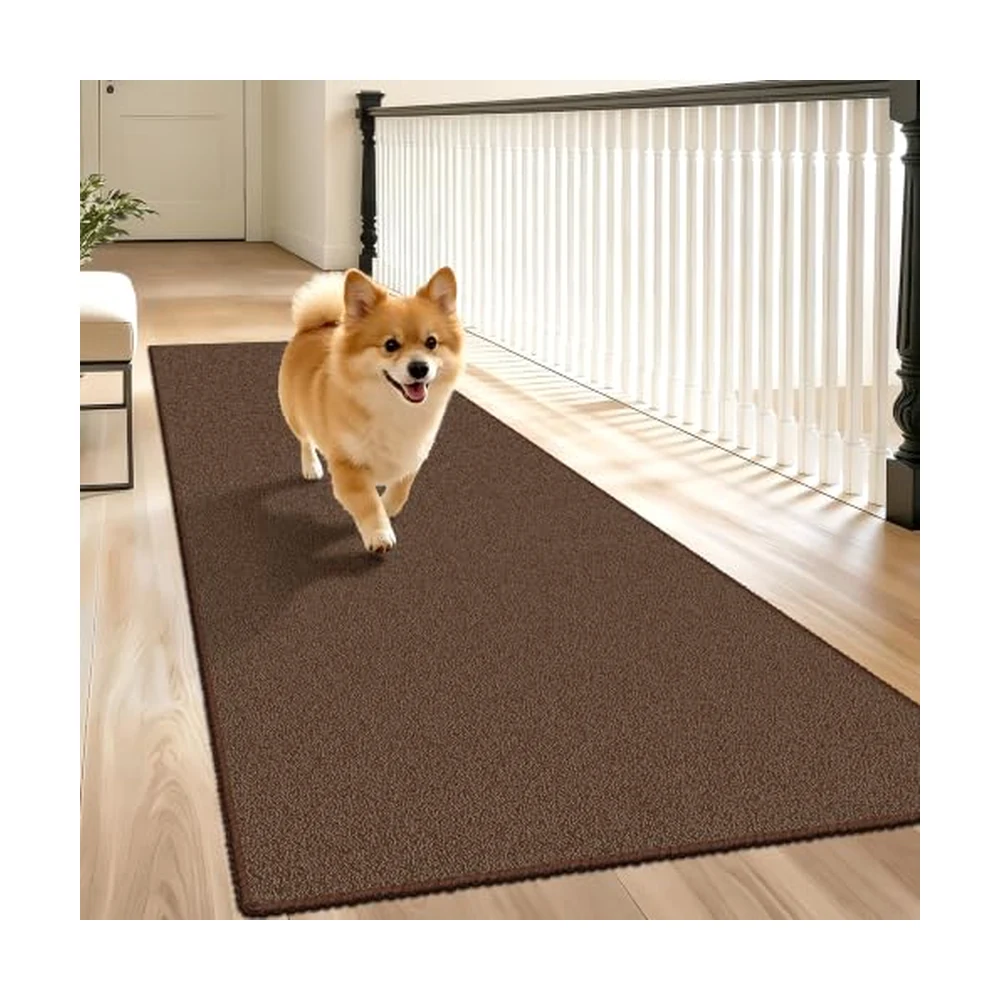
- Inside the door, a non-slip runner gives wet paws a safe landing; see senior dog slipping on floors.
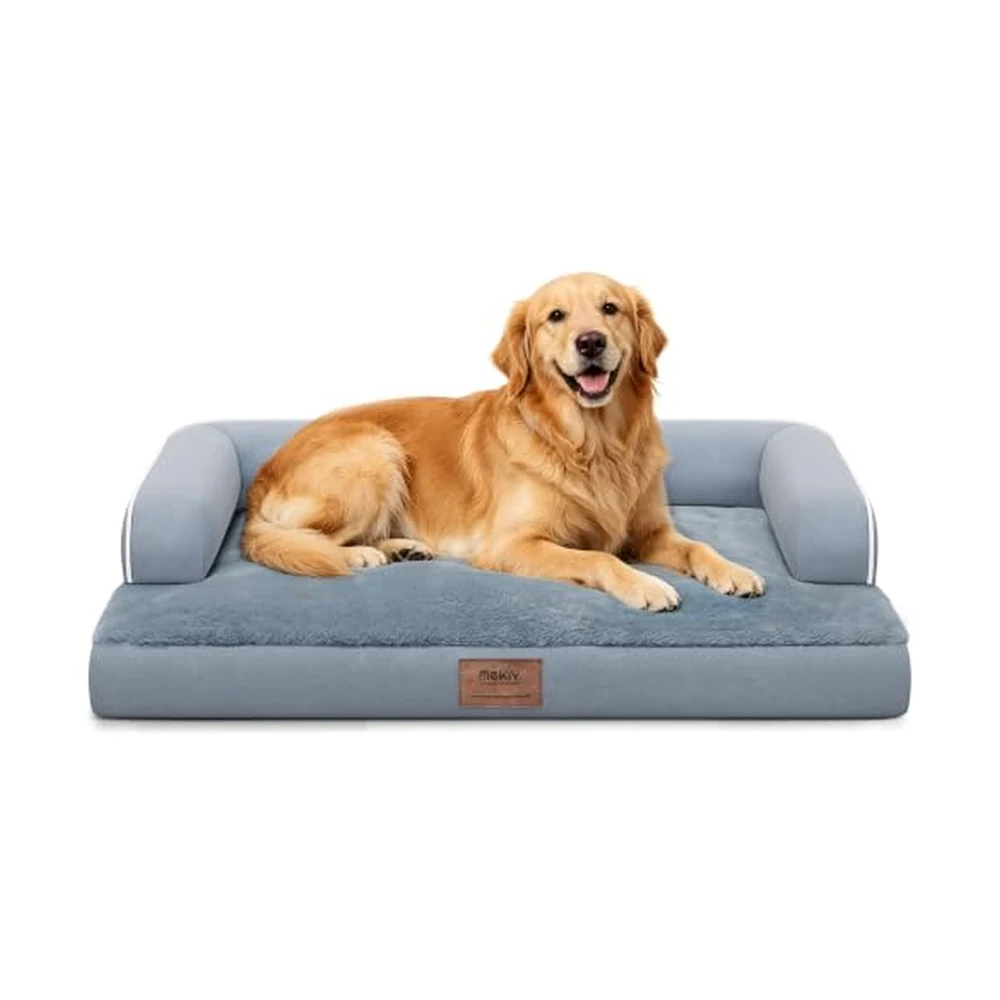
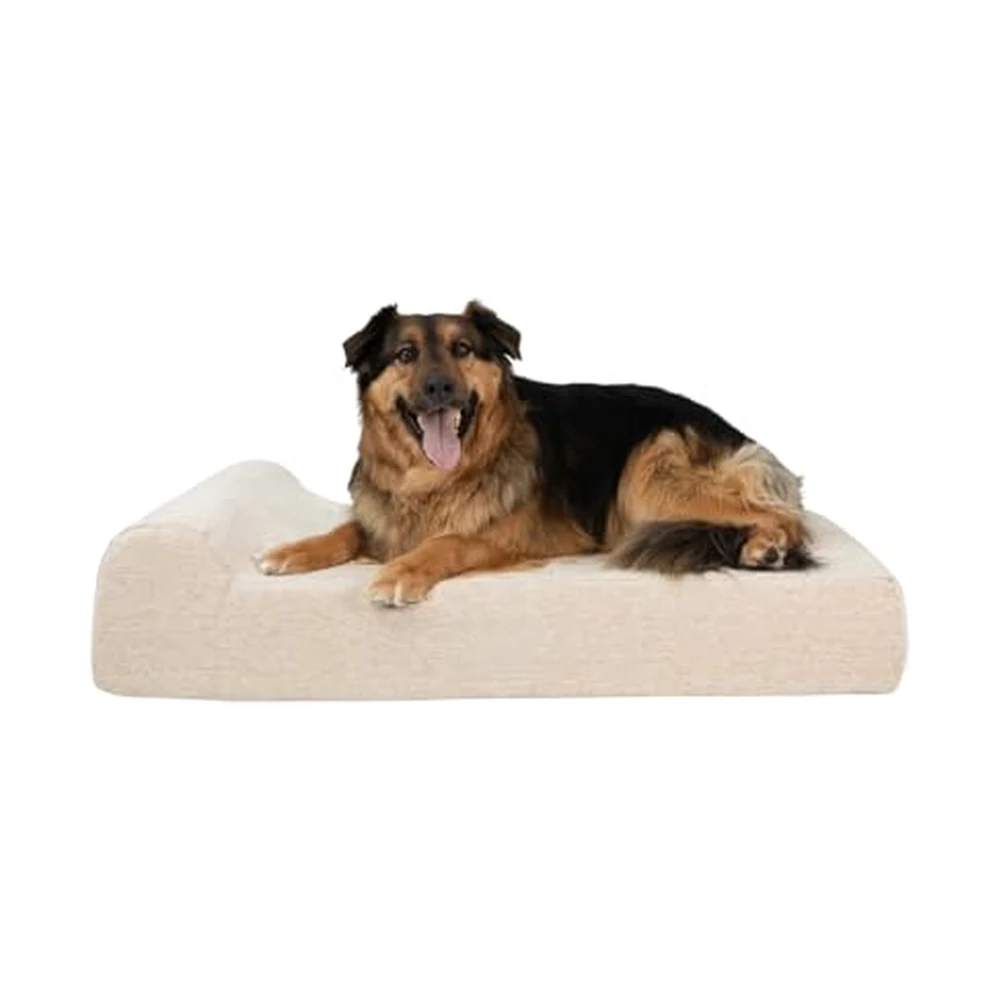
- A raised-edge orthopedic bolster bed gives stiff joints a place to warm up.
- Not sure when your dog counts as a senior? See when is a dog a senior, the senior stage page and the dog age calculator.
Browse more at mobility and traction gear or orthopedic beds.
The thermometer is not the whole answer
PetMD lists the things that move the number up or down:
- Wind chill cuts through the coat, so a calm 30°F is not a windy 30°F.
- Dampness from rain, snow or swimming chills a dog even in mild air.
- Cloudy days feel colder than sunny ones.
- Very active dogs generate extra heat; a dog lying about in the yard does not.
- Dogs used to the cold handle it better than dogs that have been indoors all autumn.
- Size matters: small dogs get colder faster than big ones.
Signs it is time to go in
Cornell and PetMD list the same early signals. Head inside when you see any of these:
- Shivering, or a tucked tail and hunched posture
- Whining, barking or sudden anxiety
- Slowing down or reluctance to keep walking
- Lifting paws off the ground
- Searching out warm spots
AKC says shivering and curling up for warmth are among the first signs of mild hypothermia. Frostbite most often affects ears, paws and tail tips and can take days to show its extent. If you suspect hypothermia or frostbite, warm the dog up and call your vet right away.
Not veterinary advice: This guide summarises published pet-care sources. For a puppy, a senior or a sick dog, ask your vet what limits suit that dog.
What to put on them
We do not stock dog coats, so no product is named here. The criteria from PetMD are simple: a sweater or fleece is enough for a slight chill, but in real cold choose an insulated, windproof, water-resistant coat. PetSmart adds that it should fit snugly but still let the dog move freely.
- Wipe or wash paws after walks to remove salt, de-icers and snowballs. Cornell says de-icers irritate paws and, if licked, the mouth and gut.
- Do not shave the coat short for winter.
- Dogs that exercise less in winter may need fewer calories.
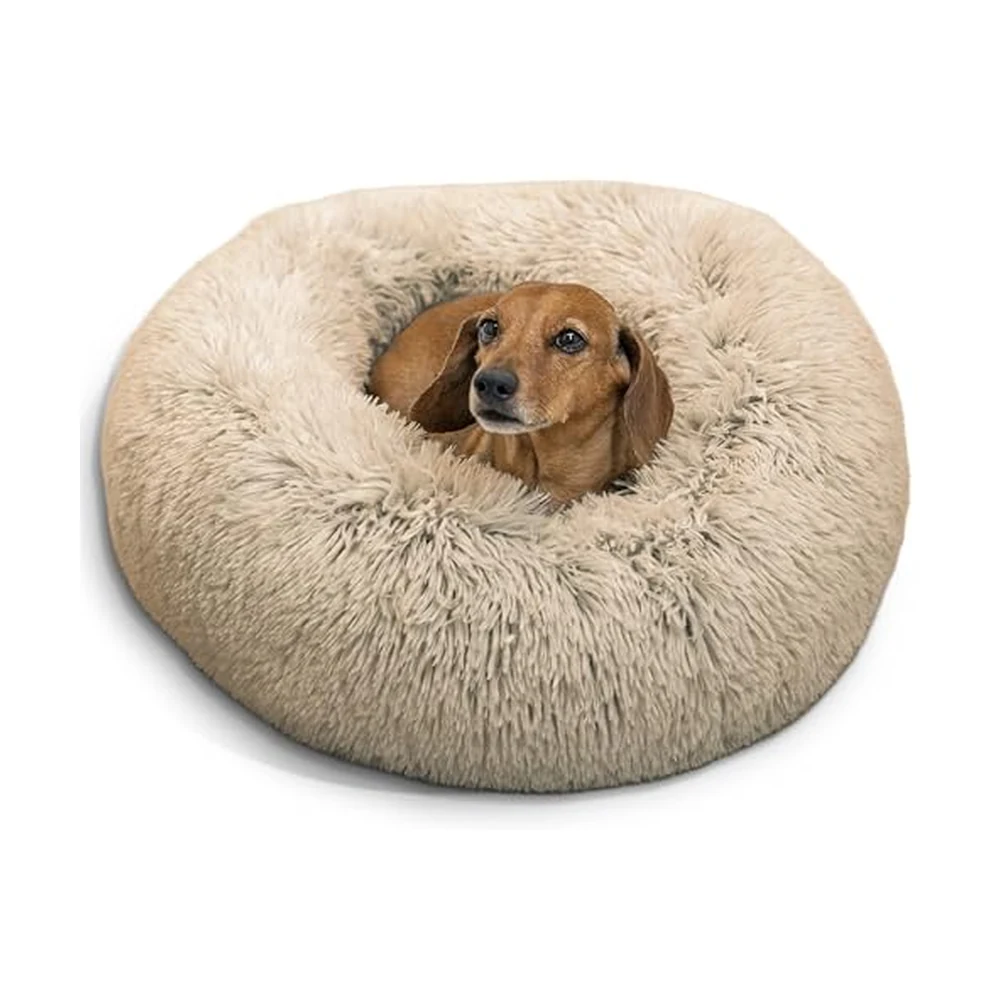
- Offer a warm retreat indoors, such as a calming donut bed. It is a soft bed to curl into, not a heated one.
Tools for this
- Dog Age Calculator
Not sure whether your dog counts as a senior yet? Place its age and size before winter walks get longer.
Key takeaways
What to remember
- PetMD's lines are below 45°F for cold-averse dogs, below 32°F for puppies, seniors, small and thin-coated dogs, and below 20°F for every dog.
- PetSmart is more cautious: under 40°F can become risky, and below freezing it suggests 10 to 15 minutes, supervised.
- No source gives a temperature limit by puppy age in months, so treat the age mapping as our reading.
- For arthritic seniors, Cornell flags slippery ice and snow as the main winter problem, so traction and cleared paths matter.
- Wind, wet, cloud, activity and conditioning all move the real limit; go in at the first signs such as shivering or lifted paws.
Questions people ask
- Is 40 degrees too cold for a puppy?
- PetSmart says anything under 40°F can become risky and that puppies should stick to quick potty breaks rather than long walks. PetMD puts its first danger line for very young dogs at 32°F. Cornell says puppies cannot properly regulate body temperature. Keep trips short and ask your vet.
- How long can a senior dog stay outside in the cold?
- No source gives a number by life stage. PetSmart suggests 10 to 15 minutes below freezing with close supervision, and says seniors should stick to quick potty breaks. Watch for shivering, slowing down or lifted paws and head in. Ask your vet about your dog.
- Does my dog need a coat?
- PetMD says a sweater or fleece suits a slight chill, but in more extreme weather choose an insulated, windproof, water-resistant coat. Small, thin-coated, young, old or sick dogs are the most likely to need one. Ask your vet if unsure.
- Can dogs get frostbite?
- Yes. Cornell says frostbite most commonly affects the ears, paws and tail tips and may take days to show its extent. PetMD warns that below 20°F any dog can develop hypothermia or frostbite after extended time outside. If you suspect it, see a vet immediately.
- Why is my old dog stiffer in winter?
- Cornell notes that older dogs and those with other medical conditions may have trouble staying warm, and that arthritic dogs struggle with instability on ice and snow. Booties and cleared areas may help with balance. Ask your vet about pain relief and joint care.
Gear
Gear for this stage
The products this piece assumes, in the order we would get them. Prices move; check before you buy.
$49.99 Owner rating 4.1 out of 5 · 2,423
Traction plus protection — Vibram outsoles that grip slick tile as well as hot pavement
$69.95 Owner rating 4.3 out of 5 · 3,839
Taking real weight off weak hind legs
TTelephant Non-Slip Floor Runner
$27.74 with Prime Owner rating 4.6 out of 5 · 119
The hallway or the run to the water bowl
Best Friends Calming Donut Bed
$34.99 Owner rating 4.6 out of 5 · 73,239
A dog who burrows and curls — a deep round bed with 360-degree bolsters
$29.58 Owner rating 4.5 out of 5 · 3,903
A first orthopedic bed on a budget
$18.76 Owner rating 4.6 out of 5 · 34,176
The crate pad you can strip and wash whole, sized to a mid-size crate floor.
Lafoty 2-in-1 Detachable Lift Harness
$101.96 Owner rating 4.6 out of 5 · 560
Sources
- PetMD, How Cold Is Too Cold for Dogs? — Three temperature bands, who is vulnerable, wind, wet and activity modifiers, coats and boots, signs to head in
- Cornell Riney Canine Health Center, Winter Safety Tips — Puppies and older dogs, arthritis and ice, paw care, frostbite sites, signs of cold
- PetSmart Learning Center, How Cold Is Too Cold for Dogs? — Under 40°F risk line, quick potty breaks, 10 to 15 minutes below freezing
- AKC, Hypothermia in Dogs: How Cold Is Too Cold? — Mild hypothermia threshold, higher-risk dogs, early signs
Not veterinary advice — for anything medical, ask your vet.
Next step
See boots and traction gear for icy walks
Booties and steadying gear help an older dog keep its footing on snow and ice, which Cornell flags as the real winter risk for arthritic dogs.
When back legs start giving way, the two things that help most are a sling that takes some weight and something that stops the feet sliding.